

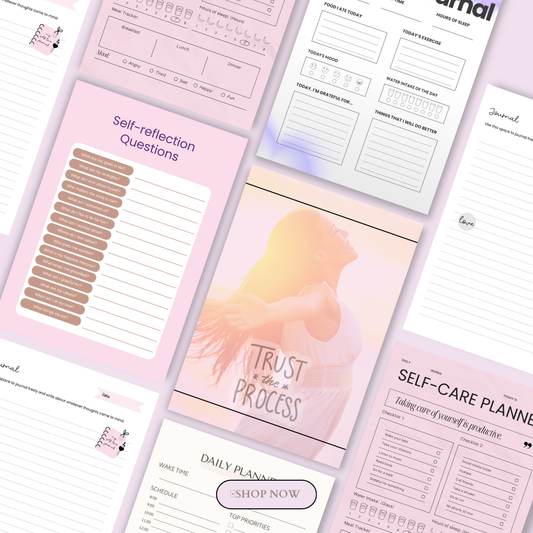

You don't need advanced tech skills, a big budget, or months of spare time to create your first digital product. In fact, many beginners build and launch their first one in a single weekend. What usually stops people isn't a lack of ability. It's overwhelm: too many ideas, too many tools, and too many voices telling you what you "should" be doing before you're allowed to start.
🎥 Prefer watching instead of reading?
Watch the full step-by-step explainer video below.
This guide cuts through that noise. You'll learn how to create digital products for beginners using a simple 7-step roadmap that takes you from a rough idea to your first sale, without burning out along the way.
Whether you're a busy mom building income around school runs, a side-hustler working evenings, or a first-time creator who has never sold anything online, this step-by-step approach is designed to keep things small, clear and doable.
What Is a Digital Product?
A digital product is anything you create once and sell again and again online, with no inventory, no packaging and no shipping. When a customer buys, the file is delivered instantly and automatically, whether it's 2 p.m. in New York, Sydney or London. If you want a deeper breakdown, our guide to what digital products are and how they work covers the basics in more detail.
Here are six beginner-friendly types of digital product you can make with tools you probably already use:
-
Ebooks and how-to guides that solve one specific problem
-
Templates built in Canva, Notion or Google Sheets
-
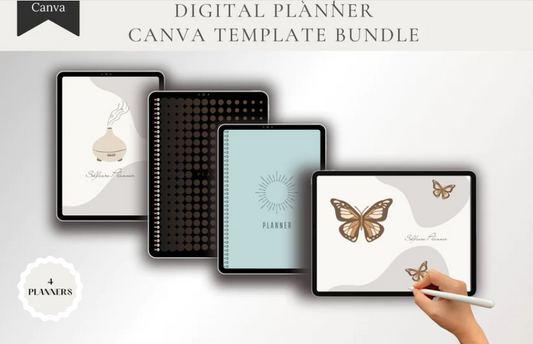
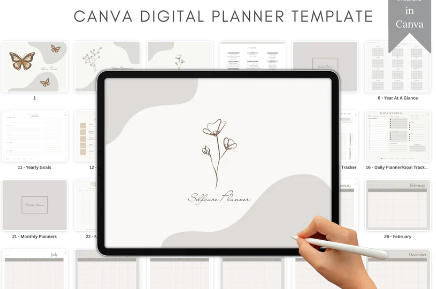
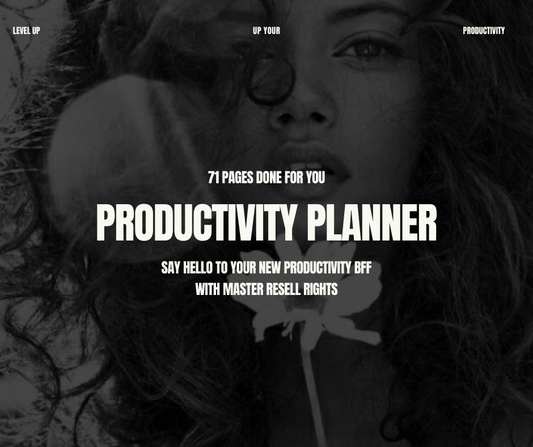
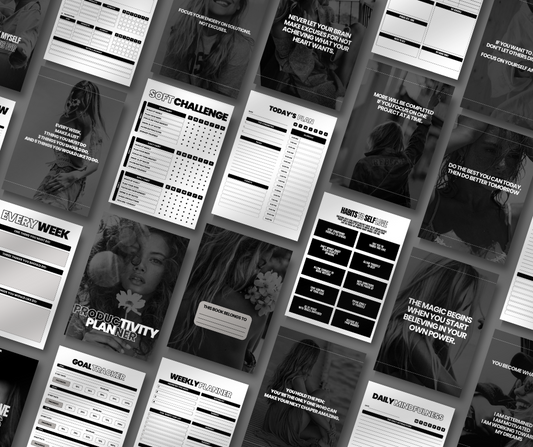
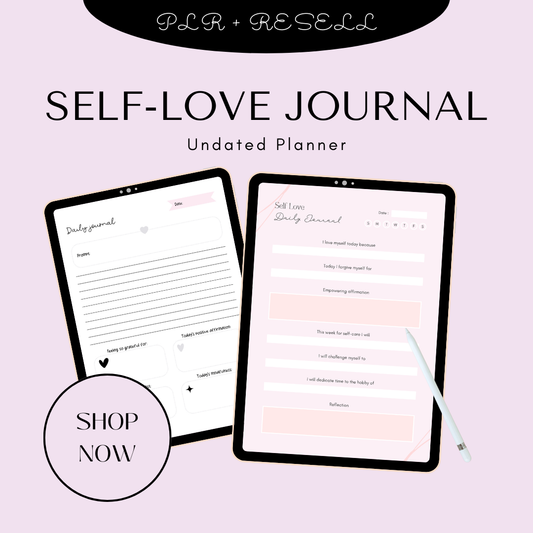
Printables and planners, including digital planners for iPad and GoodNotes users
-
Mini email courses or short video lessons, like these ready-made masterclasses
-
Checklists, swipe files and prompt libraries, such as AI prompt packs
-
Design assets like graphics, fonts and presets
These formats suit beginners because they draw on skills you already have, like writing, organising or designing in Canva, and because digital downloads are delivered automatically once they're set up.
The Overwhelm Trap and 4 Rules to Avoid It
Most beginners don't fail because their idea is bad. They stall because the idea is too vague ("I want to make a course"), they over-plan every detail before testing anything, or they try to learn five new tools at once. These four rules keep you moving.
Rule 1: Start micro. Solve one narrow problem for one specific audience. "Social media templates" is too broad to stand out. "Instagram caption templates for real estate agents" is clear, specific and far easier to sell. The same applies to copywriting that converts: specific words beat generic ones every time.
Rule 2: Validate before you build. Confirm people will actually pay before you spend weeks creating. A quick waitlist or pre-sale saves you from building something nobody wants.
Rule 3: Use tools you already know. Canva, Google Docs and Notion are more than enough for version one. If you'd like to sharpen your brand along the way, a resource like The Ultimate Branding Course with Master Resell Rights can help without adding complexity.
Rule 4: Automate delivery. Choose a platform that handles checkout and instant file delivery for you. Our complete step-by-step guide to selling digital products online walks you through the setup.
The 7-Step Beginner Roadmap
This is where the overwhelm stops. Instead of trying to do everything at once, you'll move through seven small steps in order, finishing each one before starting the next.
Step 1: Pick One Specific Problem to Solve
The best beginner digital products solve one clear problem. To find yours, ask yourself three questions:
-
What do people constantly ask me for help with? Friends, colleagues and followers often reveal your most sellable knowledge.
-
What repetitive task do I already do that others would pay to skip? If you've built a meal-planning system or a content calendar for yourself, someone else wants it too.
-
What do negative reviews of bestsellers in my niche complain about? Every "I wish it had…" is an opportunity.
To research quickly, browse Etsy bestsellers, Gumroad's Discover page and niche Reddit threads. Listen for phrases like "I wish there was…" or "It would be so much easier if…". If you need inspiration, our mega guide to 100 digital products you can sell online in 2026 is packed with ideas, and this list of 40 digital products you can create using ChatGPT or AI tools shows how to speed up creation.
Step 2: Validate Demand in 48 Hours
Don't build in secret. Test interest first with one of these fast methods:
-
Pre-sell or waitlist page: Create a simple landing page on Carrd, Gumroad or beehiiv describing the product and its benefits, with a "Notify me at launch" or early-bird button.
-
Manual outreach: Message 10–15 ideal buyers on LinkedIn, Instagram or in Facebook groups. Describe the product in one sentence and ask, "Would you pay $X for this?"
-
Smoke test: Run a tiny 5–10 ad or post in a relevant community and track how many people click your buy button.
If three to five people say yes or join your waitlist, you have enough signal to start building.
Step 3: Choose the Simplest Format
Match the format to the outcome your buyer wants:
|
Buyer's goal |
Best beginner format |
|
Save time |
Template, checklist, swipe file |
|
Learn a skill |
Short ebook, mini email course |
|
Get organised |
Planner, tracker, workbook |
|
Follow a process |
Short video walkthrough + PDF guide |
For most beginners, templates, printables or a 10–20 page ebook are the fastest route to first revenue. A simple productivity planner is a great example: easy to design and always in demand. Browse the Plan & Prosper collection to see how planners are structured for buyers.
Step 4: Build Your MVP in 1–3 Days
Your first version is a minimum viable product (MVP): it only needs to deliver the core value.
-
Ebook or guide: Write in Google Docs, design a cover in Canva, and export as a PDF.
-
Template: Build it in Canva, Notion or Google Sheets, test it yourself, and record a two-minute walkthrough video.
-
Printable or planner: Design in Canva and put usage instructions on page one.
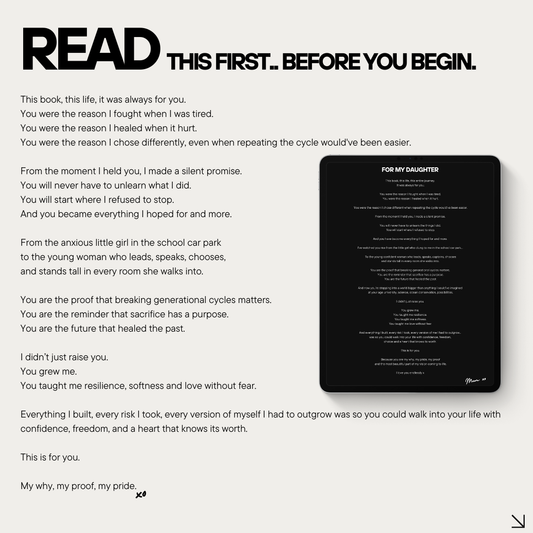
Pro tip: Add a "Start Here" page or quick-win checklist so buyers get value immediately and send fewer support emails.
Remember, useful beats polished. And if you'd rather not start from a blank page, PLR digital products give you ready-made content you can rebrand and sell as your own.

Step 5: Set Up Checkout and Instant Delivery
Choose a platform that handles payments and file delivery automatically:
-
Gumroad: Free to start, handles payments and VAT, ideal for templates and ebooks.
-
Etsy: Best for printables and planners thanks to built-in traffic, though fees add up.
-
beehiiv: Great if you're building an email list alongside your product.
-
Payhip or Lemon Squeezy: Strong options for EU VAT handling and affiliate features.
Since buyers can't hold your product, strong visuals matter. Learn how to create digital product images that showcase products that don't physically exist. Finally, write clear license terms (personal vs commercial use) and a short FAQ. If you want resale rights included from day one, explore our Master Resell Rights products.
Step 6: Price It and Launch
Keep pricing simple with three tiers, for example:
-
Basic: $9
-
Bundle: $19
-
Premium (with a 1:1 call): $49
Offer a founding price to your first 10–20 buyers in exchange for honest feedback. Then launch with a simple three-part message:
-
The problem, plus a teaser of your solution
-
Social proof or a free sample
-
A limited-time offer with a clear call to action
Promote where your audience already spends time: Facebook groups, Pinterest, TikTok and niche subreddits. For more ideas, see these 10 strategies for marketing digital products that actually work, and the Anti-Algorithm Growth Guide for building a brand that doesn't depend on chasing trends.
Step 7: Improve Based on Feedback
Your first version won't be perfect, and it doesn't need to be. Digital products are designed to evolve:
-
Read every review and support message.
-
Fix confusing sections and add bonuses buyers ask for.
-
Grow one product into a product family. For example, "Instagram Templates for Realtors" can lead to "Reels Scripts", then "Story Highlight Covers".
Bundles are a natural next step once you have a few related products. See how the Luna Bundle packages multiple products together, or how The Glow Lab Co. Skincare Collection turns niche content templates into one high-value offer.
Common Beginner Mistakes (and How to Avoid Them)
Most overwhelm comes from a handful of predictable mistakes. Spot them early and you'll save weeks of wasted effort.
|
Mistake |
Why it causes overwhelm |
Better approach |
|
Building without validating |
You spend weeks on something nobody buys |
Pre-sell or open a waitlist first, as Stripe recommends in its guide to starting a digital product business |
|
Trying to serve everyone |
Your product feels vague and your message falls flat |
Niche down: one audience, one problem |
|
Over-designing version one |
Launch gets delayed and motivation fades |
Focus on usefulness first; Designkit's workflow for creating digital products that sell keeps it simple |
|
Ignoring marketing |
"Build it and they will come" rarely works |
Prepare 3–5 promo posts before launch, using tips for selling digital products with no experience |
|
No post-launch plan |
The product goes stale and reviews suffer |
Schedule monthly updates, following Thinkific's advice on improving digital products over time |
Beginner Tool Stack: Free and Low-Cost
You don't need expensive software to get started. Here's a simple stack:
-
Creation: Canva, Google Docs and Sheets, Notion, CapCut and Loom
-
Validation: Carrd for landing pages, Google Forms or Typeform for surveys, and Printful's list of the best digital products to sell to check demand
-
Selling and delivery: Gumroad, Etsy, Payhip or beehiiv, whose starter guide to selling digital products is worth a read. Learn the best way to deliver digital products to customers automatically.
-
Marketing: Pinterest, TikTok, Reels and email, plus downloadable social media templates for Instagram that convert
The Beginner Shortcut: Start With PLR
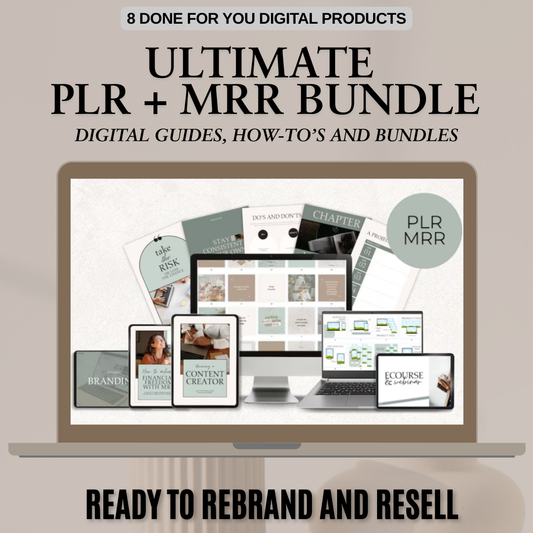
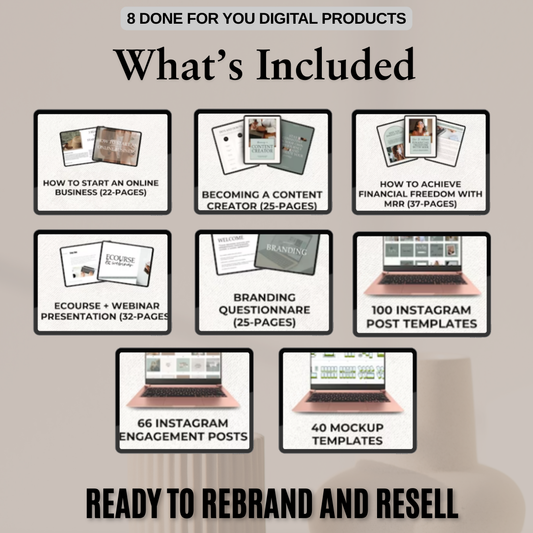
If building from scratch still feels like too much, there's a faster route. PLR (Private Label Rights) products are ready-made digital products you can rebrand, customise and sell as your own, so you skip straight to launching.
For example, The Content Girl Collection gives you a complete image and Reels bundle, while the Positivity Pop Collection offers bold Canva templates for posts, stories and blogs. In the self-development niche, the Money Mindset Collection and The Wealth Mindset Journal are ready to brand and sell. For more ideas, see these digital products for content creators in 2026.
Conclusion: Start Small, Start Now
Creating digital products as a beginner doesn't have to be overwhelming. Pick one specific problem, validate demand before you build, choose the simplest format, launch to the people who already want it, and improve as feedback comes in.
Your first product won't be perfect, and it doesn't need to be. Done is better than perfect, and every successful creator started with a simple version one.
Ready to launch faster? Shop All at Resell Ready to find PLR and MRR digital products you can rebrand and sell this week.
Frequently Asked Questions
1. How do I create a digital product as a complete beginner?
Start by picking one specific problem for one specific audience. Validate demand with a quick waitlist or pre-sale, then build the simplest format that solves the problem, such as a template, checklist or short ebook. Use free tools like Canva or Google Docs, and sell through a platform that delivers files automatically, like Gumroad or Etsy.
2. What is the easiest digital product to make for beginners?
Templates, printables and short ebooks are the easiest digital products for beginners. They can be designed in Canva or Google Docs in a few days, need no technical skills, and solve clear problems like saving time or staying organised. Planners, checklists and social media templates are especially popular with buyers in the USA, Australia and the UK.
3. How much does it cost to start creating digital products?
You can start creating digital products for little or no money. Free tools like Canva, Google Docs and Notion are enough to build your first product, and platforms like Gumroad and Payhip are free to join, taking a small fee only when you make a sale. Optional costs include a paid Canva plan, Etsy listing fees or a small test ad.
4. How long does it take to make a digital product?
Most beginners can create a simple digital product in one to three days, and some launch within a weekend. The key is building a minimum viable product that delivers the core value instead of aiming for perfection. You can always improve it later based on customer feedback, adding bonuses or new versions over time.
5. Can I sell digital products without creating them from scratch?
Yes. PLR (Private Label Rights) and MRR (Master Resell Rights) products let you sell ready-made digital products without building them yourself. PLR products can be rebranded and customised as your own, while MRR products usually come with the right to resell them as they are. Always check the license terms so you know exactly what you're allowed to do.
🎬 Want a visual walkthrough?
If you’d rather watch than read, here’s the full explainer video covering everything in this guide: