



Introduction
Digital downloads have become one of the fastest-growing segments of the online economy, and the momentum is only accelerating in 2025, 2026, and the years ahead. From ebooks and online courses to templates, design assets, and done-for-you digital products, creators and businesses are increasingly shifting away from physical goods toward fully digital offerings.
🎥 Prefer watching instead of reading?
Watch the full step-by-step explainer video below.
The reason is simple: digital products are easier to create, distribute, and scale. Buyers get instant access, while sellers eliminate inventory, shipping, and manufacturing costs. Whether you’re a content creator, small business owner, coach, or side hustler, digital downloads open the door to global reach and long-term passive income.
In this guide, you’ll learn:
-
What digital downloads are and how they work
-
How they differ from physical products
-
The most common digital file types used today
-
Why digital downloads matter for both buyers and sellers
If you’re also exploring ready-made or PLR digital products, you may find it helpful to read this guide on
👉 Done-for-You Digital Products That Actually Sell
to understand what’s already working in the market.
What Are Digital Downloads?
A digital download is any product delivered electronically over the internet instead of being shipped as a physical item. Once purchased (or accessed for free), the buyer can download the file directly to their device or access it through a secure online dashboard or cloud platform.
Digital downloads include items like:
-
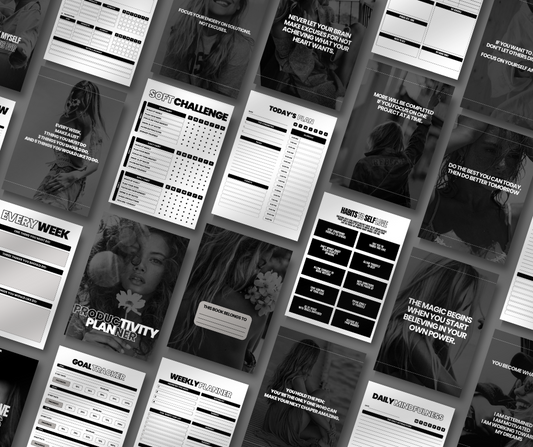
Ebooks and workbooks
-
Online courses and training materials
-
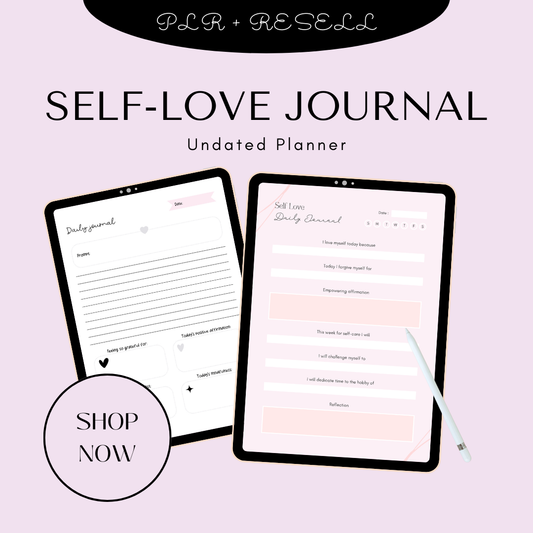
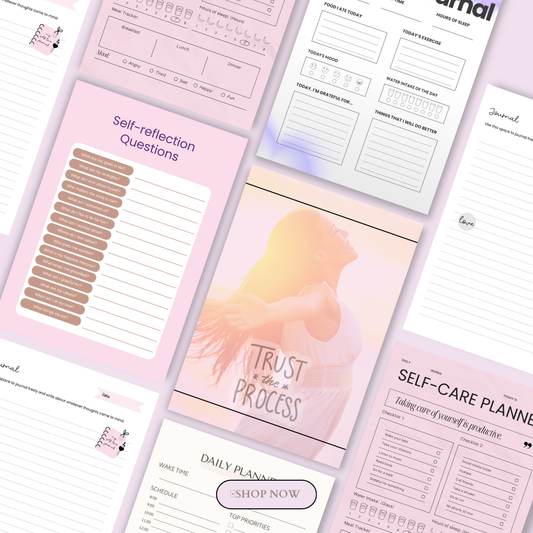
Printable planners and journals
-
Design templates and creative assets
-
Audio files, videos, and software tools
For example, a guided workbook such as the
👉 Coping With Grief eBook & Workbook
is delivered instantly after purchase, allowing buyers to begin using it right away without waiting for shipping.
How Digital Downloads Differ From Physical Products
The biggest difference between digital and physical products is delivery and scalability.
Physical products require:
-
Manufacturing
-
Inventory storage
-
Shipping and logistics
-
Ongoing per-unit costs
Digital downloads, on the other hand:
-
Are created once and sold repeatedly
-
Require no physical storage
-
Can be delivered instantly worldwide
-
Have near-zero cost per additional sale
This is why digital products like the
👉 30 Days to a Better You eBook
or the
👉 Complete Self-Care Journal
are especially popular among creators looking to build sustainable online income streams.
How Users Access Digital Downloads
There are two main ways users access digital downloads:
1. Direct Download
After checkout, buyers receive a secure download link via email or account dashboard. The file is saved directly to their device.
2. Cloud or Platform Access
Some products are accessed through an online platform, course portal, or membership area, where content can be streamed or downloaded selectively.
For visual and social-media-focused products, such as
👉 Positivity Pop IG Story Videos & Canva Templates,
buyers typically access editable files through tools like Canva or shared folders.
Common Digital File Formats Used Today
Modern digital downloads come in a wide range of file formats, depending on their purpose:
-
PDF – ebooks, workbooks, journals, guides
-
MP3 / WAV – audio files, meditations, podcasts
-
MP4 – video lessons, short-form content, tutorials
-
PNG / JPG / SVG – graphics, illustrations, stock images
-
DOCX / XLSX – templates, planners, spreadsheets
-
ZIP files – bundled products and toolkits
AI-assisted and prompt-based products are also growing rapidly. For instance, tools like the
👉 PLR Faceless Illustration Prompt Guide
help creators generate visuals without needing design skills.
If you’re interested in reselling or sourcing these products, this resource is a great next step:
👉 Best Websites to Get PLR Digital Products to Resell in 2025
Common Types of Digital Downloads
Digital downloads come in many forms, serving different industries, audiences, and goals. Below are the most popular and profitable types of digital downloads creators and businesses are selling right now — and scaling even further into 2026.
E-books & Guides
E-books and digital guides are among the most widely sold digital downloads because they are easy to create, distribute, and update. These products typically focus on education, transformation, or problem-solving within a specific niche.
Common examples include:
-
Self-improvement and mindset guides
-
Business and marketing playbooks
-
Health, wellness, and lifestyle eBooks
-
Step-by-step “how-to” manuals
A great example is
👉 The Aligned Empire: A Guide to Wealth, Peace & Purpose,
which combines mindset, personal growth, and business alignment into a single downloadable resource.
E-books are also popular in the reselling space, especially when paired with PLR or master resell rights. If you’re new to this model, this beginner-friendly guide explains how it works:
👉 Buy Resell Rights Products Online: A Beginner’s Guide to Profitable Reselling
Printables & Templates
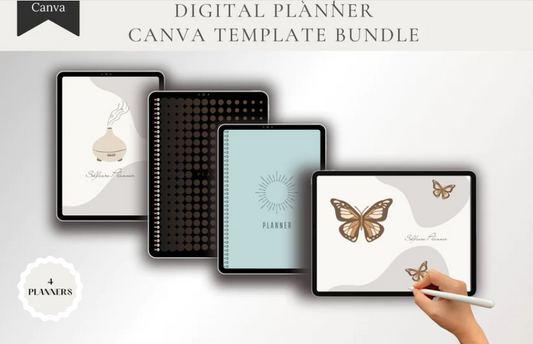
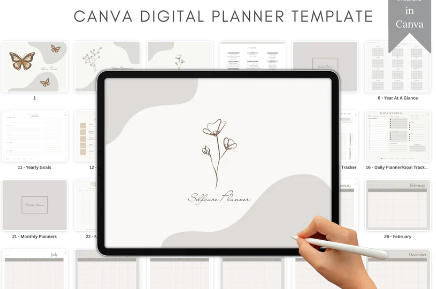
Printables and templates are high-demand digital products because they save users time, effort, and mental energy. These downloads are typically used for productivity, business organization, or design purposes.
Popular printable and template categories include:
-
Planners, journals, and trackers
-
Budget spreadsheets and finance tools
-
Resume and proposal templates
-
Canva templates for branding and social media
Small businesses especially rely on editable templates to maintain a professional look without hiring designers. This resource highlights top-performing options:
👉 Best Canva Templates for Small Businesses
Many of these products are also bundled inside curated collections like
👉 Plan & Prosper
and
👉 Words That Sell,
which are designed to help entrepreneurs execute faster and more effectively.
Courses & Learning Materials
Online courses and learning materials are premium digital downloads that deliver structured knowledge and guided outcomes. These products often combine multiple file types into one learning experience.
Common formats include:
-
Pre-recorded video lessons
-
Downloadable workbooks and PDFs
-
Slide decks and presentations
-
Checklists and action plans
Courses are increasingly sold as standalone products or inside bundles and masterclasses, such as those found in the
👉 Masterclasses Collection.
Branding-focused education remains especially popular, with products like
👉 The Ultimate Branding Course with Master Resell Rights
allowing buyers to both learn and monetize the content.
Music & Audio Files
Audio-based digital downloads are thriving due to the rise of mobile consumption and multitasking lifestyles. These products are often used for relaxation, learning, or creative projects.
Examples include:
-
Guided meditations and affirmations
-
Audiobooks and spoken-word content
-
Sound effects and royalty-free music
Audio products are frequently bundled with written or video content to create richer digital experiences, especially in wellness and mindset niches.
Software & Plugins
Software-based digital downloads are functional tools designed to solve technical or workflow problems. These products are especially popular among developers, marketers, and online businesses.
Examples include:
-
Mobile or desktop applications
-
Browser extensions
-
Website plugins
-
Code snippets and automation tools
Because of their practical value, software products often command higher price points and recurring revenue models.
Design Assets & Creative Files
Design assets are essential digital downloads for creators, brands, and content producers who want high-quality visuals without creating everything from scratch.
Common design downloads include:
-
Fonts and typography packs
-
Graphics, icons, and overlays
-
Mockups and layered design files
-
AI-generated image prompts
AI-powered assets are growing rapidly, especially prompt-based products like
👉 Icon Energy Prompt Pack
and collections such as
👉 AI Prompt Packs
and
👉 AI Image Collection.
Stock Photos & Video Clips
Stock photos and short-form video clips are high-demand digital downloads for marketers, influencers, and businesses creating content at scale.
These products typically include:
-
Curated image packs
-
Instagram-ready visuals
-
Short video clips for reels and ads
With the rise of short-form platforms, collections like
👉 Post Perfection
and
👉 Reel Power Packs
are especially popular among social media creators.
If you’re researching marketplace demand, this guide breaks down what performs best:
👉 Which Digital Products Sell Best on Etsy?

Digital Download Trends for 2026
As digital products continue to evolve, 2026 is shaping up to be the year of flexibility, personalization, and modular value.
Modular & Bite-Sized Products
Creators are breaking large products into smaller, focused downloads that solve one specific problem at a time.
Micro-Courses & Mini-Workbooks
Short, outcome-driven learning experiences are replacing long, overwhelming courses.
Interactive & Unlockable Content
Digital downloads now include prompts, exercises, gated access, and progressive content releases.
Bundles & Tier-Based Access Models
Buyers increasingly prefer bundles, subscriptions, and value-stacked offers — including systems like
👉 DFY Sales Funnels
that remove friction and speed up results.
For a broader market overview, this article explains why demand keeps growing:
👉 What Are Digital Products and Why Are They Booming in 2025?
Benefits of Digital Downloads
Digital downloads offer powerful advantages for both buyers and sellers, which is why they continue to dominate the online business landscape going into 2026.
Benefits for Buyers
Instant Access
One of the biggest benefits of digital downloads is immediacy. Buyers receive their product within seconds of purchase, allowing them to start learning, using, or implementing right away — no shipping delays, no waiting.
Space-Saving & Clutter-Free
Digital products eliminate physical clutter. Ebooks, planners, courses, and templates are stored on devices or in the cloud, making them ideal for minimalists and busy professionals.
Portability & Re-Download Convenience
Most digital downloads can be accessed across multiple devices and re-downloaded if needed. This flexibility makes them especially appealing for users who work remotely or on the go.
Benefits for Creators & Sellers
Low Startup & Operating Costs
Digital products require no inventory, storage, or shipping. Once created, the same file can be sold repeatedly with minimal ongoing expenses.
Global Audience Reach
With digital delivery, creators can sell to customers anywhere in the world. Time zones and borders don’t matter — if someone has internet access, they can buy.
Passive & Scalable Income Potential
Digital downloads allow creators to build income streams that scale without extra work per sale. This is why many entrepreneurs turn to done-for-you and PLR models, as explained in
👉 How to Make Money With Done-For-You Digital Products.
How to Sell Digital Downloads in 2026 (Step-by-Step)
Selling digital downloads in 2026 is more streamlined than ever, thanks to better tools, platforms, and automation. Below is a modern, beginner-friendly workflow.
Step 1 – Choose Your Product Type & Niche
Start by deciding what type of digital product you want to sell — ebooks, planners, templates, courses, or bundles. Then narrow your focus to a specific niche or audience.
Ask yourself:
-
What problem am I solving?
-
Who is this product for?
-
What result will they get?
If you’re starting without an audience, PLR and DFY products can shorten the learning curve. This guide breaks it down clearly:
👉 PLR Digital Products for Beginners With No Audience
Step 2 – Create or Finalize the Digital File
Once your product idea is clear, it’s time to create or customize the digital file.
Common tools include:
-
Canva for PDFs, planners, and templates
-
Google Docs / Sheets for written guides and spreadsheets
-
Presentation tools for slide decks
-
Video tools for recorded lessons
-
ZIP files for bundles and multi-asset products
For planner-based products specifically, this beginner guide walks through the full process:
👉 How to Make and Sell Planners Online
Step 3 – Choose a Sales Platform
Your sales platform determines how customers buy, access, and experience your product.
Selling on Online Marketplaces
Marketplaces like Etsy or similar platforms provide built-in traffic and easy setup.
Pros:
-
Faster launch
-
Existing buyer traffic
Limitations:
-
Platform fees
-
Limited branding control
-
High competition
Selling Through Your Own Store
Running your own store gives you full control over branding, pricing, and customer relationships.
Options include:
-
Website-based stores
-
Hosted digital product platforms
-
Funnel-based checkout systems
Creators focused on long-term growth often pair their store with education like
👉 How to Build a 6-Figure Digital Product Brand – Masterclass
to avoid common scaling mistakes.
Step 4 – Set Up Delivery & Access Rules
Next, configure how buyers receive your digital product.
Common delivery methods include:
-
Instant email download links
-
Customer dashboards
-
Course or membership portals
You’ll also want to define:
-
File format restrictions
-
Re-download limits
-
Access duration for courses or bundles
Clear delivery rules protect your content while keeping the buyer experience smooth.
Step 5 – Price & Package Strategically
Pricing is no longer about a single product with one price.
Popular 2026 strategies include:
-
Tiered pricing (basic, standard, premium)
-
Bundles that combine related products
-
Subscriptions for ongoing access
-
Micro-products priced for quick decisions
Many creators also use value-stacked offers like the
👉 Organic Growth Marketing Bundle
to increase average order value without creating new products.
Step 6 – Launch & Market Your Digital Product
Marketing is what turns a digital file into a profitable product.
Effective channels include:
-
Email marketing sequences and launches
-
Social media content and short-form video
-
SEO-optimized blog content
-
Paid ads and retargeting
-
Affiliate and referral programs
Instagram remains a major driver for digital sales, especially when paired with structured training like the
👉 Instagram Growth Masterclass.
Step 7 – Test, Track & Scale
After launch, focus on data and optimization.
Track metrics such as:
-
Conversion rates
-
Sales volume
-
Refund requests
-
Customer feedback
Use these insights to:
-
Improve product quality
-
Adjust pricing and packaging
-
Add complementary products
-
Automate email funnels and upsells
Over time, your digital downloads can evolve into a full product ecosystem instead of a single offer.
Best Platforms & Tools for Selling Digital Downloads
Choosing the right platform to sell your digital downloads is one of the most important decisions you’ll make. The best option depends on your product type, business goals, and how much control you want over branding and customer data.
Marketplaces vs Self-Hosted Solutions
Online marketplaces are platforms where your digital product is listed alongside others and exposed to built-in traffic.
Pros:
-
Easier setup
-
Existing buyer demand
-
Lower upfront effort
Cons:
-
Platform fees and commissions
-
Limited branding control
-
High competition
In contrast, self-hosted solutions allow you to sell directly through your own website or funnel.
Benefits include:
-
Full control over pricing and branding
-
Ownership of customer emails and data
-
Higher long-term profit margins
Creators who choose this route often pair it with done-for-you systems and proven offers, as outlined in
👉 Done-for-You Digital Products That Actually Sell.
Course-Focused vs Download-Focused Platforms
Some platforms are optimized for courses and education, while others are built for instant digital downloads.
-
Course-focused platforms are best for video training, memberships, and structured learning journeys.
-
Download-focused platforms are ideal for ebooks, planners, templates, and bundles delivered instantly.
If your goal is to build authority and long-term brand equity, education-based products often outperform quick downloads. This comparison helps clarify the difference:
👉 Ultimate Branding Course vs DIY Branding – Which Is Better?
Choosing the Right Platform for Your Business Model
Ask yourself:
-
Am I selling one product or multiple offers?
-
Do I want quick sales or long-term brand growth?
-
Will I upsell, bundle, or launch future products?
For creators focused on algorithm-proof growth, owning your audience and platform is key. Resources like
👉 Anti-Algorithm Growth Guide
help sellers build businesses that aren’t dependent on social media trends alone.
Resources & Further Reading
If you want to go deeper into digital downloads, PLR, and reselling, the following resources provide trusted definitions, strategies, and market insights.
Definitions & Fundamentals
Selling Guides & Tutorials
Digital Product Ideas for 2026
Curated collections like
👉 The Planner Collection and
👉 New Year, New Me Collection
are especially popular during seasonal launches.
Creator-Focused Insights & Benefits
For niche creators, template-driven products such as
👉 100 Skincare & Beauty Instagram Posts and
👉 Conversion Queen™ Carousel Pack
offer fast implementation with high perceived value.
Final Thoughts
Digital downloads remain one of the most profitable and flexible online business models because they combine low overhead, global reach, and unlimited scalability. As tools improve and buyer behavior shifts toward instant, personalized solutions, digital products are only becoming more valuable.
If you’re a:
-
Creator, coach, or educator
-
Small business owner or freelancer
-
Stay-at-home parent or side hustler
-
Entrepreneur looking for passive income
…then selling digital downloads in 2026 is one of the smartest moves you can make.
You don’t need to start big. Start with one product. Test it. Improve it. Bundle it. Then scale strategically using proven systems, automation, and collections that match your audience’s needs.
Digital downloads reward clarity, consistency, and ownership — and the sooner you start, the faster you compound results.
Frequently Asked Questions About Digital Downloads
1. What exactly counts as a digital download?
A digital download is any product delivered electronically rather than physically. This includes ebooks, PDFs, planners, templates, online courses, audio files, videos, software, and design assets. Once purchased, the product is downloaded to a device or accessed through a secure online platform, with no shipping or physical inventory involved.
2. Are digital downloads profitable in 2026?
Yes. Digital downloads remain highly profitable in 2026 because they have low startup costs, no inventory, and unlimited scalability. Once created, a digital product can be sold repeatedly to a global audience, making it one of the most efficient online business models for creators, freelancers, and entrepreneurs.
3. Do I need a large audience to sell digital downloads?
No. Many sellers start without an audience by using SEO, marketplaces, paid ads, or done-for-you and PLR digital products. With the right niche, product positioning, and platform, even beginners can make consistent sales without a large social media following.
4. What are the easiest digital downloads to sell for beginners?
Beginner-friendly digital downloads include planners, journals, templates, checklists, ebooks, and Canva-based products. These are easy to create or customize, have strong demand, and don’t require advanced technical skills or large production budgets.
5. Should I sell digital downloads on a marketplace or my own website?
Both options work, but they serve different goals. Marketplaces offer built-in traffic and faster setup, while selling through your own website provides full control over branding, pricing, and customer data. Many successful creators start on marketplaces and later transition to their own store for long-term growth.
🎬 Want a visual walkthrough?
If you’d rather watch than read, here’s the full explainer video covering everything in this guide: