


Introduction
Most Instagram templates are built to look good — not to actually convert. A pretty carousel that nobody saves, shares, or clicks through isn't doing its job. This guide breaks down what separates a template that just sits pretty from one that drives real results: more saves, more shares, more profile visits, and more link clicks.
You'll learn the design and structure principles behind high-converting templates, the exact template types worth downloading, where to find them, and how to customize them for your own brand. If you're building or reselling your own template packs, this same framework applies directly to creating digital products that people actually want to buy.
🎥 Prefer watching instead of reading?
Watch the full step-by-step explainer video below.
1. Introduction
On Instagram, "converting" doesn't mean likes. A post can rack up hundreds of likes and still do nothing for your business. Real conversion looks like:
-
Saves — the reader wants to come back to this later
-
Shares — the reader thinks someone else needs to see this
-
Profile visits — the post made them curious about who's behind it
-
Link clicks — the post moved them toward an action off-platform
-
DMs — the post prompted a direct conversation (often the first step toward a sale)
By the end of this guide, you'll know exactly what makes a template earn these outcomes, which template types consistently perform best, where to download them for free or paid, and how to adapt them to your own brand and goals — whether you're posting for your own account or building digital downloads to sell.
2. What Makes Instagram Templates Actually Convert
Conversion isn't random. High-performing templates share a specific set of structural and design decisions — and once you can spot them, you can replicate them.
2.1 Structural Features
Strong Slide 1 hook. The first slide does most of the work. Roughly 80% of carousel engagement is decided right there — before a viewer even swipes. A strong Slide 1 states the problem, previews the benefit, or opens a curiosity gap the reader wants closed.
Logical flow across slides. Every slide should add something new. If two slides could be merged without losing information, one of them isn't earning its place. This is the same principle used in well-structured PLR digital products — each asset in the pack needs a clear, distinct purpose, not overlapping content padded out to look bigger.
Built-in CTA on the final slide. Never leave the last slide to guesswork. Tell the reader exactly what to do next — save it, follow for more, visit the link, comment, or send a DM. Templates without a clear final-slide CTA consistently underperform, no matter how strong the earlier slides are.
2.2 Design Features
Consistent branding. Same color palette, same one or two fonts, same logo placement, slide after slide. This is what makes a carousel feel like a cohesive product rather than a stitched-together slideshow — the same standard you'd expect from a well-made planner or template bundle sold as a finished product.
Mobile-first readability. Nearly every Instagram user is scrolling on a phone. That means large fonts (24pt minimum), high contrast between text and background, and restraint on how much text goes on a single slide.
Visual hierarchy. Each slide should have a clear headline, a supporting subhead, and body text — in that order of visual weight. Cap it at 3–5 key points per slide so the design doesn't compete with itself.
2.3 Content Angles That Perform Well
Certain content angles show up again and again in high-converting template libraries because they consistently earn saves and shares:
-
Educational/tutorial carousels (step-by-step, how-tos)
-
Before/after transformations
-
Product feature breakdowns and styling ideas
-
Myth vs. fact, stats, and trend roundups
-
Behind-the-scenes and process documentation
Carousels in particular outperform single-image posts by a wide margin, which is why most high-converting template packs — including collections built specifically for post creation — lean heavily into multi-slide, carousel-first formats. If you're building a Reels-first strategy alongside your feed content, the same structural and design principles carry over directly into Reel-focused template packs as well.
If you'd rather skip building your own template system from scratch, ready-made bundles like the Gemma bundle or the Luna bundle already apply these structural and design principles out of the box — and pair well with a resource like The Ultimate Branding Course with Master Resell Rights if you're also building out your own brand identity around them. And if your goal is eventually selling templates like these yourself, this step-by-step guide to selling digital products online walks through the process from start to finish, and this overview of done-for-you digital products covers what to look for if you want something ready to resell immediately.
3. 6 High-Converting Template Types You Can Download
Not all templates are created equal. These six types show up consistently in high-performing accounts because they're built around a clear purpose, not just a nice layout.
3.1 Educational Carousel Templates
Best for: Coaches, consultants, SaaS brands, and creators selling digital products.
Typical structure:
-
Slide 1: Problem + promise ("How to X in Y minutes")
-
Slides 2–8: Step-by-step instructions with supporting visuals
-
Slide 9: Result or transformation
-
Slide 10: CTA (save, follow, grab freebie, visit link)
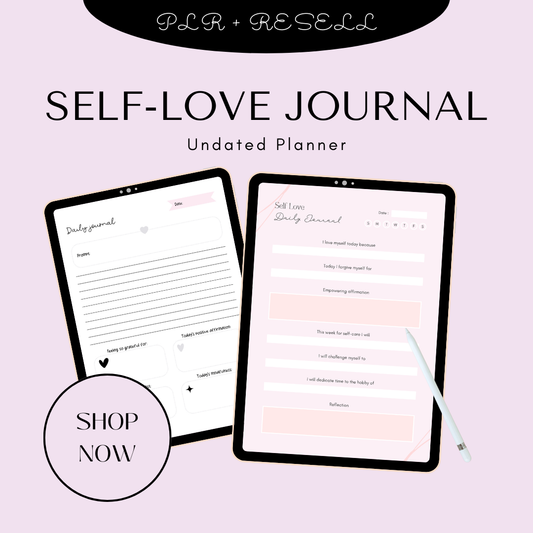
Educational content works because it gives the reader a reason to save the post before they've even finished reading it. Niche-specific kits like the Glow Lab Instagram content kit are built almost entirely around this format — breaking down skincare routines and tips into digestible, swipeable steps. If you're building educational content around personal growth or wellness themes, a self-love journal template set follows the same step-by-step logic.
3.2 Product Showcase & Sales Templates
Best for: Ecommerce sellers, digital product creators, Etsy shop owners, and PLR/MRR resellers.
Typical structure:
-
Slide 1: Hero shot + key benefit
-
Slides 2–7: Individual features with close-ups or use cases
-
Slide 8: Lifestyle or usage scenario
-
Slide 9: Testimonial or social proof
-
Slide 10: Price/offer + CTA (shop now, link in bio, DM to buy)
These templates exist to move a browser toward a buyer. Bundles like The Content Girl Collection are built specifically for this — pairing image and Reels assets so a product can be shown from multiple angles across a single content push. Seasonal sales moments benefit from a dedicated structure too, which is where something like a Black Friday collection comes in handy for time-sensitive promotions.
3.3 Before/After Transformation Templates
Best for: Fitness, design, home decor, marketing case studies, and skincare or beauty brands.
Typical structure:
-
Slide 1: Split before/after image + bold headline
-
Slide 2: Starting point details
-
Slides 3–7: Process or steps taken
-
Slide 8: Final results with metrics
-
Slide 9: Key lessons
-
Slide 10: CTA ("Want similar results? DM me / grab my template")
Transformation content performs well because it's inherently visual proof — readers don't have to take your word for it. Content kits built around skincare or beauty routines, like the Glow Lab kit mentioned above, are a natural fit here since before/after framing is core to that niche.
3.4 List & Tips Templates ("X Ways to…", "Y Tips for…")
Best for: Nearly any niche — this format is consistently one of the most saveable and shareable.
Typical structure:
-
Slide 1: Numbered promise ("7 Tips to…", "5 Mistakes to Avoid…")
-
Slides 2–8: One tip or mistake per slide with a short explanation
-
Slide 9: Summary or "most important" takeaway
-
Slide 10: CTA (save for later, follow for more, download checklist)
List-style carousels are a staple because they set expectations immediately — the reader knows exactly what they're getting and how long it'll take to get it. If you're researching what to build list content around, a roundup like 20 high-demand digital products to sell right now is a good example of this format applied to a content strategy itself, not just a product.
3.5 Quiz/Interactive Templates
Best for: Engagement, lead generation, and community building.
Typical structure:
-
Slide 1: Quiz title + instructions
-
Slides 2–6: Questions with multiple-choice options
-
Slide 7: Answer key
-
Slide 8: Scoring + interpretation
-
Slides 9–10: CTA ("Comment your score," "DM for full audit")
Interactive formats convert well because they require action mid-scroll, not just at the end. Bold, personality-driven template sets like the Positivity Pop Collection lend themselves naturally to this kind of playful, interactive format across Reels, posts, and Stories alike.
3.6 Reels Covers + Story Templates (Supporting Conversion)
While carousels and static posts drive saves and link clicks, Reels covers and Story templates support conversion indirectly by making your grid look cohesive and professional, and by directing traffic through link stickers and DM prompts.
Useful template types:
-
Reels cover templates with a clear title + benefit
-
Story templates with CTA frames ("Tap link," "DM 'TEMPLATE,'" "Vote now")
Dedicated Reels-first bundles, like those in the Reel Power Packs collection, are built specifically around this cover-plus-CTA structure. For bold, faceless-creator content that leans heavily on Reels and Stories, a pack like Glossed in Power applies the same principles without requiring the creator to appear on camera.

4. Where to Download Convertible Instagram Templates
Here's where to actually find (or build) the template types above — from ready-made bundles to free customizable libraries.
4.1 Resell Ready
What it offers: Ready-to-use, niche-specific Instagram template bundles — covering carousels, Reels covers, Stories, and full content kits — most with PLR/MRR licensing so you can use or resell them.
Why it converts: Every collection is built around the structural and design principles covered above (strong hooks, consistent branding, clear CTAs), rather than generic layouts you have to fully rebuild yourself. The Post Perfection collection focuses on static, carousel-first formats, while the Reel Power Packs collection covers Reels-specific cover and content templates.
Good starting points if you're exploring what's out there:
-
Canva digital products that sell like crazy — for a broader look at what performs well beyond just Instagram templates
-
100 digital products you can sell online in 2026 — a wider mega-guide if you're building out a full digital product catalog
-
The Ultimate Branding Course — useful if you want your templates to reflect a consistent brand identity rather than looking like generic downloads
-
Financial freedom through side hustles — for context on how reselling templates fits into a broader income strategy
4.2 Canva (Free + Pro)
What it offers: Tens of thousands of Instagram post, carousel, Story, and Reels cover templates.
Why it converts: Built-in correct dimensions, simple text and image swaps, and a huge variety of educational and product layouts to start from. Canva's dedicated Instagram templates library is a solid starting point, and its trending templates section is worth checking regularly since what performs shifts over time.
How to use: Search terms like "Instagram carousel tutorial," "product showcase Instagram," or "before after Instagram," then customize colors, fonts, and the CTA slide before downloading as PNG or PDF.
4.3 Later's Free Instagram Canva Template Pack
What it offers: 24 feed templates (posts, quotes, carousels, product, testimonials) plus 10 Reels covers.
Why it converts: Designed by a social marketing team, with dedicated product and testimonial templates well-suited to selling digital goods. Later's free template pack is a free download that opens directly in Canva for editing.
4.4 Hootsuite's 200+ Instagram Templates Roundup
What it offers: 15 post templates, 20 carousel templates across five themes, 72 Story templates, plus Reels, ad, and DM templates.
Why it converts: Includes specific structures built for carousels, ads, and DMs — formats that map directly onto sales funnels and lead capture, not just aesthetics.
4.5 Figma Community Instagram Templates
What it offers: Free Instagram post and carousel templates in Figma, better suited to more advanced designers or agencies building their own template systems.
Why it converts: Highly customizable at a component level, which makes Figma a strong option if you're building a branded template pack you plan to reuse repeatedly — or even resell. Browse the Figma Community's Instagram templates to see what's available.
4.6 CapCut, Picsart, Adobe Express, and Marketplace Sellers (Optional Extras)
-
CapCut: Offers free Instagram post and Reels templates with built-in AI tools — a strong option for video-first creators.
-
Picsart: Trending post, Story, and Reels templates that are fully customizable.
-
Adobe Express: Dozens of free Instagram post templates for fast customization.
-
Etsy sellers: Independent creators also sell niche template packs — shops like DigitalClipArtNest are worth browsing if you're after clip art or design assets to layer into your own templates rather than a full pre-built pack.
These are worth mentioning as supplementary sources, particularly if your audience skews toward video-first content or you're sourcing individual design assets rather than complete template systems.
5. How to Turn These Templates Into Converting Assets (Customization Framework)
Downloading a template is the easy part. Turning it into something that actually earns saves, shares, and clicks takes a bit more intention. Here's a simple four-step framework to follow.
Step 1: Choose the Right Template Type for Your Goal
Not every template type serves every goal, so start there:
-
Lead gen / digital product sales: Educational carousels, product showcases, before/after content
-
Community growth: Tips lists, myth vs. fact posts, quizzes
-
Direct sales: Product feature breakdowns, styling or usage carousels, testimonial templates
If you're still deciding what kind of content to build around, it's worth browsing options across formats — from ready-made carousel bundles like 30 Days of Digital Marketing Carousels to pre-written post packs like 200 Social Media Manager P&S or a set of 100 motivating and inspiring posts if your niche leans toward mindset or community content.
Step 2: Brand It Consistently
Once you've picked a template type, make it unmistakably yours:
-
Replace generic colors with your brand palette
-
Limit yourself to two fonts — one for headlines, one for body text
-
Keep logo placement identical across every slide
If you're creating original visuals rather than relying on stock imagery, AI prompt tools have become a fast way to build out consistent brand imagery at scale. Packs like the Icon Energy prompt pack are built specifically for premium, on-brand visuals, and the broader AI prompt packs collection covers a range of styles if you want more options to choose from. For creators wanting to go further into motion content, a guide like Motion Made Easy or the more advanced Midjourney Mastery Guide Collection walks through building cinematic AI visuals from scratch. If AI-assisted content creation is new territory for you, this rundown of 40 digital products you can create using ChatGPT or AI tools is a useful primer on what's possible beyond just imagery.
Step 3: Optimize Copy for Conversion
Design gets attention, but copy is what actually drives the action:
-
Slide 1: Lead with a clear benefit or curiosity gap ("5 Mistakes Killing Your Instagram Sales")
-
Middle slides: One idea per slide, minimal text, strong supporting visuals
-
Final slide: A specific CTA aligned with your goal — "Save this for later," "Follow for more digital product tips," "DM 'TEMPLATE' for my free checklist," or "Link in bio to grab the full pack"
If you're building templates specifically to sell — rather than just to post — it's worth understanding how buyers actually evaluate templates before purchasing. A resource like Canva Templates 101: How to Create and Sell Them for Profit breaks down that process, and Best Canva Templates for Small Businesses to Sell is a useful reference if you're building templates aimed at a small business audience specifically.
Step 4: Test and Iterate
Track saves, shares, and profile visits — not just likes. These are the metrics that actually reflect whether a template is converting. Note which template styles consistently earn the most saves and shares, and lean further into those formats rather than spreading effort evenly across every type.
6. Quick-Reference Resource List
For easy bookmarking, here's every resource mentioned throughout this guide:
Design & Structure Principles
Template Type Resources
Where to Download Templates
Broader Digital Product Guides
Bundles & Branding Tools
AI Visual Tools
7. Conclusion
Templates that convert aren't the ones that just look polished — they're the ones built on a clear structure: a hook that earns attention, a flow that keeps delivering value slide after slide, and a CTA that tells the reader exactly what to do next. Add consistent branding on top of that, and you've got a template that does more than fill your grid — it actually moves people to save, share, click, and buy.
You don't need to build this system from scratch. Pick one template type from this guide that matches your current goal, apply the four-step customization framework, and post it this week. Track what happens — not the likes, but the saves and shares — and let that tell you what to make next.
Frequently Asked Questions
1. What makes an Instagram template "high-converting" instead of just good-looking?
A high-converting template is built around structure, not just aesthetics. It has a strong hook on the first slide, a logical flow that adds value slide after slide, and a clear call-to-action on the last slide. Design matters too, but without that structural foundation, even a beautifully designed template won't drive saves, shares, or clicks.
2. Are free Instagram templates as effective as paid ones?
Free templates from platforms like Canva, Later, or Figma Community can absolutely convert well if you customize them properly — matching your branding and writing strong slide-by-slide copy. Paid or niche-specific bundles tend to save time because the structure and design work is already done for you, but the underlying principles (hook, flow, CTA) apply either way.
3. How many slides should an Instagram carousel have to convert well?
Most high-converting carousels run 8–10 slides. That's enough room to build out a problem, walk through steps or points, and land on a clear CTA — without dragging on so long that readers drop off before the swipe-through completes.
4. Do Instagram templates need to be different for Reels versus feed posts?
Yes, to an extent. Feed carousels are built for saves and shares through a slide-by-slide flow, while Reels covers and Story templates work more indirectly — making your profile look cohesive and prompting action through link stickers or DM prompts. Both should follow the same branding and CTA principles, just applied to a different format.
5. Can I use downloadable Instagram templates for my business or resell them?
It depends on the license attached to the template. Free platforms like Canva or Adobe Express are typically fine for personal or business use, but not for reselling as-is. If you want to resell templates, look specifically for packs with PLR (Private Label Rights) or MRR (Master Resell Rights) licensing, which are built for that purpose.
🎬 Want a visual walkthrough?
If you’d rather watch than read, here’s the full explainer video covering everything in this guide: