
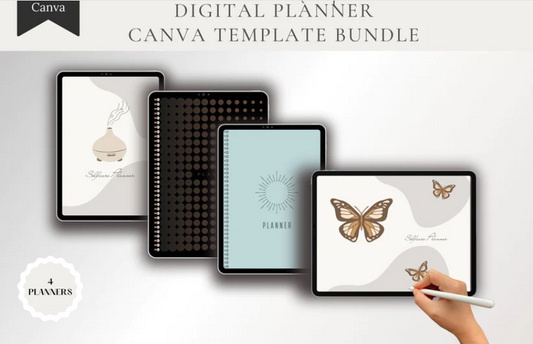
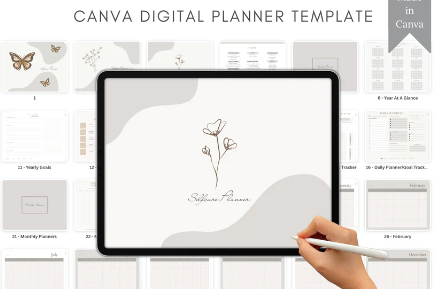



Chances are you’ve already bought a digital product without giving it a second thought. Maybe it was an ebook for your Kindle, a Canva template for your business, or an online course you signed up for late one evening. Digital products are now one of the most popular ways to earn money online, whether as a full-time business or one of the many side hustles that lead to financial freedom. There’s no inventory to store, delivery is instant, and the same product can be sold again and again.
🎥 Prefer watching instead of reading?
Watch the full step-by-step explainer video below.
In this guide, you’ll learn what digital products are, how they work from creation to checkout, the most common types, their pros and limits, how licensing works, and a simple real-world example. If you’re ready to go deeper after reading, our complete guide to digital products covers even more.
What Is a Digital Product?
A digital product is a non-physical item created once and delivered to customers electronically, usually through a download, email link, online portal, app, or streaming access. Common examples include ebooks, templates, online courses, software, music, and digital art.
What separates a digital product from a physical one is how it reaches the customer. A physical product has to be manufactured, stored, packed, and shipped every time someone places an order. With a digital product, all of that is replaced by electronic delivery. As Shopify and Ecwid both explain, digital products exist only in digital form and are delivered by download, email, or gated access. So the buyer gets a file or a login instead of a parcel at the door.
Key Characteristics of Digital Products
Digital products share a few traits that set them apart from physical goods:
-
Intangible: They are files, data, media, software, or online experiences, not physical objects.
-
Electronic delivery: Buyers receive them through download links, email, customer accounts, streaming, or gated platforms. Learn more in our guide to selling digital downloads.
-
No physical inventory: There’s no stock to store, restock, pack, or ship.
-
Repeatable sales: Once created, a product can be sold to hundreds or thousands of customers.
-
Instant or near-instant access: Customers usually get their purchase seconds after paying.
-
Global distribution: You can sell to buyers in the US, UK, Australia, and beyond without shipping limits, as long as you follow local laws and payment rules.
-
Low marginal cost: Delivering one more copy costs very little. That said, payment fees, hosting, customer support, and marketing still cost money, which is why knowing the right internet marketing tactics every digital seller should know matters as much as the product itself.
Common Types of Digital Products
Almost any skill, knowledge, or creative work can be turned into a digital product. Here are the most common types, with examples and how customers receive them:
|
Type |
Examples |
How customers receive it |
|
Downloadable files |
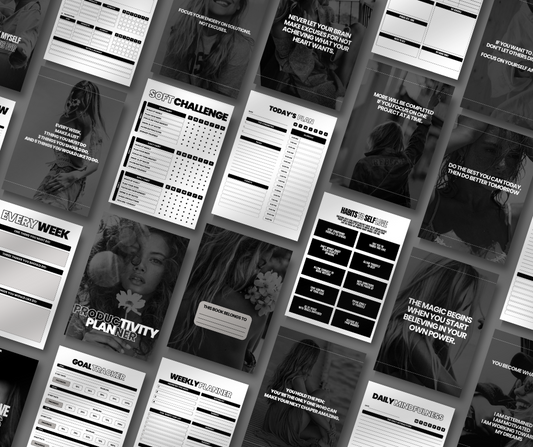
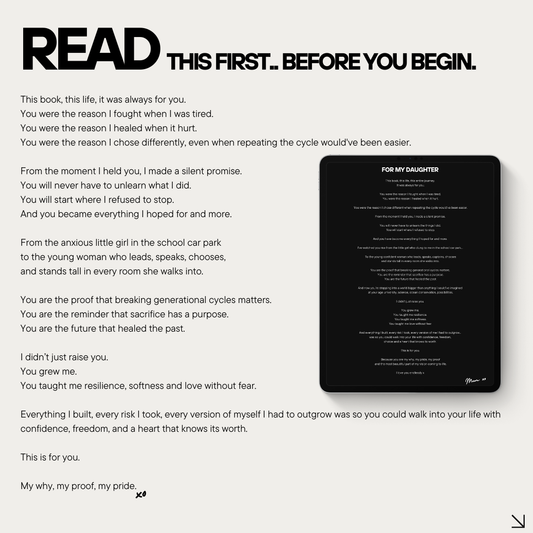
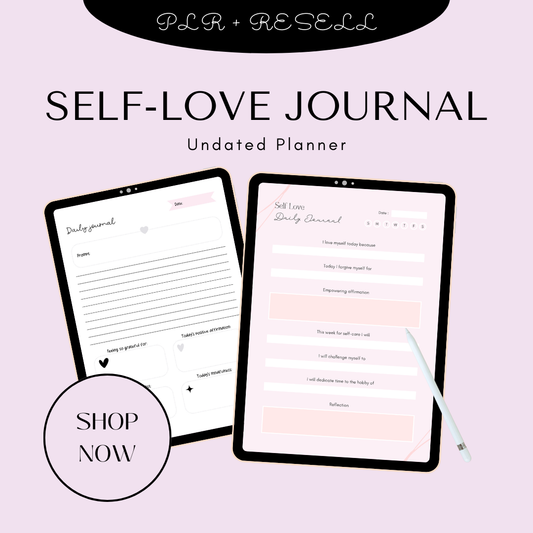
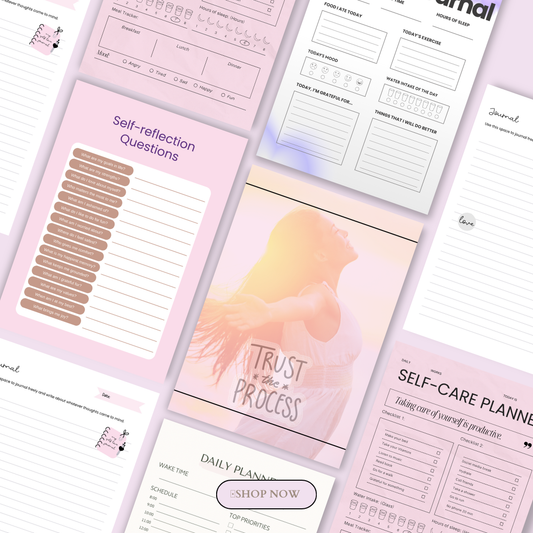
Ebooks, PDF guides, printables, digital planners, Canva templates, spreadsheets, presets, stock photos |
Download link or email delivery |
|
Online education |
Online courses like The Ultimate Branding Course with Master Resell Rights, workshops, webinars, masterclasses, coaching programs |
Course portal, video platform, or gated access |
|
Creative assets |
Digital art, illustrations, fonts, music, sound effects, video clips, Lightroom presets |
File download or asset library |
|
Software and tools |
Apps, plugins, themes, SaaS tools, scripts, automations |
License key, download, or account access |
|
Memberships and subscriptions |
Paid communities, content libraries, newsletters, premium resources |
Login access or recurring gated content |
|
Virtual goods |
Game items, avatars, NFTs, in-app assets |
Platform account or wallet-based access |
|
AI-assisted products |
Prompt packs, AI templates, custom GPTs, automated workflows |
File download, platform access, or tool access |
Ebooks and guides remain some of the easiest products to start with. A focused, problem-solving guide such as the Anti-Algorithm Growth Guide shows how one well-written PDF can deliver real value to buyers and steady sales to sellers. According to Checkout Page, most digital products fall into three broad groups: downloadable files, access-based products, and tools or workflows. Many sellers combine more than one type to build a bigger, more valuable offer.
How Do Digital Products Work?
Digital products follow the same basic process whether you sell on Etsy, Gumroad, Shopify, WooCommerce, or your own website. Here’s how it works, step by step:
-
Create the product. Develop an ebook, course, template, design asset, software tool, or other digital offer that solves a clear problem for your buyer.
-
Package and price it. Organise it into a usable format, such as a PDF, ZIP file, video course, template link, or software licence, then set the price, product description, licence terms, and refund policy.
-
List it for sale. Add the product to a marketplace or online store. Shopify, for example, explains in its guide to digital products that sellers can mark items as digital so no shipping charges apply, and Elementor’s overview of digital products shows how to sell them from your own WordPress site.
-
The customer completes checkout. The buyer chooses the product, pays through a payment processor, and receives an order confirmation.
-
Delivery is automated or manual. After payment, the platform emails a secure download link or gives access through a customer account. The Shopify Help Center on digital downloads explains how automatic delivery and download limits work.
-
The customer uses the product. They download the file, log into the course or membership area, install the software, or open the access link.
-
The seller provides support and updates. Successful sellers still handle customer questions, troubleshooting, updates, and licence management, and keep promoting their products with a solid plan like this online marketing starter guide for digital product sellers.

How Customers Access Digital Products
According to Checkout Page’s breakdown of digital products, there are three main delivery models:
-
Download-based products: The buyer receives a file, such as a PDF, ZIP archive, MP3, video, or design template. Even clipart and other small digital downloads can earn big profits this way.
-
Access-based products: The buyer gets login access to a course, membership, community, dashboard, or content library.
-
Tool-based products: The buyer receives software, an app, a licence key, or access to an online tool or automation.
Many products combine these models. A paid Notion template, for example, might include a downloadable PDF guide, a duplicate link to the template, and a bonus video tutorial.
Digital Products vs. Physical Products
|
Factor |
Digital products |
Physical products |
|
Form |
Files, software, media, or online access |
Tangible goods |
|
Delivery |
Download, email, portal, streaming, or app access |
Shipping and logistics |
|
Inventory |
None required |
Stock must be produced and stored |
|
Marginal cost |
Usually low after creation |
Materials, production, and fulfilment costs continue |
|
Delivery speed |
Often instant |
Depends on shipping time |
|
Main challenges |
Piracy, refunds, updates, support, platform rules |
Inventory, shipping, returns, storage, damaged goods |
|
Scalability |
High, the same product can be delivered repeatedly |
Limited by stock and fulfilment capacity |
As Sellvia’s guide to digital products points out, the biggest difference comes down to delivery: digital products skip the warehouse and the post office entirely, which is why they scale so much faster.
Why People Sell Digital Products
Creators and small business owners love digital products because they’re scalable and low-overhead. Once a product is made, there’s nothing to manufacture or ship for each new sale.
They also work brilliantly for niche audiences:
-
A designer can sell Instagram social media templates that convert to small business owners.
-
A teacher can sell printable planners for teachers.
-
A photographer or illustrator can sell digital art online or Lightroom presets.
-
A marketer can sell an SEO checklist or Notion dashboard.
If you create content, this guide to digital products for content creators in 2026 shows exactly what’s selling right now. Just remember: “low overhead” doesn’t mean “no work.” Research, creation, design, marketing, and customer support all take time.
Advantages and Limitations
Advantages
-
No inventory, warehousing, or shipping
-
Automated delivery and passive-style income potential
-
Easy to sell to buyers in the US, UK, Australia, and worldwide
-
Can be updated or expanded after launch
-
Suits creators, educators, designers, coaches, and software builders. You can even sell visual assets like an AI image collection
Limitations
-
Piracy and unauthorised sharing
-
Customers expect fast support, updates, and fair refunds
-
Marketplaces charge listing, transaction, or payment-processing fees
-
Heavy competition in popular niches like planners, templates, and ebooks
-
Tax, licensing, and consumer-protection rules vary by location
Licensing and Usage Rights
When someone buys a digital product, they usually get a licence to use it, not full ownership. The most common licence types are:
-
Personal-use licence: For personal use only. No reselling or redistribution.
-
Commercial-use licence: Can be used in client work or business projects, depending on the terms.
-
Extended commercial licence: Broader rights, often covering use in products made for resale.
-
PLR or resell-rights licence: The buyer may modify, rebrand, or resell the product, depending on the exact terms.
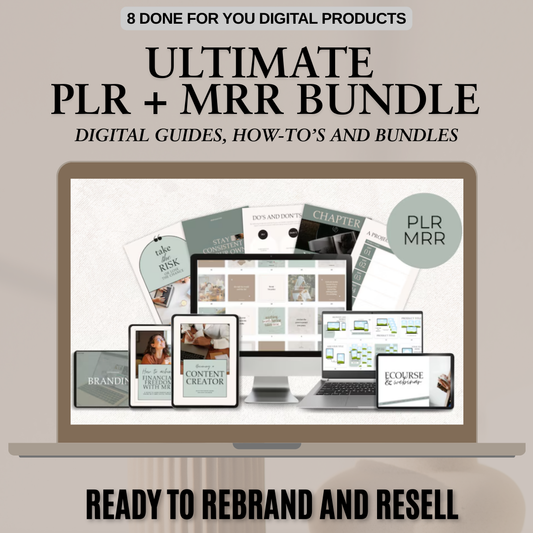
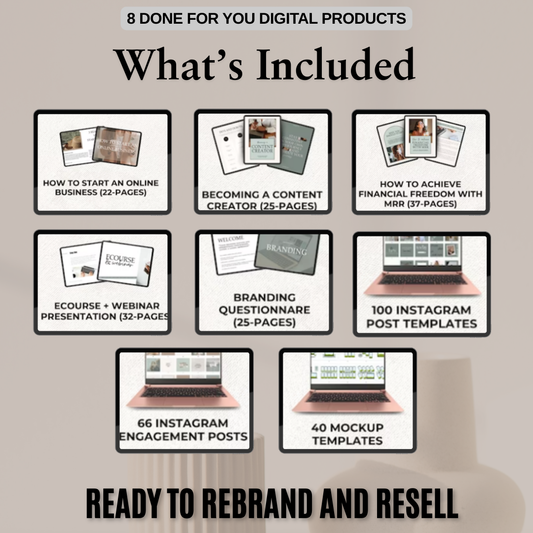
PLR (Private Label Rights) and Master Resell Rights products are one of the fastest ways to start selling without creating from scratch. You get a finished, professionally made product, add your own branding, and keep 100% of the profits. Explore themed bundles like Words That Sell, Plan & Prosper, and Build Your Digital Empire, or browse all our ready-to-rebrand PLR products.
Tip: Whatever you sell, clearly state what buyers can and can’t do with it. This reduces disputes and protects your work.
Simple Example: Selling a Canva Template Pack
Here’s how a $15 Instagram template pack works in practice:
-
Design 30 Instagram post templates in Canva.
-
Export a PDF with the template links and a short how-to guide.
-
List the pack on Gumroad, Etsy, or Shopify.
-
A customer pays online.
-
The platform automatically sends a download link.
-
The customer opens Canva, duplicates the templates, and uses them for their business.
-
You sell the same pack again and again, with no new product to make for each buyer.
Taxes and Legal Considerations
Tax rules for digital products differ by country and even by state. In the United States, for example, the Multistate Tax Commission defines a “digital good” as software or another good delivered electronically, such as sounds, images, data, or information.
Because rules change from place to place, check your local sales tax, VAT, GST, and consumer-protection requirements, or speak with a qualified tax professional before you start selling.
Frequently Asked Questions
Are digital products profitable?
Yes. With no inventory or shipping costs, digital products often have much higher profit margins than physical goods. Your results depend on product quality, pricing, and marketing.
What digital products sell best?
Templates, planners, printables, online courses, digital art, and done-for-you business resources are consistent best-sellers because they save buyers time.
Do I need a website to sell digital products?
No. You can start on Etsy, Gumroad, or Payhip. A website gives you more control and long-term SEO benefits.
Is it legal to sell PLR products?
Yes, as long as you follow the licence that comes with the product.
Final Thoughts
So, what are digital products? They’re non-physical items created once and delivered electronically through downloads, email links, portals, apps, or streaming. You create or source the product, list it, get paid, and let automated delivery do the rest.
Ready to launch without starting from scratch? Start your digital product business with Resell Ready today.
🎬 Want a visual walkthrough?
If you’d rather watch than read, here’s the full explainer video covering everything in this guide: