






You can have a store full of brilliant digital products and still make zero sales if the right buyers never find them. That’s the hard truth most new sellers learn after launch day goes quiet. Internet marketing is what closes that gap between a great product and a steady stream of buyers.
The sellers who grow consistently don’t pin their hopes on a single channel. They build a connected system where SEO, content, email, social media and data all work together, so each tactic strengthens the next. If you want the big-picture roadmap first, start with this complete 90-day digital marketing strategy for digital product businesses.
In this guide, you’ll learn 11 proven internet marketing tactics every digital seller should know, each with practical steps and real examples you can put to work this week.
What Is Internet Marketing for Digital Sellers?
Internet marketing for digital sellers is the process of using search engines, content, email, social media, paid ads and partnerships to attract the right buyers, build trust and turn interest into repeat sales. It covers every online activity that brings customers to your products.
It works hand in hand with website marketing. Your website is where the sale happens, while internet marketing is everything that sends qualified buyers there. As the American Marketing Association explains, it starts with understanding your audience and reaching them where they already spend time online.
The best results come from treating it as a system: SEO and content attract buyers, social media builds trust, email nurtures leads, social proof removes doubt, paid online advertising scales what already works, and analytics improve every stage. For digital downloads, with no shipping and instant global delivery, this system can run around the clock.
1. Start With a Specific Audience and Offer
Before you promote anything, get clear on exactly who your product is for. “People who like planners” is too broad to market to. “Freelance designers who need a client onboarding template” gives you a clear buyer, a clear problem and a clear message.
Start by researching your ideal customer’s goals, frustrations, budget and favorite platforms. Read product reviews, run quick surveys and study social media conversations to spot buying patterns. Choosing from high-demand niches for PLR digital products gives you a head start, because the demand is already proven. If you’re still deciding what to sell, browse this mega guide of 100 digital products you can sell online or these 40 digital products you can create with ChatGPT and AI tools.
Next, write a clear value proposition that states what buyers get, the outcome they can expect and why your product beats the alternatives. Webflow recommends pairing this with SMART goals so every tactic you run has a measurable target.
Finally, match your offer to the buyer’s stage:
-
Cold audiences: a free checklist or a sample from one of your AI prompt packs
-
Warm leads: a low-cost template or planner
-
Existing customers: premium offers such as masterclasses or the Ultimate Branding Course with Master Resell Rights
This foundation matters because every tactic that follows depends on knowing exactly who you’re talking to.
2. Use SEO to Attract Buyers With Intent
Search engine optimization puts your product pages, blog posts and landing pages in front of people who are actively searching for what you sell. For digital sellers, it’s one of the most valuable internet marketing tactics because it delivers long-term, low-cost traffic that keeps growing month after month.
Focus on these core SEO tactics:
-
Buyer-intent keywords: Target phrases like “printable budget planner,” “Canva Instagram templates” or “Notion business dashboard,” where the searcher is ready to buy.
-
A dedicated landing page per product: Use a descriptive title, benefit-led headings, product previews, FAQs and a clear call to action.
-
Supporting blog content: Answer the questions your buyers search for, such as which platform to use. A guide like our comparison of the best digital product marketplaces attracts sellers at the research stage.
-
On-page optimization: Write strong titles and meta descriptions, add image alt text, use internal links and keep pages fast on mobile.
-
Topic clusters: Link one pillar page to related posts so search engines see you as an authority on the subject.
HubSpot’s internet marketing guide also recommends optimizing for answer engines (AEO), so clear, direct answers help you appear in AI-powered search results too.
SEO takes patience, but it pays off. Resell Ready ranks #1 on Google USA for competitive terms such as “PLR digital products,” “done for you digital products” and “ultimate branding course,” built through one consistent strategy over time.
3. Build an Email List You Own
Social platforms can change their algorithms, limit your reach or suspend your account overnight. Your email list is the one marketing channel you truly own, giving you direct access to buyers who have already shown interest.
Start with a relevant lead magnet: a mini-template, checklist, sample planner page or a free sample from one of your AI prompt packs. Then put these essentials in place:
-
A welcome sequence that introduces your brand, highlights your best products and offers a first-purchase incentive.
-
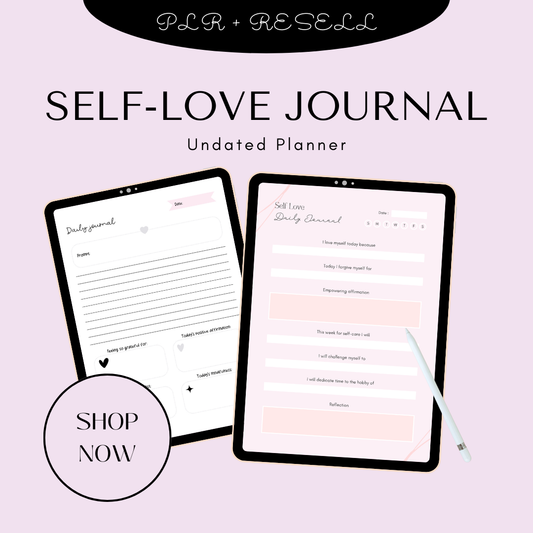
Segmentation by interest or purchase history. For example, a subscriber who downloaded the Self-Care SOS Kit is a natural fit for The Self-Love Workbook, not a business template.
-
Automated flows for launches, abandoned carts, seasonal offers and upsells.
Track open rate, click rate, conversion rate and revenue per subscriber to improve every campaign.
Example: A wedding-planner seller offers a free “Wedding Budget Checklist,” then sends a short sequence showing how the full planner saves time and reduces stress.
4. Create Content That Demonstrates Value
Content marketing means creating genuinely useful material that helps potential customers while gently guiding them toward your products. It builds authority and gives buyers a reason to trust you before they spend a cent. As Johnson & Wales University’s Digital Marketing 101 guide notes, blogs, videos and tutorials are central to modern digital marketing.
High-converting formats include:
-
Tutorials showing your product in action, such as a walkthrough of the Midjourney Mastery Guide Collection creating a finished AI visual
-
Before-and-after mockups of templates and planners in use
-
Short “quick win” videos, like “Create a sales page in Canva in five minutes”
-
Comparison guides, such as our review of the best services to sell digital products online
-
Case studies and customer results, shared with permission
Repurpose each piece: one blog post can become an email, a short video, a carousel and a Pinterest pin. For deeper training content that positions you as an expert, our masterclasses give you ready-made material to teach from and resell.
The goal isn’t to publish constantly. It’s to answer real buyer questions that lead naturally to a product you sell.

5. Use Social Media for Discovery and Trust
Social media helps digital sellers reach new audiences, preview products and build a recognizable brand. The key is to show your product in use rather than posting static images. A scroll-through of the pages inside a coping with grief ebook and workbook, for example, tells buyers far more than a cover image ever could.
Use each platform’s native formats: Instagram Reels and carousels, TikToks, YouTube Shorts and Pinterest pins. Share customer results, behind-the-scenes creation and practical tips. Stick to a consistent posting calendar so your audience knows when to expect you, and include a clear next step in every post, whether that’s visiting a product page, grabbing a freebie or joining your email list.
Don’t overlook Pinterest. It works as a visual search engine, which makes it ideal for printables, templates and planners. Fresh, keyword-rich pins linking straight to products like The Planner Collection can drive traffic for months after you post them.
6. Run Paid Ads Only After Your Offer Converts
Paid advertising can accelerate growth, but it amplifies what already works. It won’t fix a product page that doesn’t convert. Before spending on Google, Facebook, Instagram or TikTok ads, make sure your page converts visitors organically and your email sequence nurtures leads.
When you’re ready, keep it focused:
-
Set one clear objective per campaign, such as email sign-ups or purchases.
-
Test one variable at a time: audience, creative, headline or offer.
-
Send traffic to a focused landing page, never a cluttered homepage.
-
Use retargeting to re-engage visitors who viewed a product but didn’t buy.
Track cost per lead, return on ad spend (ROAS), conversion rate and customer lifetime value. For a platform-by-platform breakdown, read our guide to online advertising for digital products and what’s worth the spend.
7. Use Social Proof, Honestly
Digital products are intangible. Buyers can’t pick them up or flick through the pages before paying, so they look for reassurance from people who already have. Reviews, testimonials, screenshots and customer examples make your product feel real and remove hesitation.
-
Ask buyers for short, specific reviews a few days after delivery.
-
Share how customers use your product, with their permission.
-
Place ratings, testimonials and previews near the buy button.
-
Encourage customers to tag you on social media with their results.
Trust is also an ethical and legal matter. Avoid exaggerated income or outcome claims, keep refund and license terms easy to find, and disclose affiliate links, sponsorships and incentivized reviews. The FTC’s online advertising and marketing guidance advises businesses to state the details of any deal clearly and up front.
8. Partner With Affiliates and Micro-Influencers
Affiliate and influencer marketing lets other people promote your products in exchange for a commission, fee or free access. It puts your offer in front of established audiences without you creating every piece of promotion yourself.
Choose partners whose audience closely matches your buyer, and make promoting you easy with ready-made assets: product images, demo videos, email copy and tracked discount codes. Engaged micro-influencers in your niche usually outperform large accounts with weak engagement.
Example: A Notion-template seller partners with productivity creators who already teach their followers how to organize their work.
Master resell rights add another layer. Your buyers can resell the products themselves, turning customers into promoters while they build their own side hustle toward financial freedom.
9. Optimize the Buying Experience
Internet marketing brings people to your store, but website marketing is what turns those visits into sales. A clean, mobile-friendly site improves the user experience and supports stronger search performance at the same time.
Get these conversion essentials right:
-
A benefit-led headline that states the main outcome.
-
Multiple previews showing what’s included and how it’s delivered.
-
FAQs that answer objections on file format, compatibility, refunds, license terms and support.
-
A simple checkout with few form fields and mobile-friendly payment options.
-
Honest urgency, such as a real launch deadline or limited bonus, never fake scarcity.
Clear collection pages help too. Our Shop All collection of MRR products lets buyers browse everything in one place. Follow up with abandoned-cart emails and post-purchase onboarding, and if you’re setting up your store from scratch, this step-by-step guide to selling digital products online walks you through it.
10. Grow Revenue With Upsells, Bundles and Retention
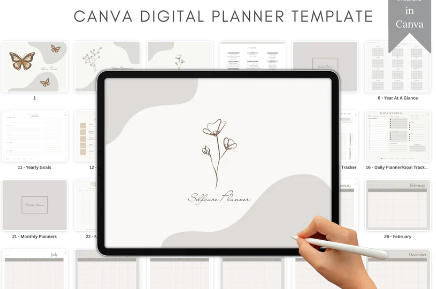
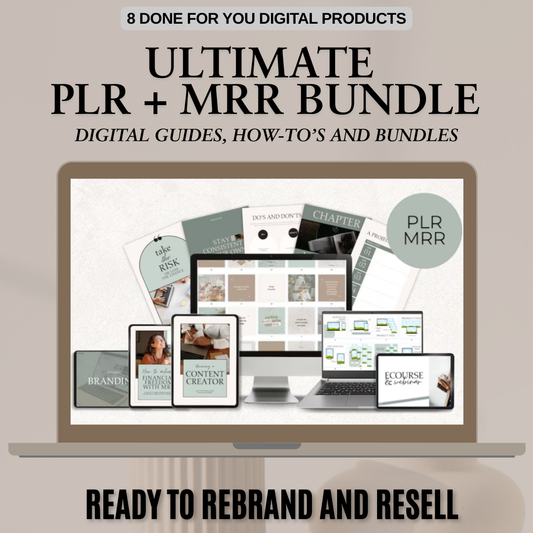
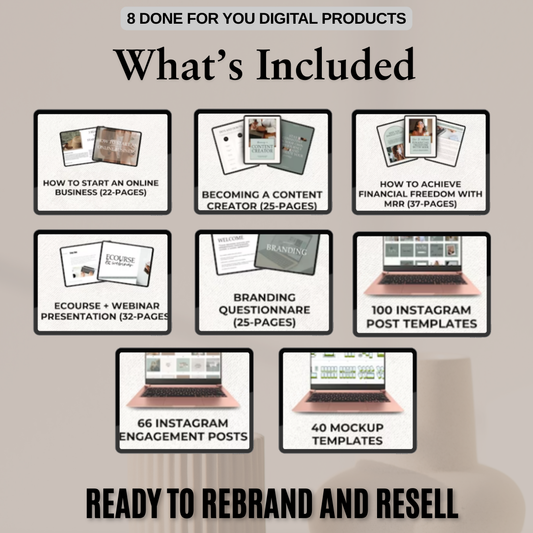
Selling again to an existing customer is usually easier than winning a new one. Increase average order value and lifetime value by offering three tiers: a basic product, a premium version and a bundle. Themed bundles such as the Naomi Bundle or the Money Mindset Collection give buyers more value in one purchase, and Canva digital products like templates and planners are easy to package together.
Add complementary upsells at checkout. Someone buying a “Freelance Client Onboarding Kit” may also want proposal, invoice and contract templates. For your most committed buyers, a premium offer like the Ultimate Branding Course is a natural next step.
Plan seasonal promotions too, such as a January push for the New Year New Me Collection, plus launch bonuses and referral rewards. Wix’s ecommerce marketing guide highlights upsells and referrals as key revenue drivers.
11. Track Performance and Improve Continuously
Data-driven marketing means acting on evidence, not guesses. Every tactic should connect to a measurable KPI, as Elementor’s internet marketing strategies guide emphasizes.
|
Tactic |
Primary Metric to Track |
|
SEO |
Organic traffic, keyword rankings, product-page conversions |
|
|
Subscriber growth, open rate, click rate, revenue per email |
|
Social media |
Reach, engagement, profile clicks, link clicks |
|
Paid ads |
Cost per lead, conversion rate, return on ad spend |
|
Affiliates |
Partner sales, refund rate, commission cost |
|
Product pages |
Conversion rate, add-to-cart rate, abandoned-cart rate |
Follow a simple improvement loop: measure your results, analyze what performed best and worst, test one change, then repeat.
Frequently Asked Questions
What is the best internet marketing tactic for digital products?
There’s no single best tactic. SEO and email marketing usually deliver the strongest long-term returns for digital sellers, but they work best combined with content, social proof and analytics. For more ideas, see these 10 digital product marketing strategies that actually work.
What’s the difference between internet marketing and website marketing?
Website marketing focuses on your own site: its design, SEO, product pages and checkout. Internet marketing is broader, covering every online channel that sends buyers there, including social media, email, ads and partnerships.
Do I need paid ads to sell digital products online?
No. Many sellers grow through SEO, Pinterest, email and organic social content alone. Ads help scale an offer once it already converts. If you’d rather not chase algorithms, the Anti-Algorithm Growth Guide shows how to build a brand that grows on its own terms.
How long does internet marketing take to show results?
Paid ads and social posts can drive traffic within days. SEO typically takes several months to build momentum, but its results compound and last far longer.
Can I market MRR or PLR products without a big audience?
Yes. Start with a specific niche, SEO-optimized product pages, Pinterest and a simple email list. Ready-made MRR products save you creation time, so you can put all your energy into marketing.
Conclusion
The most successful digital sellers treat internet marketing as one connected system: attract buyers with SEO and content, build trust with social media and social proof, nurture leads with email, convert with a smooth buying experience, and measure everything. Start with your audience, SEO and email, then layer in the rest as you grow. As Shopify’s internet marketing guide shows, the channels work best together.
Want more time for marketing and less time creating? Shop all our ready-to-sell MRR products and start building your store today. Ready to build a brand that stands out? Explore the Ultimate Branding Course with Master Resell Rights.