


Introduction: The Digital Product Landscape Has Shifted — Here's What's Actually Selling in 2026
Not long ago, the formula for selling digital products was simple: create an ebook, upload it, and wait. That model still exists — but it's no longer what's winning.
In 2026, the buyers have changed. They're not just looking for information anymore. They want results, personalisation, and community. They want products that solve a specific problem for their life — not a one-size-fits-all PDF that covers everything and delivers nothing.
🎥 Prefer watching instead of reading?
Watch the full step-by-step explainer video below.
So what does that mean for you as a digital product creator?
It means the opportunity is bigger than ever — but only if you know what's actually selling.
This list isn't based on guesswork or recycled "passive income" advice. It's built from real sales data, 2026 platform trend reports, and creator transaction analysis — including data from Insight Agent's real-sales tracking, Printful's 2026 digital product guide, LinkedIn's digital product trend analysis, Fikrago's 30 top digital product trends, Whop's creator platform data, and Getly's demand-rated product idea database.
Whether you're just getting started or looking to add your next offer to an existing shop, this breakdown will show you exactly where buyer demand is sitting in 2026 — and what types of products are generating the highest margins.
New to digital products entirely? Before diving into what's selling, it helps to understand the fundamentals. Check out this complete beginner's guide to digital products to get up to speed quickly.
Here's a quick look at the top categories we'll cover:
-
Planners, Notion templates, and productivity systems
-
AI-enhanced products and prompt packs
-
Online courses, microlearning, and memberships
-
Business templates, spreadsheets, and dashboards
-
Design assets, printables, and digital art
-
Website themes, funnels, and creator tools
-
Health, finance, and lifestyle digital products
-
Ebooks and ebook bundles
Let's get into it.
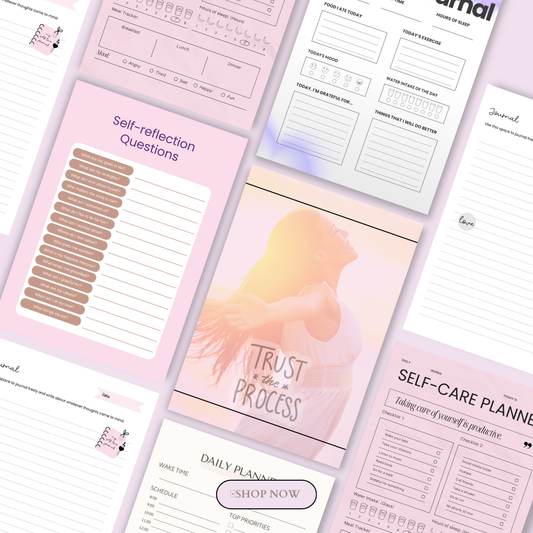
#1: Planners, Notion Templates & Productivity Systems
Why it leads the list: This category has something rare in the digital product world — it's consistently profitable, broadly accessible, and spans multiple buyer niches all at once. Whether your audience is busy mums, classroom teachers, side-hustle entrepreneurs, or students trying to stay organised, planners and templates speak to all of them.
And the data backs it up.
Printful's 2026 digital product guide names planners, trackers, and productivity templates "some of the most profitable digital products" available — specifically because they save buyers significant time and can be delivered at scale with virtually zero fulfilment cost. Insight Agent's real-sales data platform consistently places this category among the top performers on digital marketplaces, confirming that demand isn't a trend — it's structural.
What's Actually Selling in This Category
The key shift in 2026 is niche specificity. Generic "daily planners" and "all-in-one life OS" templates are increasingly crowded. What's cutting through the noise are problem-specific products built for a defined audience:
-
ADHD daily planners — structured around how ADHD brains actually work, not how productivity gurus wish they did
-
Mum schedule planners — balancing school runs, work, self-care, and household management in one system
-
Teacher lesson planners — curriculum-aligned, time-saving, and editable for different year levels or subjects
-
Notion life OS templates — second-brain systems, student study hubs, and content creator dashboards
-
Social media content planners — Canva-based content calendars built for small businesses and solo creators
-
Business launch planners — step-by-step planning frameworks for new product launches or business setup
The profit margins in this category are among the best in digital products — estimates from Insight Agent put business-focused templates and productivity systems at 90–95% margins, since the product is created once and sold repeatedly without any additional cost per sale.
The 2026 Shift: Niche Beats Generic, Every Time
If you've been thinking about creating a planner, the single most important decision you'll make is who it's for. A planner designed specifically for a homeschool mum of three will outsell a general "family organiser" in the same niche — not because it's more complex, but because it speaks directly to a real, specific person with a real, specific problem.
LinkedIn's 2026 digital product trend analysis confirms this explicitly, listing planners and Notion templates as a "key climbing category" and noting that buyers in 2026 are overwhelmed by options. Niche, problem-specific products win because they remove the buyer's need to adapt a generic product to their situation.
Ready to create your first planner or template? Here's a step-by-step process for making digital products in 2026 that walks you through the entire creation workflow — from idea to finished file.
Platform Breakdown: Where to Sell Planners and Templates
Different platforms suit different formats and audiences:
-
Etsy — ideal for printable planners, PDF downloads, and Canva templates. Buyers here are often looking for ready-to-use products at accessible price points ($5–$35 AUD/$3–$25 USD).
-
Gumroad — a strong choice for Notion templates, digital bundles, and higher-ticket productivity systems. Lets you build a direct audience.
-
Your own website or Shopify store — best long-term strategy for building brand equity and keeping more of your revenue. Tools like Resell Ready's digital product shop show how a branded digital storefront can work alongside marketplace listings.
-
Creative Market — popular for design-forward templates including social media kits and Canva-based business assets.
What to Charge
Pricing in this category varies significantly by format and depth:
|
Product Type |
Typical Price Range (USD) |
Typical Price Range (AUD) |
|
Single printable planner |
$3–$12 |
$5–$18 |
|
Canva social media template pack |
$15–$45 |
$22–$68 |
|
Notion life OS or dashboard |
$19–$67 |
$28–$100 |
|
Business system bundle (SOPs + templates) |
$47–$197 |
$70–$295 |
Bundling related planners and templates together is one of the most effective ways to increase your average order value without creating more products from scratch. A "teacher starter kit" combining a lesson planner, grade tracker, and parent communication template pack is more compelling — and more profitable — than selling each piece individually.
Curious what other high-performing digital products look like beyond planners? Browse through 100+ digital product ideas you can sell online in 2026 for a comprehensive breakdown across every major niche.
Real-World Example: What a Strong Planner Listing Looks Like
The best-selling planner products on digital marketplaces in 2026 share a few characteristics:
-
A specific title that names the audience — "ADHD Weekly Planner for Adults," not "Minimalist Planner"
-
Editable format — buyers strongly prefer Canva templates and Notion duplicates over fixed PDFs
-
Clear outcome in the description — "Plan your week in 15 minutes" beats "12 pages of planning space"
-
Visual mockups — lifestyle images showing the planner in use convert significantly better than plain product shots
-
Regular updates — shops that update listings and add new versions maintain Etsy algorithmic favour
Who This Category Is Best For
Planners and templates are the ideal starting point if you:
-
Are new to digital products and want a low-barrier, high-margin entry point
-
Already have an audience in a specific niche (parenting, teaching, business, wellness)
-
Want a product that sells on autopilot with minimal customer support
-
Are building toward a larger product suite or membership — planners make excellent lead magnets and low-ticket offers
If you're not sure yet where to start selling, this ultimate guide to selling digital products online covers every major platform and sales strategy in detail.
More sections coming in this series — covering AI-enhanced products, online courses, business spreadsheets, design assets, and the full 2026 trends breakdown.
#2: AI-Enhanced Products, Prompt Packs & Automations
Let's be direct: this is the single biggest opportunity in digital products right now.
Not because AI is a buzzword — but because buyer demand is genuinely outpacing supply, and new sub-niches are emerging every month. LinkedIn's 2026 digital product trend analysis lists AI-enhanced products as the number one trending digital product category this year. Fikrago's 30 Top Digital Product Trends report calls it "explosive." Getly's 2026 digital product ideas database flags AI prompt suites and automation systems as high-demand with manageable creation difficulty — meaning the barrier to entry is still low compared to what the market is willing to pay.
And here's the part that surprises most people: you don't have to be a tech person to profit from this category.
The buyers in this space aren't looking for code. They're not looking for software. They're looking for someone who already knows how to use AI tools well — and has packaged that knowledge into something they can pick up and use immediately. That's a skill most creators, teachers, coaches, and small business owners already have or can develop quickly.
Why This Category Is Exploding in 2026
Think about what AI tools actually look like from the buyer's perspective. Someone opens ChatGPT with a vague idea of what they want to achieve and stares at a blank prompt box. They might type something, get a mediocre result, and give up — or they might spend hours trying to figure out why it isn't working the way they hoped.
That frustration is a product opportunity.
Buyers don't want blank prompts. They want done-for-you workflows — pre-tested, pre-structured systems that they can drop into their existing process and get results from immediately. Google's Think With Google 2026 trend predictions reinforce this, noting that AI is fundamentally reshaping how consumers search, create, and consume content — which in turn is generating sustained demand for AI helpers, assistants, and shortcut systems.
The result? People are actively spending money on anything that closes the gap between "I have access to AI" and "I'm actually getting results from AI."
If you're exploring what kinds of digital products fit this space, this list of 50 digital product examples you can start selling today is a strong starting point — several of the ideas there are naturally AI-enhanced.
Winning Formats in the AI Digital Products Category
ChatGPT prompt suites and prompt systems
These go beyond a simple list of prompts. The best-selling prompt products in 2026 are structured systems — a suite of prompts organised around a specific workflow or outcome. Examples include:
-
SEO blog writing prompt frameworks (research → outline → draft → optimise)
-
Content repurposing workflows (long-form post → email → social captions → Reels script)
-
Ad copy QA systems (write → test variation → refine → review against brand voice)
-
Email sequence builders for product launches, lead nurture, or onboarding
-
Lesson planning prompt packs for teachers and educators
The more niche the prompt pack, the higher the perceived value — and the less competition you face. A "ChatGPT prompt pack for Etsy sellers" will outsell a "500 ChatGPT prompts" megapack every single time, because it speaks to a specific person with a specific problem.
AI-assisted planners and templates
This is where the AI and planner categories converge — and it's one of the strongest crossover opportunities in 2026. An AI-assisted planner is a traditional planner (daily scheduler, content calendar, business launch tracker) that's been enhanced with embedded AI prompts, fill-in-the-blank chat instructions, or workflow guides that show the buyer exactly how to use ChatGPT to get more from the system.
According to trend data, AI-assisted planners grew approximately 320% in demand on digital marketplaces, with price points sitting comfortably in the $15–$35 range. If you already sell planners, adding an AI prompt layer to your existing products is one of the fastest ways to increase their value and justify a price increase.
Curious whether AI-powered planners are worth adding to your shop? Read this breakdown: AI-Powered Planners — The Future of Productivity
Automation workflows and SOP bundles
Small businesses and solo operators are desperately looking for ways to systematise their work using AI. Products that package a complete automation workflow — from the trigger to the output, with AI steps clearly mapped out — are commanding premium prices because they save buyers hours of trial and error.
Popular formats include:
-
Content scheduling automation systems
-
Lead generation workflow templates with AI steps
-
Automated email sequence builders
-
Social media repurposing SOPs with AI tools integrated
Micro-SaaS tools and niche AI tools
At the more advanced end, creators with technical skills are building lightweight AI-powered tools — lead magnet generators, ad creative testing dashboards, automated reporting templates — and selling them as one-time downloads or low-cost subscriptions. This is higher effort to build but also commands significantly higher prices and has a longer product lifespan.
Buyer Psychology: What Makes AI Products Convert
There are two versions of AI products that don't sell well: ones that are too vague ("100 AI prompts") and ones that are too complex ("complete automation system requiring 6 integrations"). The sweet spot is:
-
Specific outcome: the buyer knows exactly what result they'll get
-
Low activation energy: they can open it and use it within minutes
-
Pre-tested: ideally, the product page shows the actual output the prompts produce
-
Niche-matched: built for their industry, role, or platform — not for everyone
The most successful AI product creators right now treat their prompt packs and workflow systems the same way a good course creator treats their curriculum — they show the transformation first, then sell the system that creates it.
Not sure where done-for-you digital products fit into your business model? This guide on done-for-you digital products explains exactly how to leverage pre-made products to build income faster.
Where to Sell AI-Enhanced Digital Products
-
Gumroad — the dominant platform for prompt packs, AI toolkits, and creator-focused automation systems. Lower competition than Etsy for this category.
-
Etsy — growing rapidly for AI-assisted planners and AI prompt packs, especially in the productivity and business niches.
-
Your own store — gives you full control over pricing, bundling, and audience building. Increasingly important as this category matures.
-
Marketplaces like Whop and Lemon Squeezy — popular with the creator and solopreneur audience who are most likely to buy AI workflow products.
What to Charge
|
Product Type |
Typical Price (USD) |
Typical Price (AUD) |
|
Single niche prompt pack (20–50 prompts) |
$9–$27 |
$14–$40 |
|
Full prompt system with workflow guide |
$27–$67 |
$40–$100 |
|
AI-assisted planner or template |
$15–$45 |
$22–$68 |
|
Automation SOP bundle |
$47–$147 |
$70–$220 |
|
Micro-SaaS tool or dashboard |
$97–$297 |
$145–$445 |
Who This Category Is Best For
AI-enhanced products suit you well if you:
-
Already use AI tools in your work and have figured out what actually works
-
Create content, run ads, write copy, or teach — and want to productise your process
-
Want a fast-to-create, high-margin product with growing demand
-
Are looking to add a complementary product to an existing planner, course, or template offer
#3: Online Courses, Microlearning & Memberships
Online education is still one of the top-selling digital product categories in 2026 — but the type of education that sells has fundamentally changed.
Three years ago, a long comprehensive course with 40+ lessons was considered the gold standard. Buyers assumed more content meant more value. That assumption has reversed. Today, buyers have been burned by courses they never finish, modules they skip, and information they already knew. They've grown more selective — and their expectations have evolved accordingly.
According to Whop's 2026 platform data, online courses, paid community memberships, and content libraries are among the best digital products to sell — specifically because they combine education with recurring revenue potential. LinkedIn's 2026 trend analysis places both courses and memberships in its top five digital product categories, with a notable observation: buyers in 2026 pay for connection and transformation, not just content.
What this means in practice is that how you structure your educational product matters as much as what you put inside it.
The Three Formats That Are Winning in 2026
1. Signature Online Courses
Signature courses are still the flagship digital product for established creators — but the ones selling well in 2026 share a specific structure: transformation + implementation + proof.
A signature course that sells well in 2026 answers three questions clearly before a buyer even hits the checkout button:
-
What specific result will I have at the end of this?
-
What do I need to do — not just know — to get there?
-
Has someone like me actually achieved this result using this course?
The shift is away from "comprehensive curriculum" toward "clear outcome with a defined path." Shorter, more focused signature courses (6–10 hours rather than 30+) are consistently outperforming bloated content libraries when the outcome is clearly defined and the implementation support is strong.
If you're building your first course and want to understand the full digital product creation process, this step-by-step guide to making digital products in 2026 covers everything from idea validation to delivery.
A strong example from the Resell Ready shop: The Ultimate Branding Course with Master Resell Rights — a focused, outcome-led course product that also gives buyers commercial rights to resell, adding a layer of value that standalone information products can't match.
2. Microlearning Products
Microlearning is arguably the fastest-growing format within online education in 2026. The premise is simple: one problem, one solution, under two hours.
Rather than a full course, microlearning products are tightly scoped workshops, power hours, mini-trainings, or focused video modules that deliver a single, clear transformation. Think "How to write a week of Instagram captions in 30 minutes" rather than "The Complete Social Media Marketing Course."
Why this format is winning:
-
Low time commitment reduces purchase resistance — buyers are more willing to spend $27 on a 90-minute training than $197 on a 20-hour course they're not sure they'll finish
-
Faster to create — a microlearning product can be built in days rather than months
-
Easier to stack — multiple microlearning products can be bundled into a full curriculum or membership, allowing you to build up your content library gradually
-
Higher perceived ROI — when a buyer gets a clear result in under two hours, they come back for the next product
Fikrago's 2026 digital trend analysis specifically highlights microlearning and personalised digital experiences as growth formats, noting that buyers are moving away from generic long-form content toward focused, contextual learning.
3. Memberships and Paid Communities
Memberships are where the recurring revenue conversation really begins. Rather than a one-time purchase, a membership charges monthly (or annually) in exchange for ongoing access — and in 2026, the best-performing memberships combine three things: a content library, live touchpoints (calls, workshops, Q&A sessions), and a community of peers.
The content alone is no longer enough to justify a recurring subscription. Buyers have figured out that most content libraries stop being updated after six months. What keeps people paying month after month is the community and the connection — the accountability, the conversations, and the sense of being part of something active.
LinkedIn's 2026 trend analysis states this directly: memberships provide recurring revenue and buyers pay for connection, not just content.
Popular membership formats in 2026:
-
Template and resource libraries updated monthly — new planners, Canva templates, or prompt packs added every month for paying members
-
Premium newsletters with exclusive strategy content for a defined niche (mom entrepreneurs, teacher side-hustlers, Etsy sellers)
-
Coaching communities with monthly live calls plus a private group for peer support and accountability
-
Creator toolkits — rotating collections of assets, scripts, templates, and training for content creators
For a strong example of a bundled product that bridges the gap between a one-time purchase and a membership-style collection, look at the Your Starter's Guide Bundle — a packaged system that gives buyers immediate value and a clear pathway forward.
The 2026 Shift: Subscriptions Beat One-Time Downloads
The broader shift in online education in 2026 is toward recurring models. Not because one-time products are dying — they're not — but because the creators building long-term sustainable income are the ones who have moved at least part of their business to a recurring structure.
Fikrago's trend data confirms this: subscription-based digital products and memberships are rising because they offer ongoing, evolving value rather than a static download that buyers move on from.
If you're just starting out, a one-time course or microlearning product is the right entry point. But as you build an audience, thinking about how to add a recurring offer — even a simple $9–$19/month template subscription — is one of the highest-leverage moves you can make.
What to Charge
|
Format |
Typical Price (USD) |
Typical Price (AUD) |
|
Microlearning workshop / power hour |
$17–$47 |
$25–$70 |
|
Focused mini-course (3–5 modules) |
$37–$97 |
$55–$145 |
|
Signature online course |
$97–$497 |
$145–$745 |
|
Monthly membership (content + community) |
$9–$47/month |
$14–$70/month |
|
Annual membership |
$97–$397/year |
$145–$595/year |
Who This Category Is Best For
Courses and memberships suit you if you:
-
Have existing knowledge, experience, or a transformational process you can teach
-
Already have a small audience — even a few hundred engaged followers is enough to launch
-
Want to build toward recurring revenue rather than relying on constant new sales
-
Can support a community, even in a lightweight way (a Facebook group, Discord, or monthly Zoom call)
#4: Business Templates, Spreadsheets & Dashboards
If there's one category on this list that consistently underestimated, it's this one.
Business templates, spreadsheets, and dashboards don't get the Pinterest aesthetic treatment. They don't go viral on TikTok. They don't look glamorous in a flat-lay photo. But behind the scenes, they are some of the highest-margin, highest-converting digital products available in 2026 — and the buyers are intensely motivated because they're solving a real, often urgent, business or financial problem.
Insight Agent's real-sales data platform puts margins for business templates and spreadsheets at 90–95% — among the highest of any digital product category. And LinkedIn's 2026 digital product trend analysis goes as far as listing budgeting spreadsheets as a standalone trending category, separate from the broader templates segment, which signals just how strong the demand is.
This is the quiet bestseller of the digital product world. Let's talk about why.
Why High-Intent Buyers Make This Category So Strong
The buyers shopping for business templates and spreadsheets are not browsing casually. They're not picking up a cute planner because the cover art is pretty. They are actively trying to solve a problem — often one that's costing them time or money right now.
A small business owner looking for a cash flow tracker needs it because she doesn't know if her business is actually profitable. A freelancer shopping for a client onboarding SOP needs it because her current process is chaotic and she's embarrassed by it. A content creator looking for an ad creative testing dashboard needs it because she's running ads without a reliable system for knowing what's working.
That's the buyer psychology that makes this category convert so well: concrete problem, concrete outcome, immediate relief.
Printful's 2026 digital product guide confirms this, noting that trackers, planners, and productivity tools consistently perform because they solve specific, tangible problems for buyers.
If you're building a digital product business from scratch and want to understand what types of products fit your skills and audience, this complete guide to digital products to sell breaks down your options across every major category.
Winning Formats in This Category
Business operations templates
-
Client onboarding SOP packs (welcome sequence, intake form, project timeline, offboarding checklist)
-
Ad creative testing systems — structured spreadsheets for tracking creative variations, performance metrics, and winning patterns
-
Marketing reporting dashboards — Notion or Google Sheets-based dashboards that pull together KPIs for small business owners
-
Standard Operating Procedure (SOP) bundles for agencies, coaches, or service businesses
-
Content batching systems and editorial calendar templates
Finance and budgeting spreadsheets
-
Personal budgeting spreadsheets with income tracking, expense categories, and savings goal calculators
-
Small business cash flow trackers — month-by-month revenue and expense tracking with profit visualisation
-
Debt reduction planners — payoff schedulers, snowball/avalanche calculators, progress trackers
-
Pricing calculators for freelancers and product businesses
-
Profit and loss templates for e-commerce sellers (especially Etsy sellers tracking product margins)
Health and habit dashboards
-
Macro-calculated meal plan spreadsheets with shopping list generators
-
Workout and fitness trackers — weekly training logs, progressive overload calculators, body measurement trackers
-
Habit stacking dashboards — daily check-in systems, streak trackers, behaviour logging tools
-
Sleep and energy tracking templates for wellness-focused buyers
The health and habit dashboard sub-niche is worth highlighting specifically because it crossover-attracts the wellness buyer (who typically shops for journals and planners) into a higher-ticket, more functional product category. A $27 "Hormone Health Habit Tracker" spreadsheet will attract buyers who'd also buy a $12 wellness journal — but at a significantly higher price point and with higher perceived utility.
The Positioning Principle That Makes These Products Sell
The single most important thing you can do when writing listings for business templates and spreadsheets is lead with the outcome, not the format.
"12-tab Google Sheets budget tracker" tells a buyer what they're buying.
"Finally know exactly where your money is going — every month, without stress" tells a buyer what their life looks like after buying it.
LinkedIn's 2026 trend analysis makes exactly this point: buyers in this category connect to concrete outcomes — "save 3 hours a week," "know your numbers at a glance," "never lose track of a client again." The product is the vehicle; the outcome is what they're actually purchasing.
Looking for digital products that are already built and ready to sell without starting from scratch? Explore PLR digital products — pre-made products with private label rights that you can sell as your own.
Platform and Format Considerations
Google Sheets is the preferred format for spreadsheet-based products sold to a general audience — more accessible than Excel for most buyers, works on all devices, and easy to duplicate via a shareable link.
Notion works well for dashboards and business operating systems, particularly for the creator and solopreneur audience who are already using it as their primary work tool.
Excel (.xlsx) still performs well in the B2B and finance-focused segments, where buyers are more likely to be working in corporate or professional environments.
PDF + Fillable forms remain relevant for SOP documents, onboarding kits, and templated business documents where a fixed format is expected.
If you want to see what a well-structured digital product collection looks like across multiple categories, this Etsy-focused breakdown of 15 digital products you can sell without designing anything shows how to source and position products even without design skills.
What to Charge
|
Product Type |
Typical Price (USD) |
Typical Price (AUD) |
|
Single-purpose spreadsheet (budget, habit tracker) |
$7–$19 |
$10–$28 |
|
Multi-tab business dashboard |
$19–$47 |
$28–$70 |
|
SOP pack or client onboarding system |
$27–$97 |
$40–$145 |
|
Full business operating system bundle |
$47–$197 |
$70–$295 |
|
Niche finance toolkit (pricing calc + P&L + cashflow) |
$37–$127 |
$55–$190 |
Bundling is particularly effective in this category — a "Freelancer Business Starter Kit" combining an onboarding SOP, a client invoice tracker, a pricing calculator, and a project timeline template is a much more compelling offer than any of those four products sold individually.
Who This Category Is Best For
Business templates and spreadsheets are ideal if you:
-
Have a background in business, finance, operations, marketing, or administration
-
Want a high-margin product with minimal customer support requirements
-
Are targeting a professional or small business audience rather than a consumer lifestyle market
-
Want a fast-to-create product with strong, intent-driven search demand

#5: Design Assets, Printables & Digital Art
Every business needs visuals. Every home has a wall. Every creator needs content that looks polished, consistent, and on-brand — and most of them don't have an in-house designer to produce it.
That gap is what makes design assets, printables, and digital art one of the most evergreen, platform-proof categories in the digital product space. Buyers come back for more. The demand never stops. And unlike trending niches that peak and fade, the need for good design is structural — it's tied to the fact that new businesses launch every single day, new creators start every single week, and everyone wants their online presence to look credible from day one.
Insight Agent's real-sales data platform confirms printable wall art, SVG cut files, and Canva templates as consistent top performers across digital marketplaces — not occasional bestsellers, but reliably high-volume products. LinkedIn's 2026 digital product trend analysis takes it a step further, listing "design assets" and "digital art prints" as separate trending categories, which signals that the market has matured enough to segment — and that both sides of it are strong.
Printful's 2026 best digital products guide backs this up, naming planners, ebooks, and digital art explicitly among the best-selling digital products — particularly in productivity, home décor, and personal development niches.
Two Distinct Buyers, Two Distinct Markets
The most important strategic distinction in this category is the one between design-for-business and design-for-home. They attract completely different buyers, sell on different platforms, and require different positioning — understanding this upfront saves you from trying to market the same product to an audience that doesn't want it.
Design-for-business buyers are:
-
Small business owners, Etsy sellers, coaches, and service providers
-
Content creators building a brand on Instagram, TikTok, Pinterest, or YouTube
-
Solopreneurs who need professional-looking assets but can't afford to hire a designer
-
Marketers looking for ready-made visual frameworks they can customise quickly
They're shopping for utility first, aesthetics second. They want brand kits that save them hours, social media templates they can batch in a morning, and pitch deck frameworks they can adapt for a client presentation by Friday.
Design-for-home buyers are:
-
Homeowners and renters decorating their space on a budget
-
Gift-givers looking for a personalised or meaningful print
-
Parents and teachers looking for kids' room art, educational posters, or motivational prints
-
Wellness and mindfulness enthusiasts looking for quote art, affirmations, or calming prints
They're shopping for aesthetics and emotion first. The product needs to look beautiful, feel meaningful, and fit the vision they already have for their space or gift.
Both are strong markets. The mistake is conflating them.
Winning Formats: Design-for-Business
Canva social media template packs
Social media post kits are among the highest-volume design assets on Etsy and Creative Market. The best-performing ones are niche-matched — an "Instagram Template Pack for Skincare Brands" will dramatically outsell a generic "100 Canva Social Media Templates" pack, because the skincare seller doesn't want to adapt a generic template. She wants something that already looks like her brand.
A strong example of this done well: the Glow Lab Instagram Content Kit — 61 Skincare Posts & Stories with PLR/MRR — a niche-matched content kit built specifically for skincare brands and creators, with commercial rights included.
Similarly, the 200 Social Media Manager P&S pack gives content creators and social media managers a ready-made library of visual assets they can use and repurpose across client accounts.
Top-performing formats in 2026:
-
Instagram post + Story + Reel cover kits (coordinated sets convert better than individual templates)
-
YouTube thumbnail template packs (high search volume, creator audience is large and active)
-
Brand kit bundles (logo suite, colour palette guide, font pairing card, business card template)
-
Pitch deck and media kit templates (particularly popular with coaches, influencers, and service providers)
-
Icon packs and illustration sets for UI designers and brand designers
Brand kits and visual identity systems
As more individuals build personal brands and more small businesses launch online, the demand for accessible branding tools is growing consistently. A brand kit that would cost $800–$3,000 from a designer can be templated and sold for $27–$97 as a digital product — and buyers know it. That value equation is extremely compelling.
For sellers who want to offer a complete branding education alongside the assets, The Ultimate Branding Course with Master Resell Rights is a strong product to consider — it combines branding education with the commercial rights to resell, which adds a revenue layer beyond the initial sale.
Winning Formats: Design-for-Home
Printable wall art and digital art prints
Wall art is one of the most searched categories on Etsy and has been for years — but the niche-specific angle is what's generating the strongest sales in 2026. Insight Agent's data shows that trend-aligned clipart, niche print styles, and themed art collections are outperforming generic "minimalist prints."
Strong niche angles right now:
-
Motivational and affirmation prints for home offices and studios
-
Nursery and kids' room art (animals, alphabet, personalised name prints)
-
Aesthetic quote prints aligned with current colour and style trends
-
Seasonal and holiday printable collections
-
Wellness and mindfulness prints (breathwork reminders, gratitude prompts, affirmation sets)
For inspiration on what this looks like as a product, the Momentum Mastery — 50 Affirmations to Fuel Your Success is a great example of affirmation content packaged as a digital product — the kind of product that appeals to both the personal development buyer and the home décor buyer simultaneously.
SVG cut files
SVG files for Cricut and Silhouette cutting machines are a massive and loyal sub-niche within printables. The buyers are highly specific in what they search for, they purchase repeatedly, and they actively share their favourite shops within crafting communities. If you have design skills and want a platform with strong word-of-mouth dynamics, SVG files are worth exploring.
Looking for low-competition angles within design assets and printables? This guide to low-competition digital products to sell in 2026 for USA and Australia markets identifies the specific niches where demand is strong but supply hasn't caught up yet.
The Aesthetics + Utility Formula
The products winning in design assets in 2026 aren't purely beautiful and they're not purely functional. The breakout products combine both — a social media template pack that genuinely looks professional and saves the buyer two hours a week. A wall art print that's genuinely beautiful and carries a message that resonates deeply.
When you're creating or sourcing design assets, ask both questions: "Does this look good enough that someone would be proud to share it?" and "Does this solve a real, recurring problem for a defined buyer?" If the answer to both is yes, you have a strong product.
For a broad catalogue view of what's available in the design assets and content space, browse the full digital downloads collection — a useful reference for understanding what's available across multiple niches and formats.
What to Charge
|
Product Type |
Typical Price (USD) |
Typical Price (AUD) |
|
Single printable wall art print |
$3–$8 |
$4–$12 |
|
Printable art bundle (5–10 designs) |
$9–$22 |
$13–$33 |
|
Canva social media template pack (10–30 templates) |
$12–$35 |
$18–$52 |
|
Full brand kit bundle |
$27–$97 |
$40–$145 |
|
SVG cut file pack |
$4–$18 |
$6–$27 |
|
Icon or illustration pack |
$19–$67 |
$28–$100 |
Who This Category Is Best For
Design assets and printables suit you well if you:
-
Have design skills in Canva, Adobe Illustrator, or similar tools — or can source PLR/MRR design assets
-
Want an Etsy-friendly product with strong visual marketing potential on Pinterest and Instagram
-
Are building a brand around a specific aesthetic niche (wellness, skincare, business, boho, minimalist)
-
Want to create once and sell repeatedly with minimal customer interaction
#6: Website Themes, Funnels & Creator Tools
Every time someone decides to start a business, launch a side hustle, or grow their online presence, they face the same problem: they need to look credible immediately, they don't have a developer, and they need it done fast.
That problem isn't going away. In fact, it's compounding — because the barrier to starting an online business keeps dropping, which means more people enter the market every year, and every single one of them eventually needs a website, a funnel, or a system that makes them look like they've been doing this for years.
This is the "look pro fast" category — and it generates some of the most durable, long-tail digital product sales available, because the need is tied to a continuous stream of new entrants into online business.
LinkedIn's 2026 digital product trend analysis notes website themes as a clearly trending category specifically because small businesses need polished, professional-looking sites without the cost of hiring a developer. A premium-looking Shopify theme or Webflow template that would cost $3,000–$8,000 to build from scratch can be purchased as a digital product for $47–$197. That value gap is enormous — and buyers know it.
Whop's 2026 platform data highlights content libraries and social media script packs as top digital products for creator-facing audiences, noting that speed and consistency of output are the primary drivers of purchase decisions in this space.
Getly's 2026 digital product ideas database flags ad creative testing systems, marketing dashboards, and email sequence templates as combining high demand with manageable creation difficulty — a rare combination in any product category.
The Compounding Advantage of Theme Ecosystems
Here's what makes website themes different from most digital products: once you establish a presence in a theme marketplace — ThemeForest, Creative Market, or Shopify's theme store — your sales can compound over years with minimal ongoing effort.
A well-reviewed theme generates:
-
Organic marketplace search traffic from buyers actively looking for themes
-
Social proof that compounds over time (more reviews = more trust = more sales)
-
Update-driven re-engagement (buyers who purchased years ago return when you release new versions)
-
Cross-sell opportunities for companion products (matching email templates, social kits, setup guides)
This compounding effect is rare in digital products — most downloads are a one-time interaction. Theme ecosystems are closer to a SaaS model in terms of the ongoing revenue dynamic, which is why they represent a genuine long-term play for creators willing to invest the upfront effort.
Winning Formats in This Category
Website themes and landing page templates
-
WordPress themes for coaches, service businesses, course creators, and bloggers
-
Shopify themes optimised for digital product sellers and e-commerce brands
-
Webflow templates for agencies, portfolios, and SaaS landing pages
-
Squarespace templates for photographers, creatives, and lifestyle brands
-
High-converting landing page templates (sales pages, opt-in pages, webinar registration pages)
Sales funnel kits
Complete funnel kits — combining a lead magnet template, opt-in page, email welcome sequence, sales page, and thank-you page — are extremely high-value products because they package an entire customer journey into one purchase. Buyers save weeks of setup time, which makes the price point easy to justify.
Email sequence templates
Pre-written, customisable email sequences for welcome series, product launches, abandoned cart recovery, post-purchase nurture, and re-engagement campaigns. These are particularly strong sellers in the business and marketing niche because the ROI is direct and measurable — a good email sequence is worth thousands of dollars in recovered revenue or customer lifetime value.
Social media script packs
Scripts for Instagram Reels, TikTok, YouTube Shorts, and LinkedIn video content. Buyers in this sub-niche are typically content creators or social media managers who know they need to produce video content consistently but struggle with the blank-page problem of figuring out what to say. A well-structured script pack removes that friction entirely.
The Positivity Pop Collection Bundle — Brat Aesthetic Canva Templates for Reels, Blogs, Posts, Stories & Ebook is a strong example of a creator tool kit that combines visual templates with content frameworks — exactly the kind of product this market is looking for.
For faceless content creators specifically, the Glossed in Power — Viral Content Pack for Bold Faceless Creators (PLR/MRR) addresses one of the fastest-growing niches in the creator economy — faceless brand building — with ready-made content assets and commercial rights included.
Marketing dashboards and reporting systems
Google Sheets or Notion-based dashboards that help business owners and marketers track their KPIs, ad performance, content metrics, and revenue in one place. These sit at the intersection of the business templates category and the creator tools category — and attract high-intent, high-ticket buyers who are actively managing a business.
For a broader view of which PLR and MRR products are generating the most consistent revenue in 2026, this analysis of PLR products that sell the most in 2026 is worth reading before you decide what to create or source.
Positioning This Category Correctly
The key to selling website themes and creator tools is positioning around the outcome of looking professional immediately — not the technical specs of the product. A buyer doesn't care that your Shopify theme has 12 customisable sections and mobile-responsive layout. They care that their store will look like a brand people trust, without them needing to touch a single line of code.
Every listing in this category should answer: "What does their business look like after they use this?"
What to Charge
|
Product Type |
Typical Price (USD) |
Typical Price (AUD) |
|
Landing page template (single) |
$19–$47 |
$28–$70 |
|
Full website theme |
$47–$197 |
$70–$295 |
|
Complete funnel kit |
$67–$247 |
$100–$370 |
|
Email sequence template pack |
$27–$97 |
$40–$145 |
|
Social media script pack |
$17–$47 |
$25–$70 |
|
Marketing dashboard (Notion/Sheets) |
$27–$97 |
$40–$145 |
Who This Category Is Best For
Website themes and creator tools suit you if you:
-
Have web design, UX, or development skills — or can source quality themes with resell rights
-
Want a product with long-tail sales potential and compounding marketplace momentum
-
Are targeting business owners, agencies, marketers, or content creators rather than a consumer lifestyle audience
-
Can provide clear before/after visuals that demonstrate what the product enables
#7: Health, Finance & Lifestyle Digital Products
This is the category where purchase decisions are the most personal — and that's exactly why it converts so reliably.
When someone buys a fitness tracker spreadsheet, they're not shopping for a spreadsheet. They're shopping for the version of themselves that actually follows through on their workout goals. When someone buys a debt reduction planner, they're not looking for a pretty PDF. They're reaching for a sense of control over a financial situation that feels chaotic. When someone buys a meal plan, they're buying the hope that this week will be different from last week.
High personal intent is what makes this category so strong. Buyers in health, finance, and lifestyle digital products aren't casually browsing. They're actively looking for something that will help them change a specific part of their life — and they're willing to pay for it if they believe it will actually work for them.
LinkedIn's 2026 digital product trend analysis places both "healthy meal plans" and "budgeting spreadsheets" in its top 10 trending digital product categories — as standalone entries, not subcategories of something larger. Fikrago's 2026 trend report emphasises that personalised digital experiences are outperforming generic, one-size-fits-all guides across every lifestyle niche. Printful's 2026 best digital products guide confirms that planners and templates in personal finance and organisation remain among the best-selling digital products in terms of consistent volume and repeat purchase behaviour.
The Niche Specificity Principle — Applied to Lifestyle Products
The single most important thing to understand about this category in 2026 is that generic beats nothing, but niche beats generic, every time.
A "weekly meal plan" is fine. A "hormone-balancing meal plan for women in perimenopause" is a bestseller.
A "budget tracker" is useful. A "debt-free journey planner for single mums" is an emotional purchase.
A "fitness tracker" exists in thousands of Etsy shops. A "postpartum strength training log for new mums" solves a problem that almost nobody else is addressing.
Fikrago's 2026 data makes this explicit: personalised digital experiences are the growth format in lifestyle products. Buyers have been burned by generic guides that don't account for their specific circumstances — their health condition, their family structure, their income level, their schedule. When they find a product that speaks directly to their life, they don't hesitate to buy it.
For a deep dive into the planner niche specifically — one of the strongest sub-categories within lifestyle digital products — this resource on planners and this guide on productivity planners are both worth bookmarking.
Winning Formats in Health, Finance & Lifestyle
Health and wellness products
-
Macro-calculated meal plans with shopping lists — particularly strong when targeted to a specific dietary approach (high protein, Mediterranean, anti-inflammatory, hormone health)
-
Workout and fitness trackers — progressive overload logs, home workout planners, postpartum fitness guides
-
Habit and wellness dashboards — daily check-ins, mood tracking, sleep logging, energy monitoring
-
Mental wellness printables — therapy-style journaling prompts, CBT worksheets, anxiety management tools
-
Gut health, hormone, and cycle-syncing guides — a fast-growing niche driven by growing consumer interest in women's health
The mindset layer of wellness is also a strong product territory. The From Doubt to Dazzle — Confidence Building Mindset Guide and the Confidence Made Easy — The Ultimate Glow Up Guide to Fierce Self-Belief are examples of wellness-meets-mindset digital products that speak directly to the emotional transformation buyers in this space are seeking.
Finance and money management products
-
Personal budgeting spreadsheets — bi-weekly or monthly budget trackers, income vs. expense dashboards
-
Debt reduction planners — snowball and avalanche method calculators, payoff timeline trackers
-
Savings challenge printables — 52-week savings challenges, no-spend month trackers, emergency fund builders
-
Side hustle income trackers — for freelancers, Etsy sellers, and digital product creators tracking multiple income streams
-
Business finance basics for beginners — a growing sub-niche as more non-business-background buyers start their own ventures
The Your Start-Up Business Planner Workbook bridges the gap between lifestyle planning and business finance — a workbook-style product that guides buyers through the planning and financial foundations of starting a business, which appeals to the entrepreneurial lifestyle buyer who wants structure and strategy in one product.
For buyers focused on the money mindset side of personal finance — where financial planning intersects with mindset and self-belief — the Money Mindset Collection is a strong example of a product that addresses both the practical and psychological dimensions of financial health.
Home and family organisation products
-
Home management binders — cleaning schedules, grocery list templates, household budget sheets, meal planning sections
-
Family planners — weekly family schedule templates, school year planners, holiday planning checklists
-
Chore charts and kids' routine charts — printable systems for establishing household routines with children
-
Moving and home-buying checklists — practical, high-search-volume printables with strong seasonal demand
Skincare and beauty guides
Skincare education as a digital product is a growing niche — particularly beginner-level guides that demystify ingredients, routines, and product selection for a consumer audience that's increasingly interested in understanding what they're putting on their skin.
The Flawless Foundations — The Ultimate Beginner's Skincare Guide is a well-positioned product in this space — a clear, accessible guide for buyers at the start of their skincare journey, in a niche with consistent search volume and a loyal, engaged audience.
Insight Agent's real-time digital product trend data is one of the best resources for validating whether a health, finance, or lifestyle product idea has current market demand before you invest time in creating it. You can access their live data at insightagent.app/digital-trends.
The Emotional Purchase Framework
What separates a good listing in this category from a great one is the emotional resonance of the product description. Buyers in health, finance, and lifestyle are making emotionally driven decisions — they're not comparing features between your budget tracker and a competitor's. They're deciding whether your version of the product understands their situation.
Write your listings as if you're speaking to one specific person. Not "people who want to get fit" but "the mum of two who keeps starting workout plans and quitting because she can't find one that fits around school pick-up." Not "people trying to save money" but "the person who gets paid on Friday and wonders where it all went by Tuesday."
That level of specificity in your product title, description, and imagery is what converts a browser into a buyer in this category.
For ideas on which health and lifestyle niches currently have low competition but strong demand in both the US and Australian markets, this guide to low-competition digital products for USA and Australia in 2026 identifies specific angles worth exploring.
What to Charge
|
Product Type |
Typical Price (USD) |
Typical Price (AUD) |
|
Single wellness printable (habit tracker, mood log) |
$4–$12 |
$6–$18 |
|
Meal plan bundle with shopping lists |
$12–$37 |
$18–$55 |
|
Fitness or health tracking system |
$12–$35 |
$18–$52 |
|
Personal finance spreadsheet |
$9–$27 |
$13–$40 |
|
Mindset or wellness ebook/guide |
$17–$47 |
$25–$70 |
|
Home management binder or family planner |
$12–$35 |
$18–$52 |
|
Business planning workbook |
$27–$67 |
$40–$100 |
Who This Category Is Best For
Health, finance, and lifestyle digital products suit you if you:
-
Have personal expertise or lived experience in health, wellness, nutrition, fitness, personal finance, or home organisation
-
Are targeting a consumer audience (mums, women, families, students, wellness enthusiasts) rather than a B2B buyer
-
Want products with strong emotional resonance and clear niche-matching potential
-
Are building a brand around a lifestyle identity — wellness, minimalism, financial freedom, family, fitness
#8: Ebooks & Ebook Bundles
Ebooks are the product that started the digital download economy — and in 2026, they're still selling. But the landscape has matured, the competition has grown, and the standalone ebook has become significantly harder to differentiate than it was even two years ago.
That doesn't mean ebooks are dead. It means the strategy around them has evolved — and the creators who understand that evolution are still generating consistent income from this category.
Printful's 2026 best digital products guide explicitly names ebooks among its top-selling digital products, with particular strength in productivity, personal finance, and education niches. Whop's 2026 platform data consistently recommends ebooks as the ideal entry-level product for new digital creators — low barrier to produce, straightforward to sell, and flexible across multiple platforms and niches.
What's changed is how they're packaged and positioned.
The 2026 Ebook Strategy: Bundles Beat Standalone
The core strategic shift for ebooks in 2026 is this: a standalone ebook competes on information alone, and information is increasingly commoditised. A bundled ebook — paired with templates, planners, a workbook, or a mini-course — competes on transformation, which is a far more compelling and defensible value proposition.
Think about it from the buyer's perspective. If someone is searching for guidance on building a side hustle, they're choosing between:
-
A $12 ebook about side hustle ideas
-
A $37 bundle that includes the ebook, a side hustle income tracker spreadsheet, a 90-day action plan template, and a Canva social media kit to promote their new business
The second offer isn't just more valuable — it's more credible. It signals that the creator has thought through the buyer's entire journey, not just the information they needed at step one.
This bundling approach is the single most effective way to increase your average order value in the ebook category without creating an entirely new product from scratch.
For a practical look at how passive income through digital products actually works — including how ebooks fit into a broader product ecosystem — this guide on digital products that make passive income is worth reading before you build your product lineup.
Top Performing Ebook Niches in 2026
The niches generating the strongest ebook sales in 2026 share a common thread: they address a problem that feels urgent, personal, and underserved in the buyer's specific context.
Personal finance and money management
-
Budgeting basics for beginners (particularly strong in the young adult and first-job demographic)
-
Side hustle starter guides — how to pick one, how to set it up, how to price your services
-
Debt freedom roadmaps — emotional + practical guides to getting out of debt
-
Financial literacy for women — a fast-growing sub-niche with a highly engaged audience
The From Doubt to Dazzle — Confidence Building Mindset Guide is a strong example of an ebook that straddles the mindset and personal development space — the kind of product that appeals to the same buyer who's working on their finances and their self-belief simultaneously.
For ideas on how to build financial freedom through digital product side hustles — and how ebooks fit into that model — this piece on financial freedom through side hustles offers a useful framework.
Freelancing and digital product creation
-
How to start freelancing in a specific skill area (copywriting, design, social media management, VA work)
-
How to create and sell digital products — guides for beginners entering the market
-
How to sell on Etsy, Gumroad, or Shopify as a first-timer
-
AI tools walkthroughs — practical, step-by-step guides to using ChatGPT, Midjourney, and other tools for specific tasks
Wellness and personal development
-
Habit-building guides — science-backed but accessible
-
Journaling and self-reflection ebooks — often paired with printable journal prompt cards or digital planners
-
Mental wellness guides — anxiety management, boundary-setting, burnout recovery
-
Confidence and self-love ebooks — consistently strong in the women's personal development space
The Self-Care SOS Kit — 29-Page Emergency Reset for Mind, Mood & Confidence is an excellent example of a wellness ebook positioned around an emotional moment — a "reset" kit for when everything feels like too much. That emotional specificity is what separates a product that converts from one that gets scrolled past.
For positive psychology and mindset-focused buyers, The Power of Positive Thinking — 50-Page Done-for-You Ebook with PLR/Resale Rights offers both a ready-to-read product and the commercial rights to sell it — making it equally useful as a personal read and as a product to add to your own digital shop.
Skincare, beauty and lifestyle
-
Beginner skincare guides — routine building, ingredient education, product selection
-
Glow-up guides — combining beauty, wellness, confidence, and lifestyle into one cohesive journey
-
Niche beauty ebooks (natural beauty, budget skincare, melanin skincare, sensitive skin)
PLR and MRR Ebooks: A Fast Path to Market
One of the fastest-growing strategies in the ebook category is using Private Label Rights (PLR) or Master Resell Rights (MRR) ebooks — pre-made ebook products that you can purchase, brand as your own, and sell immediately, with full commercial rights.
This approach removes the creation bottleneck entirely, which makes it especially well-suited for new digital product sellers who want to enter the market quickly without spending weeks writing from scratch.
If you're new to PLR ebooks and want to understand how the rights model works, this guide to digital products you can sell with PLR explains exactly what you can and can't do with PLR content — and how to make it your own.
And if you want to find products that are already proven to sell — rather than guessing which ebook niches have demand — this resource on where to buy digital products with resell rights identifies the best sources for quality PLR and MRR ebooks.
The Bundle Formula That Works
The most effective ebook bundles in 2026 follow a simple structure:
Core ebook + implementation tool + quick-win asset
For example:
-
Side Hustle Starter Guide (ebook) + 90-Day Income Tracker Spreadsheet (tool) + Social Media Bio Template Pack (quick-win asset)
-
Budgeting for Beginners (ebook) + Monthly Budget Spreadsheet (tool) + 52-Week Savings Challenge Printable (quick-win asset)
-
Journaling for Healing (ebook) + Guided Journal Prompt Cards (tool) + Wellness Habit Tracker (quick-win asset)
Each layer adds to the perceived value without dramatically increasing your creation time — and together they shift the product from "interesting information" to "complete system."
What to Charge
|
Product Type |
Typical Price (USD) |
Typical Price (AUD) |
|
Standalone ebook (15–50 pages) |
$7–$19 |
$10–$28 |
|
Ebook + 1 companion template |
$17–$37 |
$25–$55 |
|
Full ebook bundle (ebook + 2–3 tools) |
$27–$67 |
$40–$100 |
|
PLR/MRR ebook with resell rights |
$17–$97 |
$25–$145 |
Who This Category Is Best For
Ebooks suit you well if you:
-
Are just starting out and want a fast, low-cost product to launch with
-
Have writing skills and a clear area of expertise or lived experience to share
-
Want a low-ticket entry-point product to build your email list or introduce buyers to your brand
-
Are interested in PLR or MRR as a route to market without creating from scratch
Bonus Section: How to Validate Any Digital Product Idea in 2026
Lists are useful. A process you can apply to your own ideas is more useful.
Before investing time creating any digital product, the best sellers in 2026 run their ideas through a simple three-step validation process. It takes less than an hour, it uses free tools, and it's the difference between creating a product because you think it'll sell and creating one because you know there's a market for it.
Here's the exact framework — adapted from the LetsUncover 2026 digital business guide and validated against Insight Agent's real-sales data methodology.
Step 1: Check Marketplace Data
Before you write a single word or open Canva, go directly to the marketplaces where your product will live and look at what's already selling.
On Etsy:
-
Search your product idea keyword (e.g. "ADHD planner," "AI prompt pack for teachers," "skincare ebook")
-
Sort results by "Top Customers Picks" or look for the "Bestseller" badge
-
Check the sales count on the top listings — are the leading sellers showing 500+ sales? 1,000+? 5,000+? High sales numbers confirm active, sustained demand
-
Look at how recently the top listings were updated — recent updates signal an active seller who is responding to market demand
-
Read the reviews to understand why buyers loved the product — the language buyers use in reviews is your future listing copy
On Gumroad and Creative Market:
-
Search your category and look for products marked as bestsellers or with high download counts
-
Note the price points of top performers — this tells you what the market will bear
-
Look at whether the top sellers are individual products or bundles — if bundles dominate, that tells you something important about how buyers prefer to purchase in that niche
Using Insight Agent: Insight Agent's real-time digital product trend tracker pulls actual marketplace sales data and presents it by category, giving you a live snapshot of which product types are generating the most transactions right now. If your idea aligns with a category showing strong current sales volume, you have market-level validation before you've created a single asset.
Step 2: Use Google Trends and Autocomplete
Marketplace data tells you what's selling. Search data tells you what people are looking for — which isn't always the same thing, and the gap between them is often where the best opportunities live.
Google Trends:
-
Search your product keyword and filter to the last 12 months
-
Look for consistent search volume (a flat-to-growing line) rather than a sharp peak followed by a drop — sharp peaks often indicate trend-driven demand that has already passed
-
Compare two or three keyword variations side by side — "digital planner" vs "Notion template" vs "printable planner" — to see which framing has the strongest sustained interest in your target market
-
Filter by country (US or Australia) to confirm that demand exists in your specific market
Google Autocomplete:
-
Type your product keyword into Google's search bar and stop before hitting enter
-
The autocomplete suggestions are Google's real-time picture of what people are searching for right now
-
These exact phrases — "AI prompt pack for Etsy sellers," "habit tracker for mums," "budgeting spreadsheet for beginners" — should become your product titles and listing keywords
-
Run the same search in YouTube and Pinterest for additional keyword intelligence in the creator and visual search space
Step 3: Cross-Check with 2026 Trend Reports
Once you have marketplace validation and search demand confirmed, the final step is to check your idea against the macro-level 2026 digital product trend reports — not to second-guess your research, but to confirm that your product concept aligns with where the market is heading, not where it's been.
The key question to ask: does my product idea align with the four big shifts in 2026?
-
Is it niche-specific rather than broad?
-
Does it incorporate AI or does it help buyers use AI better?
-
Can it be structured as a recurring offer or easily bundled?
-
Does it deliver a clear result, not just information?
If your idea checks at least two of these boxes and has marketplace and search demand behind it, you have a strong foundation to move forward.
The reports worth checking your idea against:
-
Fikrago's 30 Top Digital Product Trends 2026 — macro trend alignment
-
LinkedIn's 2026 Digital Product Trend Analysis — category-level demand signals
-
Printful's 2026 Best Digital Products Guide — platform-backed bestseller data
-
Whop's Digital Products Guide — creator economy demand data
-
Getly's 2026 Digital Product Ideas Database — demand and difficulty ratings by product type
If you want a shortcut to this process — products that are already validated, already selling, and already come with the rights to resell — browse the done-for-you digital products to resell collection. These are ready-to-sell products that skip the creation and validation phases entirely.
What the Data Tells Us: 4 Patterns Shaping Digital Product Sales in 2026
After reviewing market data, platform reports, creator transaction analysis, and real-sales tracking across every category in this list, four patterns emerge consistently. These aren't predictions or trends to watch — they're the rules of the current market.
If you understand these four patterns, you don't just know what's selling. You know why it's selling — and you can apply that logic to whatever product you create next.
Pattern 1: Niche Specificity Beats Broad — Every Single Time
The most important product decision you will make in 2026 is not what to create. It's who to create it for.
"ADHD planner for mums" outperforms "daily planner." "Skincare ebook for beginners with sensitive skin" outperforms "skincare guide." "AI prompt pack for Etsy sellers" outperforms "500 ChatGPT prompts."
The reason is simple: a niche-specific product removes all friction from the buyer's decision. They don't have to wonder "is this for someone like me?" They already know it is. That clarity converts.
Every category in this list performs best at the niche level. The broader your product, the more crowded the market you're entering and the harder your listing has to work to earn attention. The more specific your product, the more directly you speak to the exact buyer who is ready to purchase.
This principle applies equally to Canva templates, planners, and everything in between — see how it plays out specifically for Canva products in this breakdown of Canva digital products that sell like crazy.
Pattern 2: AI Integration Is Now a Value-Add, Not a Gimmick
Twelve months ago, mentioning AI in a product description was a novelty. In 2026, it's an expectation in many categories — and in some niches, the absence of AI integration is starting to feel like a missing feature.
Buyers have accepted that AI tools exist and are powerful. What they haven't figured out is how to use them effectively for their specific situation. That's the gap that AI-enhanced digital products fill.
This doesn't mean every product needs a chatbot or an API integration. It means:
-
A planner that includes AI prompt suggestions for each section is more valuable than one that doesn't
-
A content template pack that includes a "how to use ChatGPT to customise these" guide commands a higher price point
-
A course that shows buyers how to use AI to speed up the implementation has a stronger completion rate and better reviews
AI integration raises perceived value in almost every category — and the barrier to adding it is lower than most creators think.
For a closer look at how AI is reshaping the planner and productivity category specifically, AI-powered planners — the future of productivity is worth reading as a category deep-dive.
Pattern 3: Recurring Revenue Beats One-Time Downloads — For Long-Term Growth
One-time product sales are how most digital product businesses start. Recurring revenue is how the sustainable ones are built.
Subscriptions, memberships, and content libraries that charge monthly or annually generate compounding income — the kind where each new subscriber adds to a base that doesn't disappear when you stop launching. A creator with 200 active membership subscribers at $19/month has $3,800 in predictable monthly revenue before they sell a single one-time product. That stability changes everything about how you run your business.
This doesn't mean abandoning one-time products. It means thinking about how your one-time products can feed buyers into a recurring offer. A standalone Canva template pack is a great first purchase. A membership that delivers new templates every month is what keeps them paying year after year.
The data across Whop, Fikrago, and LinkedIn's 2026 trend analysis all point in the same direction: the creators building the most durable digital product income are the ones who have at least one recurring offer in their lineup.
For a broader view of all the digital product types available and how they can work together to build passive income streams, the digital products hub is a useful starting point for mapping out your own product ecosystem.
Pattern 4: Results + Community Beat Information Alone
The information era of digital products — where a PDF packed with knowledge was enough to justify a price tag — is over. Buyers have been oversold on information. They don't need more of it. They need help actually doing something with it.
The products and formats winning in 2026 deliver two things that standalone information can't: a clear result and a sense of not doing it alone.
This shows up differently across categories:
-
In courses, it's the transformation-focused curriculum with implementation support rather than a lecture series
-
In memberships, it's the community of peers plus the live touchpoints rather than a content library that sits unread
-
In templates and planners, it's the done-for-you system that removes the need to figure out the process rather than a blank framework to fill in
The product is still the vehicle. But the outcome — and increasingly the community around the outcome — is what buyers are actually purchasing.
If you're thinking about high-demand niches where this "results + community" dynamic is strongest, this breakdown of high-demand niches for PLR digital products that sell fast identifies the categories where buyer intent and emotional investment are highest.
Which Digital Product Should You Start With?
You've seen the full picture now — eight categories, the data behind each one, the formats that work, the niches that convert, and the four patterns that explain why.
The only question left is: where do you start?
The honest answer is that it depends on where you are in your journey. Here's a framework for matching your starting point to the right product type.
If You're a Beginner
Best starting products: Canva template, niche printable planner, or ebook bundle
You want something you can create and launch quickly — not something that requires months of curriculum design or technical setup. The goal at this stage is to get your first sale, understand the mechanics of selling digital products, and start building an audience and a body of work.
A niche Canva template pack or a focused printable planner lets you do exactly that. The creation time is measured in days, not months. The platform setup is straightforward. And if you choose your niche well and write your listing copy around a specific buyer's specific problem, you can have a converting product in the market within a week.
If you want to skip the creation phase entirely and start selling immediately, done-for-you digital products with resell rights let you launch with a ready-made product, learn what converts, and build confidence before you invest in creating your own.
A great starting bundle for new digital product sellers: The Entrepreneur's Triple Threat — a multi-product bundle designed to give new creators a complete starting toolkit without building everything from scratch.
For content creators specifically who want ready-made visual assets to fuel their own social media presence while building their shop, 100 DFY Reels & Carousels gives you a month's worth of content to deploy immediately.
Not sure exactly which type of digital product suits your skills and situation? This complete overview of digital products covers every format with examples, and this list of 50 powerful self-love journal prompts shows how even simple content assets can be packaged into compelling digital products.
If You're Intermediate
Best next products: AI prompt pack, online course, or business spreadsheet dashboard
You've sold something before — or you have an audience, even a small one. You understand the basics of listing, promoting, and delivering a digital product. Now it's time to increase your average sale value and your authority in a niche.
An AI prompt pack or business spreadsheet lets you move up the value ladder without the time investment of a full course. A focused mini-course — under two hours, one clear outcome — can launch in two to four weeks if you know your topic well.
At this stage, thinking about pricing strategy matters more than it did at the beginning. Understanding how to position and price your products correctly is one of the highest-leverage skills you can develop — this guide on how to price PLR digital products for maximum profit applies equally to original products and is worth reading carefully.
If You're Advanced
Best next products: Membership community, website theme, or micro-SaaS
You have an established audience, consistent sales, and a product library. The question now isn't whether you can sell — it's how to build income that doesn't require you to keep launching constantly.
A membership is the most powerful answer to that question. Even a modest $19/month membership with 100 active subscribers generates $1,900 per month in recurring revenue that grows as you grow your audience. Add a second income layer through a theme or creator tool ecosystem, and you're building compounding digital assets rather than one-off transactions.
At the advanced level, your competitive advantage isn't your products — it's your audience, your reputation, and your ability to consistently deliver transformation to a defined community. Invest in building those three things, and the product revenue follows.
Your Next Step
The market for digital products in 2026 is the largest it has ever been — and the data is clear about what buyers want: niche-specific products, AI-enhanced tools and templates, systems that deliver real results, and communities that make them feel supported in the process.
Whatever category you're entering — planners, courses, design assets, spreadsheets, ebooks, or memberships — the opportunity is there. The buyers are searching. The platforms are ready.
The only variable is whether you start.
Browse the full digital products collection to see what's available to sell today, explore done-for-you products with resell rights if you want to launch without building from scratch, or head straight to the bestsellers to see what the market is already buying.
Your digital product business starts with one product. Make it a niche one.
Sources referenced in this post:
Frequently Asked Questions
What are the top-selling digital products in 2026?
The top-selling digital products in 2026 are planners and Notion templates, AI-enhanced products and prompt packs, online courses and memberships, business templates and spreadsheets, and design assets like Canva templates and printable wall art. Across all categories, the consistent pattern is niche specificity — products built for a defined audience with a specific problem convert significantly better than broad, generic alternatives. Health and wellness products, ebooks bundled with companion tools, and AI-assisted systems round out the strongest categories for both new and established digital product sellers.
Which digital product is best for beginners to sell in 2026?
For beginners, Canva templates, niche printable planners, and ebook bundles are the most accessible starting points. They have a low barrier to create, require no technical skills beyond basic design, and can be listed on platforms like Etsy or Gumroad within days. If you want to skip the creation phase entirely, PLR and MRR products — pre-made digital products that come with commercial rights to sell — let you enter the market immediately while you build your skills and audience. The most important thing at the beginner stage is choosing a niche specific enough that your product speaks to one clear buyer, not everyone at once.
How much money can you make selling digital products in 2026?
Income from digital products varies widely depending on your niche, pricing, platform, and how actively you market your products. On the lower end, a single well-listed Etsy planner or Canva template pack can generate a few hundred dollars per month in largely passive sales. At the intermediate level, creators with a small audience and a focused product suite — a course, a template pack, and a planner — commonly report $1,000–$5,000 per month. Memberships and subscription-based products are where the most predictable recurring income is built: 200 members at $19 per month equals $3,800 in monthly recurring revenue before a single one-time sale. Profit margins across digital products are consistently high — business templates and spreadsheets, for example, carry estimated margins of 90–95% since there are no production or fulfilment costs after the initial creation.
What makes a digital product sell well in 2026?
Four things determine whether a digital product converts in 2026. First, niche specificity — a product built for a clearly defined audience with a specific problem will always outperform a generic alternative. Second, outcome clarity — buyers need to know exactly what result they'll have after using your product, not just what's inside it. Third, format relevance — editable, interactive, and AI-enhanced products are outperforming static PDFs in most categories because buyers want something they can personalise and implement immediately. Fourth, strong visual presentation — whether you're selling on Etsy, your own store, or social media, product mockups and lifestyle imagery that show the product in use dramatically improve conversion rates compared to plain file screenshots.
Is it too late to start selling digital products in 2026?
No — and the data supports that clearly. The global digital product market continues to grow across every major category, new sub-niches are emerging monthly (particularly in AI-enhanced products), and platforms like Etsy, Gumroad, and Shopify are seeing consistent growth in digital download sales. What has changed is that broad, generic products are harder to break through with than they were a few years ago. The opportunity in 2026 is in specificity — the more precisely your product solves a real problem for a defined audience, the less competition you actually face, regardless of how crowded the broader category appears. The best time to start was a few years ago. The second best time is now, with a niche product and a clear buyer in mind.
🎬 Want a visual walkthrough?
If you’d rather watch than read, here’s the full explainer video covering everything in this guide: