



Digital planners for students with ADHD are surging in popularity for one simple reason: they solve the exact executive-function gaps — time blindness, task initiation struggles, and working-memory limits — that paper planners were never built to handle. As more students move their academic lives onto tablets, laptops, and phones, the demand for a digital planner that actually adapts to how an ADHD brain works keeps climbing. This post breaks down why this niche is growing so quickly, what makes a digital planner genuinely ADHD-friendly, which tools are leading the space, and how to choose the right one.
🎥 Prefer watching instead of reading?
Watch the full step-by-step explainer video below.
1. Why This Niche Is Growing
The rise of digital planners for students with ADHD isn't a coincidence — it's the result of several trends converging at once, from higher diagnosis rates to a broader shift in how academic tools are built and sold.
Rising ADHD diagnosis rates and awareness among students. More students across the US, UK, and Australia are being diagnosed with ADHD earlier, and awareness of executive-function challenges has grown alongside it. That's translated into real demand for study tools designed specifically around ADHD needs, rather than generic productivity systems.
Digital-first academic life. With lectures, assignments, and grading portals almost entirely online now, students are naturally gravitating toward planning tools that sync with the digital spaces they already live in — Google Calendar, LMS platforms, note-taking apps — instead of maintaining a separate paper system that lives in a backpack.
The executive-function mismatch. Paper planners assume a level of consistency ADHD brains often can't sustain: remembering to bring it, opening it daily, manually rewriting tasks when plans shift. A digital planner removes much of that friction by handling reminders, rescheduling, and visibility automatically.
ADHD-specific design entering the mainstream. Planner apps are no longer generic. Features like visual time blocks, AI-powered task breakdown, and low-cognitive-load layouts are increasingly built with neurodivergent users in mind, not retrofitted afterward. Even the visual identity of these tools matters — many of the most successful planner brands lean on the same principles taught in courses like The Ultimate Branding Course, where clean, low-stimulus design is treated as a core selling point rather than an afterthought.
Platform ecosystem growth. Tablet ownership and stylus-based note apps like GoodNotes and Notability have made handwritten-style digital planning genuinely accessible, while a wave of AI scheduling apps has pushed the category well beyond static PDF templates. This same ecosystem growth has fueled a boom in the broader market for digital products to sell, with digital planners becoming one of the most consistently in-demand categories creators build around — a trend covered in depth in this mega guide to 100 digital products you can sell online in 2026.
2. What Makes a Digital Planner "ADHD-Friendly"
Not every digital planner is designed with ADHD in mind, and the difference shows up fast in whether a student actually keeps using it. These are the features that separate a planner that gets abandoned within a week from one that becomes a daily habit.
Visual timelines. Rather than a dense list of tasks and times, ADHD-friendly planners show the day as a spatial, color-coded map. This directly combats time blindness — one of the most common and disruptive ADHD traits — by making the passage of time visible instead of abstract. Many creators building planner templates borrow this same color-blocking approach from tools like 50 Empowering Women Canva Templates, where bold color-coded layouts are used to guide the eye without overwhelming it.
AI task breakdown. Large assignments are a classic trigger for task paralysis. Planners that automatically split "write essay" into smaller, concrete steps make starting far less overwhelming, and reduce the avoidance loop that often follows a vague, intimidating to-do item.
External reminders and widgets. Working-memory limits mean a plan that isn't actively visible often gets forgotten entirely. Push notifications and home-screen widgets compensate for this by bringing the plan back into view without requiring the student to remember to check it. Some ADHD-friendly planners even pair reminders with small motivational nudges, similar in spirit to the encouraging, everyday prompts found in 77 Positive Affirmations Instagram Story Templates, which use short, visible cues to keep momentum going.
Low-friction rescheduling. Paper planners punish disruption — a missed day often means starting over or living with a messy, crossed-out page. Digital planners solve this with simple drag-and-drop rescheduling, which matters enormously for a population whose plans change often.
Focus integration. Many ADHD-friendly planners now build in Pomodoro timers, distraction blockers, or light gamification to help students stay on task once a plan is actually set — closing the gap between planning and doing. This same appetite for engaging, visual tools is part of why niche creative assets, like the Director's Cut Prompt Pack for cinematic AI animation, have found an audience among planner and productivity brands looking to market their tools through more visual, story-driven content.
Cross-platform sync. A planner is only useful if it's available wherever the student is working — phone, tablet, laptop, or desktop — with changes reflected instantly across devices.
For creators and sellers building in this space, these same design principles show up across the wider digital products market — and specifically within PLR digital products, where ready-to-sell, ADHD-friendly planner templates are becoming one of the standout categories for anyone looking to enter the done-for-you digital products space without building from scratch. For those ready to turn planner templates into an actual income stream, this step-by-step guide to selling digital products online walks through the full process from listing to first sale.
3. Leading Tools in This Niche (2025–2026)
The digital planner space for ADHD students has matured quickly, splitting into two distinct categories: dynamic planner apps that actively manage a student's schedule, and static-but-flexible templates designed for tablet note apps like GoodNotes and Notability. Both have their place, and many students end up combining the two.
ADHD-Focused Planner Apps
Tiimo — Best for visual daily structure. Its timeline-based interface, built with neurodivergent input, is particularly strong for students who struggle with time blindness.
Structured — Best for low-maintenance daily planning. A clean, drag-and-drop timeline view makes it a favorite in ADHD communities for how little upkeep it demands.
neurolist — Best for breaking down overwhelming assignments. Its AI "subtask wizard" turns large tasks into one manageable step at a time, which helps students who freeze up before starting.
Lifestack — Best for energy-aware scheduling. It adapts a student's plan around fluctuating focus and energy levels throughout the day, rather than assuming consistent output.
Motion — Best for deadline-heavy periods. Its auto-prioritization engine builds schedules around due dates, making it especially useful during exam season.
TickTick — Best all-in-one option. Combines task management, a calendar, and a built-in Pomodoro timer, with a generous free tier that suits student budgets.
Todoist — Best for simplicity. A reliable, low-friction task tracker with solid reminders — ideal for students who want function over features.

Digital Planner Templates (GoodNotes/Notability-Style)
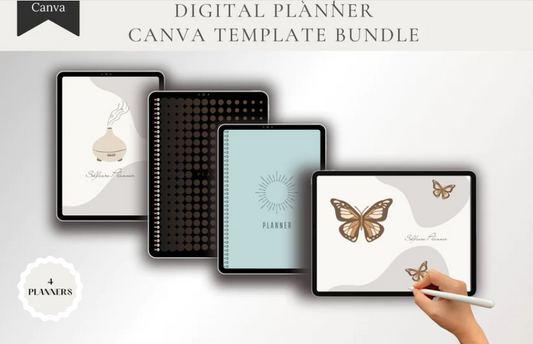
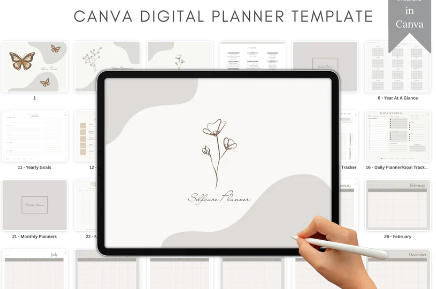
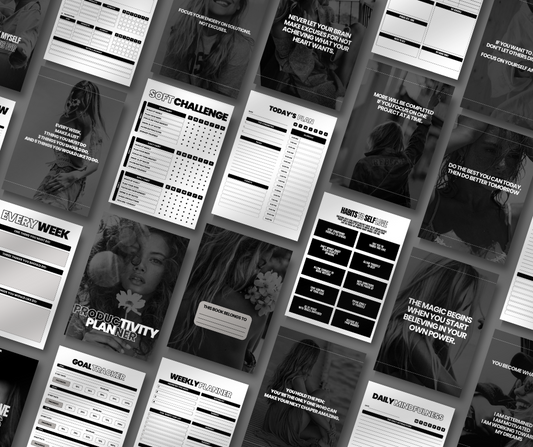
Alongside app-based planners, a growing market of digital planner templates has emerged for students who prefer the tactile feel of handwriting on a tablet. Shops like Brainwave Focus specialize in ADHD-specific layouts built for GoodNotes and Notability, typically including:
-
Dopamine-friendly habit trackers that avoid the discouraging "wall of failure" effect common in traditional habit grids
-
Minimalist or dark-mode themes designed to reduce visual overwhelm
-
Hyperlinked tabs for instant navigation between sections, mimicking the ease of a well-designed app
This corner of the market has grown alongside a much broader boom in template-based selling, covered well in guides on high-demand niches for PLR digital products that sell fast. For students specifically shopping by device, resources like best digital planners for iPad and GoodNotes users are becoming a go-to reference point. Anyone curious about the format itself can start with a complete beginner's guide to what a digital product actually is, while creators looking to build their own can explore ready-made collections like The Planner Collection as a starting template library.
4. Complementary Tools Worth Mentioning
A planner rarely works in isolation — most ADHD students end up pairing it with a small stack of complementary tools that support focus, capture, and retention around the actual planning.
Focus apps. Tools like Forest (a gamified focus timer), Brain.fm (neuroscience-backed focus music), and BlockSite (distraction blocking) help students actually execute the plan once it's set, rather than just looking at it.
Task breakdown. Goblin Tools, a free AI micro-task generator built by an ADHD creator, is widely used alongside planners to turn vague to-dos into concrete first steps — solving the same task-paralysis problem many planner apps are now building in natively.
Lecture capture. Apps like Otter.ai and Lessonscriptor transcribe lectures automatically, letting students plan review sessions without relying on handwritten notes taken in real time — a common ADHD pain point.
Spaced repetition. Anki and Quizlet support long-term retention, easing the last-minute cramming pressure that often piles onto a planner in the days before an exam.
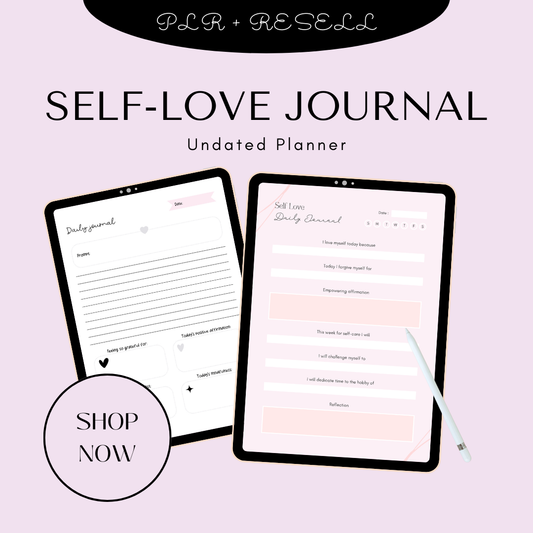
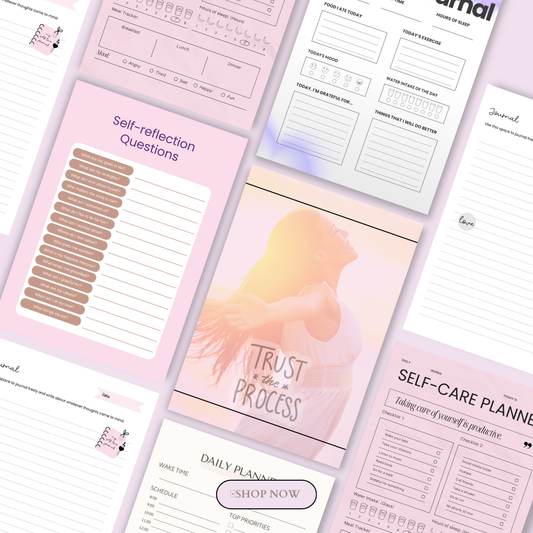
Many of these tool categories overlap with what's covered in broader roundups like 40 digital products you can create using ChatGPT or AI tools — useful reading for anyone thinking about building a complementary product rather than just using one. Students building out a fuller self-management system alongside their planner sometimes pair it with tools like a self-love journal or a money mindset collection to round out academic planning with wellbeing and habit-building.
5. Evidence the Market Is Maturing
The "digital planners for ADHD students" niche has moved well past early-adopter territory — several signals point to a genuinely maturing market rather than a passing trend.
Dedicated shops and collections. Sellers are no longer bundling ADHD-friendly features into generic planners as an afterthought. Entire storefronts and collections — like a dedicated planners hub or curated bundles such as the New Year New Me Collection — are now built specifically around this audience.
Expert roundups filtering by ADHD-friendliness. App review sites and productivity blogs increasingly organize their recommendations around specific ADHD-relevant features — visual timelines, AI task breakdown, low cognitive load — rather than treating ADHD as a footnote in a general "best planner apps" list.
Growing search and content interest. The rise of long-form guides covering done-for-you digital products that actually sell and general digital downloads reflects a broader surge in both consumer search demand and creator supply around this category.
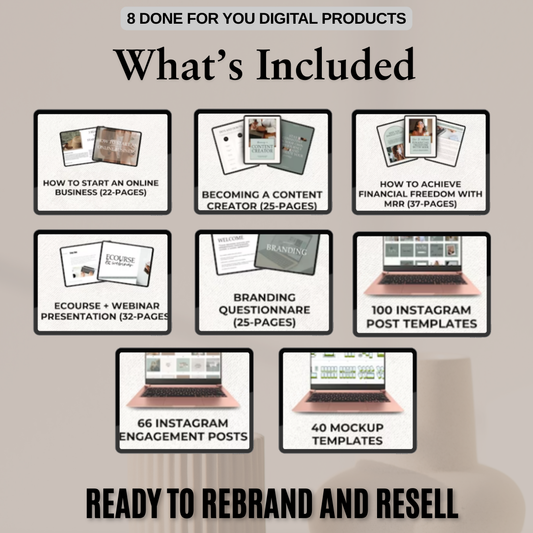
Creator infrastructure catching up. As demand grows, so has the infrastructure supporting it — from ready-to-launch storefront templates like the Rosie 1-Page Homepage Template to brand-building resources like the Anti-Algorithm Growth Guide, which help creators launch and market planner products without starting from zero. Browsing a marketplace like ResellReady's full catalog makes it clear just how much this niche has expanded beyond a handful of independent Etsy sellers into a structured, repeatable product category.
Together, these signals confirm what the search trends already suggest: digital planners for ADHD students aren't a niche fad — they're a stable, growing category with real staying power on both the demand and supply side.
6. How to Choose the Right Digital Planner
With so many options now available, choosing a digital planner can feel overwhelming in itself — which is a bit ironic for a tool meant to reduce overwhelm. A few practical guidelines can help narrow the field quickly.
Start simple, test for a few weeks. Resist the urge to build an elaborate system on day one. The most sustainable approach is to pick one planner, use it exactly as designed for two to three weeks, and only then decide what's missing. Overbuilding a system upfront is one of the most common reasons ADHD students abandon a planner within days.
Match the tool to your existing device and workflow. A student who already owns an iPad and prefers handwriting will get far more consistent use out of a GoodNotes-style template than an app-based planner that requires typing. Similarly, a student who lives in Google Calendar should prioritize a planner that syncs directly with it rather than one that demands a separate, parallel system.
Prioritize ease of use over feature density. More features rarely means a better fit — for ADHD brains especially, added complexity often means added friction, and friction is what causes a planner to get abandoned. A stripped-down tool that gets opened every day beats a feature-rich one that gets ignored after a week.
Consider your budget. Many strong options offer generous free tiers, and it's worth testing those before committing to a subscription. One-time-purchase templates can also be more budget-friendly long-term than recurring app subscriptions, particularly for students planning to use the same system for multiple semesters. For students or creators interested in the design side of things, resources like Digital Planners 101: How to Design and Sell Them break down exactly what goes into building a planner worth paying for.
7. Final Thoughts
Digital planners for students with ADHD aren't a passing trend — they reflect a genuine shift toward tools built around how ADHD brains actually work, rather than forcing students to adapt to a rigid, one-size-fits-all system. As diagnosis rates rise, tablet adoption grows, and AI-powered scheduling tools become more sophisticated, this category is only going to keep specializing. Expect to see even more granular tools built for specific executive-function challenges — time blindness, task initiation, working memory — rather than generic "ADHD-friendly" labels slapped onto existing products.
For creators watching this space, the opportunity extends well beyond planners themselves. Adjacent categories like printable planners for teachers show how the same design principles are being applied across education more broadly, while resources like the How to Build a 6-Figure Digital Product Brand Masterclass and the Instagram Growth Masterclass offer a roadmap for anyone looking to turn this growing niche into a sustainable business.
Frequently Asked Questions
Are digital planners actually better than paper for ADHD?
For many students, yes — though it depends on the individual. Digital planners tend to outperform paper for ADHD specifically because they offer built-in reminders, easy rescheduling, and visual timelines that combat time blindness. Paper planners require a level of manual consistency — remembering to carry it, open it, and rewrite plans — that many ADHD brains struggle to sustain long-term.
Do I need an iPad to use a digital planner?
No. While iPad-based apps like GoodNotes and Notability are popular for their handwriting feel, plenty of strong options — including Tiimo, Structured, and TickTick — work fully on phones, Android tablets, and desktop browsers.
Are digital planners expensive?
Not necessarily. Many apps offer free tiers that cover the basics, and template-based planners are often a one-time purchase rather than a recurring subscription, making them a budget-friendly option for students.
Can a digital planner replace medication or therapy for ADHD?
No. A digital planner is a practical support tool for organization and executive function — it isn't a substitute for professional diagnosis, treatment, or therapy. Students with ADHD should treat planning tools as one part of a broader support system.
Sources
This post draws on research and recommendations from several dedicated resources on ADHD and student planning, including ADDitude Magazine's guide to electronic planners for students with ADHD, Fhynix's roundup of the best planner apps for ADHD students, Brainwave Focus's collection of digital planners, Lifestack's guide to ADHD student planner apps, the ADHD Centre's overview of assistive technology for ADHD students, and JST Coach Training's list of the best digital tools and apps for ADHD students.
🎬 Want a visual walkthrough?
If you’d rather watch than read, here’s the full explainer video covering everything in this guide: