


Introduction
If you've been looking for a smarter way to earn money online, you've probably already heard the buzz around digital products — and for good reason. Whether you're a complete beginner or an experienced content creator, selling digital products online is one of the most accessible, low-risk, and scalable income streams available today. No warehouse, no shipping labels, no inventory headaches — just valuable content that sells while you sleep.
🎥 Prefer watching instead of reading?
Watch the full step-by-step explainer video below.
So what exactly counts as a digital product? Simply put, it's any product that's delivered electronically rather than physically. That covers everything from ebooks and online courses to Canva templates, printables, audio files, and AI-powered tools.
In this ultimate list of digital products to sell online, you'll get a full breakdown by category, real-world digital products examples across every niche, beginner-friendly recommendations, and a clear guide to help you choose the right product for your skills and audience — so you can stop scrolling and start selling.
Section 1: What Are Digital Products?
A digital product is any non-physical item that's created once and delivered electronically — through a download link, a membership portal, a PDF, a video platform, or direct file access. Unlike physical goods, digital products require no manufacturing, no stock, and no postage. Once the product is built, it can be sold an unlimited number of times with virtually zero additional cost.
Common digital products examples include:
-
Ebooks and guides — written content packaged as a downloadable PDF or epub file
-
Online courses and video tutorials — structured learning delivered through video or a course platform
-
Templates — done-for-you frameworks for Canva, Notion, Google Docs, and more
-
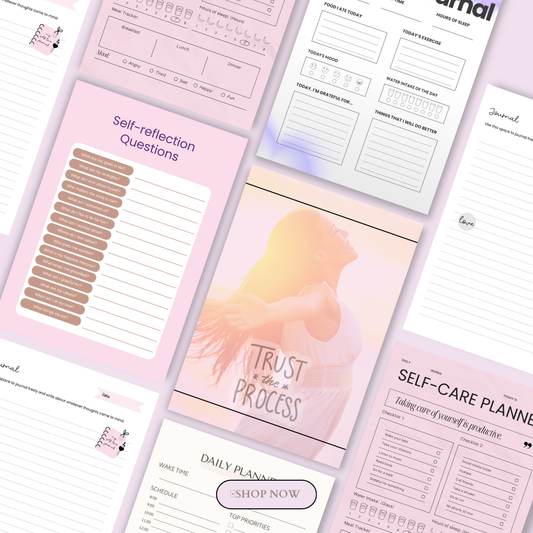
Printables — downloadable files customers print at home, like planners, trackers, and wall art
-
Audio files — music, meditations, sound effects, and voiceovers
-
Software and tools — apps, plugins, browser extensions, and AI-powered products
For creators, coaches, freelancers, and entrepreneurs across Australia and the US, digital products represent one of the most efficient paths to building passive or semi-passive income. You do the work once, then your product keeps earning. If you're still exploring what the landscape looks like, this overview of digital products and how they work is a great place to start — and if you want to know exactly what's gaining traction with buyers right now, check out what digital products are trending and why.
Section 2: Why Digital Products Are Worth Selling in 2026
The digital product market isn't slowing down — it's accelerating. Here's why 2026 is one of the best years yet to get started.
The margins are exceptional. Once a digital product is created, the cost to deliver it is almost nothing. No materials, no freight, no fulfilment centre. Whether you're selling to one customer or ten thousand, your overhead stays nearly the same — which means your profit scales in a way that physical products simply can't match.
You can sell the same product infinitely. A single well-made ebook, template pack, or online course can generate revenue for months or years without you touching it again. That's the power of a digital asset done right.
Every niche has a market. From fitness and parenting to marketing, design, finance, and travel — buyers across the US and Australia are actively searching for digital solutions to everyday problems. If you have knowledge, skills, or creativity in any area, there's a product waiting to be built.
AI has made creation faster than ever. Tools like Midjourney, ChatGPT, and automation platforms have dramatically reduced the time it takes to research, design, and produce digital products. If you're curious how AI fits into the creation process, the Midjourney Mastery Guide is a strong resource, as is this bundle of 150 AI image prompts for Midjourney that helps you produce professional visuals without a design background.
The fastest-growing categories right now include AI prompt packs, Canva templates, digital planners, and niche education products. You can explore a full collection of AI prompt packs or browse masterclasses built specifically for online sellers and creators.
If you're ready to go deeper before diving into the full list, this step-by-step guide to making digital products in 2026 walks you through the entire creation process from idea to sale.
Section 3: The Ultimate List of Digital Products by Category
There are hundreds of digital products you can create and sell online — but not all of them suit every creator. The key is matching the right product type to your skills, your audience, and the kind of income you want to build. Here's a full breakdown of the most profitable digital product categories available today, with real examples in each. For an even deeper dive, this mega-guide covering 100 digital products you can sell online in 2026 is worth bookmarking.
3.1 Educational Products
Educational products are among the most in-demand digital products across both the US and Australian markets. If you have knowledge worth sharing — whether that's in business, marketing, fitness, finance, parenting, tech, or creative skills — you can package it into a product people will pay for.
Examples include:
-
Ebooks and written guides
-
Workbooks with exercises and prompts
-
Online courses and mini courses
-
Video tutorials and how-to series
-
Audiobooks
-
Lesson plans and study notes
-
Interactive worksheets
Educational products work because buyers are actively searching for shortcuts to knowledge. A well-structured ebook or course positions you as an expert and builds long-term trust with your audience. If you're new to this space, this complete beginner's guide to digital products explains exactly how educational and other product types work — and how to get started without overthinking it.
Best for: Coaches, teachers, bloggers, consultants, and anyone with a skill or experience worth teaching.
3.2 Templates and Planners
Templates are one of the most beginner-friendly digital product categories available. Buyers love them because they eliminate the blank-page problem — they get a done-for-you framework they can customise in minutes rather than building something from scratch.
Examples include:
-
Canva templates for social media, branding, and presentations
-
Notion templates for productivity and project management
-
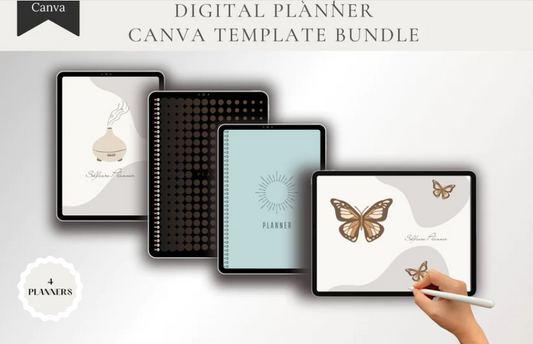
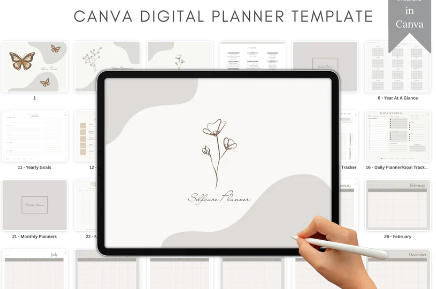
Digital planners
-
Content calendars
-
Resume and cover letter templates
-
Business document and pitch deck templates
-
Presentation slide decks
The Plan & Prosper collection is a great example of how templates and planners can be packaged for an audience focused on productivity and growth. If you want ready-made products you can sell immediately without designing from scratch, done-for-you digital products are a strong shortcut worth exploring.
Best for: Beginners, productivity creators, business coaches, and social media managers.
3.3 Printables
Printables are downloadable files customers print at home and use immediately — no waiting, no shipping, no hassle. They sell consistently on platforms like Etsy and perform especially well in lifestyle niches.
Examples include:
-
Budget and expense trackers
-
Meal planners and grocery lists
-
Habit trackers and daily planners
-
Journals and guided notebooks
-
Wall art and home décor prints
-
Coloring pages for kids and adults
-
Party invitations and event stationery
-
Greeting cards
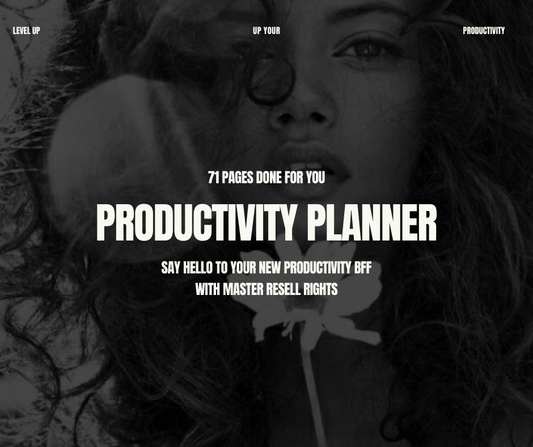
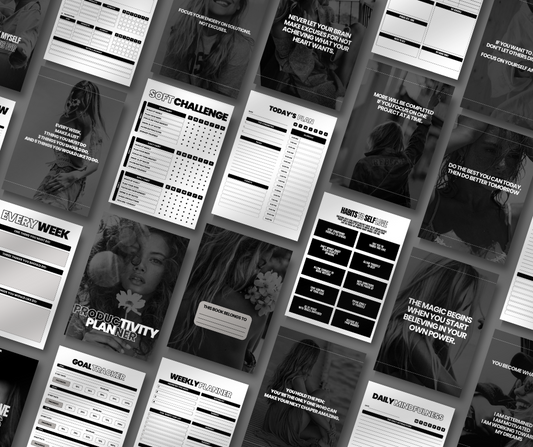
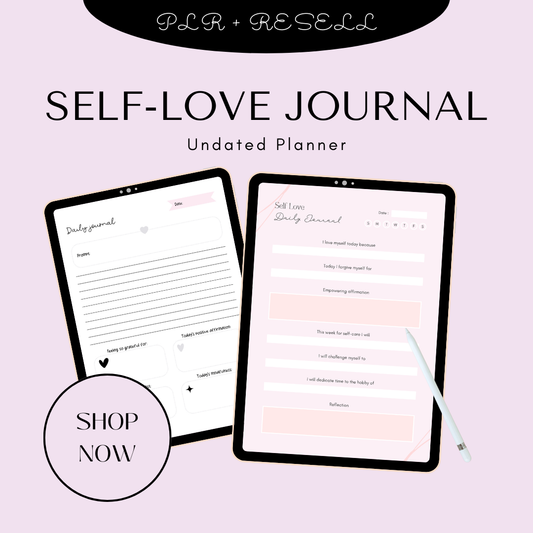
A well-designed productivity planner or a thoughtful self-love journal are great examples of printables that solve a specific emotional or practical need for a buyer. If you want to sell printables without designing everything yourself, this guide on digital products you can sell on Etsy without designing breaks down exactly how to do it.
Best for: Etsy sellers, creators targeting moms, teachers, students, home organisers, and wellness audiences.
3.4 Creative Assets
Creative assets are digital files used by other creators, designers, marketers, and business owners to produce their own content. Once created, they can be sold repeatedly to an unlimited number of buyers — making them one of the highest-margin digital product types available.
Examples include:
-
Stock photos and styled flat lays
-
Lightroom presets and photo filters
-
Fonts and typography collections
-
Icons, illustrations, and vector graphics
-
Logo templates and brand kits
-
Design bundles and UI kits
The Lightroom Preset Collection and the AI Image Collection are strong examples of creative asset products built for photographers, content creators, and brand builders. For skincare and beauty creators specifically, the Glow Lab Co skincare content templates bundle shows how creative assets can be built around a niche to serve a very specific audience.
Best for: Photographers, graphic designers, brand designers, and marketers serving small businesses.
3.5 Audio and Media
Audio and media products serve the enormous creator economy — YouTubers, podcasters, filmmakers, game developers, and app builders all need quality media assets they can licence and use in their own projects.
Examples include:
-
Royalty-free music tracks and background scores
-
Beats and instrumental loops
-
Sound effects and audio packs
-
Stock video footage and B-roll
-
Podcast intros and outros
-
Guided meditations and wellness audios
The Reel Power Packs collection is a strong example of media products built specifically for short-form video creators who need high-impact content assets fast.
Best for: Musicians, sound designers, meditation coaches, videographers, and creators building content tools for other creators.

3.6 AI and Tech Products
AI-related digital products are the fastest-growing category in 2026, both in the US and Australian markets. As more people adopt AI tools in their everyday workflows, demand for resources that help them use those tools better is surging.
Examples include:
-
AI prompt packs and libraries
-
Workflow templates for ChatGPT, Midjourney, and other tools
-
Automation scripts and systems
-
Plugins and browser extensions
-
Mobile apps and SaaS tools
The AI Prompt Packs collection covers a wide range of use cases for creators, marketers, and business owners. If you're thinking about building your own AI product line, the Build Your Digital Empire collection gives you the frameworks and resources to do it strategically.
Best for: Tech-savvy creators, online educators, productivity-focused entrepreneurs, and anyone building tools that save buyers time.
3.7 Community and Subscription Products
Membership and subscription products are unique in one important way: they generate recurring revenue rather than one-time sales. Instead of chasing new customers every month, you build a base of paying members who renew consistently.
Examples include:
-
Paid membership sites with exclusive content
-
Paid newsletters and curated digests
-
Private online communities
-
Resource libraries with monthly updates
-
Subscription-based learning hubs
-
Exclusive coaching or mentorship access
These products work best when you already have an audience or publish content
Section 4: Best Digital Products for Beginners
If you're just starting out, the good news is that you don't need technical skills, a big budget, or months of preparation to launch your first digital product. The best starting points are the ones with the lowest barrier to create and the highest demand from buyers.
The strongest beginner-friendly options are:
-
Ebooks and written guides — research a topic your audience cares about and package your knowledge into a well-structured PDF
-
Canva templates — design once, sell repeatedly; no graphic design experience required. These Canva templates that sell fast show exactly what's working right now
-
Digital planners and printables — tools like the ones in this guide to the best planners for productivity in 2026 consistently perform well for new sellers
-
Simple AI prompt packs — one of the fastest-growing beginner niches in 2026, especially for creators already using ChatGPT or Midjourney in their workflow. This guide to AI digital products to sell in 2026 is a practical starting point
The most important thing is to match your first product to what you already know. A blogger can start with guides and content templates. A designer can lead with Canva kits or brand asset packs. A productivity-focused creator is a natural fit for planners, trackers, or Notion systems.
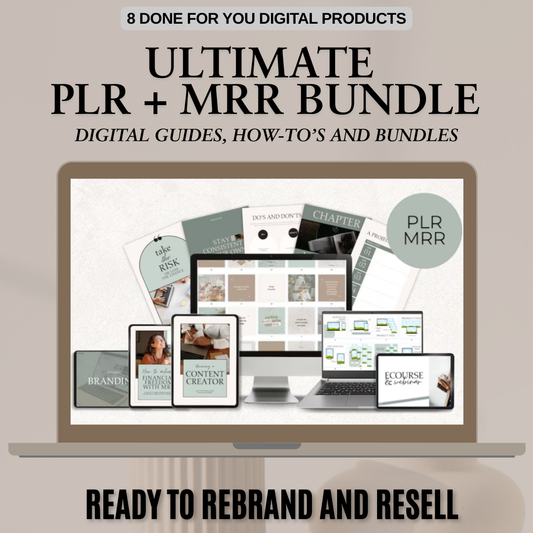
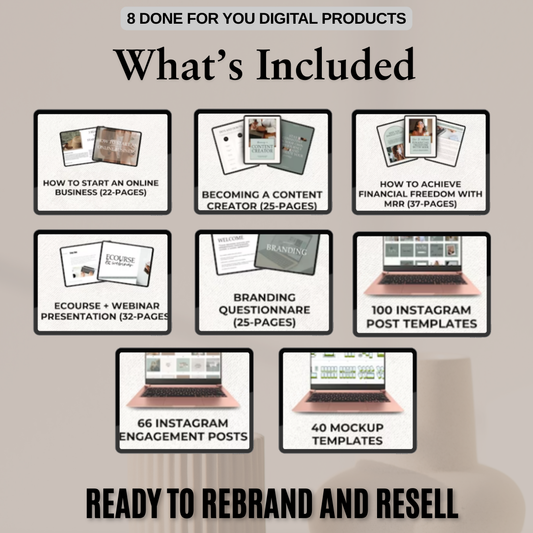
If you want to skip the creation process entirely and start selling immediately, PLR digital products — which are done-for-you products you can legally rebrand and resell — are a strong option. This step-by-step guide on how to resell PLR products legally explains the process clearly for beginners, and this breakdown of digital products you can sell with PLR gives you a full list of what's available to work with.
Section 5: How to Choose the Right Digital Product to Sell
With so many options available, choosing what to sell can feel overwhelming. The simplest framework is this: base your decision on demand, your existing skills, and how easy the product is to deliver.
Start by asking three questions:
-
Are people already buying this type of product?
-
Can I create something useful in this category based on what I already know?
-
Can I deliver it simply, through a download, a PDF, or a platform I already use?
A strong digital product does at least one of the following:
-
Solves a real, specific problem
-
Saves the buyer meaningful time
-
Teaches a skill they want to learn
-
Helps them create something faster
-
Gives them a clear shortcut to a result they're working toward
Once you've identified your category, research what's already selling and look for a gap — a more specific version, a better-designed option, or a product that serves a niche that's currently underserved. This guide to low-competition digital products to sell in 2026 is especially useful here, as is this breakdown of PLR products that sell the most if you want data-backed direction on what buyers are actually spending money on.
For creators ready to build something bigger, the How to Build a 6-Figure Digital Product Brand Masterclass walks you through scaling from a single product to a full brand — step by step. And if you want real-world product inspiration, the Creative Entrepreneurship Ebook and the Self-Love Workbook are both strong examples of digital products built around a clear audience with a specific need.
Section 6: Where to Sell Your Digital Products
Once your product is ready, you have two main paths: sell on a marketplace or sell through your own store. Many successful sellers use both.
Marketplaces with built-in traffic:
-
Etsy — especially strong for printables, planners, templates, and creative assets
-
Amazon Kindle Direct Publishing — the go-to platform for ebooks and written content
-
Udemy — a high-traffic destination for online courses and video tutorials
-
Gumroad — simple, creator-friendly, and low friction for first-time sellers
Your own storefront for more control:
-
Shopify — full control over branding, pricing, and customer data
-
Sellfy — built specifically for digital product sellers; Sellfy's guide to digital products covers exactly how the platform works
-
Wix — flexible and beginner-friendly; the Wix breakdown of digital products to sell is a helpful companion resource
-
MailerLite — a strong option for creators who want to combine email marketing with digital product delivery; their guide to getting started with digital products is worth reading
The smartest long-term strategy is to use marketplaces for reach and discoverability while building your own store for brand ownership, higher margins, and direct customer relationships. For a full walkthrough of both approaches, this ultimate guide on how to sell digital products online covers everything from setup to your first sale. Industry sources including SendOwl, Printful, and Forbes all point to the same conclusion: diversifying across platforms is the most resilient approach for digital product sellers in 2026.
Conclusion
Digital products tick every box for modern online sellers — low overhead, unlimited scalability, no inventory, and the ability to work across virtually any niche. Whether you're based in the US, Australia, or anywhere else in the world, the opportunity is the same: create something valuable once and sell it to an unlimited number of buyers.
The best place to start is the category that matches what you already know. Pick one product type from this list, validate that people are buying it, and build a version that's more useful, more specific, or better designed than what already exists. You don't need to launch ten products — you just need to launch the right one.
If you're looking for done-for-you digital products that are ready to sell from day one, browse the full Resell Ready shop for templates, prompt packs, masterclasses, planners, and more — all built for creators who are serious about building income online.
Frequently Asked Questions About Digital Products
What are the best digital products to sell online for beginners?
The best digital products for beginners are ones that are simple to create, easy to deliver, and already in demand. Ebooks, Canva templates, digital planners, printables, and AI prompt packs are consistently strong starting points. They require no technical background, can be built using free or low-cost tools like Canva, and can be listed for sale on platforms like Etsy or Gumroad within days. The key is to start with one product that matches a skill or knowledge area you already have rather than trying to create something entirely new.
How much money can you make selling digital products?
Income from digital products varies widely depending on your niche, your audience, your pricing, and how many products you have available. Some sellers earn a few hundred dollars a month from a single printable or template pack, while others build six-figure businesses from a full product suite. Because digital products have almost no delivery cost, every sale contributes directly to profit. The more you grow your audience and expand your product range, the more your income compounds over time.
Do I need design skills to create digital products?
Not at all. Many of the most profitable digital products require no design skills whatsoever. Ebooks, guides, workbooks, prompt packs, and lesson plans are primarily written products. For visual products like templates, planners, and printables, tools like Canva make it possible to produce professional-looking designs with no prior experience. If you want to sell creative assets like fonts, illustrations, or UI kits, some design knowledge helps — but even then, PLR products give you a shortcut by providing ready-made assets you can rebrand and resell legally.
What is the difference between a digital download and a digital product?
A digital download is one specific type of digital product — it refers to any file a customer purchases and downloads directly, such as a PDF, image file, audio track, or spreadsheet. A digital product is a broader term that includes digital downloads but also covers things like online courses hosted on a platform, membership site access, software tools, SaaS subscriptions, and paid communities. Both fall under the digital product umbrella, but not all digital products are delivered as a simple download.
Where is the best place to sell digital products online?
The best platform depends on your goals. If you want built-in traffic and an existing customer base, marketplaces like Etsy, Gumroad, and Amazon KDP are strong starting points. If you want full control over your branding, pricing, and customer relationships, building your own store on Shopify, Sellfy, or Wix gives you more long-term flexibility. Most successful digital product sellers use a combination of both — marketplaces to attract new buyers and their own store to build a brand and retain customers. Starting with one platform and expanding once you have your first sales is the most practical approach.
🎬 Want a visual walkthrough?
If you’d rather watch than read, here’s the full explainer video covering everything in this guide: