


Digital vs Printable Planners in 2026: What You Need to Know
In 2026, productivity planning has evolved beyond traditional notebooks. Today, people are choosing between digital planners (apps and tablets) and printable or paper planners depending on their lifestyle, focus needs, and workflow preferences.
🎥 Prefer watching instead of reading?
Watch the full step-by-step explainer video below.
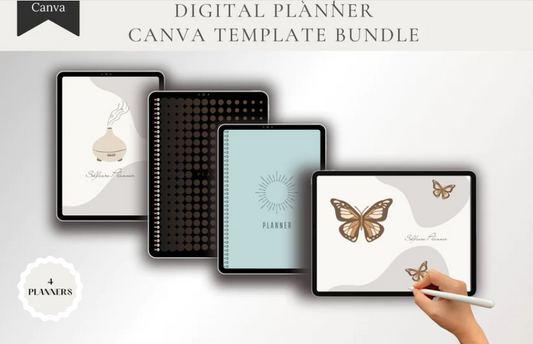
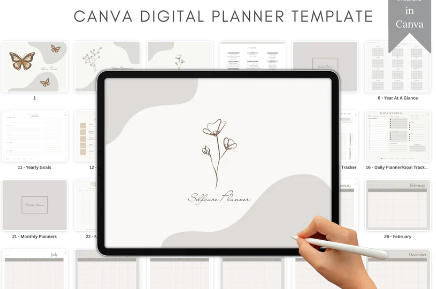
Digital planners are ideal for tech-savvy users who rely on devices like iPads, Android tablets, or laptops. These planners often integrate with apps like GoodNotes or Notability and offer features such as hyperlinks, reusable templates, and cloud syncing. If you want flexibility and portability, digital planning is the future.
If you're exploring options, check out this detailed guide on best digital planners for iPad and GoodNotes users to find tools that match your workflow.
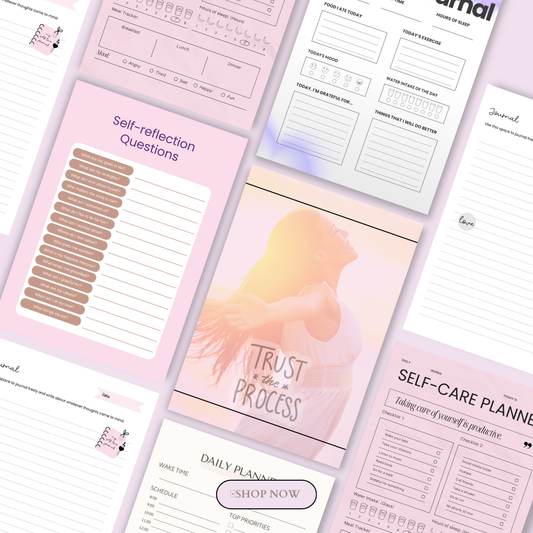
On the other hand, printable and paper planners remain powerful for people who prefer minimal tech and deeper focus. Writing things down manually can improve memory, reduce distractions, and create a more intentional planning experience.
For those who want flexibility, printable planners offer the best of both worlds. You can download, print, and customize layouts as needed. Learn more about how digital files work in this guide on digital downloads.
In this guide, you’ll discover:
-
What makes a planner truly effective for productivity in 2026
-
How to choose between digital, printable, and hybrid planners
-
The key features that help you stay consistent, focused, and organized
Whether you're a student, entrepreneur, or busy parent, the right planner can transform how you manage your time and goals.
1. What Makes a Planner “Best” for Productivity in 2026
Not all planners are created equal. The best productivity planners in 2026 are designed to help you stay consistent, focused, and aligned with your goals.
Here are the essential features to look for:
Clear Goal-Setting System
A high-quality planner should include structured sections for annual, quarterly, and monthly goals. This allows you to break big ambitions into actionable steps.
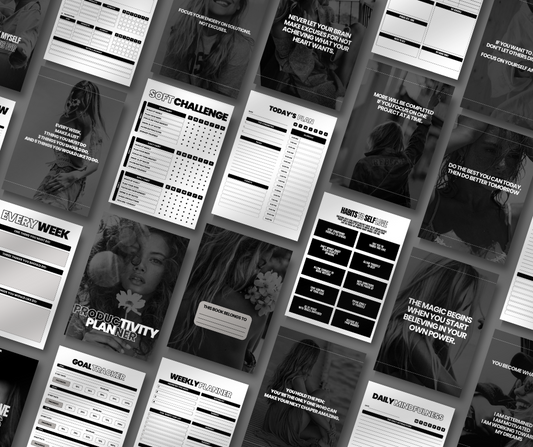
If you're focused on growth and mindset, tools like this productivity planner guide can help you align daily actions with long-term success.
Flexible Layouts (Daily, Weekly, Monthly)
The best planners offer multiple views:
-
Monthly overview for big-picture planning
-
Weekly layouts for scheduling
-
Daily pages for detailed execution
Flexibility ensures your planner adapts to your lifestyle, not the other way around.
Habit & Routine Tracking
Consistency is key to productivity. Modern planners include habit trackers to help you build routines around health, work, and personal growth.
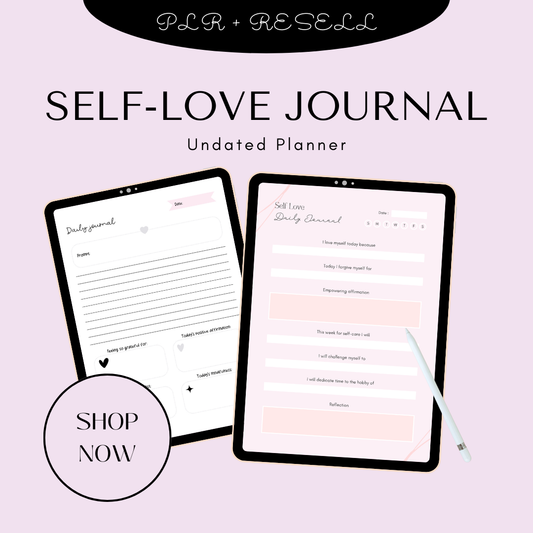
For example, combining planning with reflection (like in a self-love journal) can improve both productivity and mental clarity.
Time-Blocking & Task Prioritization
Top planners now include time-blocking systems or priority frameworks (like top 3 tasks per day). This helps reduce overwhelm and keeps you focused on what truly matters.
Ease of Navigation
-
Digital planners: Hyperlinked tabs for quick access
-
Paper planners: Clean, intuitive layouts
A planner should feel easy to use daily, not complicated or overwhelming.
Accessibility & Affordability
The best planners are:
-
Beginner-friendly
-
Affordable or free
-
Easy to start immediately
You can explore ready-made options inside this planner collection to find systems designed for real-life productivity.
2. How to Choose the Right Planner for You
Choosing the best planner in 2026 depends on your lifestyle, work style, and personal preferences. Instead of following trends, focus on what actually works for you.
Key Decision Points
Digital vs Printable vs Hybrid
-
Digital planners: Best for tablet and phone users
-
Printable planners: Ideal for focus and simplicity
-
Hybrid planners: Combine digital flexibility with printable structure
If you're exploring planning systems that also support personal growth, collections like the money mindset collection or new year new me collection can help you align productivity with life goals.
Level of Schedule Complexity
-
Simple routines → Weekly planners
-
Busy schedules → Daily or time-block planners
-
Project-heavy work → Digital or app-based planners
Structured vs Flexible Planning Style
-
Structured planners: Pre-designed layouts and prompts
-
Flexible planners: Open space for journaling and creativity
For manifestation-focused planning, tools like the quantum manifestation planner blend goal-setting with mindset alignment.
Device Usage
-
Tablet users → Digital planners
-
Paper lovers → Printable or bound planners
-
Mixed users → Hybrid systems
Quick Guidance (Simple Planner Match)
-
Use a tablet daily? → Go digital
-
Get distracted easily? → Choose paper planners
-
Want flexibility? → Use hybrid systems
If you're still unsure, browsing different types of planners can help you identify what fits your routine best.
By choosing a planner that aligns with your habits and goals, you’re not just organizing your schedule—you’re building a system that supports consistent productivity and long-term success.
3. Best Digital Planners for 2026
Digital planners continue to dominate productivity systems in 2026, especially among students, entrepreneurs, remote workers, and iPad users. These planners combine structure with flexibility, allowing users to manage goals, habits, and schedules in one place.
If you’re new to this space, you may also want to understand what digital planning systems are and how they work in this detailed guide on what is a digital product (beginner guide) and how they are transforming productivity worldwide.
3.1 Paperlike 2026 Digital Planner
One of the most popular choices for Apple users, the Paperlike Digital Planner is designed to feel like real paper while offering full digital flexibility.
Key features:
-
Hyperlinked structure (yearly → quarterly → monthly → daily navigation)
-
Built-in goal setting and habit tracking
-
Project and task management sections
-
Optimized for iPad + Apple Pencil users
-
Works seamlessly with GoodNotes and Notability
This planner is especially useful for users who want a clean, distraction-free digital workspace while still enjoying structured productivity.
Paperlike
For more inspiration on similar tools, explore curated recommendations in this guide: best digital planners (Paperlike insights)
3.2 MyScript Free 2026 Digital Planner
The MyScript planner is a powerful option for users who prefer handwritten planning with digital intelligence.
Key features:
-
Free downloadable 2026 PDF planner
-
Handwriting-to-text conversion support
-
Ideal for students, professionals, and note-takers
-
Easy integration with tablet stylus tools
This is a great entry-level planner for anyone exploring digital productivity without paying upfront costs.
MyScript
3.3 ClickUp Productivity Planning Ecosystem
ClickUp is more than a planner—it’s a complete productivity management system used by teams, entrepreneurs, and freelancers worldwide.
Key features:
-
Task + calendar + goal integration
-
Recurring task automation
-
Dashboards for project tracking
-
Team collaboration tools
-
Ideal for business and remote work environments
It’s especially powerful for users managing multiple projects or building online businesses.
ClickUp
If you're interested in how digital tools are reshaping online income, explore this guide on 100 digital products you can sell online in 2026.
3.4 2026 Digital Planner Trends
Digital planning in 2026 is evolving rapidly with smarter, more personalized systems.
Key trends include:
-
Fully customizable templates (habits, finance, meals, wellness)
-
ADHD and neurodivergent-friendly layouts
-
Visual-first planning systems for better clarity
-
Rise of all-in-one productivity apps replacing traditional calendars
Many creators are also building and selling planners as digital products. You can learn how in this guide on digital planners you can sell on Etsy and explore how AI tools are used in creation through digital products with ChatGPT ideas.

4. Best Paper & Printable Planners for 2026
Despite the rise of digital tools, paper planners remain highly effective in 2026, especially for users who prefer focus, mindfulness, and reduced screen time.
Printable planners also continue to grow in popularity as part of the expanding digital products market, which you can explore further in this guide on digital products overview.
4.1 Business Insider Top Planner Picks (Overview)
Business Insider highlights planners that focus on structure and clarity, making them ideal for users who want to stay organized without complexity.
Key highlights:
-
Daily, weekly, and monthly layout options
-
Strong emphasis on goal alignment
-
Structured systems for productivity and planning clarity
-
Designed for both beginners and professionals
These planners are especially useful for people who prefer step-by-step planning systems over flexible digital tools.
4.2 WIRED Recommended Paper Planners
WIRED’s recommendations focus on premium-quality planners that prioritize writing experience, structure, and long-term usability.
Popular examples include:
-
Hobonichi Techo – flexible daily journaling system
-
Roterunner Purpose Planner – goal-driven productivity system
Hobonichi Techo
Roterunner
These planners remain popular in 2026 because they combine simplicity with deep reflection and structure.
4.3 Passion Planner (Hybrid Printable + Physical System)
Passion Planner is one of the most flexible productivity systems available, offering both physical planners and free printable pages.
Key features:
-
Free downloadable printable planner pages
-
Goal-setting and reflection framework
-
Weekly layouts with guided prompts
-
Strong focus on personal growth and clarity
Passion Planner
If you're comparing digital vs printable systems for online selling or personal use, this guide explains it in detail: printable vs digital planners (which sells better).
You can also explore related productivity tools like:
5. Digital vs Printable Planners (Quick Comparison)
Choosing between digital and printable planners depends on your lifestyle, focus style, and daily workflow. Both options can significantly improve productivity when used correctly.
Digital Planners
Digital planners are best for users who want flexibility and modern productivity systems.
Advantages:
-
Hyperlinked navigation for fast access
-
Easy duplication, editing, and updating
-
Cloud storage and device syncing
-
Ideal for tablet and mobile users
They are especially powerful for entrepreneurs, students, and remote workers who rely on digital tools daily.
Printable / Paper Planners
Printable planners remain popular among users who prefer simplicity and focus.
Advantages:
-
Fewer distractions compared to digital devices
-
Stronger memory retention through writing
-
Better for reflection, journaling, and mindfulness
-
No battery or device dependency
They are ideal for users who want a calm, distraction-free planning experience.
Hybrid Planners
Hybrid systems combine the best of both worlds.
Advantages:
-
Printable PDFs with digital backups
-
Flexible usage across devices and paper formats
-
Ideal for users who switch between tech and paper
Many modern productivity systems—including bundles like the wealth mindset journal and self-love journal—are designed around this hybrid approach.
You can also explore structured systems like:
Final Insight
Whether you choose digital, printable, or hybrid planning, the best system is the one you can stay consistent with. Productivity in 2026 is not about complexity—it’s about clarity, structure, and execution.
6. Best Planners by User Type (2026 Guide)
Choosing the best planner in 2026 depends heavily on your lifestyle, work style, and daily responsibilities. Instead of using a one-size-fits-all system, the most productive people choose planners based on their specific role and routine.
Below is a practical breakdown to help you choose the right system for your needs.
Students
Students need planners that support deadlines, assignments, and structured weekly planning.
Best options:
-
MyScript digital planner (great for handwritten notes + organization)
-
Structured weekly planners for exams and coursework
MyScript
Students can also explore productivity systems like the 30 days to a better you ebook for structured self-improvement alongside academic goals.
Entrepreneurs / Business Owners
Entrepreneurs need planners that manage tasks, goals, content, and time efficiently.
Best options:
-
ClickUp ecosystem for full business workflow management
-
Time-blocking digital planners for focused execution
ClickUp
For business planning support, tools like:
-
branding planner
help structure ideas into actionable business systems.
Moms / Busy Households
Busy parents and homemakers need simple, stress-free planning systems that reduce overwhelm.
Best options:
-
Simple weekly paper planners
-
Passion Planner-style guided layouts
Passion Planner
Helpful resources include:
For wellness support alongside planning:
Creative / Reflective Users
Creative individuals thrive with flexible, journaling-style planners that allow reflection and idea capture.
Best options:
-
Hobonichi Techo-style journaling planners
-
Open-ended daily reflection systems
Hobonichi Techo
This type of planner is ideal for writers, designers, content creators, and thinkers who prefer freedom over structure.
ADHD / Neurodivergent Users
Neurodivergent users often perform best with visual, flexible, and highly customizable planners.
Best options:
-
Color-coded digital planners
-
Flexible task-based layouts
-
Minimalist systems that reduce overwhelm
These planners support focus by removing clutter and allowing users to adapt layouts daily.
A helpful breakdown of simpler systems can be found in this guide on (https://resellready.co/blogs/news/affordable-printable-planners-that-actually-work).
For stress reduction and mental clarity support:
7. Final Recommendations (What Should You Choose?)
If you're still unsure which planner to choose in 2026, here are clear, simplified recommendations based on productivity needs.
Best Overall Digital Planner
-
ClickUp ecosystem for full productivity management
-
Ideal for entrepreneurs, freelancers, and remote workers
ClickUp
Best Printable Planner
-
Passion Planner for structured weekly planning and goal-setting
-
Perfect for students, teachers, and busy families
Passion Planner
Best Hybrid Planner
-
MyScript planner + printable systems for flexibility
-
Combines handwriting + digital productivity
MyScript
Best Beginner-Friendly Option
-
Simple weekly paper planner or guided digital planner
-
Focus on consistency rather than complexity
For beginners interested in productivity systems, explore curated collections like Plan & Prosper collection for ready-made planning tools.
You can also explore structured digital systems such as:
Conclusion
In 2026, productivity is no longer about working harder—it’s about choosing the right planning system for your lifestyle.
The key takeaway is simple:
Productivity in 2026 = choosing the right system, not just relying on discipline.
Whether you choose digital planners, printable planners, or hybrid systems, the goal is to build consistency, clarity, and momentum in your daily life.
Instead of overthinking, start simple and upgrade as your needs evolve. Many users begin with basic planners and later move into structured systems like business planners, mindset journals, or content planning tools.
To continue exploring, you can browse:
Further Reading / Sources
For deeper insights into planners and productivity systems, explore these trusted resources:
FAQ: Best Planners for Productivity in 2026
1. What is the best planner for productivity in 2026?
The best planner in 2026 depends on your lifestyle and work style. Digital planners like ClickUp are ideal for entrepreneurs and remote workers, while Passion Planner works well for structured paper-based planning. For beginners, a simple weekly planner is often the best starting point.
2. Are digital planners better than paper planners?
Neither is universally better—it depends on preference. Digital planners offer flexibility, cloud storage, and easy editing, making them great for tech users. Paper planners improve focus, reduce distractions, and enhance memory retention through writing. Many people use a hybrid system for the best of both worlds.
3. Can I use a planner if I have a busy or unpredictable schedule?
Yes. In fact, planners are most useful for busy schedules. Flexible layouts, time-blocking systems, and weekly planning pages help you adjust quickly. Digital planners are especially helpful because you can easily edit and reorganize tasks on the go.
4. What type of planner is best for beginners?
Beginners should start with a simple weekly planner that focuses on 3–5 key tasks per day. This avoids overwhelm and builds consistency. Once you get comfortable, you can upgrade to more advanced systems like digital planners or goal-setting journals.
5. Can planners really improve productivity?
Yes—when used consistently. Planners help you organize tasks, set clear goals, reduce mental clutter, and prioritize important work. The key is not the planner itself, but how consistently you use it to guide your daily actions.
🎬 Want a visual walkthrough?
If you’d rather watch than read, here’s the full explainer video covering everything in this guide: