


1. Introduction
Canva templates remain one of the easiest digital products to sell in 2026—but not for the reasons most beginners think. It’s no longer about creating “pretty designs” and hoping they sell. The real money comes from solving specific problems for specific people.
🎥 Prefer watching instead of reading?
Watch the full step-by-step explainer video below.
If you look at what’s actually working right now, profitable sellers are focusing on templates that help users save time, streamline workflows, or grow their businesses faster. Whether it’s social media packs, planners, or business kits, buyers aren’t just purchasing design—they’re buying convenience and results.
For a deeper breakdown of trending ideas, check out this guide on Canva templates to sell on Etsy, which highlights high-demand niches and product types that consistently perform.
In simple terms, the most profitable Canva templates in 2026 have three core traits:
-
They are bundled for higher value
-
They target a specific niche
-
They solve a real, ongoing problem
This shift—from generic, aesthetic templates to niche, problem-solving assets—is what separates low sales from consistent digital income. To understand how this fits into the bigger picture, explore the most profitable digital products to sell in 2025 and this updated profitable digital products to sell online in 2026 guide.
2. What Makes a Canva Template Profitable?
2.1 Repeatability & Bundling
Single templates rarely generate meaningful income on their own. Buyers prefer bundles because they offer more value, more flexibility, and long-term usability.
A pack of 30 Instagram posts, a full content calendar, or a complete planner system feels like a “done-for-you solution”—and that’s exactly what converts.
For example, instead of selling one design, creators bundle full collections like Flow Found – 40 Done-For-You Instagram Quote Templates or themed packs such as Positivity Pop Collection Bundle.
You’ll also see high-performing branding packs like Main Character Carousels – Viral Canva Templates, where buyers get multiple ready-to-use assets instead of starting from scratch every time.
Bundling works because it removes decision fatigue and gives users everything they need in one purchase—making it far more profitable than selling one-off designs.
2.2 Niche-Specific Demand
Generic templates don’t sell nearly as well as niche-focused ones. A template designed for “everyone” usually ends up converting no one.
Instead, the highest-performing Canva products are tailored to very specific audiences:
-
Real estate agents (listing posts, open house flyers)
-
Coaches (workbooks, onboarding kits)
-
Teachers (lesson plans, worksheets)
When you target a niche, your template speaks directly to a problem that audience already has—which makes the buying decision much easier.
For example, small business owners are actively looking for ready-made solutions that make their brand look professional without hiring a designer. This is exactly why guides like best Canva templates for small businesses perform well—they address a clear need with practical solutions.
The more specific your audience, the easier it becomes to create templates that feel custom-made—even when they’re sold at scale.
2.3 Problem-Solving Value
The biggest difference between low-selling and high-selling templates comes down to one thing: function.
Aesthetic templates might look good, but functional templates actually do something:
-
Save time (pre-designed content calendars)
-
Save money (DIY branding kits instead of hiring designers)
-
Simplify processes (client onboarding systems, planners)
For example, transformation-focused products like The Aligned Empire – A Guide to Wealth, Peace & Purpose work because they deliver value beyond design—they help users achieve a result.
This is the key distinction:
-
Aesthetic templates = visually appealing but optional
-
Functional templates = problem-solving and essential
Buyers are far more willing to pay for templates that help them achieve a goal—whether that’s growing a business, staying organized, or improving productivity.
3.3 Planners, Organizers & Life Admin Systems
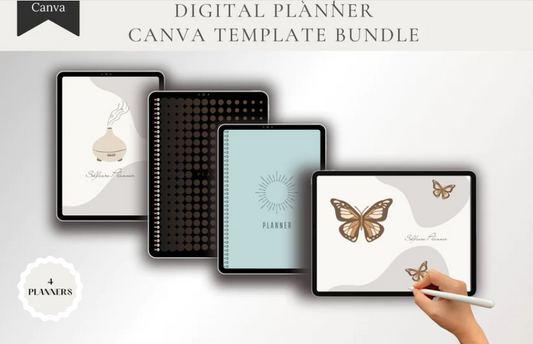
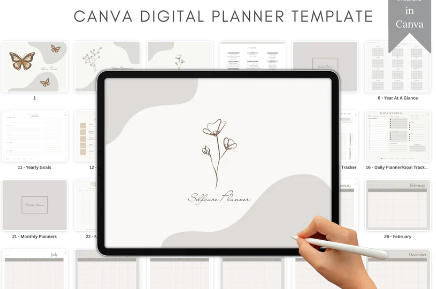
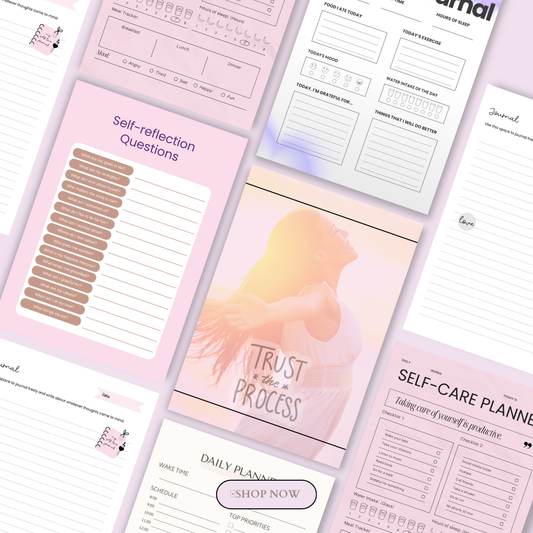
Planners continue to dominate the Canva marketplace in 2026 because they tap into something deeper than design—they support daily routines, productivity, and personal transformation. If you study the growth of digital downloads, planners consistently rank among the highest-selling categories due to their repeat usage and seasonal demand.
High-performing sub-niches include:
-
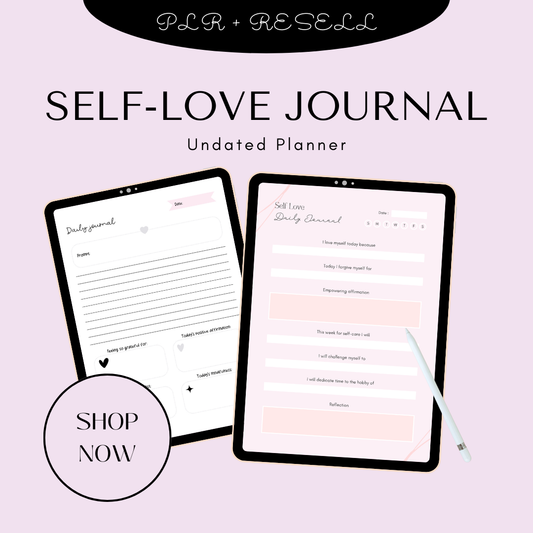
Digital planners (ADHD planners, budget trackers, habit systems)
-
Life admin systems (bill tracking, cleaning schedules, family organization dashboards)
-
Wedding & event planners (budget sheets, vendor checklists, seating charts)
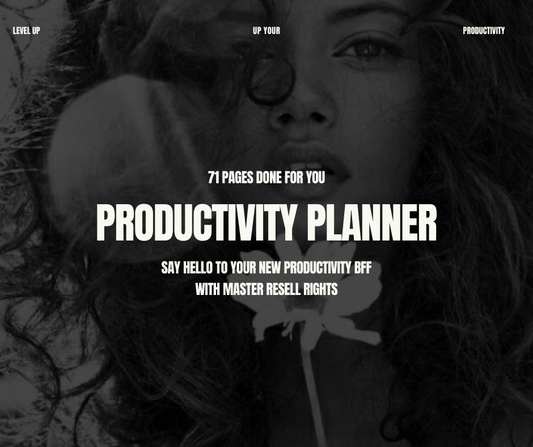
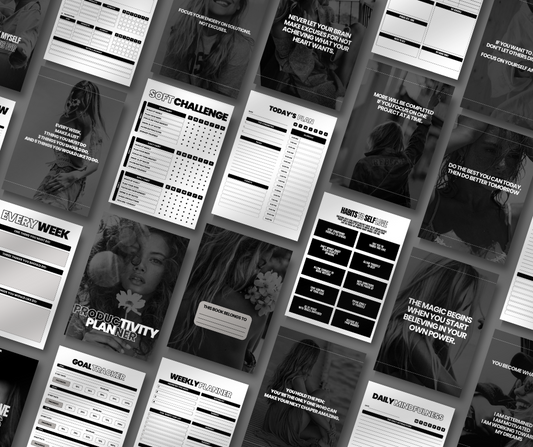
For example, structured tools like The Productivity Planner sell well because they help users stay organized and consistent—something people are always willing to pay for.
There’s also strong demand from tablet users, especially with tools like GoodNotes and iPad planning. This is why content like best digital planners for iPad and GoodNotes users continues to attract high search traffic in both the US and Australia.
Another key driver is seasonality:
-
January → goal-setting & habit planners
-
Mid-year → productivity resets
-
Wedding seasons → event planners
-
Back-to-school → student planners
Pricing typically ranges between $12–$40, especially when bundled into complete systems. If you want more ideas, explore this breakdown of planners that actually sell and this guide on Canva digital products that sell like crazy.
3.4 Educational & Teacher Templates
Educational templates are one of the most reliable and repeat-purchase categories because demand resets every academic cycle.
Top-performing products include:
-
Worksheets and lesson plan templates
-
Homeschool systems (weekly planners, subject trackers)
-
Study planners and exam-prep kits
Parents, teachers, and tutors are constantly looking for ready-made resources that save time and improve learning outcomes. This makes educational templates a strong part of the broader digital products to sell ecosystem.
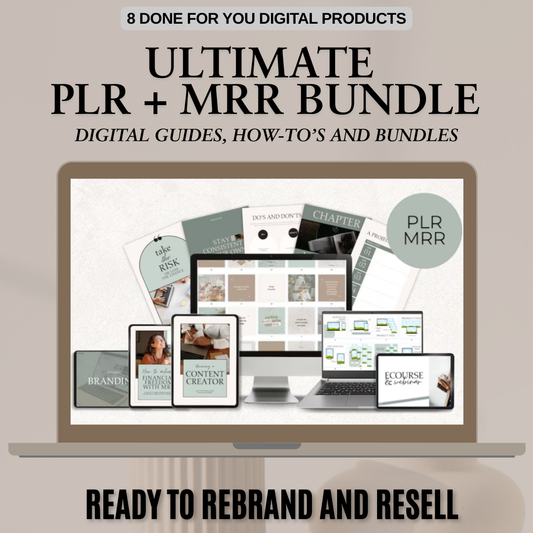
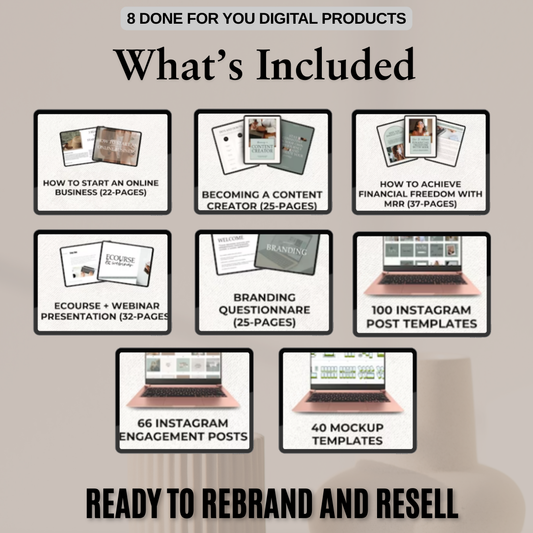
You’ll also notice that many sellers package these as done-for-you systems, which is why resources like done-for-you digital products are gaining traction—they reduce effort for the buyer and increase perceived value.
Another advantage is predictable demand cycles:
-
Back-to-school seasons (August–September in the US, January–February in Australia)
-
Exam periods
-
Homeschool planning cycles
Because of this, educational templates are not just profitable—they’re scalable and consistent.
3.5 Niche-Specific Service Provider Templates
This is where many sellers unlock higher profit margins. Niche-specific templates face less competition and solve more urgent, high-value problems.
Examples include:
-
Real estate listing templates (Just Listed, Open House, Sold graphics)
-
Beauty and lash tech branding kits (price lists, promo posts, client trackers)
-
Medical, legal, and other high-stress niches (trackers, documentation templates, scripts)
What makes these powerful is simple: the more specific the niche, the higher the willingness to pay.
For example, a general Instagram template might sell for $10—but a real estate marketing kit designed to help agents close deals can command significantly more because it’s tied directly to income.
This aligns with broader trends highlighted in guides like 100 digital products you can sell online in 2026, where niche-focused products consistently outperform generic ones.
4. Pricing Strategy for Maximum Profit
Pricing Canva templates correctly is what separates hobby sellers from profitable digital businesses.
Here’s what’s working in 2026:
-
Social media bundles: $9–$25
-
Planner bundles: $12–$40
-
Business templates: $15–$30+
For example, social media packs like those discussed in downloadable Instagram templates guides perform best when priced affordably but sold in volume.
However, pricing should always reflect outcome-based value. If your template helps someone:
-
Save hours of work
-
Generate income
-
Improve productivity
…you can—and should—price higher.
Products like Unf*ck Your Limits – Mindset Transformation Ebook or specialized guides like Motion Made Easy – AI Visual Prompts Guide show how digital products tied to transformation or skill-building can justify premium pricing.

5. Bundling Strategies That Increase Sales
Bundling is one of the simplest ways to increase revenue without creating entirely new products.
Seasonal Bundles
-
Back-to-school kits
-
Wedding season planners
-
New Year goal-setting systems
Niche Bundles
-
Coach content kits
-
Real estate marketing packs
-
Small business branding systems
Value-Boosting Add-Ons
-
Caption packs
-
Instruction guides
-
Bonus templates
For example, combining templates with practical tools—like pairing social media designs with ready-made affirmations such as 100 Pink Positive Affirmations Instagram Stories—instantly increases perceived value.
Even non-traditional templates, like creative journals such as the Travel Journal for Kids, can be bundled into themed packs for higher pricing.
The key idea is simple:
You’re not just selling templates—you’re selling a complete solution.
And in today’s market, solutions always outperform standalone designs.
6. Key Trends in Profitable Canva Templates (2026)
The Canva template market in 2026 is evolving fast, and sellers who understand these trends are the ones capturing consistent sales across the US and Australia.
Shift Toward Functional Templates Over Aesthetic Ones
The biggest shift is clear: buyers are no longer paying for “pretty”—they’re paying for purpose.
Templates that help users:
-
Grow a business
-
Stay organized
-
Save time
…are outperforming purely aesthetic designs.
For example, structured tools like a branding planner or growth-focused assets such as 30 digital marketing carousels deliver real outcomes, which is why they convert better than generic quote graphics.
Rise of Niche Micro-Markets
Instead of broad audiences, successful sellers are targeting micro-niches—very specific groups with specific needs.
Examples include:
-
Fitness coaches for busy moms
-
Real estate agents in luxury markets
-
Female entrepreneurs building personal brands
This trend is backed by growing interest in high-demand niches for PLR digital products, where niche-specific products consistently outperform general ones.
The more targeted your template is, the easier it becomes to stand out—and charge more.
Growth of the Creator Economy
The explosion of YouTube, podcasts, and personal brands has created massive demand for Canva templates.
Creators need:
-
Content graphics
-
Branding kits
-
Growth assets
This is why products like Threads to Riches – Growth Guide for Creators and visual assets like 700 Melanin Lifestyle Stock Video Reels Bundle are gaining popularity—they directly support content creation and audience growth.
Even simple assets like affirmations—such as Momentum Mastery – 50 Success Affirmations—are being repurposed into social media templates, showing how content + design is becoming a powerful combination.
Demand for Automation & Productivity Tools
Modern buyers want efficiency. Templates that reduce manual work or simplify workflows are seeing strong demand.
This includes:
-
Content calendars
-
Business systems
-
Productivity planners
Many of these fall under the broader category of digital products that focus on automation, scalability, and time-saving.
In short: the more your template acts like a “system,” the more valuable it becomes.
7. Where to Sell Profitable Canva Templates
Choosing the right platform is just as important as creating the right product. Each platform has its own advantages depending on your goals and target audience in markets like the US and Australia.
Etsy
Etsy remains one of the best platforms for beginners because it already has built-in traffic searching for digital products.
It works especially well for:
-
Planners
-
Social media templates
-
Printable downloads
If you’re starting out, guides like 25 digital planners you can sell on Etsy and digital products you can sell on Etsy without designing show just how accessible and scalable this platform can be.
Best for: Beginners, passive income, high-volume sales
Gumroad
Gumroad is ideal for creators who want more control over pricing and branding.
It works well for:
-
High-value bundles
-
Niche products
-
Creator-focused templates
Unlike Etsy, Gumroad doesn’t rely on marketplace traffic—you bring your own audience, but you keep more control over your business.
Best for: Personal brands, creators, higher-ticket products
Personal Website / Digital Store
Building your own store (like Shopify or a custom site) gives you full ownership over your brand and customer data.
This is where long-term scaling happens.
You can sell:
-
Bundles
-
Courses
-
Template kits
-
Memberships
Many sellers combine this with content marketing strategies, using blogs and SEO (like the ones you’re creating) to drive traffic and convert visitors into buyers.
Quick Platform Comparison
-
Etsy: Easy to start, built-in traffic, lower control
-
Gumroad: More control, audience required, better margins
-
Own Website: Full control, highest scalability, requires traffic strategy
The most successful sellers in 2026 don’t rely on just one platform—they combine them. For example, using Etsy for discovery while building a personal store for long-term brand growth.
8. Common Mistakes to Avoid
Even though Canva templates are one of the easiest digital products to launch, most sellers fail because they ignore what actually drives sales in today’s market.
Selling Generic Templates
Generic templates are the fastest way to get lost in search results. With thousands of listings on platforms like Etsy, broad designs simply don’t compete.
Research shows that niche-focused templates consistently outperform generic ones because they solve specific problems for specific audiences.
Instead of creating “general planners,” build targeted solutions—like business kits or entrepreneur-focused bundles similar to the Creative Entrepreneurship Collection.
Underpricing High-Value Bundles
Many beginners assume lower prices = more sales. In reality, underpricing often reduces trust and perceived value.
Buyers in high-income markets like the US and Australia associate price with quality and outcomes.
For example, curated bundles like the Black Friday Collection or transformation-driven products like the Money Mindset Collection justify higher pricing because they deliver a complete solution—not just files.
Ignoring Niche Targeting
Trying to sell to everyone leads to weak messaging and low conversions.
The most profitable Canva sellers:
-
Pick one niche
-
Solve one clear problem
-
Build multiple products around that audience
If you’re unsure where to begin, this step-by-step guide to creating and selling digital planners is a great starting point for identifying profitable niches and validating demand.
Not Packaging Templates Professionally
Even high-quality templates won’t sell if they look unprofessional.
Top sellers invest in:
-
Clean mockups
-
Clear instructions
-
Bonus resources
-
Organized delivery systems
With AI now playing a major role in digital product creation, tools highlighted in AI tools to create and launch digital products faster and ideas from 40 digital products you can create using ChatGPT can significantly improve both product quality and speed.
9. Resources & Further Reading
If you want to go deeper into building a profitable Canva template business, here are some of the most useful guides and references:
Internal Resources
-
Learn branding, positioning, and scaling with the How to Build a 6-Figure Digital Product Brand Masterclass
-
Explore content-ready assets like 30 Self Love Reels to enhance your template bundles
External Research & Industry Guides
These resources consistently highlight that problem-solving templates, niche targeting, and bundling strategies are the key drivers of profitability in 2026.
10. Conclusion
So, what are the most profitable Canva templates in 2026?
They’re not the most aesthetic—they’re the most useful.
Across markets like the United States and Australia, the templates that generate consistent income share three core traits:
-
They target a specific niche
-
They solve a real problem
-
They are sold as high-value bundles
This combination—niche + problem-solving + bundling—is what separates low-effort listings from scalable digital income streams.
The opportunity is still wide open.
You don’t need a large audience, expensive tools, or advanced design skills. Canva’s accessibility is one of the main reasons demand continues to grow, as users can easily customize templates without technical expertise.
Start simple:
-
Pick one niche
-
Create one high-value bundle
-
Focus on solving one clear problem
Then expand.
Because in today’s digital product economy, the sellers who win aren’t the ones who create the most—they’re the ones who create what people actually need.
Frequently Asked Questions (FAQs)
1. What are the most profitable Canva templates to sell in 2026?
The most profitable Canva templates are those that solve real problems for specific audiences. Top categories include social media content bundles, business templates (like pitch decks and onboarding kits), digital planners, and niche-specific templates for industries like real estate, coaching, and education. Templates that are bundled and outcome-focused consistently generate higher income.
2. How much money can you make selling Canva templates?
Earnings vary depending on niche, pricing, and marketing, but many sellers make anywhere from a few hundred to several thousand dollars per month. High-performing sellers focus on niche markets, create bundled products, and list their templates on platforms like Etsy or their own websites to scale income.
3. Do I need design skills to sell Canva templates?
No, advanced design skills are not required. Canva is beginner-friendly, and many successful sellers use simple, clean designs. What matters more is understanding your target audience and creating templates that solve specific problems rather than focusing only on aesthetics.
4. Where is the best place to sell Canva templates?
The best platform depends on your goals. Etsy is great for beginners due to built-in traffic, while platforms like Gumroad or your own website offer higher profit margins and full control over branding. Many sellers use a combination of platforms to maximize reach and revenue.
5. Should I sell single templates or bundles?
Bundles are significantly more profitable than single templates. Buyers prefer complete solutions, such as full content kits or planner systems, rather than individual designs. Bundling also increases perceived value, allowing you to charge higher prices and generate more consistent sales.
🎬 Want a visual walkthrough?
If you’d rather watch than read, here’s the full explainer video covering everything in this guide: