







1. Introduction: Why Digital Products Are Dominating Online Income in 2026
If you’ve been searching for a scalable way to make money online in 2026, digital products are leading the charge across markets like the USA and Australia. From Etsy sellers generating consistent daily sales to creators on Gumroad building passive income streams, digital products have quickly become one of the most profitable online business models today.
🎥 Prefer watching instead of reading?
Watch the full step-by-step explainer video below.
At their core, digital products are intangible assets—files or resources that customers can download or access instantly. These include planners, templates, eBooks, courses, and even AI-powered tools. Unlike physical products, they don’t require manufacturing, storage, or shipping, making them incredibly efficient to sell globally.
What makes them even more powerful is the combination of low overhead and high scalability. Once created, a single product can be sold repeatedly without additional production costs. This is why many entrepreneurs are shifting toward models like done-for-you digital products, which allow beginners to start selling almost immediately.
Key Benefits of Digital Products
-
High Profit Margins: With no production or logistics costs, margins can reach 80–95%, especially with products like PLR digital products
-
No Inventory or Shipping: Everything is delivered instantly, eliminating operational headaches
-
Scalable & Passive Income: Sell to unlimited customers without increasing workload
In fact, many creators are now combining multiple income streams—such as planners, templates, and courses—into a single ecosystem. For example, products like Instagram Growth Masterclass or the Organic Growth Marketing Bundle show how knowledge-based digital assets can generate consistent revenue.
In this blog, you’ll discover the most profitable digital products to sell online, how they work, where to sell them, and how to position yourself for success in today’s competitive digital marketplace. If you’re just starting out, you can also explore this deeper guide on digital products to sell to understand the full landscape.
2. Why Digital Products Are So Profitable
The profitability of digital products comes down to a simple equation: low cost + unlimited scalability = high returns. Unlike traditional businesses, where each sale requires additional resources, digital products break that limitation completely.
Cost vs Profit Breakdown
Creating a digital product often involves a one-time investment—your time, effort, and minimal tools like Canva or Notion. After that, every sale is כמעט pure profit. For example:
-
A planner created once can sell thousands of times
-
A template priced at $20 can generate six figures with volume
-
PLR bundles can deliver margins as high as 90%
If you look at trending categories like digital planners, you’ll notice top Etsy sellers achieving massive sales numbers with relatively simple products.
Scalability and Automation Advantages
Digital products can be fully automated:
-
Customers purchase → receive instant download
-
No manual fulfillment required
-
Platforms like Etsy, Gumroad, and Shopify handle transactions
This means you can run your business 24/7, selling to customers in the US, Australia, and globally—without being actively involved in each sale.
Passive Income Potential Explained
While creating the product requires upfront effort, the long-term payoff is where digital products shine. Once your product is live:
-
It can generate income daily
-
You can bundle or upsell for higher revenue
-
You can expand into multiple product lines
Many entrepreneurs accelerate this process by using done-for-you digital products, allowing them to skip creation and focus purely on selling.
Market Demand Trends (USA & Australia)
Demand for digital products continues to grow rapidly, especially in English-speaking markets like the United States and Australia:
-
Etsy: Dominates printables, planners, and templates
-
Gumroad: Popular among creators selling courses and digital assets
-
Shopify: Ideal for building branded digital stores
Trends also show increasing demand for:
-
Productivity tools (Notion templates, planners)
-
Content creation assets
-
Online learning and skill-based courses
As more people look for flexible income streams and online solutions, digital products are no longer just a trend—they’re becoming a core pillar of the modern online economy.
3. Top Categories of Profitable Digital Products
If you’re looking to build a sustainable online income in the USA or Australia, choosing the right category is everything. The most profitable digital products are those with high demand, repeat usability, and instant value delivery. Below are the top-performing categories dominating marketplaces like Etsy, Gumroad, and Shopify in 2026.
3.1 Digital Planners & Productivity Tools
Digital planners continue to be one of the best-selling digital products worldwide, especially among productivity-focused audiences. These include:
-
Goal trackers
-
Daily, weekly, and monthly planners
-
Notion dashboards and systems
They sell exceptionally well because they solve a specific problem—organization and time management—which is always in demand. Many sellers bundle multiple features into one product to increase perceived value.
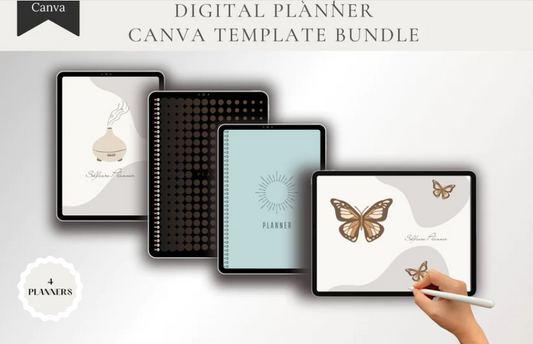
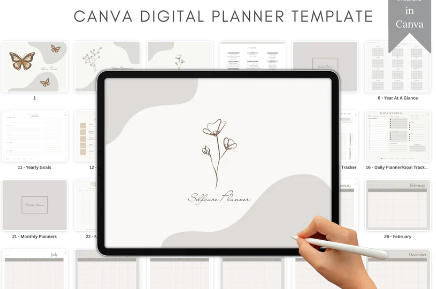
You can explore high-converting examples inside the Plan & Prosper collection, which highlights how structured planning tools can be turned into profitable digital assets.
3.2 Templates for Creators & Businesses
Templates are another high-demand category because they save time and effort for users. Instead of creating from scratch, customers can simply customize and use.
Popular types include:
-
Social media templates (Instagram posts, reels covers)
-
Resume and CV templates
-
Excel budget trackers
With the rise of content creators and online businesses in markets like the US and Australia, demand for ready-made assets is booming. For example, the Post Perfection collection and Words That Sell demonstrate how content-focused templates can drive consistent sales.
3.3 Printables
Printables are one of the easiest digital products to create and sell, making them ideal for beginners. They are:
-
Low-cost to produce
-
Easy to scale
-
Evergreen in demand
Top-selling printables include:
-
Wall art
-
Coloring books for kids and adults
-
Recipe cards
-
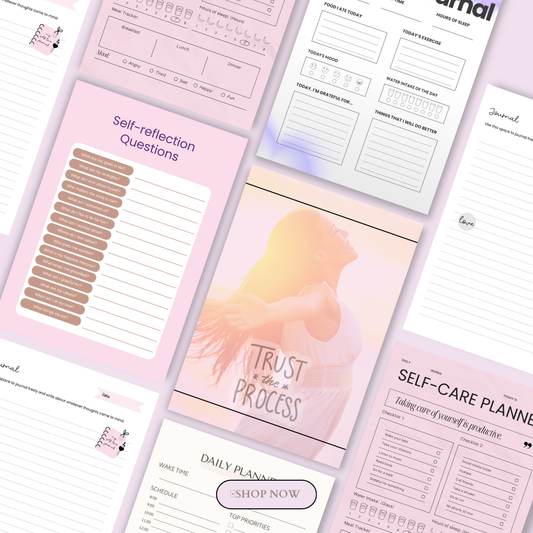
Self-improvement worksheets
These products perform especially well on Etsy, where buyers actively search for instant downloads. If you’re starting out, this guide on digital products and the detailed 100 digital products you can sell online in 2026 can help you identify profitable niches quickly.
3.4 Online Courses & eBooks
Online education is booming in both the USA and Australia, making courses and eBooks one of the highest-income digital product categories.
These products focus on:
-
Skill-based learning
-
Outcome-driven results
For example:
-
“How to set up a Shopify store”
-
“Instagram growth strategies”
-
“Freelancing for beginners”
Creators are packaging their knowledge into premium offers, often supported by structured programs like those found in the Masterclasses collection. These can generate significant revenue, especially when paired with strong personal branding.
3.5 PLR & MRR Digital Products
PLR (Private Label Rights) and MRR (Master Resell Rights) products are gaining massive popularity because they offer a fast-track entry into digital selling.
What they mean:
-
PLR: You can modify, rebrand, and sell as your own
-
MRR: You can resell the product and keep 100% profit
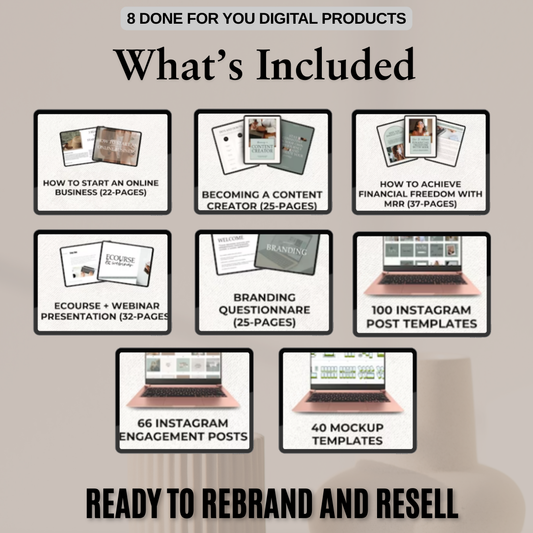
These products are ideal for beginners who don’t want to create from scratch. Instead, they can focus on marketing and scaling. If you’re exploring beginner-friendly ideas, this list of digital products you can sell on Etsy without designing is a great starting point.
3.6 AI Tools & Prompt Packs
One of the fastest-growing trends in 2026 is AI-powered digital products. These include:
-
ChatGPT prompt packs
-
AI-generated content systems
-
Automation workflows
They are popular because they help users save time, increase productivity, and scale content creation effortlessly.
Examples include:
-
Content writing prompts
-
Marketing automation scripts
-
Image generation packs
You can see real-world implementations in collections like AI Prompt Packs and the AI Image Collection. Even creative assets like the Lightroom Preset Collection align with this trend, helping creators enhance visuals instantly.
By focusing on these categories, you position yourself in high-demand, high-profit niches that are already proven to work in competitive markets like the United States and Australia.

4. Profitable Digital Product Examples (With Real Potential)
To succeed in competitive markets like the USA and Australia, it’s not just about choosing a category—it’s about picking proven digital products that already generate consistent sales. Below are some of the most profitable digital product types in 2026, backed by real earning potential and market demand.
4.1 Digital Planners & Templates
Digital planners and templates are among the top-selling products on Etsy, with many shops reaching tens of thousands of sales.
-
Price Range: $10–$50 per product
-
Examples: Notion templates, Excel budget trackers, goal planners
-
Why They Work: They solve everyday problems like organization, productivity, and financial tracking
Bundles and niche-specific planners perform exceptionally well, especially when designed for students, entrepreneurs, or busy professionals. You can explore practical examples inside the Plan & Prosper collection, which showcases how structured planning tools are packaged for profit.
4.2 Printables
Printables are a low-risk, beginner-friendly entry point into digital products, with consistent demand across evergreen niches.
-
Popular Niches: Wellness, self-improvement, DIY, home decor
-
Examples: Wall art, coloring books, recipe cards, worksheets
-
Earning Model: High-volume, low-ticket sales
These products thrive because they are simple, affordable, and instantly downloadable—making them ideal for impulse buyers on platforms like Etsy. For more ideas, this guide on best digital products to sell online in 2026 highlights additional high-performing printable concepts.
4.3 PLR/MRR Digital Products
PLR (Private Label Rights) and MRR (Master Resell Rights) products offer one of the fastest ways to start earning online.
-
Profit Margins: 80–95%
-
Best For: Beginners and non-designers
-
Key Advantage: No need to create from scratch
You can rebrand, customize, and resell these products as your own, making them a powerful shortcut to launching a digital business. For example, products like The Ultimate Branding Course with Master Resell Rights allow you to tap into high-value markets instantly.
4.4 AI Digital Products
AI-powered digital products are one of the fastest-growing trends in 2026, especially in the US and Australian markets where automation and efficiency are highly valued.
-
Examples:
-
Prompt packs for content creation
-
Workflow automation kits
-
AI-generated design assets
These products require minimal effort to create but offer massive value to users looking to save time. You can dive deeper into this trend with this resource on 40 digital products you can create using ChatGPT or AI tools.
Collections like Post Perfection and Reel Power Packs show how AI and content systems can be packaged into high-demand digital offers.
4.5 Courses & Memberships
If you’re aiming for high-ticket and recurring income, courses and memberships are the most profitable model.
-
Revenue Model: One-time payments + recurring subscriptions
-
Earning Potential: Up to $50,000/month (for niche experts)
-
Examples: Marketing courses, social media growth programs, business training
Courses that promise clear outcomes—like growing an Instagram account or launching a business—perform best. For example, this Instagram Masterclass guide shows how structured learning products can attract and convert audiences effectively.
5. Best Platforms to Sell Digital Products
Choosing the right platform is crucial for maximizing your reach and revenue. Each platform serves a different purpose depending on your product type and business goals.
5.1 Etsy
Etsy remains one of the best platforms for beginners, especially for:
-
Printables
-
Digital Planners
-
Templates
Key Advantage: Built-in traffic from millions of active buyers searching for instant downloads.
This makes it easier to get sales without needing a large audience, particularly in high-demand regions like the USA and Australia.
5.2 Gumroad
Gumroad is ideal for creators who want a simple, no-fuss way to sell digital products.
-
Best for: Courses, eBooks, prompt packs
-
Easy setup and direct selling
-
Built-in payment processing
It’s especially popular among solo creators and freelancers who want to monetize quickly without technical complexity.
5.3 Shopify
For those looking to build a long-term brand, Shopify offers full control and scalability.
-
Create your own digital storefront
-
Automate product delivery
-
Integrate marketing tools and funnels
Shopify is best suited for scaling your business into a full digital product ecosystem, where you can combine planners, templates, courses, and AI tools under one brand.
6. Tools to Create Digital Products
Creating digital products in 2026 doesn’t require expensive software or advanced technical skills. In fact, some of the most successful sellers in the USA and Australia rely on simple, low-cost tools to build high-income digital assets.
Canva (Design & Templates)
Canva is one of the most popular tools for designing:
-
Social media templates
-
Printables (planners, worksheets, wall art)
-
eBooks and guides
Its drag-and-drop interface makes it beginner-friendly while still powerful enough for professional results. Many sellers use Canva to create products similar to those featured in New Monthly Drops, where fresh, trend-based designs are key to staying competitive.
Notion (Systems & Planners)
Notion has become a top choice for creating:
-
Productivity systems
-
Digital planners
-
Business dashboards
Notion templates are especially востребованы in productivity and entrepreneur niches, offering high perceived value with minimal creation cost.
Low-Cost Creation Strategy
The key to maximizing profit is keeping your costs low while delivering high value:
-
Use free or affordable tools (Canva, Notion)
-
Repurpose existing content into multiple products
-
Start with proven ideas instead of reinventing the wheel
Many beginners accelerate their journey by using ready-made resources like AI prompt packs or exploring platforms like Resell Ready for inspiration and product ideas.
If you’re new, this guide on what are digital products and how to sell them in 2026 provides a strong foundation to get started.
7. How to Choose a Profitable Digital Product Idea
Choosing the right idea is the difference between a product that sells once and one that sells consistently every day. In competitive markets like the US and Australia, validation is essential.
Market Validation Using Etsy Search
Etsy is one of the best platforms to validate demand:
-
Search for your product idea
-
Analyze top-selling listings
-
Look for products with high reviews and sales
This helps you identify what’s already working so you can create something similar—but better.
For a beginner-friendly breakdown, this guide on digital products to sell on Etsy for beginners explains how to validate ideas step by step.
Using Tools Like eRank
eRank helps you:
-
Find trending keywords
-
Analyze competition levels
-
Discover profitable niches
This data-driven approach ensures you’re not guessing—you’re building based on real demand.
Identifying Low-Competition Niches
Instead of targeting broad categories like “planners,” go niche:
-
Fitness planner for busy moms
-
Budget tracker for students
-
Social media templates for real estate agents
Niche products are easier to rank and convert better because they solve specific problems.
Matching Product with Audience Demand
Your product should align with:
-
What people are actively searching for
-
What problems they want solved
-
What they are willing to pay for
You can also explore trending ideas in this list of most profitable digital products to sell in 2026 to refine your direction.
8. Pricing Strategy for Maximum Profit
Pricing your digital product correctly is crucial for maximizing revenue while staying competitive in global markets like the USA and Australia.
Typical Price Range: $7–$97
Most digital products fall within this range:
-
Low-ticket ($7–$27): Printables, simple templates
-
Mid-ticket ($27–$57): Advanced planners, bundles
-
High-ticket ($57–$97+): Courses, premium systems
Your pricing should reflect the value and outcome your product delivers.
Value-Based Pricing
Instead of pricing based on effort, price based on results:
-
Does your product save time?
-
Does it help users make money or improve their life?
For example, a business template that helps someone earn income can be priced much higher than a simple printable.
Bundling for Higher Order Value
Bundles increase perceived value and boost revenue:
-
Combine multiple products into one offer
-
Offer “complete systems” instead of single files
Collections like All MRR Products and ready-made bundles such as the Gemma Bundle show how bundling can significantly increase profit margins.
Upsells and Product Stacking
Maximize each customer by offering:
-
Upsells (premium versions, add-ons)
-
Cross-sells (related products)
-
Membership or subscription options
This strategy turns a single purchase into multiple revenue streams, helping you scale faster without needing more traffic.
By using the right tools, validating your ideas, and applying smart pricing strategies, you can build a highly profitable digital product business that performs well in both the US and Australian markets.
9. How to Market Your Digital Products
Marketing your digital products effectively is what separates consistent sellers from those who struggle to make their first sale. In 2026, social media platforms like TikTok and Instagram are powerful drivers of traffic, engagement, and conversions for digital products in both the USA and Australian markets.
TikTok Marketing Strategy
TikTok’s algorithm favors short, entertaining content that educates, inspires, or solves a problem. For digital products:
-
Create tutorials or behind-the-scenes content showing how your product works
-
Use trending sounds and hashtags to reach a wider audience
-
Show real-life results to build trust
For example, creators leverage prompt packs like AI Prompt Packs or reels bundles such as The Content Girl Collection to demonstrate real value and drive sales.
Instagram Content Approach
Instagram remains key for visual storytelling:
-
Use carousel posts to explain your product benefits
-
Share tutorials or transformation stories
-
Highlight bundles like Word That Sell for content ideas and engagement
Instagram reels can also amplify reach, especially when paired with AI tools like the Director’s Cut Prompt Pack.
Leveraging Trends and Virality
To maximize sales, tap into viral trends:
-
AI-generated content and hyperrealistic visuals are trending
-
Use scroll-stopping visuals like the Hyperrealism AI Guide or MidJourney Mastery Guide Collection
-
Pair trending formats with your product’s solution to create high-converting content
Audience Targeting
Understanding your audience ensures you’re marketing to buyers who are ready to purchase:
-
Research niche communities on TikTok, Instagram, and Pinterest
-
Build content addressing their pain points
-
Highlight benefits and immediate results to encourage clicks
For additional strategies and case studies, check out guides on PLR digital products and digital products.
10. Key Trends in Digital Products (2026)
Staying ahead of trends ensures your digital products remain profitable and in-demand. Here are the top trends shaping the market in 2026:
-
AI-Powered Designs: Products using AI tools for images, prompts, and content creation are highly sought after. Examples include Prompt Stacking Secrets.
-
Interactive PDFs: Digital planners, worksheets, and guides now feature interactive elements for higher engagement.
-
Automation-Based Products: AI and workflow packs streamline tasks for creators and businesses, reducing manual work.
-
Increasing Demand for Digital Efficiency Tools: Tools like Notion templates and social media bundles solve real problems, driving repeat purchases.
These trends apply globally, especially in tech-savvy markets like the USA and Australia. Market leaders leverage them for higher conversions, visibility, and scalability.
11. Conclusion
Digital products are an incredible way to earn scalable and passive income in 2026. To recap:
-
Most profitable product types: Planners, templates, printables, AI tools, PLR products, courses, and memberships
-
Marketing tips: Leverage TikTok and Instagram, use trends, target the right audience, and create high-value content
-
Start small and scale: Test products, refine your niche, bundle offerings, and expand based on what works
There’s never been a better time to start selling digital products, thanks to global demand, accessible tools, and growing marketplaces. By focusing on profitable niches and smart marketing, anyone can build a sustainable online business.
12. Suggested Next Reads
To expand your knowledge and accelerate your digital business growth, explore these resources:
These guides complement the strategies in this blog, giving you actionable steps to launch, market, and scale your digital products successfully in both the US and Australian markets.
FAQ – Profitable Digital Products to Sell Online
1. What are digital products and why are they profitable?
Digital products are intangible assets like planners, templates, eBooks, courses, and AI tools that customers can download or access instantly. They are profitable because they have low creation costs, no inventory or shipping, and can be sold repeatedly, offering high margins and passive income potential. Learn more in this guide on digital products.
2. Which digital products sell best in 2026?
Top-selling digital products in 2026 include:
-
Digital planners and productivity templates (Plan & Prosper collection)
-
Printables (wall art, coloring books, worksheets)
-
PLR/MRR products for reselling
-
AI prompt packs and automation tools (AI Prompt Packs)
-
Online courses and membership programs
These products are in high demand on platforms like Etsy, Gumroad, and Shopify.
3. How can I validate a digital product idea before creating it?
Market validation is key to success. Start by:
-
Checking Etsy search results for similar products
-
Using tools like eRank to assess competition
-
Identifying niches with high demand but low competition
-
Ensuring your product solves a specific problem for your audience
This process ensures you’re investing in products that will sell consistently. For beginners, this guide on digital products to sell on Etsy is highly recommended.
4. Where should I sell digital products online?
The most popular platforms for digital products include:
-
Etsy: Ideal for planners, templates, and printables with built-in traffic
-
Gumroad: Great for courses, prompt packs, and direct-to-customer sales
-
Shopify: Best for full control, automation, and scaling multiple product lines
Choosing the right platform depends on your product type, audience, and business goals.
5. How should I price my digital products for maximum profit?
Digital products are typically priced between $7–$97, depending on complexity and value. Key strategies include:
-
Value-based pricing: Charge based on the results your product delivers
-
Bundling: Combine products to increase perceived value
-
Upsells and product stacking: Offer complementary items to boost revenue
Bundling strategies like those seen in the Gemma Bundle can significantly increase profit per customer.
🎬 Want a visual walkthrough?
If you’d rather watch than read, here’s the full explainer video covering everything in this guide: