




Introduction
If you're a small business owner in the US, the UK, or Australia, you've probably already got a folder full of marketing apps you barely open. The truth is, most small businesses don't have a tool problem — they have a stack problem. Buying another app rarely fixes weak lead flow or inconsistent sales. What actually moves the needle is choosing the right combination of digital marketing products, whether that's software you run yourself or a done-for-you package someone else manages for you.
🎥 Prefer watching instead of reading?
Watch the full step-by-step explainer video below.
Broadly, small business owners have two paths to choose from:
-
DIY tools and platforms — software you set up and run yourself, from SEO trackers to email marketing platforms
-
Done-for-you service packages — monthly retainers where an agency or freelancer handles the marketing on your behalf
There's also a growing middle ground: hybrid products like templates, courses, and resell-ready digital products that let you skip the build-from-scratch stage entirely. Platforms like The Go Digital World and ResellReady have made this hybrid path far more accessible for small business owners who want professional-grade marketing assets without hiring a full team.
This post breaks down exactly what digital marketing products are, the core categories every small business should know, and how to figure out which mix — tools, packages, or hybrids — is right for where your business is right now.
What "Digital Marketing Products" Actually Means for Small Businesses
The term "digital marketing products" covers more ground than most business owners realize. In practice, it falls into three buckets:
Marketing Software Tools
This is the DIY category — SEO platforms, email marketing software, social media schedulers, analytics dashboards, and AI content tools. You pay a subscription, log in yourself, and do the work (or automate as much of it as possible).
Done-for-You Service Packages
These are monthly retainers where an agency or contractor manages your marketing for you — think SEO, social media, email campaigns, and paid ads bundled into a single package with regular reporting.
Hybrid Options: Templates, Courses, and Productized Digital Products
This is where things get interesting for small business owners on a budget or timeline. Instead of building marketing assets from scratch or paying for a full-service retainer, you can buy pre-built digital products and plug them straight into your business. This includes:
-
Templates and funnels — done-for-you assets like the Naomi Mega Funnel, a fully branded, instant-download funnel that would otherwise take weeks to design
-
Courses with resell rights — resources such as The Ultimate Branding Course with Master Resell Rights, which double as both a learning tool and a resellable asset
-
Bundles — curated collections like the Luna Bundle that group multiple digital products together for a single price
-
Masterclasses — structured masterclass collections covering specific marketing skills
-
AI prompt packs — ready-made AI prompt packs that speed up content creation for social media, email, and ad copy
-
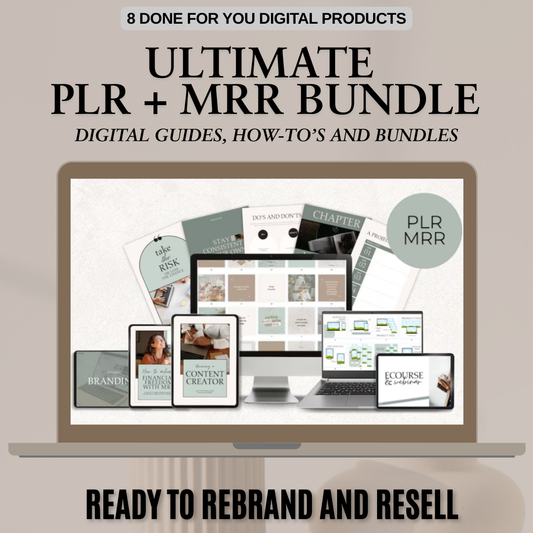
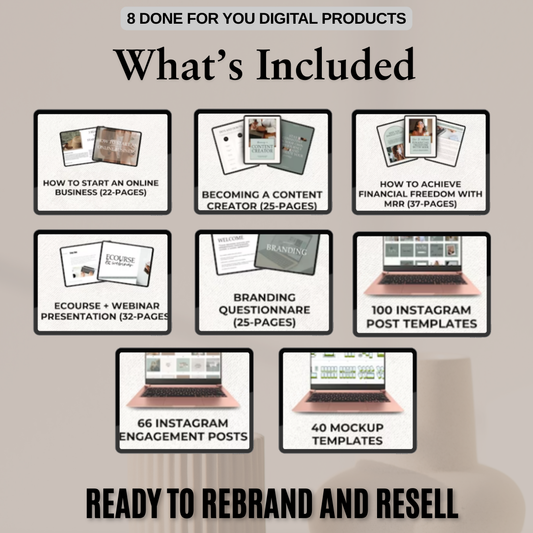
PLR and MRR digital products — as explained in this guide to PLR digital products, Private Label Rights and Master Resell Rights products let you use or resell existing content as your own, cutting out the creation phase entirely
-
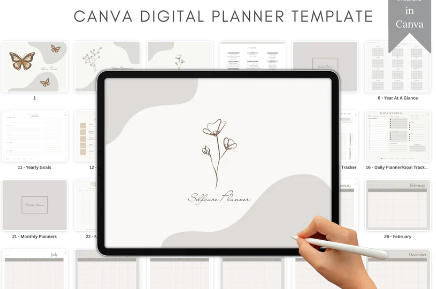
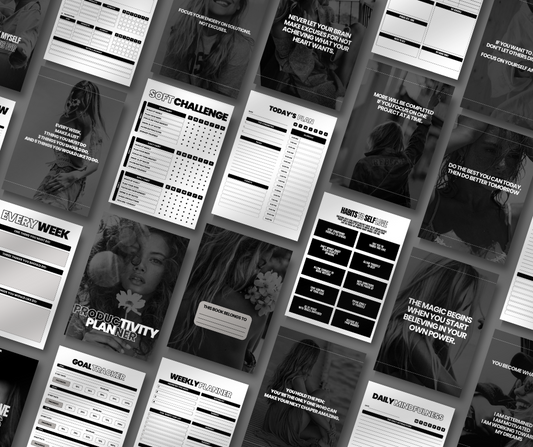
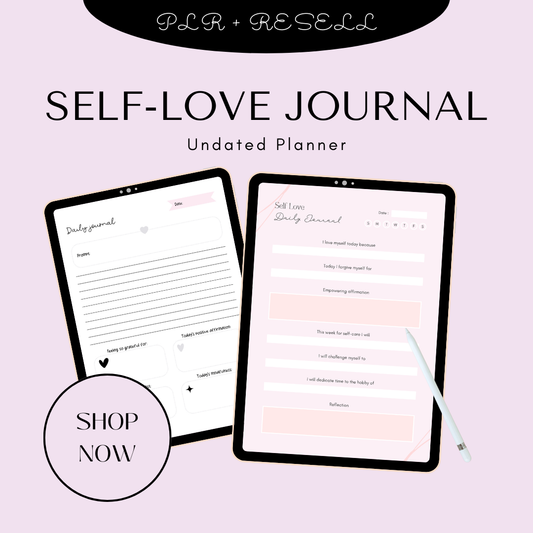
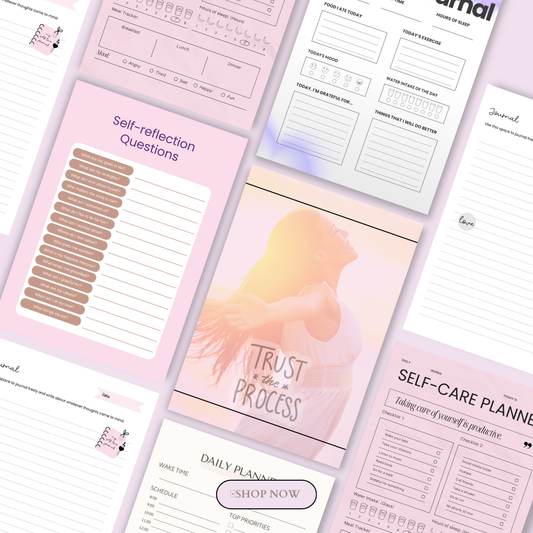
Digital planners — popular with service-based businesses and creators, including options built specifically for iPad and GoodNotes users, and browsable planner collections
For business owners who want a broader view of what's available in this space, resources like 100+ digital products you can sell online in 2026 and this general guide to digital products to sell lay out the full landscape — useful whether you're buying these products to use internally or exploring them as a revenue stream of your own.
The bottom line: you don't need more tools sitting unused in a dashboard — you need a stack (software, services, or ready-made digital products) that actually moves leads and sales.
Core Categories of Digital Marketing Products
SEO & Local Visibility Products
Ranking on Google — whether your customers are searching from New York, Sydney, or London — comes down to a mix of technical health, keyword targeting, and local presence. Google Search Console is your free starting point for indexing and query data, while platforms like Semrush and Ahrefs handle deeper keyword research and competitor analysis. Screaming Frog is the go-to for technical audits (broken links, duplicate content, redirect chains), and for local businesses, a fully optimized Google Business Profile paired with BrightLocal or Whitespark keeps your citations and reviews in order.
Service-style product: If building out an SEO and content engine from scratch feels overwhelming, an organic growth marketing bundle can shortcut the process with ready-to-use assets. And if you're deciding what content or niche to focus your SEO efforts on, this breakdown of high-demand niches for PLR digital products that sell fast is a useful reference for spotting topics with real search demand.
Email Marketing & CRM Products
Email remains one of the highest-ROI channels available to small businesses, often cited around $36–$40 return for every $1 spent. Kit (formerly ConvertKit) offers a generous free tier up to 10,000 subscribers, Mailchimp is a familiar starting point for smaller lists, and ActiveCampaign adds advanced automation and lead scoring for service businesses with longer sales cycles. Brevo bundles email, SMS, and live chat, while HubSpot's free CRM is a solid option as your contact list and deal pipeline grow.
Social Media & Content Creation Products
Staying visible on Instagram, Facebook, LinkedIn, or TikTok means consistent posting and decent-looking content — without burning hours every day. Buffer's free plan covers three channels, Later is built around visual planning (strong for Instagram and TikTok), Canva handles graphics and branded templates, and Hootsuite scales up for businesses posting across more than two platforms.
Service-style product: For businesses that want a faster route to a professional content presence, downloadable social media templates for Instagram that actually convert can replace hours of design work, and an Instagram growth masterclass is worth exploring if organic growth is the priority. If you're a creator or content-driven brand specifically, this guide on digital products for content creators in 2026 breaks down what's worth investing in.
Analytics, Behavior & Website Performance Products
You can't improve what you don't measure. Google Analytics 4 is the standard for tracking sessions, conversions, and traffic sources, while Microsoft Clarity gives you free session recordings and heatmaps to see exactly where visitors drop off. Hotjar adds surveys and feedback widgets on top of similar heatmap functionality. On the performance side, Google PageSpeed Insights checks your Core Web Vitals (the same metrics Google uses for ranking), and GTmetrix offers more detailed waterfall diagnostics for ongoing monitoring.
PPC & Ad Management Products
Paid ads can accelerate growth fast, but only with the right setup. Google Ads Editor allows bulk campaign management and offline edits, WordStream's free Performance Grader instantly audits your account across nine key areas, and Optmyzr automates bid adjustments and budget pacing once your spend justifies it (generally $5K+/month).
Service-style product: If Facebook and Instagram ads feel like a black box, it's often worth talking to someone who runs them daily — you can book a free Facebook ads strategy call to get a clearer read on where your ad budget should actually go.
AI & Automation Products
AI tools have become a genuine time-saver for small business marketing — drafting blog posts, ad copy, email sequences, and content ideas in a fraction of the time. ChatGPT and Claude are strong general-purpose options for long-form and nuanced writing, while Jasper is built specifically for marketing teams that need consistent brand voice across templates and campaigns.
If you're new to the idea of using (or even selling) AI-assisted digital products, this complete beginner's guide to what a digital product actually is is a good primer, and this list of 40 digital products you can create using ChatGPT or AI tools shows just how far AI-assisted content can stretch — from lead magnets to full digital courses. For business owners curious about more technical digital products, this look at top-rated digital courses for learning coding is also worth a browse.

Typical Digital Marketing Service Packages (Done-For-You)
Not every small business owner wants to run their own marketing stack — and that's exactly what done-for-you service packages are for. Instead of managing five tools yourself, an agency or freelancer handles strategy, execution, and reporting for a flat monthly fee. For a broader look at what "done-for-you" actually covers beyond agency retainers, this guide to done-for-you digital products is a helpful companion resource — many of the same principles apply whether you're outsourcing a marketing function or buying a ready-built asset.
Common Package Tiers
Based on typical 2026 agency offerings, most packages fall into three or four tiers:
|
Tier |
Typical Investment |
What's Included |
Best For |
|
Foundation |
Entry-level (e.g., $500–$700/mo) |
Google Business Profile setup, basic SEO, 1 social channel, hosting, basic analytics |
New businesses, solo operators |
|
Growth |
Mid-tier (e.g., $1,200–$1,500/mo) |
Expanded SEO, blog content, 2 social channels, email marketing, review automation |
Established local services |
|
Dominance |
Comprehensive (e.g., $1,500–$2,500+/mo) |
Advanced SEO, paid ads, SMS + email sequences, CRO, virtual receptionist, expanded content |
Competitive markets, growth mode |
|
Custom multi-location |
Aggressive |
Full website rebuild, multi-location SEO, multi-platform social, CRM, advanced automation |
Multi-location or high-ticket businesses |
If you're weighing whether to invest in a package like this versus running things yourself, it helps to think about it the same way you'd think about any other business investment — this piece on financial freedom through side hustles is a useful reminder that marketing spend should be judged by the return it generates, not just the sticker price.
What Should Be Included vs. What Shouldn't Be an Upsell
A properly structured package should already include:
-
Monthly reports (proof of work, not a premium add-on)
-
Basic Google Business Profile posts/updates, if GBP management is part of the deal
-
SSL certificates (free via Let's Encrypt)
-
Minor content edits — seasonal offers, new services, hour changes
-
Website backups
-
Full access to your own accounts (domain, site, GBP, analytics, social)
Red flags to watch for:
-
Being charged extra for monthly reports, SSL, backups, or basic GBP posts
-
Proprietary websites you can't take with you if you leave
-
Long auto-renew contracts with narrow cancellation windows
A "Minimum Viable" Free Stack to Start With
If budget is tight, you can cover most of the basics with a $0/month stack:
-
Google Business Profile — local visibility in Maps and local search
-
Google Search Console — SEO insights straight from Google
-
Google Analytics 4 — traffic and conversion data
-
Microsoft Clarity — heatmaps and session recordings
-
Kit (ConvertKit) — email marketing up to 10,000 subscribers, free
-
Buffer — schedule posts on 3 social channels
-
Canva — create graphics and social posts
-
ChatGPT — draft content, emails, and ad copy
-
PageSpeed Insights — check site performance
To round out a free stack with a bit of structure, browsable resources like planners and The Planner Collection are worth a look for organizing your content calendar and business goals — and if you're starting fresh, a New Year, New Me collection or a money mindset collection can help set the right foundation before you start spending on paid tools.
When you're ready to invest, adding Semrush (~$140/mo) and Canva Pro (~$13/mo) creates a near-professional stack for roughly $153/mo.
How to Choose the Right Digital Marketing Products
Identify Your Biggest Bottleneck
Before buying another tool or signing up for another retainer, get honest about what's actually holding your business back. Broadly, it comes down to one of three problems:
-
No leads — start with local SEO, Google Business Profile, and email/CRM basics
-
No content — lean on AI writing tools, Canva, and a proper content calendar
-
Too many tools, not enough results — consolidate into an integrated stack, or hand it off to a managed package
If content creation is the bottleneck, it's worth knowing that plenty of small business owners solve this by buying pre-built assets rather than starting from a blank page — done-for-you digital products that actually sell is a good place to see what that looks like in practice.
Match Tools to Business Type
The right stack depends heavily on what kind of business you're running:
-
E-commerce — prioritize email/CRM tools, referral programs, and paid ads
-
Service businesses — prioritize local SEO, Google Business Profile, reviews, and email/SMS nurture sequences
-
Content-heavy brands — add AI writing tools (Jasper, ChatGPT, Claude), a social scheduler, and strong copywriting resources like the words that sell collection for higher-converting captions, emails, and product descriptions
If your business model includes selling your own digital products alongside your services — a common move for coaches, consultants, and content creators — this complete step-by-step guide to selling digital products online walks through the process from start to finish, and Digital Planners 101 is a useful niche-specific example of how that works in practice.
Start Lean, Then Scale
You don't need a full marketing department to get moving:
-
Solo founders — a free CRM (HubSpot), free design tool (Canva), and free email platform (Kit or Mailchimp) will cover the basics
-
Growing teams — layer in automation (ActiveCampaign), social scheduling (Hootsuite or Buffer), and SEO tracking (Semrush or Ahrefs)
For solo founders specifically, staying organized matters as much as any software tool. Resources like a digital planner bundle or a dedicated social media planner can keep your content calendar and business goals on track without adding another subscription to your stack. And because burnout is a real risk when you're wearing every hat, tools built around mindset and pacing — like The Wealth Mindset Journal, the Quantum Manifestation Planner, or a lighter resource like 30 Days to a Better You — are worth considering alongside your marketing stack, not instead of it. For women running solo businesses specifically, something like Stress Less, Glow More tackles the confidence side of building a business, which is easy to overlook amid all the tool talk.
Prefer Integrated Stacks Over Fragmented Tools
Integrated stacks — where your email platform, website, and analytics all talk to each other — consistently outperform a pile of disconnected tools, because data flows automatically instead of requiring manual exports and imports. This also cuts down on admin time, which for most small business owners is the real hidden cost of a bloated tool stack. If visual content is part of your workflow, an AI image collection can plug directly into your existing content pipeline rather than adding a separate design process to manage.
Conclusion
There's no single "right" answer between DIY tools, done-for-you packages, and hybrid digital products — the right mix depends on your bottleneck, your budget, and the type of business you're running. A new solo service business might do fine on a free stack for the first six months. A growing e-commerce brand might get more value from an integrated package with paid ads and email automation built in. The goal isn't to collect tools — it's to build a stack that actually moves leads and sales.
Whichever path fits your business, it's worth exploring the full range of templates, courses, and done-for-you assets available before committing to a monthly retainer or building everything from scratch.
Further Reading
-
Marketing Tools for Small Business Owners: 2026 Guide — Hook Digital
-
Best Small Business Marketing Tools — Rank Math
-
14 Best Marketing Tools for Small Business (2026) — Upmetrics
Frequently Asked Questions
What are digital marketing products for small businesses?
Digital marketing products are the tools, software, and services small businesses use to attract and convert customers online. This includes SEO platforms, email marketing tools, social media schedulers, analytics dashboards, paid ad managers, and AI content tools — as well as done-for-you service packages and hybrid options like templates, courses, and pre-built digital products.
Do I need to pay for digital marketing tools, or can I start for free?
You can cover most of the basics with free tools — Google Business Profile, Google Search Console, Google Analytics 4, Microsoft Clarity, and free tiers of platforms like Kit, Buffer, and Canva all cost nothing to start. As your business grows, upgrading to paid tools like Semrush or Canva Pro typically adds only $100–$200/month for significantly more capability.
How much do digital marketing service packages typically cost?
Done-for-you marketing packages usually range from $500–$700/month for entry-level foundation packages up to $1,500–$2,500+/month for comprehensive packages that include paid ads, SEO, content, and CRO. Custom multi-location packages can run higher depending on scope.
How do I know if I need software tools or a done-for-you package?
It comes down to time, budget, and skill level. If you have the time to learn and manage tools yourself, a DIY stack is more cost-effective. If your bottleneck is time rather than budget, or you don't have the in-house skill to execute consistently, a managed package is usually the better investment.
What's the difference between a digital marketing tool and a digital product like a template or PLR course?
Marketing tools (like Semrush or Mailchimp) are software you use on an ongoing subscription to run your own campaigns. Digital products — such as templates, funnels, courses, or PLR content — are pre-built assets you buy once (or resell) to skip the creation process entirely. Many small businesses use both: tools to run the marketing, and ready-made products to speed up content and asset creation.
🎬 Want a visual walkthrough?
If you’d rather watch than read, here’s the full explainer video covering everything in this guide: