



A digital product can't be picked up, flipped through or tried on. Online marketing has to make it feel useful before the buyer pays. Put simply, online marketing means attracting the right people, showing them the value of what you sell and guiding them toward a purchase.
🎥 Prefer watching instead of reading?
Watch the full step-by-step explainer video below.
This starter guide is for anyone selling digital products, whether your buyers are in the USA, the UK or Australia. It covers your audience, product page, content, email list, channels, paid ads, metrics and trust, then closes with a first-month plan you can follow step by step.
What Online Marketing Means for Digital Product Sellers
The same principles apply whether you sell templates, ebooks, printables, presets, software, AI prompt packs or a course such as The Ultimate Branding Course with Master Resell Rights. They also apply if you resell PLR digital products or other done-for-you digital products instead of creating your own.
Every case starts with a clear promise: who the product is for, what problem it solves and what outcome it delivers. Don't market a "Notion template." Market a "weekly freelance project tracker that helps solo marketers manage deadlines, client tasks and invoices in one place."
That positioning makes your product easier to find in search, easier to understand at a glance and easier to compare with the alternatives.
Start With Your Audience
Pick one specific buyer group before you choose a platform to sell digital products online or post any content. A focused audience is the base of every digital marketing strategy, and it is far easier to reach than "everyone who wants to make money online."
Find out four things about that group: their main problem, the words they use to describe it, where they search for solutions and what might stop them buying.
A Simple Buyer Profile
-
Audience: Beginner Etsy sellers
-
Problem: They struggle to create professional product listings
-
Digital product: Editable Canva listing templates, or digital products you can sell on Etsy without designing
-
Desired result: Faster, more consistent listings without hiring a designer
-
Likely objections: "Will it work with free Canva?" "Can I edit it?" "Does it suit my niche?"
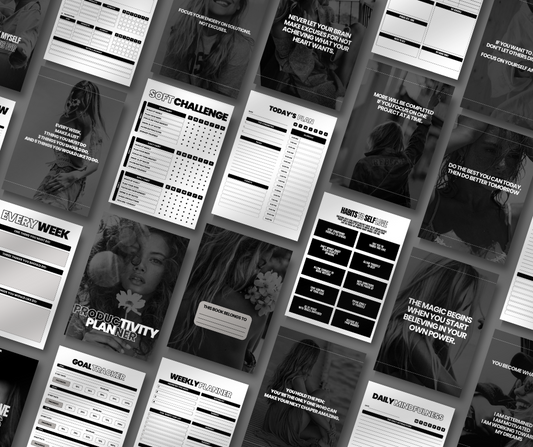
Your messages, screenshots, emails and ads should answer those objections directly. Ready-made resources can speed this up: the Words That Sell collection for marketing copy, and the Plan & Prosper collection for planning what you publish and when.
Build a Product Page That Converts
Your product page is often the last step before checkout. Buyers can't handle a download the way they would an item on a shelf, which is a key difference when you compare a digital product vs a physical product. The page has to answer every question a shopper would ask in a physical store.
Seven Essential Elements
-
Outcome-led headline: Explain the result the buyer gets, not only the file type.
-
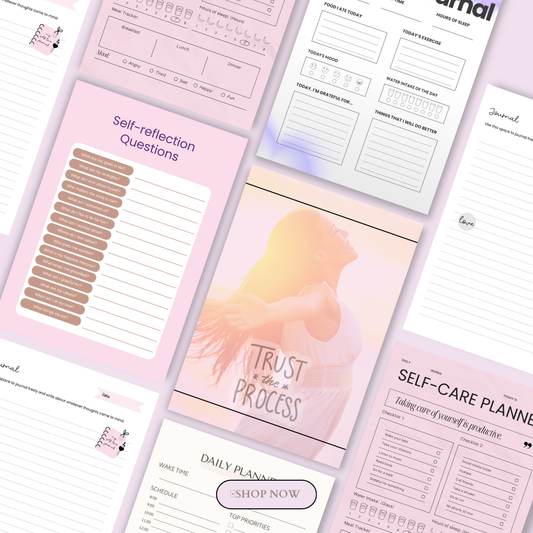
Product preview: Show page spreads, template screens, before-and-after examples or a short video walkthrough.
-
What is included: List the number of files, formats, sizes, modules, licences and access period.
-
Who it is for: Name the buyer type and skill level.
-
How it works: Explain how your digital product is delivered automatically, plus download access, editing steps and any software required.
-
Proof: Add real reviews, testimonials or examples, with permission.
-
Clear call to action: Use direct wording such as "Download the template" or "Get instant access."
Write the page for people first. Google rewards helpful content that is easy to crawl and index, so use the words your buyers search for in the title and description. If you are still choosing what to list, our guide to digital products for small business is a good place to start.
Use Content Marketing to Attract Buyers
Content marketing reaches buyers before they are ready to purchase. Instead of posting "buy now" again and again, solve a small part of their problem and let the paid product follow naturally.
A seller of social media Canva templates, such as the Glow Lab Co Skincare Collection content templates bundle or the Gemma Bundle, could publish:
-
A blog post on writing stronger Instagram captions
-
A short video showing how to edit one template
-
A carousel on common visual-branding mistakes
-
A free checklist for planning one week of social posts
-
An email tutorial that leads to the full bundle
The Three-Stage Content Path
-
Discovery: Blog posts, Pinterest pins, short videos and YouTube tutorials that answer beginner questions.
-
Trust-building: Demonstrations, customer results, walkthroughs, comparisons and behind-the-scenes creation.
-
Conversion: Product previews, limited bonuses, testimonials, launch emails and clear calls to action.
Why SEO Makes Content Last
SEO targets people who are already searching for an answer, so a ranking post keeps bringing visitors long after you publish it. Google Search Console is free and shows your impressions, clicks, click-through rate and search queries, so you can see which content attracts organic traffic.

Build an Email List
Social media reach can change without warning, which is the thinking behind the Anti-Algorithm Growth Guide. An email list gives you a direct, permission-based way to reach potential customers. Offer a relevant free resource, known as a lead magnet, in exchange for an email address.
Lead Magnet Ideas
-
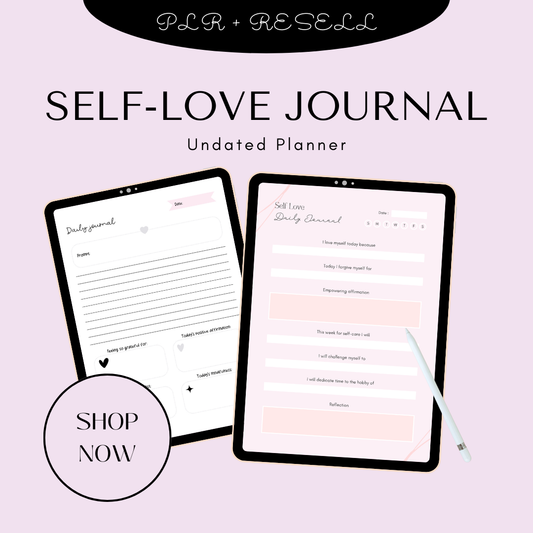
A mini version of a paid planner or journal, such as a sample from the Money Mindset Collection
-
A checklist or workbook
-
A sample chapter of an ebook
-
Five free Canva templates
-
A short email course
-
A product-selection guide
A Five-Email Welcome Sequence
-
Deliver the promised free resource immediately.
-
Explain the problem your product solves.
-
Share a useful tip or quick win.
-
Show how the paid product saves time or improves results.
-
Invite the subscriber to view or buy the product.
Always get consent, never buy email lists and include a clear unsubscribe link in every email.
Promote on the Right Channels
Choose channels by how your buyers behave, not by trying to master every platform.
|
Channel |
Best use for digital sellers |
Starting tactic |
|
Blog/SEO |
Evergreen search traffic |
Publish tutorials around customer questions and link to the product. |
|
|
Printables, planners, templates and other visual products |
Create several vertical pins leading to a product page or freebie. |
|
Instagram/TikTok |
Visual demonstrations and creator-led products |
Show quick transformations, use cases and editing tutorials. |
|
YouTube |
Tutorials, software, courses and online masterclasses |
Teach one useful process, then mention the full resource. |
|
|
Nurturing leads and launches |
Deliver a lead magnet and follow up with a useful sequence. |
|
Affiliates/partners |
Reaching an established niche audience |
Give trusted creators a tracked link and a transparent commission. |
As a beginner, choose one main traffic channel, one email tool and one sales platform first. Consistency and measurement matter more than being visible everywhere.
Use Paid Ads Carefully
Paid advertising can speed up traffic, but it works best once your product page and organic message have already shown demand. Start with a small budget and one measurable objective, such as email sign-ups, product-page visits or purchases.
Test one variable at a time:
-
Audience segment
-
Creative format, such as video versus image. A ready-made set like The Content Girl Collection image and reels bundle gives you both to test.
-
Headline or offer
-
Landing page
-
Call to action
Don't judge results by likes or views. Set up Google Analytics ecommerce events to track product views, add-to-carts and purchases.
Measure What Matters
A starter dashboard needs only the numbers that show where people drop off:
-
Traffic: how many people reach your store or product page
-
Email opt-in rate: the percentage of visitors who subscribe
-
Product-page conversion rate: the percentage of visitors who buy
-
Average order value: how much a typical customer spends
-
Refund rate: whether buyers are satisfied and expectations were clear
-
Customer acquisition cost: what you spend to gain each customer
-
Revenue by channel: which source drives sales
For SEO, check the Search Console performance report. A page with many impressions but a low click-through rate may need a stronger title or meta description. Google's SEO Starter Guide, first published in 2008 and still maintained, explains how to write both. A page with visitors but few sales usually needs clearer positioning or a better offer.
Build Trust and Stay Compliant
Be transparent about exactly what the buyer receives, and avoid exaggerated income claims. State clearly whether the product is editable, whether it is refundable and what the licence allows. This matters most for PLR and resell-rights products, and just as much when you package and sell AI prompts as a digital product.
Apply the same honesty to your inbox by following consent-based email marketing rules.
If you work with affiliates, influencers or sponsors, disclose the relationship clearly and place the disclosure next to the endorsement. The US Federal Trade Commission expects this, and UK and Australian regulators apply similar rules.
A Simple First-Month Digital Marketing Strategy
-
Define one audience and one core problem. Our guide to digital products for small business helps you narrow it down.
-
Create or improve one product page with previews, benefits and FAQs, using the Google Search Central documentation for the SEO basics.
-
Publish three to five helpful pieces of content around related search terms or social media questions. Template packs such as the Glossed in Power viral content pack and the Positivity Pop Collection bundle save design time.
-
Offer one relevant freebie to collect email subscribers.
-
Set up a welcome sequence that educates and introduces the product.
-
Track traffic, subscriptions, add-to-cart activity and sales every week.
-
Improve the weakest stage of the funnel before spending heavily on ads.
Start Marketing Your Digital Products
Online marketing for digital products works when the product, message, channel and customer problem align. Lead with the time saved, the skill gained or the problem solved, not the file features. For a deeper walkthrough, see the How to Build a 6-Figure Digital Product Brand Masterclass, or watch our Ultimate Branding Course walkthrough on YouTube.
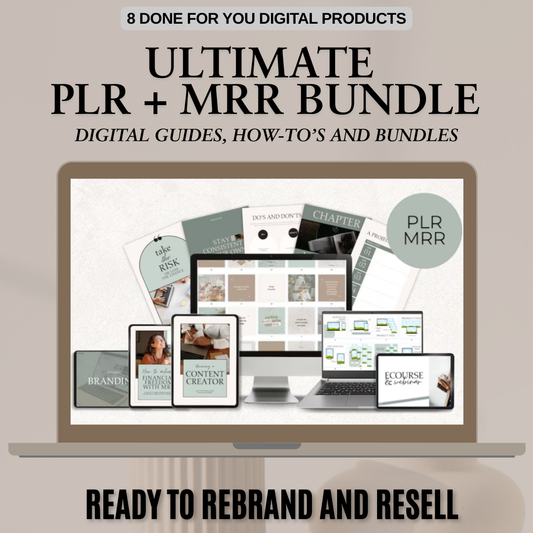
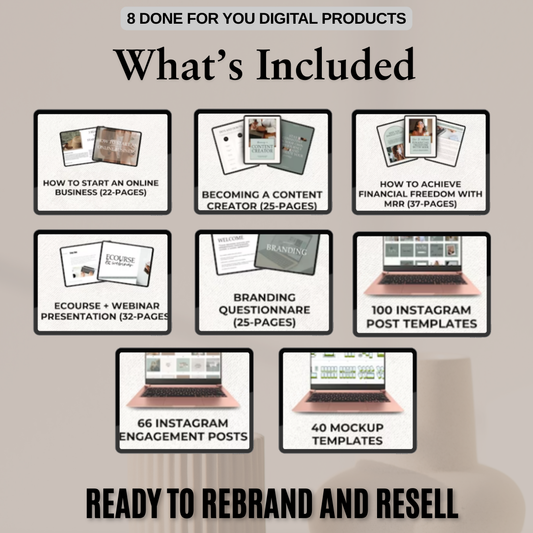
You don't have to create products first. Resell Ready's done-for-you PLR and MRR products, including The Creative Entrepreneurship Collection, let you skip creation and start marketing today. Shop all digital products.
Frequently Asked Questions
What is online marketing for digital products?
Online marketing for digital products is the process of attracting the right buyers, showing them the value of a downloadable product and guiding them to purchase. It usually combines a clear product page, helpful content, SEO, social media and email.
How do I market a digital product with no audience?
Start with one specific buyer group and one channel where they already search, such as Google, Pinterest or YouTube. Publish content that solves a small part of their problem, offer a free lead magnet and collect email subscribers from the first day.
What is the best digital marketing strategy for beginners?
The best digital marketing strategy for beginners is a simple one: one audience, one main traffic channel, one email tool and one sales platform. Focus on consistency and weekly tracking before adding more platforms or products.
Do I need paid ads to sell digital products?
No. Many sellers make their first sales through SEO, social media and email alone. Paid ads work best later, once your product page already converts organic visitors, and should begin with a small budget and one measurable goal.
Can I use online marketing to sell PLR or done-for-you digital products?
Yes. The same steps apply to PLR and MRR products. Rebrand the product, write your own outcome-led description, state the licence terms clearly and promote it through content and email like any product you created yourself.
🎬 Want a visual walkthrough?
If you’d rather watch than read, here’s the full explainer video covering everything in this guide: