







Selling digital products is one of the simplest ways to build an online income, whether you're based in the US, the UK or Australia. There's no inventory, no shipping and no limit on how many copies you can sell. But the platform you choose decides how much of each sale you actually keep, how buyers find you, and whether you own your customer list.
🎥 Prefer watching instead of reading?
Watch the full step-by-step explainer video below.
If you're new to this, start with our guide to what digital products are and how they work. For inspiration, browse our list of profitable digital products to sell and our breakdown of popular digital downloads.
Quick answer: If you have no audience yet, start on a marketplace like Etsy or Gumroad. If you want to keep more profit and own your customer data, use an independent checkout tool like Payhip or Checkout Page. If you sell courses or memberships, choose an all-in-one platform like Podia or Thinkific.
Below, we review the best platforms for selling digital products online, with fees, pros and cons, and who each one suits best.
How to Choose the Best Platform for Digital Products
Every platform for selling digital downloads fits into one of three models. Knowing which model suits your stage makes the decision much easier. For the full process from product idea to first sale, see our step-by-step guide to selling digital products online.
Marketplaces
Etsy, Gumroad, Creative Market, Udemy and Amazon KDP all come with buyers who are already searching. You can make your first sale without a website or an email list. The trade-off is higher fees, limited branding, and less ownership of the customer relationship.
Hosted All-in-One Storefronts
Shopify, Squarespace, Podia, Kajabi, Sellfy and Thinkific give you a branded store that's easier to run than a self-hosted site. Many include course, membership and email tools. Expect a monthly subscription, and on some plans a transaction fee too.
Independent Checkout and Self-Hosted Options
Checkout Page, Payhip, SendOwl and WordPress plugins offer the lowest long-term cost, full control over branding, and complete ownership of your customer data. The catch is that you have to bring your own traffic from social media, SEO or email.
Pro tip: Many successful sellers validate a product on a marketplace first, then move proven bestsellers to their own store to protect their margins and build an email list.
Quick Comparison Table
Here's how the top platforms for selling digital products compare at a glance. Fees shown are platform fees. Card or PayPal processing usually applies on top unless the platform is a merchant of record.
|
Platform |
Type |
Monthly cost |
Fee per sale |
Best for |
|
Gumroad |
Marketplace |
$0 |
10% + $0.50 (30% via Discover) |
First-time sellers |
|
Etsy |
Marketplace |
$0 |
$0.20 listing + 6.5% + processing |
Planners, templates, printables |
|
Creative Market |
Marketplace |
$0 |
Commission of up to around 50% |
Premium design assets |
|
Udemy |
Course marketplace |
$0 |
Keep 97% via your link, 37% via Udemy |
Course reach |
|
Amazon KDP |
Marketplace |
$0 |
35% or 70% royalty |
Ebooks and authors |
|
Checkout Page |
Independent checkout |
Free tier; paid from around $24 |
0% platform fee |
Maximising profit |
|
Payhip |
Independent checkout |
$0 / $29 / $99 |
5% / 2% / 0% |
Simple downloads, VAT handling |
|
SendOwl |
Delivery and checkout |
From around $19 |
Varies by plan |
Secure delivery, license keys |
|
Shopify |
All-in-one store |
From $39 |
0% with Shopify Payments |
Large catalogues, brands |
|
Podia |
All-in-one |
From around 42–49 |
5% on Mover, 0% on higher plans |
Solo creators |
|
Thinkific |
Course platform |
Free; paid from around $49 |
0% |
Structured courses |
|
Sellfy |
All-in-one store |
$29 / $79 / $159 |
0% (annual sales caps) |
Digital plus print-on-demand |
|
Squarespace |
Website builder |
From around $16 |
0% on higher tiers |
Design-led portfolios |
|
WordPress plugins |
Self-hosted |
Hosting + plugins |
0%, or 2.9% on SureCart Free |
Full control, lowest long-term cost |
The Best Platforms to Sell Digital Products, Reviewed
Marketplaces
Gumroad: Best for First-Time Sellers
Fees: No monthly fee. Gumroad charges 10% + $0.50 per direct sale and 30% on sales through its Discover marketplace. It acts as merchant of record, so it handles sales tax, UK VAT and Australian GST for you.
Key features: Instant setup, "pay what you want" pricing, memberships and built-in email tools.
Pros: It's the fastest route to your first sale, and you don't need a website.
Cons: It gets expensive at scale, and you don't fully own the customer relationship.
Use it when: you want to test demand for an ebook, mini-course or resell rights product before investing in your own store.
Etsy: Best for Templates, Planners and Creative Assets
Fees: A $0.20 listing fee, a 6.5% transaction fee and payment processing (around 3% + $0.25 in the US, with different rates in the UK and Australia).
Key features: Huge built-in search traffic and simple instant downloads.
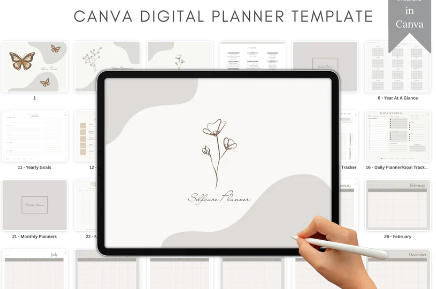
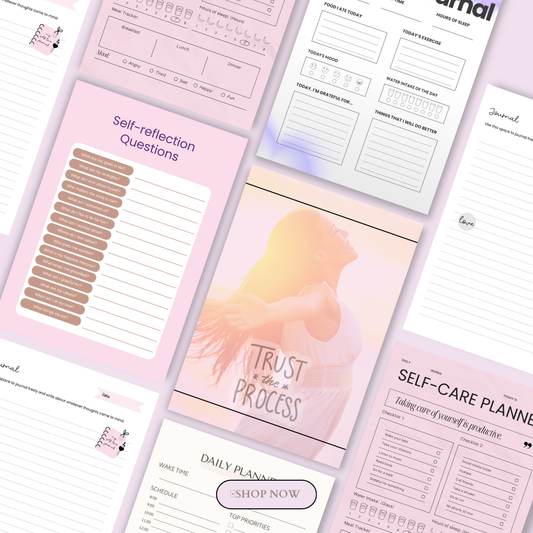
Pros: Buyers are already searching for digital planners, Canva templates and printables.
Cons: Competition is heavy, branding is limited, and fees add up on low-priced items.
Use it when: you sell visual products like digital planners or social media templates and want marketplace discovery to drive early sales.
Creative Market: Best for Premium Design Assets
Fees: A commission of up to around 50% on marketplace sales, with a higher share on sales from your own links.
Key features: A curated marketplace with high-intent buyers.
Pros: Its design-savvy audience expects to pay for quality.
Cons: Commissions are high and the quality standards are strict.
Use it when: you sell polished fonts, UI kits or plug-and-play marketing templates to other creatives.
Udemy: Best Course Marketplace for Reach
Fees: Hosting is free. You keep 97% of sales made through your own instructor link, but only 37% when Udemy finds the student.
Key features: A massive global student base, video hosting and a built-in marketing engine.
Pros: You get huge exposure with hands-off tech.
Cons: Frequent discounting and low per-sale margins.
Use it when: reach matters more to you than profit per student.
Amazon KDP: Best for Ebooks and Authors
Fees: A 35% or 70% royalty, depending on price and territory.
Key features: Global reach across Amazon.com, Amazon.co.uk and Amazon.com.au, plus print-on-demand and promotional tools.
Pros: You get a massive reader base and instant credibility.
Cons: Competition is intense, the rules are strict, and you get almost no customer data.
Use it when: you're an author who wants bookstore-level reach.
Independent Checkout Tools
Checkout Page: Best for Maximising Profit
Fees: A free tier with Checkout Page branding, and paid plans from around $24 a month. There's no platform fee; you pay only Stripe processing.
Key features: Embeddable checkouts, order bumps, one-click upsells and cart recovery.
Pros: High margins and strong conversion tools.
Cons: You have to drive all your own traffic.
Use it when: you already have an audience and want to raise your average order value. For example, you could pair a lead offer with an upsell like the Glow Up Email Empire welcome and sales email pack.
Payhip: Best for Simple Downloads and VAT Handling
Fees: Free Forever (5% fee), Plus at $29 a month (2%) and Pro at $99 a month (0%). Every feature is included on every plan.
Key features: Built-in UK and EU VAT handling, an affiliate programme, coupons, memberships and PDF stamping.
Pros: It's beginner-friendly and low risk.
Cons: It offers fewer design options than Shopify.
Use it when: you want a no-fuss store for ebooks, templates and PLR digital products that you've rebranded as your own.

SendOwl: Best for Secure Delivery and License Keys
Fees: From around $19 a month, depending on order volume.
Key features: PDF stamping, license key delivery, drip content, and checkout links or QR codes.
Pros: Strong anti-piracy protection.
Cons: It isn't a full storefront, so you still need somewhere to market your products.
Use it when: secure delivery matters more than store design.
All-in-One Storefronts and Course Platforms
Shopify: Best for Large Catalogues and Growing Brands
Fees: From $39 a month. There's no transaction fee with Shopify Payments, but extra fees apply if you use a different payment provider. Digital delivery needs an app.
Key features: A huge app ecosystem, advanced analytics and international selling across the US, UK and Australia.
Pros: It's extremely scalable and looks professional.
Cons: It's overkill for a handful of downloads, and app costs stack up.
Use it when: you're building a serious brand. If you want to sell branding education yourself, The Ultimate Branding Course with Master Resell Rights gives you a ready-made flagship product.
Podia: Best All-in-One for Solo Creators
Fees: From around 42–49 a month. The entry Mover plan charges a 5% transaction fee; higher plans charge 0%. Podia raised its prices in mid-2026, so check the current rates.
Key features: A website builder, courses, downloads, memberships and built-in email.
Pros: Your whole creator business runs from one dashboard.
Cons: It's less flexible than WordPress as you scale.
Use it when: you want courses, downloads and email marketing in one place. A course like Email Marketing Mastery fits this setup well.
Thinkific: Best for Structured Courses
Fees: A free plan, with paid plans from around $49 a month and 0% transaction fees.
Key features: A professional course player, quizzes, certificates and communities.
Pros: A premium learning experience for students.
Cons: It's overkill for simple downloads.
Use it when: your product is a high-value video course.
Sellfy: Best for Digital Plus Print-on-Demand
Fees: Starter at $29 a month (up to $10,000 in annual sales), Business at $79 (up to $50,000) and Premium at $159 (up to $200,000). There are no transaction fees.
Key features: Print-on-demand merch, built-in email marketing and a fast store setup.
Pros: It's quick to launch and has a clean, branded shop.
Cons: There's no free plan, and upsells and affiliates need the Business tier.
Use it when: you want to sell digital files and merch side by side.
Squarespace: Best for Design-Led Portfolios
Fees: From around $16 a month. You need a higher tier to avoid transaction fees.
Key features: Designer templates, member areas and built-in blogging and SEO tools.
Pros: Beautiful sites straight out of the box.
Cons: It's less suited to high-volume digital selling.
Use it when: your website is mainly a portfolio or blog that also sells products. Ready-made content like the Positivity Pop blog bundle can keep that blog active with very little effort.
WordPress Options: WooCommerce, Easy Digital Downloads and SureCart
If you want full ownership, the strongest SEO control and the lowest long-term cost, a WordPress plugin is hard to beat.
WooCommerce is free at its core and the most flexible option for selling digital and physical products together. Extensions for subscriptions and license keys can cost 500–1,000 or more a year. Easy Digital Downloads is lighter and built purely for digital products, with paid extensions from around $99.50 a year. SureCart includes subscriptions, upsells, tax tools and affiliates in one plugin. Its free plan charges a 2.9% fee, and Pro, from around $199 a year, removes it.
With all three, you manage your own hosting, updates and security. In return, there's no platform fee eating into your profit.
Real Fee Math: What You Keep on $5,000 a Month
Fees look small on a pricing page, but they add up quickly. This is one reason digital products earn far higher profit margins than physical products, but only if you choose the right platform. Here's a realistic example: 100 sales of a $50 digital product, or $5,000 a month in revenue.
|
Platform |
Platform fees |
Payment processing |
Total fees |
You keep |
|
Gumroad |
$550 (10% + $0.50) |
~$175 |
~$725 |
~$4,275 |
|
Etsy |
345(0.20 listing + 6.5%) |
~$175 (3% + $0.25) |
~$520 |
~$4,480 |
|
Payhip Free |
$250 (5%) |
~$175 |
~$425 |
~$4,575 |
|
Payhip Pro |
$99 (flat plan) |
~$175 |
~$274 |
~$4,726 |
|
Shopify Basic |
$39 (flat plan) |
~$175 |
~$214 |
~$4,786 |
These figures assume US card processing at about 2.9% + $0.30 per sale, which is typical for Stripe and PayPal. Processing rates in the UK and Australia differ slightly. The figures exclude apps, ads and sales tax.
The takeaway: percentage-based fees are cheap when you're starting out. Once you're making steady sales, a flat monthly plan keeps hundreds of dollars more in your pocket every month. SureCart's analysis of where to sell digital products reaches the same conclusion.
Which Platform Is Best for You?
The best service to sell digital products online depends on who you are and what you sell. Use this table to find your match quickly, or read our comparison of the best digital product marketplaces for a deeper look at marketplaces.
|
If you are… |
Best platforms |
Why |
|
A beginner with no audience |
Gumroad, Etsy |
Built-in buyers and no monthly fee |
|
Chasing maximum profit |
Checkout Page, Payhip Pro, WordPress + SureCart |
0% platform fees and full customer ownership |
|
A course creator or educator |
Thinkific, Podia, Udemy |
Course players, communities and student reach |
|
A designer selling assets |
Etsy, Creative Market, plus your own Payhip store |
Marketplace discovery plus higher margins on repeat buyers |
|
An author |
Amazon KDP, plus Payhip for bundles |
Bookstore reach plus direct-sale profit |
|
A software or SaaS seller |
SendOwl, Lemon Squeezy, WordPress + SureCart |
License keys, subscriptions and global tax handling |
Beginners: marketplaces get you started, but building your own traffic is what creates long-term income. The Organic Growth Marketing Bundle and our guide to marketing digital products with 10 strategies that actually work can help you make that shift.
The Fastest Way to Stock Your Store: PLR Products
Choosing a platform is the easy part. Filling your store with products takes most new sellers months.
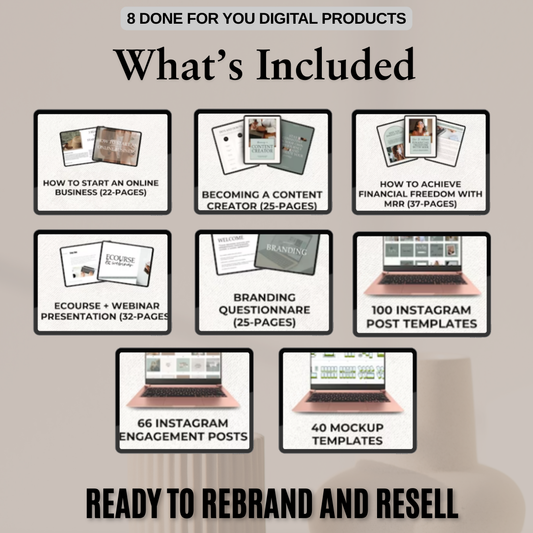
PLR (Private Label Rights) products solve that problem. They're ready-made digital products, such as ebooks, templates, courses and content packs, that you can legally rebrand, edit and sell as your own. Add your logo, adapt the content to your niche, and upload them to Etsy, Payhip, Shopify or any other platform above.
PLR products let you:
-
launch in days instead of months
-
test new niches cheaply
-
create bundles and upsells that raise your average order value
For example, faceless creators can rebrand the Glossed in Power viral content pack. If you'd rather start with a full product line, The Creative Entrepreneurship Collection gives you one in a single purchase.
Frequently Asked Questions
What is the best platform to sell digital products for beginners?
Gumroad and Etsy are the easiest places to start because they bring buyers to you and charge no monthly fee. Payhip's free plan is a strong option if you want your own branded store from day one.
Which platform has the lowest fees for digital products?
At higher sales volumes, flat-fee platforms win. Shopify with Shopify Payments, Payhip Pro, Sellfy and WordPress with SureCart Pro all charge 0% platform fees.
Can I sell digital products on Etsy?
Yes. Etsy is one of the best marketplaces for printables, planners and templates. Our guide to designing and selling digital planners shows you how.
Do I need to handle VAT or sales tax?
Often, yes. VAT applies to digital sales into the UK and EU, and GST applies to sales into Australia. Merchant-of-record platforms like Gumroad and Lemon Squeezy collect and pay these taxes for you. Check with an accountant about your own situation.
Can I sell PLR products on these platforms?
Yes, as long as you follow each product's license terms. Rebranding the content and adding your own value helps your products stand out.
Final Verdict: Choose Your Platform and Start Selling
Start on Gumroad or Etsy to test your ideas. Move to Payhip or Checkout Page to keep more profit. Scale with Shopify, Podia or WordPress once your sales are steady. For a side-by-side recap, see our review of the top digital product selling platforms.
Whichever platform you choose, products are what make the sales. Stock your store with ready-to-sell PLR and resell rights products today, and catch the seasonal deals in our Black Friday Collection.
Sources
-
16 Best Platforms to Sell Digital Products: 2026 Comparison (Checkout Page)
-
Where to Sell Digital Products in 2026, With Real Fee Math (SureCart)
🎬 Want a visual walkthrough?
If you’d rather watch than read, here’s the full explainer video covering everything in this guide: