



1. Introduction
If you've ever wondered how to turn your creativity into consistent income, selling digital art online is one of the most accessible ways to start. Unlike physical art, digital pieces need no studio space, no shipping boxes, and no waiting on couriers — you create once and sell to buyers anywhere in the world, any time of day. A single illustration can become a printable, a planner cover, a phone case design, and a licensed asset, all from one file.
🎥 Prefer watching instead of reading?
Watch the full step-by-step explainer video below.
This guide walks through exactly how to get started: choosing a niche and product format, picking the right platform, preparing your files, pricing strategically, protecting your work, optimizing for discovery, and growing beyond marketplace algorithms. If you're also exploring the wider world of digital products to sell, digital art is often the easiest entry point — and the skills transfer directly to other formats.
2. What Is Digital Art (and Why It's So Sellable)
Digital art is any artwork created primarily with digital tools — drawing tablets, design software, 3D modeling programs, or AI-assisted workflows. It can be sold as a pure digital download, printed on physical products, or licensed to other creators and brands.
Three advantages make it one of the most sellable digital product categories around:
-
No inventory or shipping. Once a file is created, it can be sold infinitely with zero production cost per sale.
-
Global reach. Marketplaces and your own storefront put your work in front of buyers in the US, UK, Australia, and beyond, without needing a local presence anywhere.
-
One artwork, many products. A single design can become a printable, a sticker pack, a planner element, or POD merchandise — multiplying revenue from one creative effort.
For a broader look at how digital art fits alongside other online-sellable formats, this roundup of digital products is a useful reference point.
3. Step 1: Choose Your Niche and Product Format
Before listing anything for sale, successful digital artists narrow down to a clear niche rather than trying to appeal to everyone. A focused niche makes it easier to build a recognizable style, target the right keywords, and attract repeat buyers.
Common digital art niches include:
-
Printable wall art (home decor, nursery, office, seasonal themes)
-
Illustrations and character art (for fans, authors, or game developers)
-
Design assets — icons, patterns, brushes, and textures for other creators
-
Branding kits — logos, social templates, Instagram highlight covers
-
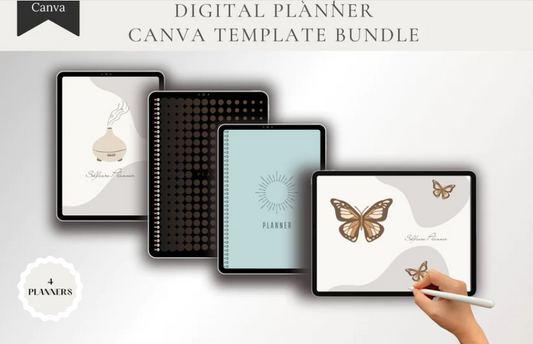
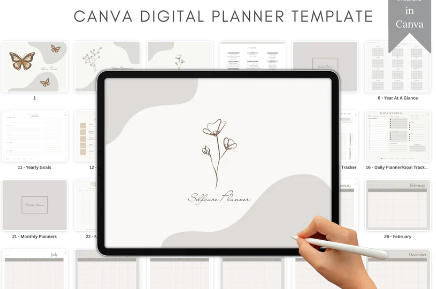
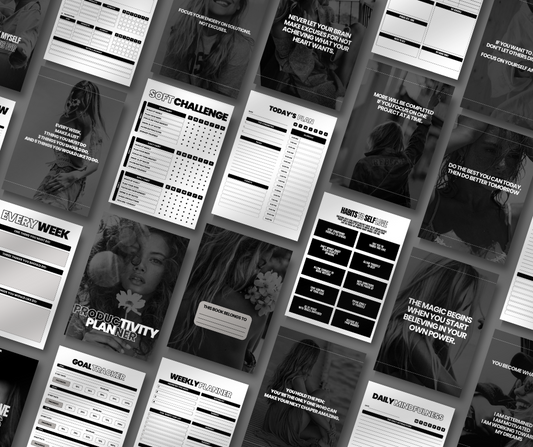
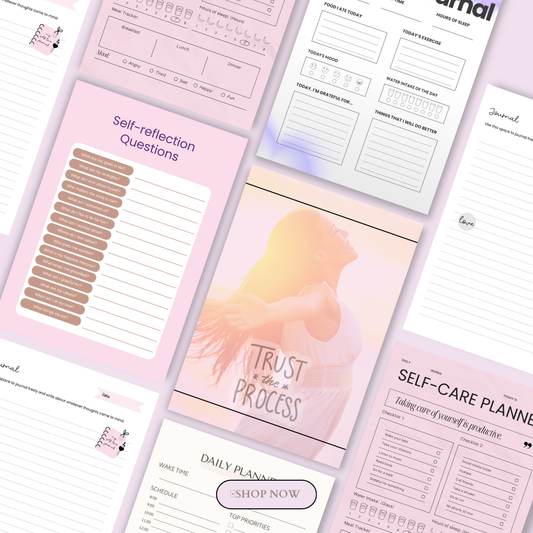
Planner inserts and digital planner elements, such as covers, dashboards, and decorative stickers
If planners are your angle, it's worth also reviewing what buyers actually want from digital planning tools — this guide to the best digital planners for iPad and GoodNotes users breaks down current buyer preferences you can design around.
Product formats to consider:
-
Digital downloads — high-resolution files delivered instantly (PDF, PNG, JPG, PSD, or Procreate brushes)
-
Print-on-demand (POD) products — your art printed on canvases, apparel, mugs, or phone cases via a POD partner
-
Licensable assets — stock illustrations, vectors, or templates sold for commercial use by designers and brands
If you're leaning into AI-assisted art creation, it's worth exploring ready-made resources rather than starting from scratch — collections like the AI image collection or targeted tools such as the Director's Cut cinematic AI animation prompt pack and the PLR faceless illustration prompt guide can help you generate a distinctive style faster. For those wanting a more systematic approach to prompt-based visuals, the Prompt Stacking Secrets guide and Motion Made Easy Midjourney motion prompts guide offer structured frameworks worth browsing in the full AI prompt packs collection.
Before moving to platforms, it helps to answer one question honestly: do you want to sell downloads, prints, merch, licenses — or a mix? Your answer shapes every decision from here, including which platform fits best in the next section.
4. Step 2: Pick the Right Platform
There's no single "best" platform for selling digital art — the right choice depends on whether you want instant access to buyers already searching, or full control over your brand and pricing. Most successful creators end up using a mix.
|
Platform Type |
Examples |
Best For |
Fee Model |
|
Online marketplaces |
Etsy, ArtPal, Saatchi Art, Fine Art America |
Reaching buyers quickly without building a site |
Listing + transaction fees or commission |
|
Print-on-demand marketplaces |
Society6, Redbubble |
Selling on physical products without handling shipping |
Free to list; royalty or markup on base price |
|
Creator-owned storefronts |
Shopify, Sellfy, Fourthwall |
Full brand control and customer ownership |
Monthly subscription; you drive traffic |
|
Design/asset marketplaces |
Adobe Stock, Creative Market |
Licensing assets to designers and businesses |
Royalty/commission, often non-exclusive |
Etsy remains a top starting point for printable and digital art, thanks to low listing fees and a built-in audience already searching for wall art, invitations, and templates.
Society6 and Redbubble let you upload a design once and sell it automatically across dozens of products — mugs, apparel, phone cases — while the platform handles production and shipping entirely.
Sellfy is a fast way to launch a customizable storefront with instant digital delivery, built-in marketing tools, and anti-piracy protections, without the overhead of a full ecommerce build.
Shopify and similar builders make sense once you want maximum control over branding and customer data, especially when paired with a POD app for physical products.
Creative Market and Adobe Stock are geared toward licensing — selling graphics, templates, and illustrations to professional buyers who need commercial-use assets, while you retain ownership and earn ongoing royalties.
If you're weighing platforms specifically for AI-generated or AI-assisted art, it's worth browsing what's already selling well — the AI image collection and AI prompt packs collection show current formats and pricing that tend to convert.
5. Step 3: Prepare and Package Your Files Professionally
Before you list anything, your files need to look and function like a professional product — not a rushed export.
File formats and resolution. Export high-resolution files appropriate to how the buyer will use them: JPG or PNG for casual downloads, PDF for print-ready pieces, and layered PSD or Procreate files if buyers expect to edit the work themselves. Include multiple size variants for common frame dimensions or print sizes.
Read-me and usage instructions. A simple PDF explaining how to download, unzip, print, or import files into apps like Procreate or Canva reduces support requests and builds buyer trust. This matters even more with Canva-based digital products, where buyers often need step-by-step guidance to use templates correctly.
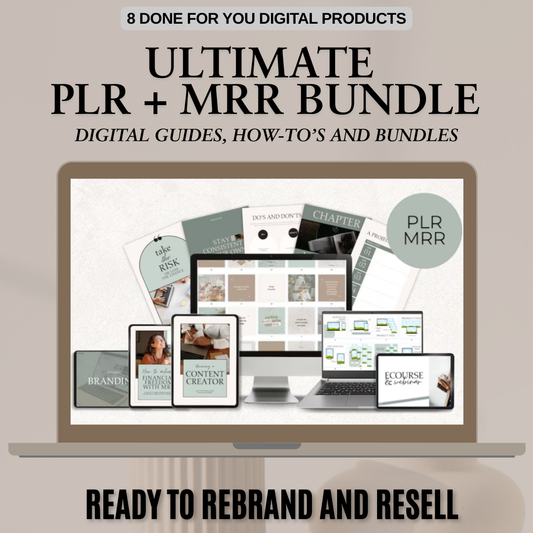
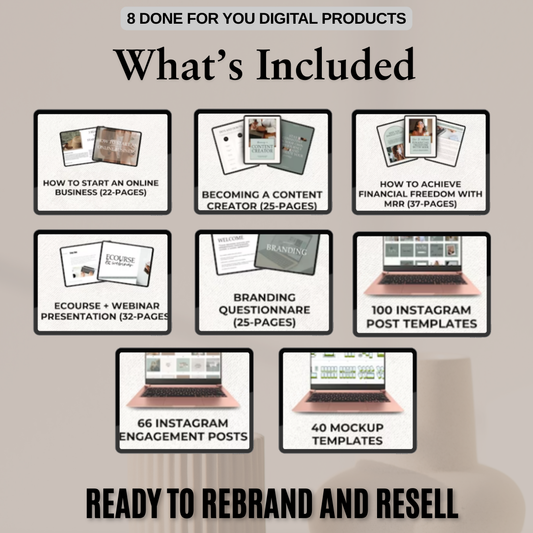
Bundling for perceived value. Group related pieces into sets — a three-piece wall art collection, a themed sticker pack, or a multi-size printable kit — to increase both perceived value and average order size. This is a technique widely used across done-for-you digital products, where bundling turns a single asset into a higher-ticket offer.
License clarity. Clearly state whether a buyer gets personal use only, standard commercial use, or extended commercial rights. This is especially important if you're working with resale or PLR-adjacent models — the best PLR products to resell guide covers how licensing terms directly affect what buyers can legally do with what they purchase, and getting this wrong is one of the most common (and costly) mistakes new sellers make.
If you're creating art with AI tools, packaging becomes even more important since buyers are often paying for the finished output, not the process. Guides like the Midjourney Mastery bundle or the Midjourney 101 beginner's guide show how structured, well-documented packaging elevates a product's perceived professionalism.

6. Step 4: Price Your Art Strategically
Pricing is where many new digital artists either undersell their work or price themselves out of their market. A few factors should guide the number you land on:
-
Complexity and uniqueness. Highly detailed or niche pieces can command higher prices than simple, generic designs.
-
Use rights. Commercial licenses are typically priced well above personal-use-only files.
-
Platform norms. Marketplaces like Etsy and Society6 create informal price expectations — checking what similar products charge helps you benchmark realistically.
-
Bundles vs. singles. Many sellers price individual files lower and use bundles to increase order value; some platforms also support "pay-what-you-want" models to test demand.
The general approach most guides recommend: start with competitive pricing, track your conversion rate, and adjust upward as demand and reviews build. This mirrors pricing strategy across other high-demand PLR niches, where testing beats guessing every time.
If art is one part of a broader income plan, it's worth pricing with the bigger picture in mind — resources on financial freedom through side hustles often stress that consistent, sustainable pricing beats short-term discounting.
7. Step 5: Protect Your Work and Handle Licensing
Selling digital art online comes with real piracy and misuse risk, so protection isn't optional — it's part of running a credible shop.
Watermarked previews. Show lower-resolution or watermarked images publicly, keeping full-resolution files reserved for paying customers only.
Limited download access. Where platforms allow it, use unique, time-limited, or attempt-limited download links to reduce unauthorized file sharing.
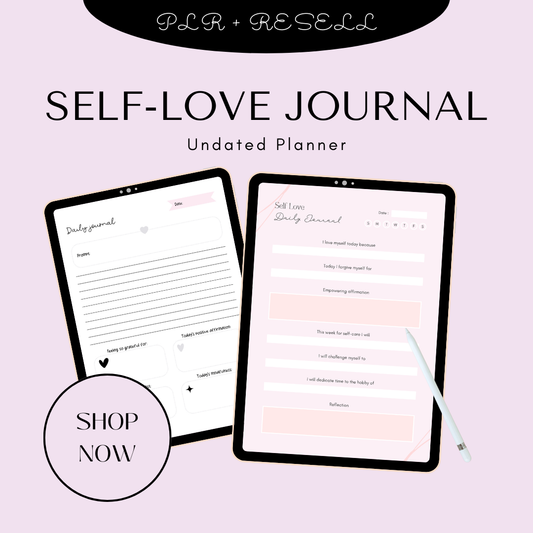
Clear license terms. Spell out whether buyers can resell, modify, or use your art commercially, and under what conditions. This is standard practice across niches like the self-love journal market and other personal-development digital products, where licensing confusion is a common source of disputes.
Copyright notices and registration. Adding copyright notices — and registering select works where it matters — strengthens your position in disputes, even though most first-level enforcement happens through the marketplace itself.
If your art leans on AI tools or curated stock collections, licensing clarity matters even more. Product lines like Pastel Paris, The Minimal CEO, Content Girl Images, and Coastal Dream Imagery all clearly state MRR/PLR terms upfront — a model worth studying if you plan to license your own art the same way. For prompt-based creators, the Icon Energy prompt pack and Hyperrealism AI guide are useful references for how to document rights clearly, and the broader 40 digital products you can create using ChatGPT or AI tools guide and 100 skincare/beauty Canva templates listing both show real-world examples of licensing language done well.
8. Step 6: Optimize Listings for Discovery (SEO)
Great art alone won't sell itself — your listings need to be discoverable, both within marketplace search and on Google. This is where many talented artists lose sales without realizing it.
Keyword-rich titles and descriptions. Use the exact phrases buyers type into search bars — "minimalist printable wall art," "boho nursery print set," or "Procreate brush pack for lettering" — rather than vague or purely artistic titles. Search engines and marketplace algorithms both reward specificity over cleverness.
Accurate tags and categories. Platforms like Etsy and Redbubble rely heavily on tags and category placement for internal search and recommendation engines, so mismatched or generic tags actively hurt visibility.
High-quality mockups and detailed product info. Lifestyle mockups showing art framed on a wall, printed on a product, or used in context help buyers visualize the purchase and meaningfully lift conversion rates. Pair every listing with dimensions, file formats, color space, and licensing terms so buyers know exactly what they're getting before checkout.
If you're building faceless or AI-assisted art content, discoverability guides like the best ways to sell digital art online and the ultimate guide to graphics and digital art offer useful angles for framing your listings around what buyers are actually searching for. For prompt-driven visual work specifically, the PLR faceless illustration prompt guide and Bling Cartoon prompt guide show how niche-specific keywords can be baked directly into a product's positioning.
9. Step 7: Market Beyond the Marketplace
Relying solely on marketplace algorithms is risky — search visibility can shift overnight. Building your own audience channels protects your income long-term.
Social media showcasing. Time-lapse process videos, carousel posts, and styled mockups on Instagram, TikTok, and Pinterest all drive discovery outside the marketplace itself. Ready-made assets like Life & Mindset Reels captions or 30 quotes for growth can help fill your content calendar without starting from a blank page.
Email list building. Offer a free printable or sample piece in exchange for an email signup, then use that list to promote new collections, launches, and discounts directly — a channel no algorithm can take away from you.
Content marketing and blogging. Teach adjacent topics — "how to decorate with printable art" or "how to use digital stickers in planners" — and link back to your shop for organic, compounding traffic. Faceless creators in particular benefit from templated content systems like the Glossed in Power viral content pack or the 30 digital marketing carousels pack, which turn one design into dozens of shareable posts.
Collaborations and bundles. Partnering with other creators on themed bundles or cross-promotions taps into each other's audiences without paid ad spend.
10. Step 8: Learn From Data and Iterate
Selling digital art is never a "set and forget" process — the sellers who grow fastest treat every listing as a test.
Key metrics worth tracking:
-
Views vs. sales on each listing, to gauge true conversion rate
-
Top traffic sources — search, social, email, or direct — to know where to double down
-
Best-selling formats, sizes, and themes, so you can lean into proven demand instead of guessing
-
Customer feedback about usability, printing quality, or licensing confusion, which often reveals fixes that boost future sales
Most storefront and marketplace dashboards surface this data automatically, making it straightforward to test different prices, titles, and promotions over time rather than relying on instinct alone.
11. Step 9: Expand Into Advanced Income Models
Once your core products are validated, the real growth comes from scaling beyond single listings.
Print-on-demand expansion. Turn proven designs into full collections across apparel, home decor, and accessories on multiple POD platforms simultaneously.
Stock and licensing income. Uploading art to licensing marketplaces can generate semi-passive royalties from repeated commercial use — the AI image collection is a good reference point for how licensed stock imagery is packaged and priced at scale.
Memberships and bundles. Monthly art packs, sticker clubs, or a growing library accessible via your own site create recurring revenue instead of one-off sales. Starter bundles like the Starter's Guide Bundle show how creators package multiple assets into a single higher-value offer for new buyers.
Courses and tutorials. Teaching your process — and selling guides, brush packs, or resources alongside finished art — adds a second income stream from the same expertise. For sellers ready to think bigger picture, the How to Build a 6-Figure Digital Product Brand masterclass lays out a structured path for scaling past marketplace sales into a full brand.
12. Conclusion / Key Takeaways
Selling digital art online isn't about luck — it's a repeatable path: pick a niche and product format, choose the right platform (or mix of platforms), package your files professionally, price strategically, protect your work, optimize for discovery, market beyond the marketplace, track your data, and expand once you've validated demand.
You don't need to do all nine steps perfectly on day one. Start with one platform and one focused product line, get real sales data, and build outward from there. Momentum matters more than a perfect launch.
For more inspiration on where to start, the ultimate list of digital products to sell online and the best Canva templates for small businesses guide are both worth bookmarking as your next reads.
13. Further Reading / Sources
Frequently Asked Questions
1. Do I need artistic training to sell digital art online?
No. While traditional skills help, many successful sellers use design software, Procreate, or AI-assisted tools to create polished digital art without formal training. What matters more is consistency, a clear niche, and professional presentation of your files.
2. Which platform is best for beginners selling digital art?
Etsy is usually the easiest starting point thanks to its built-in audience and low listing fees, while Society6 or Redbubble work well if you'd rather skip pricing and printing decisions entirely. Most sellers eventually add a POD platform or their own storefront as they grow.
3. How much should I charge for digital art?
Pricing depends on complexity, license type, and platform norms — personal-use printables typically sell lower than commercial-use assets or licensed illustrations. Start with competitive pricing based on similar listings, then adjust as you gather sales data and reviews.
4. How do I stop people from stealing or reselling my digital art?
Use watermarked previews, limit high-resolution files to paying customers, and state your license terms clearly on every listing. Adding copyright notices and using platforms with built-in download protections also reduces (though can't fully eliminate) misuse.
5. Can I really make consistent income from selling digital art?
Yes, but it typically takes iteration — testing niches, formats, and pricing while tracking conversion rates and traffic sources. Sellers who diversify into POD, licensing, bundles, or memberships tend to build steadier, more scalable income than those relying on a single product or platform.
🎬 Want a visual walkthrough?
If you’d rather watch than read, here’s the full explainer video covering everything in this guide: