


Intro
If you've been searching for a low-cost way to start an online income stream, a Canva template business is one of the most accessible options out there. No coding, no expensive software, and no design degree required — just a Canva account and an eye for what people actually want to buy. Templates sit alongside dozens of other digital products creators are selling right now, from planners to social media graphics to printables, and they're one of the easiest to start with because the tool itself is free.
🎥 Prefer watching instead of reading?
Watch the full step-by-step explainer video below.
This guide walks through exactly what a Canva template is, what you're legally allowed to sell under Canva's own rules, how to design templates buyers will actually use, and how to price and sell them for real profit. If you want a broader view of what else is selling well in this space before you commit to a niche, our mega guide to 100 digital products you can sell online in 2026 is a good companion read.
What Is a Canva Template?
A Canva template is a pre-built, editable design that a buyer can open in their own Canva account and customize with their own text, colors, and images. The key word is editable — unlike a one-off finished design made for a single client, a template is built once and sold to hundreds (or thousands) of different buyers, each of whom personalizes it for their own use.
Templates exist across almost every content format, including:
-
Social media kits — Instagram carousels, Reels covers, and Pinterest pins, similar to ready-made packs like our Reel Power Packs or Post Perfection collections
-
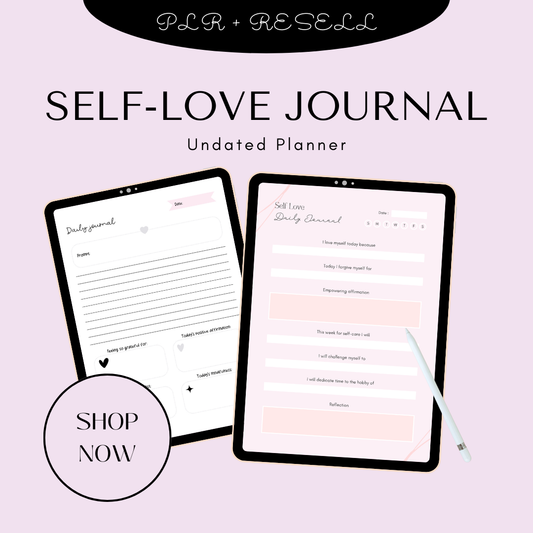
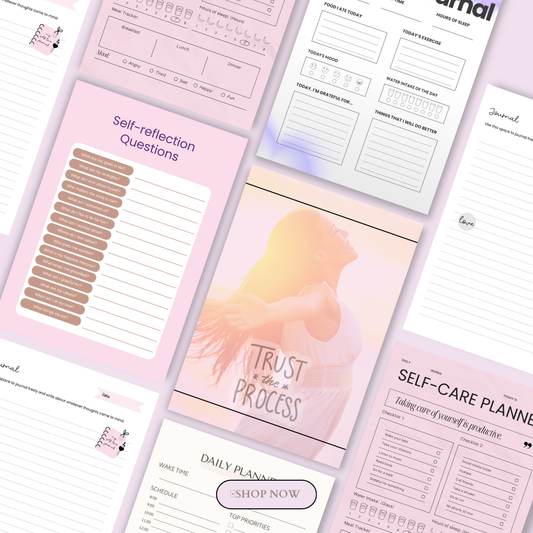
Planners and journals — from daily planners to niche formats like a self-love journal, which tap into the wellness and personal-growth market
-
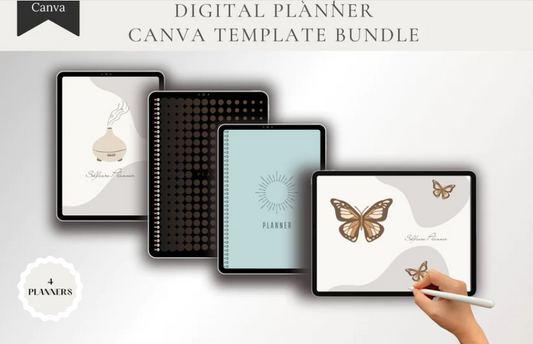
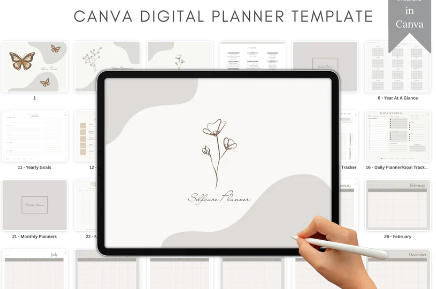
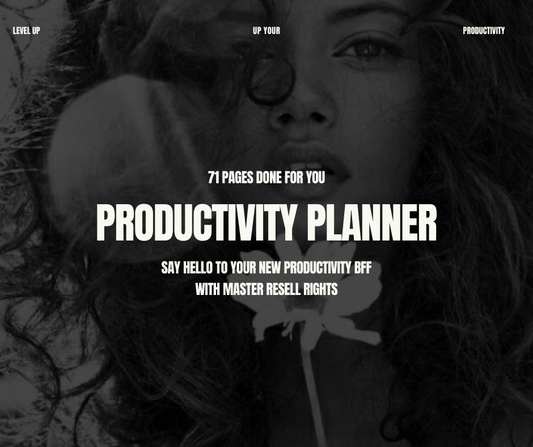
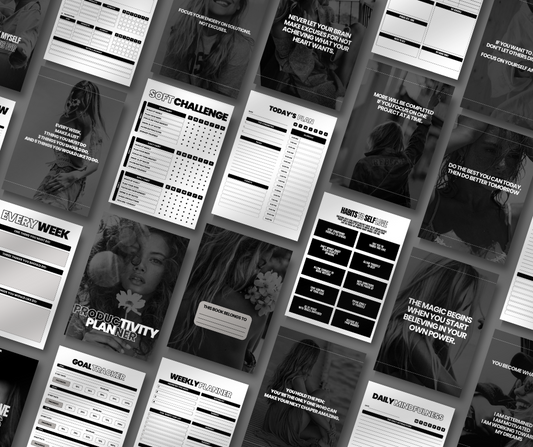
Digital planners for tablets — a fast-growing category, especially digital planners built for iPad and GoodNotes users
-
Invitations, media kits, and ebooks
-
Lead magnets — opt-in freebies businesses use to grow their email lists
For small business owners specifically, the appeal is speed: a well-built template gives them a professional look across their marketing without paying for a designer every time they need a new post or flyer. That's exactly why "best Canva templates for small businesses" is such a high-intent search term — buyers aren't just browsing, they're looking to solve a real, immediate problem.
If you're weighing whether templates are the right digital product to start with, it's worth comparing them against other formats too — our breakdown of digital products you can sell without any design skills at all is a useful gut-check, and our wider list of digital products to sell covers formats beyond Canva if you want to diversify later.
What You're Actually Allowed to Sell (Canva's Licensing Rules)
This is the part most "how to sell Canva templates" guides skip — and it's the part that actually protects your shop from getting shut down.
Original design is the requirement, not optional. Canva allows you to use Free and Pro Content to build and sell templates, posters, ebooks, and similar products, but only if the final product is original. Simply resizing, recoloring, cropping, or adding a border to an existing Canva design does not meet that bar. The value you're selling has to come from your own creative structure and layout — not from repackaging someone else's design with cosmetic tweaks.
Pro Content has a specific rule for templates. If your design uses Canva Pro elements, it can only be sold as a Canva template link — never as a flattened PDF, JPEG, or other static file. This is a common mistake new sellers make, and it's worth building your delivery process around from day one.
You can't resell Canva content on its own. A single Canva graphic or element, sold standalone, isn't allowed — the product has to be your original arrangement, not just Canva's raw content passed through.
Client work and template selling are treated differently. If you're designing for one client, Canva permits transferring that finished design to them under an agreement — but that's separate from building a reusable template meant for many buyers.
AI-generated elements come with a copyright caveat. If you use Canva's AI image tools in your designs, they can generally be used for lawful purposes, but copyright ownership can be unclear depending on your country, so it's worth treating AI-generated visuals with a bit of caution in commercial templates.
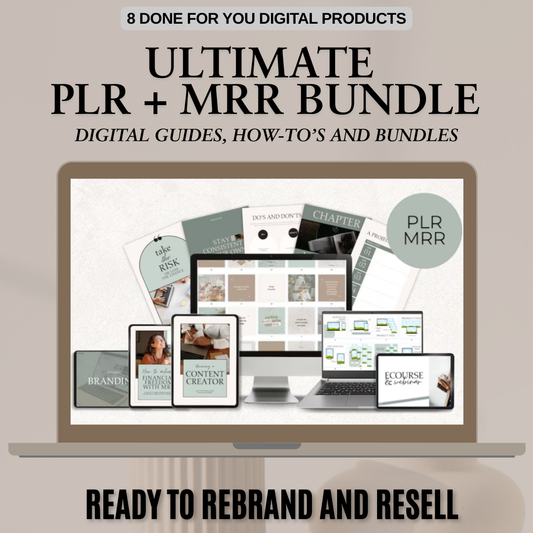
It's also worth understanding how this differs from PLR (Private Label Rights) products, which follow a completely different licensing model — buyers of PLR content often get rights to edit and resell the base files themselves. If you're curious how that compares to building original Canva templates, our guide to PLR digital products breaks down the distinction, including why most serious template sellers stick to original design work rather than PLR reselling. Well-packaged original bundles — like our Luna Bundle, the Content Girl Collection, or the Momentum Mastery affirmation pack — are good examples of what "original, sellable" looks like in practice: distinct visual identity, clear niche, and content built from scratch rather than lightly edited stock templates.
How to Create a Canva Template Step by Step
Once you understand the licensing rules, the actual creation process is straightforward. Here's the workflow that separates templates that sell from templates that sit unsold in a shop.
Pick a Niche or Buyer Problem
Start by identifying a specific problem, not a broad category. "Social media templates" is too vague — "Instagram carousel templates for skincare brands" or "Reels covers for fitness coaches" gives you something buyers can actually search for and picture using. Looking at 20 high-demand digital products to sell right now is a useful way to spot which niches already have proven demand before you invest hours designing.
Build a Reusable, Editable Layout
Every element that matters — text, color, images — needs to be easy for a non-designer to swap out. Use Canva's grid and alignment tools to keep spacing consistent, limit yourself to a tight color palette and two font pairings, and think about the layout from the buyer's perspective: could someone with zero design experience open this and customize it in under five minutes?
Use Original Graphics or Compliant Canva Content
As covered earlier, your design needs to be an original composition, not a lightly edited Canva element. If you're not confident sourcing or building original graphics yourself, ready-made visual assets built specifically for resale — like luxury skincare texture packs with clear usage rights attached — can give you a compliant starting point without the licensing risk of pulling random stock content.
Test the Template as a Buyer Would
Before listing anything, duplicate your own template and edit it exactly as a customer would. This catches broken links, locked elements, or confusing layouts before they become refund requests or bad reviews.
Package with Instructions, Previews, and Delivery Method
Decide upfront whether you're delivering a Canva template link (required if you've used Pro Content) or a downloadable file. Either way, include a simple instructional guide and clean preview mockups so buyers know exactly what they're getting before they purchase. Done-for-you formats — the kind covered in our guide to done-for-you digital products — tend to convert better precisely because the buyer can see the finished product is ready to use immediately, with no guesswork.

Best Canva Template Niches to Consider
Not every niche performs equally, and picking the right one early saves months of trial and error. Some of the strongest-performing categories right now include:
-
Social media kits — carousels, Reels covers, and post bundles remain one of the highest-volume categories, and formats like 30 days of digital marketing carousels show how a themed, ready-to-post bundle outperforms single, one-off designs
-
Invitations — weddings, birthdays, and events remain evergreen, high-search-volume categories
-
Planners and checklists — daily planners, habit trackers, and goal-setting templates continue to sell consistently across Etsy and Creative Market
-
Business and media kits — press kits, rate cards, and brand guideline templates aimed at freelancers and small brands
-
Lead magnets — opt-in freebies and workbooks that businesses use to grow email lists
Small business template kits deserve their own callout. Search demand for "best Canva templates for small businesses" is strong and consistent, because small business owners are actively looking for branding kits, social content templates, and marketing materials they can use without hiring a designer. Niche-specific content kits — like a skincare Instagram content kit or a seasonal Black Friday social content bundle — perform especially well here because they solve a specific, time-sensitive business need rather than offering generic, one-size-fits-all designs. For a deeper look at which Canva-specific product types are performing best right now, our guide on Canva digital products that sell like crazy breaks down templates, planners, and more by category.
Where to Sell Canva Templates
Once your template is built and tested, you'll need a sales channel. Each option comes with tradeoffs worth weighing before you commit.
Etsy — By far the most common starting point for template sellers, thanks to its built-in search traffic and buyer intent. The tradeoff is listing fees and a crowded, competitive marketplace where standing out takes strong SEO and mockups.
Creative Market — Attracts a more design-savvy audience willing to pay premium prices, though the platform is more curated and harder to break into as a total beginner.
Gumroad and Payhip — Both let you sell directly with lower fees and full control over your storefront and customer data, but you're responsible for driving your own traffic since there's no built-in marketplace search.
Canva's Creator Program — Lets you sell templates directly inside Canva itself, putting your work in front of Canva's massive existing user base, though acceptance criteria and payout structures are more restrictive than open marketplaces.
Your own website or store — Offers the most control and the best margins long-term, especially once you have repeat buyers, but requires you to generate your own traffic through SEO, social, or paid ads. This is also where bundling shines — pairing several related digital downloads together, like a full 100 done-for-you Reels and carousels pack, tends to perform better on owned platforms where you control pricing and presentation.
Most successful sellers don't pick just one channel — they use a marketplace like Etsy for discovery and organic search traffic, while building their own site or email list for repeat customers and higher-margin sales over time. If you're thinking about this as a long-term income stream rather than a one-off sale, it's worth watching this breakdown of building a template-based side hustle and reading our guide to building financial freedom through side hustles for how template selling fits into a broader income strategy.
How to Write a Listing That Converts
A great template can still sit unsold if the listing doesn't do its job. The strongest listings share a few core elements:
A clear, keyword-rich title. Buyers search with specific intent — "Instagram carousel template for coaches" outperforms a vague title like "Social Media Pack." Front-load the format and the niche.
Mockups and previews that show real use. Static thumbnails aren't enough. Show the template applied to sample content so buyers can picture it with their own brand. A product like Main Character Carousels does this well — the previews make the end result obvious at a glance, which shortens the buyer's decision time.
A description that leads with the outcome. Instead of just listing design specs, open with what the buyer gets to skip — hours of design work, inconsistent branding, or a blank-page problem.
A clear "what's included" breakdown. Number of designs, formats, file types, and any bonus assets should be spelled out, not implied.
Delivery method stated upfront. Buyers should know before purchasing whether they're getting a Canva template link or a downloadable file, especially since this affects how quickly they can start editing.
Usage instructions. Even a single slide showing how to duplicate and edit the template reduces confusion and pre-purchase questions. For inspiration on how to teach this well, resources like the Canva Crash Course show how bundling a short tutorial alongside templates adds perceived value at almost no extra production cost.
Pricing Your Templates for Profit
Pricing is where a lot of new sellers leave money on the table. General benchmarks look like this:
-
Single templates: $3–$10
-
Small bundles (5–10 designs): $10–$25
-
Full kits (20+ designs, multiple formats): $25–$75
-
Premium branding or content bundles: $75–$150+
Products like Salt & Sage Instagram Post Templates or a set of 52 aesthetic social media posts illustrate why bundling consistently outperforms single-item pricing — buyers perceive far more value in "a full month (or year) of ready-to-post content" than in one isolated design, even when the per-item cost works out similar.
Bundling increases perceived value because it shifts the buyer's mental math from "is this one design worth $5?" to "is this entire system worth $30?" — and the second question is much easier to say yes to, especially for small business owners trying to solve a whole content problem at once.
An entry-level → upsell strategy works well for scaling revenue. Offer a smaller, lower-priced product — like a themed set of 100 Instagram posts — as an entry point, then guide buyers toward larger, higher-value bundles once they've had a good first experience with your shop. If you want a deeper framework for getting this right, our guide on how to price digital products for maximum profit walks through the psychology and math in more detail, and offering a well-chosen freebie is another proven way to warm up buyers before the upsell — our post on using free digital products to drive paid sales covers exactly how to structure that.
How to Scale and Turn This Into Consistent Income
A one-time template sale is nice. A repeatable system is what actually builds income.
Build a recognizable style. Buyers return to sellers whose aesthetic they trust and recognize. A consistent visual signature — color palette, typography, mood — across your shop makes repeat purchases far more likely than a scattered mix of unrelated styles.
Mix evergreen and seasonal products. Evergreen templates (branding kits, resume templates, general social content) sell steadily year-round, while seasonal drops create short, predictable demand spikes. A product like 30 Positive Mindset Stories is a good example of an evergreen, always-relevant niche that doesn't rely on a specific season or trend to keep selling.
Iterate based on buyer feedback. Reviews and support messages often reveal exactly what buyers wish your templates included — more color variations, more formats, or additional use cases. Small, feedback-driven updates can meaningfully boost conversion over time.
Promote with demo content, not just static previews. Pinterest, Instagram Reels, and TikTok are especially effective for template sellers because the product is inherently visual. Short "watch me customize this in real time" videos consistently outperform plain product photos. For more ideas on what's currently resonating with buyers, our roundup of popular digital products right now and our list of canva digital product ideas are both useful for spotting what to promote next. If you'd rather learn by listening than reading, our podcast also covers seller strategy in more depth.
Common Mistakes to Avoid
-
Overcomplicated designs — too many fonts, colors, or layered effects make templates harder for buyers to edit, which increases refund requests
-
Untested template links — always duplicate and edit your own template before publishing to catch broken or locked elements
-
Licensing violations — reselling Canva Pro content as a flattened file, or relying on simple recolors instead of original design work, puts your shop at risk
-
Underpricing to compete — racing to the bottom on price undervalues your time and makes sustainable income much harder to reach; see our guide to how Canva digital products that actually sell fast are typically priced and positioned
FAQs
Can I sell Canva templates for profit?
Yes. Canva explicitly allows users to design and sell templates and other products using Free and Pro Content, as long as the final design is original rather than a lightly edited version of existing Canva content, per Canva's own help documentation.
Do I need Canva Pro to sell templates?
No — you can build and sell templates using Canva's free tools. Canva Pro simply unlocks more design elements, but if you use Pro Content in a template, it must be sold as a template link rather than a downloadable file.
Can I sell templates as a PDF?
It depends on what the template contains. If it includes Canva Pro elements, it must be delivered as a Canva template link, not a flattened PDF or image file. Templates built entirely from free elements have more flexibility in delivery format.
What's the difference between a template and a finished design?
A finished design is a one-off piece made for a single use or client. A template is intentionally built to be reusable and editable, so it can be sold to many different buyers who each customize it for their own needs.
Where's the best place to sell templates as a beginner?
Etsy is the most common starting point due to built-in search traffic, though platforms like Gumroad offer more control over pricing and customer data. Our comparison of the best platforms for selling digital products in 2026 and our guide to using Gumroad for digital product sales both break down the tradeoffs in more detail. If you want a structured, guided starting point, the Coursera guided project on creating and selling templates on Canva is also a solid beginner resource.
Closing Thoughts
Canva templates sit at a genuine sweet spot: low barrier to entry for creators, and real practical value for buyers — especially small businesses that need professional design without a professional price tag. The sellers who turn this into consistent income aren't the ones with the fanciest designs; they're the ones who pick a clear niche, respect Canva's licensing rules, price with bundling in mind, and treat their shop as an evolving product line rather than a one-time listing.
If you're still deciding what to build first, our list of 50 digital product examples you can start selling today is a good next stop to help narrow down your niche before you open Canva and start designing.
🎬 Want a visual walkthrough?
If you’d rather watch than read, here’s the full explainer video covering everything in this guide: