

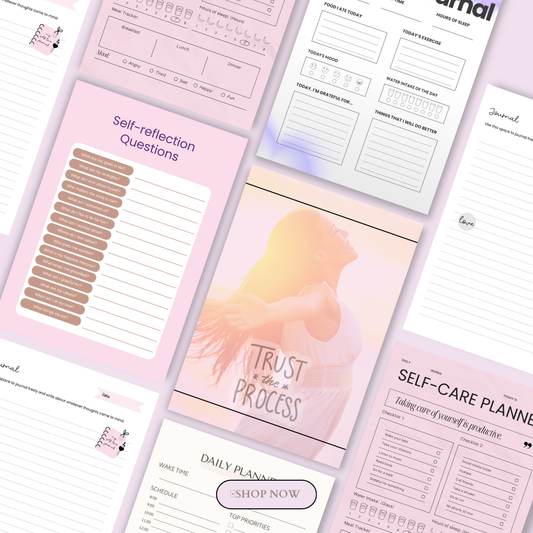

What if you could create something once — and earn from it over and over again, while you sleep, while you're at school pickup, or while you're watching Netflix?
That's the real promise of digital products. And right now, in 2025 and 2026, it has never been easier or more accessible to start.
🎥 Prefer watching instead of reading?
Watch the full step-by-step explainer video below.
Whether you're a stay-at-home mom in Melbourne looking to bring in extra income, a teacher in Texas wanting to monetise your lesson prep, a side-hustler in Sydney ready to ditch the swap-time-for-money trap, or a complete beginner in the US who's never sold anything online — digital products are one of the most realistic paths to building a flexible, scalable income stream.
In this post, you'll find 50+ real digital product examples across every major category — from printables and ebooks to AI-powered prompt packs and Canva templates. Browse the full list, find your entry point, and start selling today.
Jump to a section:
-
What Are Digital Products?
-
Foundational Info Products
-
Online Courses & Learning Experiences
-
Printables, Planners & Templates
-
Design Assets & Creative Resources
-
Audio, Video & Media Products
-
Memberships, Communities & Recurring Offers
-
AI-Friendly & Modern Digital Products
-
How to Choose the Right Digital Product for You
-
Where to Sell Your Digital Products
-
Ready to Start?
What Are Digital Products?
A digital product is any product that exists in a digital format — it's created once, delivered instantly, and can be sold unlimited times with no restocking, no shipping, and no physical inventory.
Think of it as a file, a download, a login, or an experience that someone purchases and receives on their phone, tablet, or computer. That could be a PDF planner, a video course, a Canva template, an audio track, or a ChatGPT prompt pack. If it lives on a screen and delivers value, it qualifies.
Why digital products are such a powerful income stream right now
The economics are hard to ignore:
-
Zero cost of goods sold — once you've created the product, you keep nearly all of the revenue
-
Instant delivery — buyers receive it automatically, no fulfilment required
-
Unlimited inventory — the same file can be sold to 1 person or 100,000
-
Location-independent — sell to customers in the US, Australia, the UK, or anywhere in the world from your laptop
-
Passive income potential — products you create today can generate sales months or years from now
For a complete breakdown of how digital products work and why they're one of the top beginner-friendly income models in 2025–26, read our beginner's guide to digital products — it covers everything from definitions to delivery in plain language.
Who is already selling digital products?
The short answer: everyone. Teachers creating classroom resources on Teachers Pay Teachers. Moms selling printable planners on Etsy. Fitness coaches packaging their programs into downloadable PDFs. Graphic designers selling Canva template bundles on Gumroad. Entrepreneurs building passive income businesses on Shopify.
You don't need a big audience, a technical background, or a large upfront investment. You need an idea, a tool like Canva or Google Docs, and a platform to list it on.
If you want to browse a wide range of ready-to-sell options before you create your own, the Resell Ready digital products shop is a great place to see what's already selling — including done-for-you products with full resell rights so you can start earning without building from scratch.
What about PLR and MRR products?
One of the fastest ways to enter the digital product space — especially as a beginner — is through PLR (Private Label Rights) or MRR (Master Resell Rights) products. These are professionally created digital products you can purchase, brand as your own, and resell to keep 100% of the profits.
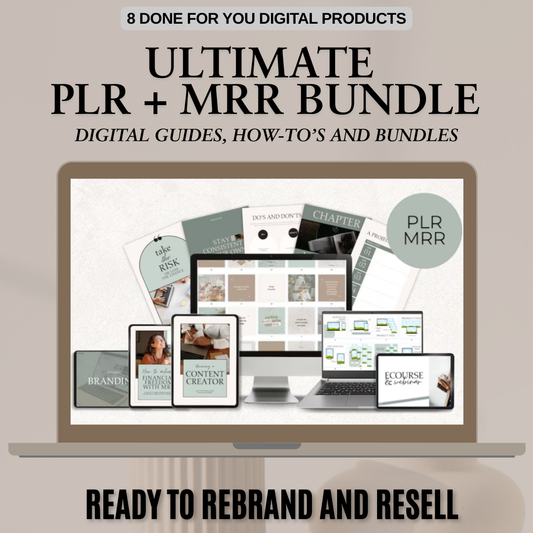
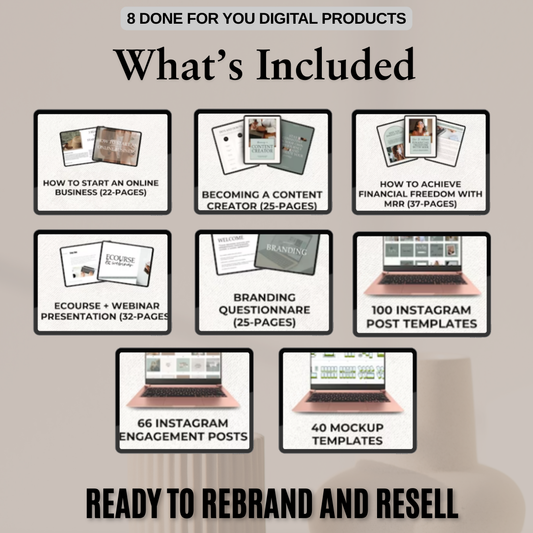
It's a proven shortcut used by thousands of sellers in the US and Australia to launch their digital product business without starting from zero. Our guide to PLR digital products explains exactly how this model works, what to look for, and how to get started. Or if you're ready to jump straight in, the Ultimate PLR + MRR Bundle is one of our most popular starting points for new sellers.
Now — let's get into the 50+ examples.
3. Printables, Planners & Templates
If there's one digital product category that has stood the test of time — and continues to grow — it's printables, planners, and templates. This is also the single best starting point for beginners, especially if you're already comfortable with Canva or Google Docs.
Buyers in the US and Australia search for planners, trackers, and templates in huge volumes every day — on Etsy, Pinterest, Google, and TikTok. The demand is consistent, the products are fast to create, and they sell at every price point from $3 to $97+.
Here are the most popular types:
Daily, weekly, and niche planners
-
Daily and weekly planners — the evergreen bestsellers. Simple layouts that help people organise their day, week, or month
-
Mom planners — family command centres, meal and appointment trackers, self-care check-ins built for busy parents
-
Teacher planners — lesson plan templates, class rosters, curriculum maps, and weekly prep sheets
-
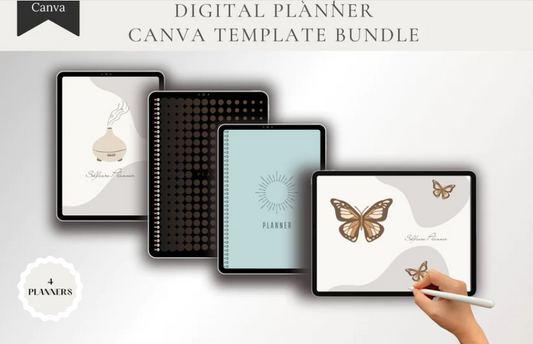
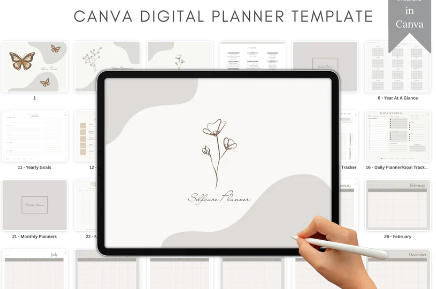
Digital planners for iPad — hyperlinked GoodNotes and Notability planners are one of the fastest-growing niches in the planner market right now
If you're thinking about creating or selling planners, our dedicated guide to digital planners walks through formats, pricing, and what's selling best — and for iPad users specifically, don't miss our roundup of the best digital planners for iPad and GoodNotes. If you'd rather skip straight to a ready-made product, the Planner Collection has beautifully designed options with full resell rights.
For a wider list of proven planner ideas to sell on Etsy, our guide to 25 digital planners you can sell on Etsy is a great starting point.
Budget, meal, and wellness trackers
-
Budget planners and bill trackers — hugely popular in both the US and Australian markets, especially during tax season and the new year
-
Meal planners and grocery lists — weekly menu templates, recipe card bundles, and "what's for dinner" pads are perennial top sellers
-
Habit trackers and health trackers — sleep, water intake, steps, mood — buyers love a beautiful, printable tracker they can stick on their fridge or use in their journal
For mindset-focused wellness products, the Money Mindset Collection and the Self-Care SOS Kit are strong examples of how to package emotional wellbeing into a sellable digital product.
Kids, homeschool, and study resources
-
Kids' activity worksheets — alphabet tracing, number practice, colouring pages, seasonal activity packs
-
Homeschool planners — daily schedules, lesson plan templates, reading logs, and curriculum trackers for home-educating families (a booming niche in both the US and Australia)
-
Study planners and exam revision trackers — popular with high school and university students during exam periods
Life admin and event templates
-
Wedding planners and event templates — budget trackers, vendor lists, seating charts, and day-of timelines
-
Travel planners and packing list templates — popular year-round, with spikes around school holidays
-
Chore charts and family command centre printables — a consistent seller for the "organised home" niche
-
Content calendar templates — for bloggers, coaches, and social media creators who want a done-for-you planning system
Business and professional templates
-
SOP and checklist templates — standard operating procedure documents, onboarding checklists, client welcome packs
-
Launch checklists — step-by-step product or course launch templates for online business owners
-
Content creation systems — repeatable workflows for creating and scheduling content, packaged as PDF or Notion templates
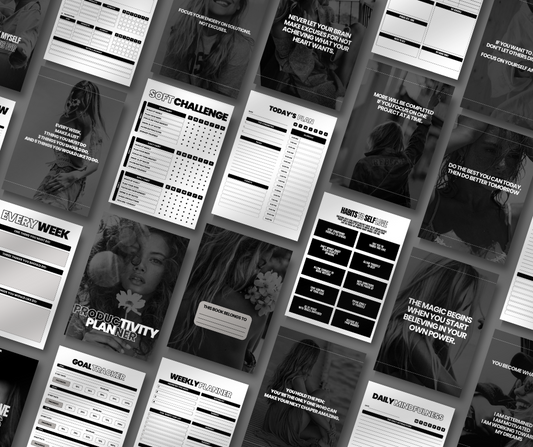
💡 Canva user? This is your category. If you can use Canva, you can create every product in this section. Most printable and planner bestsellers are built entirely in Canva with no design experience required. Browse the Plan & Prosper collection for done-for-you planner and productivity products you can resell straight away.
4. Design Assets & Creative Resources
Design assets are digital products that help other people create — whether that's building a brand, writing a presentation, designing a social media post, or decorating their home. They sell exceptionally well on Etsy, Creative Fabrica, Gumroad, and Shopify.
This category has exploded in the last two years as more people turn to content creation and online business, and need professional-looking visuals without the budget to hire a designer.
Social media and content templates
-
Canva social media templates — Instagram posts, story templates, Reel covers, Pinterest pins, and carousel slides. One of the top-selling digital product formats on Etsy in the US and globally
-
Carousel bundles — multi-slide educational or promotional carousels are in particularly high demand for business accounts; the 30 Days of Digital Marketing Carousels Bundle is a strong example of how to package and sell these
-
Presentation and slide deck templates — Canva or PowerPoint decks for coaches, educators, and business owners
For building brand authority through visual content, explore the Post Perfection collection — a curated range of social media templates ready to brand and sell.
Brand and business design assets
-
Brand kits — logo templates, colour palettes, font pairings, and social media branding guides packaged together
-
Business card and pitch deck templates — especially popular among freelancers, coaches, and small business owners in both the US and Australia
-
Lead magnet and opt-in templates — beautifully designed PDF templates buyers can use to grow their email list
If you want to go deeper into branding as a digital product niche, the Ultimate Branding Course guide covers how to position and sell branding-focused digital products, and the Ultimate Branding Course with Master Resell Rights is a done-for-you product you can resell in this space. You can also browse the full MRR products collection for more resellable design and business assets.
For anti-trend brand growth strategy, the Anti-Algorithm Growth Guide is a standout product in this category.
Print and decorative design products
-
Digital art prints and wall art — motivational quotes, botanical prints, nursery art, and abstract designs sold as instant downloads
-
Printable invitations — birthday, baby shower, wedding, and hen's party invitations are perennial bestsellers on Etsy
-
Journals and notebook interiors — lined, dot grid, prompted, and habit journal interiors for print-on-demand (Amazon KDP) or direct download
-
Scrapbook layouts and clip-art packs — digital scrapbooking is a dedicated and loyal niche with repeat buyers
-
Desktop and phone wallpapers — quick to create and easy to bundle; popular with the "aesthetic" and wellness markets
-
Event signage templates — welcome signs, seating charts, order-of-service cards, and table numbers for weddings and events
🎨 AI image packs are a rising product type in this category. Browse the AI Image Collection to see how AI-generated visuals are being packaged and sold as ready-made design assets.
5. Audio, Video & Media Products
Audio and video products carry some of the highest perceived value in the digital product space — and with modern AI tools and free recording software, they've never been more accessible to create. If you're comfortable speaking, teaching, or guiding on camera or microphone, this category is wide open.
Audio products
-
Meditation audio tracks — guided meditations, body scan relaxations, and sleep meditations are in consistent demand across the US and Australia, particularly in the wellness and self-care niches
-
Affirmation audios — recorded morning affirmations, confidence builders, and abundance mindset tracks
-
Focus and ambient soundscapes — background music for studying, working from home, or sleeping; sold individually or as bundles
-
Kids' audiobooks and bedtime stories — a relatively uncrowded niche with a very loyal buyer base; original stories or adapted public-domain tales work well
For wellness-focused audio and written products, the Self-Love Workbook is a great example of how self-care content translates into a high-converting digital product — and the same content framework works equally well in audio format.
Video products
-
Video classes and tutorials — cooking, beauty, DIY, crafts, calligraphy, watercolour, journaling — if you can teach it on camera, someone will pay to learn it
-
Training video bundles for teams — onboarding videos, software tutorials, and process walkthroughs are in high demand from small business owners who need repeatable training without a coach
-
Short "micro-lesson" video bundles — 5–10 minute focused lessons on one skill or topic, packaged and sold as a bundle; lower production commitment, high value for the buyer
📹 You don't need a studio. Most successful video digital products are recorded on a phone or a laptop with natural light. What buyers are paying for is your knowledge and delivery — not production quality. For inspiration on what types of video-based learning products are selling well, browse the Masterclasses collection.
6. Memberships, Communities & Recurring Offers
Most digital products are a one-time sale. Memberships flip that model entirely — instead of chasing new customers every month, you build a base of paying members who return to you on autopilot.
This is where digital product sellers in the US and Australia start to build genuinely scalable, recurring income. It takes more upfront effort than a single PDF, but the compounding effect on revenue makes it one of the most powerful long-term plays in the digital product space.
Membership sites and resource libraries
-
Membership sites — subscribers pay a monthly or annual fee to access a vault of resources, templates, lessons, or community. Think: a monthly drop of new Canva templates, fresh printables, or exclusive training videos
-
Template libraries and resource vaults — a curated collection of your best digital products bundled behind a paywall; popular with teachers (who pay for classroom resource libraries) and business owners (who subscribe to social media template banks)
-
Printables subscription libraries — new designs released monthly across seasonal and niche categories; Etsy and Patreon both support this model well
Coaching, retreats, and subscription bundles
-
Online coaching packages — structured sessions, email support, and resource bundles delivered over a set period (30, 60, or 90 days). The digital components — workbooks, PDFs, video lessons — are what make this scalable
-
Virtual wellness or productivity retreats — a time-limited live experience with replays, workbooks, and follow-up resources bundled as a package
-
Subscription bundles — monthly drops of digital content in a specific niche, such as social media captions, new affirmation packs, or fresh journal prompts
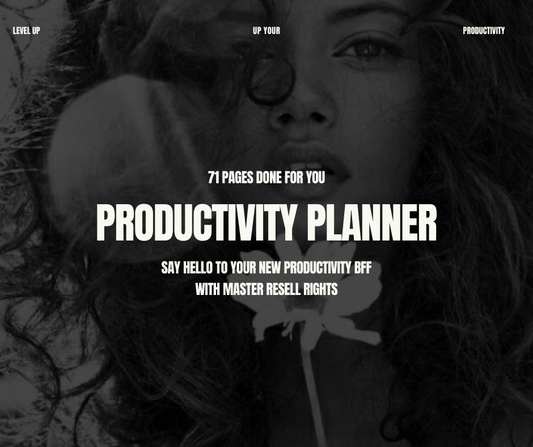
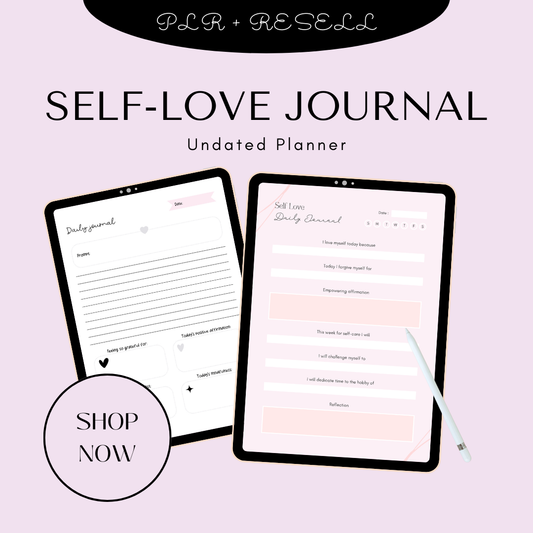
For sellers building around self-development content, the Self-Love Journal and Productivity Planner guides show how single-topic content can become the foundation of a recurring membership or bundle model. Products like the Own Your Reflection self-acceptance ebook and the Stress Less, Glow More mindset ebook are examples of premium content that anchors a subscription or coaching bundle.
For leadership and entrepreneur-focused membership content, the Mastering Creative Leadership ebook and the Creative Entrepreneurship Collection offer done-for-you content you can build a bundle or membership around.
🔁 The recurring revenue advantage. A membership with just 50 members paying $27/month generates $1,350 every single month — from content you largely built once. That's the compounding power of the subscription model. If you're already selling individual digital products in the US or Australia, adding a membership tier is one of the highest-leverage moves you can make.

7. AI-Friendly & Modern Digital Products
This is the fastest-growing category in the entire digital product space right now — and it's the one most beginners are sleeping on.
AI tools like ChatGPT, Midjourney, and Canva's AI features have made it possible to create, package, and launch a digital product in a single afternoon. The sellers capitalising on this in 2025 and 2026 are building real income streams — often without any design experience, writing background, or technical skills.
Here's what's selling:
ChatGPT and AI prompt packs
-
Prompt packs for teachers — sets of ready-to-use ChatGPT prompts for lesson planning, feedback writing, report card comments, and differentiation
-
Prompt packs for moms — prompts for meal planning, activity ideas, social scripts for kids, and managing the mental load
-
Prompt packs for small business owners — email templates, social media captions, product descriptions, client onboarding scripts, and content calendars, all generated with guided prompts
-
Niche-specific prompt bundles — prompts for real estate agents, life coaches, fitness trainers, podcast hosts, and more
Browse the full AI Prompt Packs collection to see how prompt-based products are being packaged and sold right now — and for copywriting-focused prompts, the Words That Sell collection shows how prompts and templates combine into high-converting bundles.
Systems, SOPs, and plug-and-play templates
-
SOP and checklist packs — documented systems for content creation, client onboarding, product launches, and classroom routines; incredibly valuable to overwhelmed business owners who want repeatable processes
-
Plug-and-play scripts — email sequences, webinar outlines, sales page copy, and YouTube hooks delivered as fill-in-the-blank templates
-
Notion and ClickUp templates — digital systems for content planning, home management, business operations, and goal tracking; one of the most searched digital product types in the US market right now
AI-assisted courses and digital trackers
-
AI-assisted mini courses — use ChatGPT to write your course outline and script, record your lessons, package them as a PDF or video bundle, and sell. A complete mini course can be built in a weekend
-
Digital health and habit trackers — spreadsheet or PDF-based trackers for sleep, mood, water, steps, nutrition, and productivity; the wellness tracker niche is evergreen and growing in both the US and Australian markets
-
AI-generated planners and productivity tools — AI is now being used to design, write, and even personalise planners at scale; our guide to AI-powered planners and the future of productivity covers exactly where this niche is heading
For a comprehensive look at what's possible, our guide to digital products you can create with AI in 2026 is one of the most detailed resources available on this topic. And if you're looking for visual AI products specifically, the Midjourney Mastery Guide Collection is a standout example of how AI visual tools can be packaged into a premium digital product.
For sellers in the US and Australia looking to understand how digital downloads and AI products fit into a broader passive income model, our guide to financial freedom through side hustles puts it all in context.
🤖 You can build this today. If you have ChatGPT, Canva, and a Google or Notion account, you have everything you need to create a prompt pack, SOP bundle, or AI-assisted mini course this week. The barrier to entry has never been lower — and the market in both the US and Australia is still wide open for niche-specific AI products.
How to Choose the Right Digital Product for You
With 50+ options in front of you, the hardest part is often just picking one. Here's a simple framework to help you narrow it down — based on who you are, how much time you have, and where you want to sell.
Step 1 — Know your audience (and your niche)
Before you create anything, ask: who am I selling to? The clearest path to your first sale is matching your product to a specific person with a specific problem.
For beginners — start with a single printable, a short ebook, or a prompt pack. Low effort to create, fast to list, easy to price. Browse our full guide to digital products to sell for beginner-friendly starting points.
For teachers — your lesson prep is already halfway to a product. Study guides, classroom planners, activity worksheets, and revision resources all sell consistently on Teachers Pay Teachers and Etsy. Check out our roundup of 40 digital products you can create using ChatGPT or AI tools — many of them are perfect for educators.
For busy moms — lean into what you already know: family organisation, meal planning, kids' activities, and self-care. The high-demand niches for PLR digital products guide shows exactly which niches are converting fastest right now — and many of them are squarely in the "family and lifestyle" space.
For entrepreneurs — think systems, templates, and training. SOPs, Canva social media kits, branding guides, and mini courses are all high-ticket-friendly and deeply valued by other business owners. The done-for-you digital products model is especially powerful here — buy, brand, and resell without creating from scratch.
Step 2 — Answer these three questions
How much time do you have to create?
-
Under 2 hours → printable, checklist, or prompt pack
-
A weekend → short ebook, mini course, or template bundle
-
Ongoing → membership, full course, or coaching package
What skills or tools do you already have?
-
Canva → printables, planners, Canva templates, digital art
-
Writing ability → ebooks, guides, scripts, SOPs
-
Teaching experience → courses, workshops, tutoring packages
-
AI comfort → prompt packs, AI-generated planners, AI mini courses
Where do you want to sell?
-
Etsy → printables, planners, digital art, templates
-
Your own Shopify store → anything; best for building a brand
-
Gumroad → ebooks, courses, bundles, memberships
-
Amazon KDP → journal interiors, notebooks, activity books
-
Course platforms → video courses, workshops, coaching
Quick-start recommendations by audience
|
Who you are |
Start with this |
Why it works |
|
Complete beginner |
Printable planner or checklist |
Fast to make, easy to list on Etsy, proven demand |
|
Teacher |
Classroom activity pack or study guide |
You've already done the work — package what you know |
|
Busy mom |
Family planner or meal plan bundle |
Sells to people exactly like you; authentic and relatable |
|
Entrepreneur |
Canva social media template pack |
High perceived value, fast to create, easy to price at $17–47 |
|
Creative |
Digital art print or journal interior |
Low competition in niche styles, easy to scale with POD |
|
AI-curious |
ChatGPT prompt pack |
Can be created in a few hours with no design skills at all |
For even more ideas, our guide to digital downloads covers the full landscape of what's working right now for sellers at every experience level.
Where to Sell Your Digital Products
Creating a great product is only half the job. Where you sell it shapes your reach, your brand, and how much you keep. Here's a clear breakdown of the main platforms — and which product types perform best on each.
Platform overview
Etsy — the largest marketplace for printables, planners, and design templates. Built-in traffic and buyer trust make it the fastest route to a first sale for beginners. Best for: printables, planners, templates, digital art, invitations, and Canva bundles.
Shopify — your own branded storefront. More control, better margins, and full ownership of your customer list. Best for: building a long-term brand, selling bundles, and scaling with email marketing. Best for: any product type, especially recurring offers and higher-priced bundles.
Gumroad — simple, creator-friendly, and fast to set up. Perfect for ebooks, courses, prompt packs, and templates. Lower traffic than Etsy but zero listing fees. Best for: solo creators launching their first product or testing a new idea.
Amazon KDP (Kindle Direct Publishing) — free to use, massive built-in audience. Best for: low-content books — journals, planners, activity books, colouring books, and notebooks sold as physical print-on-demand.
Teachable / Kajabi / Podia — dedicated course platforms with built-in tools for video hosting, student management, and payment processing. Best for: full online courses, coaching programs, memberships, and digital learning experiences.
Stan Store / Linktree — link-in-bio storefronts popular with Instagram and TikTok creators. Best for: quick-launch digital products promoted through social media content.
Best platform match by product type
|
Product Type |
Best Platform(s) |
|
Printables and planners |
Etsy, Shopify |
|
Canva templates |
Etsy, Gumroad, Shopify |
|
Ebooks and guides |
Gumroad, Shopify, Amazon KDP |
|
Online courses |
Teachable, Kajabi, Shopify |
|
Prompt packs and SOPs |
Gumroad, Shopify, Stan Store |
|
Journals and notebooks |
Amazon KDP, Etsy |
|
Memberships |
Kajabi, Patreon, Shopify |
|
Digital art prints |
Etsy, Shopify |
|
Audio and video products |
Gumroad, Teachable, Shopify |
For a complete step-by-step walkthrough of how to get your digital product live and selling — including platform setup, product delivery, and pricing — read our ultimate guide to how to sell digital products online. It covers everything from your first listing to scaling your income.
Tools to Create Your Digital Product Fast
You don't need expensive software, a design degree, or a big tech setup to create and sell digital products. The most successful sellers in the US and Australia are building entire product businesses with three free or low-cost tools — and a clear process.
Here's exactly what you need and how to use it.
The core toolkit
Canva — for everything visual
Canva is the go-to tool for creating printables, planners, ebooks, social media templates, presentations, digital art, invitations, and virtually anything that needs to look professional. The free plan covers most product types; Canva Pro unlocks brand kits, background remover, and a broader template library.
If you want to know which Canva products are currently converting best for sellers, our guide to Canva templates that sell fast and the companion deep-dive on the most profitable Canva templates in 2026 are the most practical resources available. Both are worth bookmarking before you open a blank Canva file.
ChatGPT — for writing, structuring, and ideating
ChatGPT can write your ebook outline, draft your course scripts, generate your SOP bullet points, write your product descriptions, create your email sequences, and brainstorm your entire product line — all in minutes. It's not about replacing your expertise; it's about removing the blank page problem so you can move faster.
Use it to:
-
Generate a full ebook outline from a single topic sentence
-
Write the first draft of every section (then edit in your own voice)
-
Create prompt packs, checklist content, and SOP frameworks
-
Draft your Etsy or Shopify product listings
Notion or Google Docs — for SOPs, systems, and text-based products
For products that are primarily text — SOPs, business systems, Notion templates, checklists, scripts, or structured guides — Google Docs and Notion are all you need. Write your content, export as PDF, and you have a sellable product.
Notion templates in particular have become one of the most searched digital product types in the US market, with buyers paying $15–$97 for well-organised productivity and business systems.
Additional tools worth knowing
-
Adobe Express — free alternative to Canva with strong social media template features
-
Descript or Loom — for recording and editing video course content without a studio setup
-
GoodNotes (iPad) — for testing your own digital planners before you sell them
-
Lightroom (mobile) — for editing and creating photo presets as a sellable product; browse the Lightroom Preset Collection to see how presets are packaged for sale
-
A simple screen recorder — for creating tutorial-style video products or course content on a laptop
The 5-step workflow: from idea to first sale
Most successful digital product sellers follow the same basic path — whether they're in Austin, Texas or Adelaide, South Australia:
Step 1 — Idea Identify a specific problem your target buyer has. The more specific, the better. "Budget planner for single moms" outperforms "budget planner" every time. Use Google's autocomplete, Etsy search suggestions, and Pinterest trends to validate demand before you create.
Step 2 — Create Open Canva, ChatGPT, or Google Docs and build your product. Use AI to draft, templates to design, and your own knowledge to make it genuinely useful. Aim for "done" over "perfect" — your first product doesn't need to be your best.
Step 3 — Format Export as PDF (for printables, ebooks, guides, and planners), MP4 (for video), MP3 (for audio), or as a shareable Canva or Notion link (for templates). Keep file sizes reasonable and test the download before you list it.
Step 4 — List Write a clear, keyword-rich product title and description. Include what the product is, who it's for, what format it comes in, and what problem it solves. Add mockup images so buyers can visualise what they're getting — free mockup tools are available inside Canva.
Step 5 — Sell Go live on your chosen platform. Share it on Pinterest, Instagram, or TikTok. Send it to your email list if you have one. Then repeat the process with your next product.
The faster you complete this cycle, the faster you learn what your specific audience wants to buy. Most sellers find their best-selling product by their third or fourth attempt — so the goal is volume and iteration, not perfection.
🛍️ Want to skip straight to selling? If you'd rather start with a proven, professionally created product than build from scratch, browse the Build Your Digital Empire collection — a curated range of done-for-you digital products with full resell rights, ready to list and sell today. Or explore the DFY Sales Funnels collection to get a complete selling system — product, funnel, and copy — all done for you.
Ready to Start Selling Digital Products?
You've just seen 50+ proven digital product examples across every major category — from beginner-friendly printables and planners to AI-powered prompt packs, branding courses, and membership models. The opportunity is real, the tools are accessible, and the market in both the US and Australia is growing every single year.
Here's the truth: the best digital product you can create is the one you actually finish and list. Pick one idea from this post, open Canva or ChatGPT today, and build your first version. You don't need it to be perfect — you need it to exist.
Your next step
Browse the Resell Ready shop to see what's already selling — and find done-for-you digital products you can brand and resell straight away, without creating anything from scratch. Every product in the shop comes with commercial rights so you can start earning immediately.
Explore our most popular collections:
-
📋 Marketing Templates — Plug & Play Content — social media captions, email templates, and content systems ready to use
-
🎬 Reel Power Packs — Reels scripts, hooks, and content bundles for Instagram and TikTok creators
-
💰 Finance & Budget Planner — a top-selling done-for-you financial planning product
-
🌟 New Year, New Me Collection — a seasonal bestseller for fresh-start and goal-setting buyers
-
💪 30 Days to a Better You — a popular self-improvement ebook with full resell rights
-
🌿 Healthy Habits Blueprint — a wellness ebook that converts well in the health and lifestyle niche
-
✨ The Glow Lab Guide — skincare + self-worth ebook — a beautifully designed PLR/MRR product for the beauty and wellness market
-
🎁 The Gemma Bundle — a curated bundle of multiple digital products in one package
-
🛍️ Ultimate Black Friday Strategy Guide — a seasonal product perfect for Q4 campaigns
Want to go deeper?
Read these related guides next:
-
100 digital products you can sell online in 2026 — Mega Guide
-
40 digital products you can create using ChatGPT or AI tools
Further reading:
For additional perspective on digital product trends and what's working across the broader market, MailerLite's guide to digital products, BlogTyrant's best digital products to sell roundup, and AI Super Hub's practical guide to the best digital products in 2026 are all worth reading alongside this post.
The digital product market is growing — and there has never been a better time to claim your slice of it. Pick your product, build it this week, and start selling.
Frequently Asked Questions About Digital Products
What is the easiest digital product to make and sell for beginners?
The easiest digital products to start with are printables and PDF guides — things like daily planners, checklists, habit trackers, and short how-to guides. They require no technical skills, can be created in Canva for free in a few hours, and sell consistently on Etsy and Gumroad without any paid advertising. If you want to skip the creation step entirely, done-for-you PLR (Private Label Rights) products let you purchase a professionally made digital product, put your name on it, and start selling immediately — often on the same day you buy it.
How much money can you make selling digital products?
Income from digital products varies widely depending on the product type, niche, platform, and how consistently you market. Some sellers earn an extra $200–$500 per month from a small Etsy printables shop. Others build full-time income of $5,000–$20,000+ per month from a combination of courses, templates, and membership sites. The advantage over physical products or freelance work is that digital products scale — a product you create once can sell hundreds or thousands of times with no additional effort. The more products you create and the more consistently you promote them, the faster your income grows.
Do I need a large social media following to sell digital products?
No. Many successful digital product sellers in the US and Australia make consistent sales with little to no social media following, particularly on Etsy and Amazon KDP, which have built-in search traffic. Pinterest is also a powerful free traffic source for printables, planners, and templates — and it works even with a brand-new account. A social media following helps, but it is not a prerequisite. Starting with a marketplace like Etsy means you're tapping into millions of buyers already actively searching for what you're selling.
What's the difference between PLR, MRR, and creating your own digital product?
Creating your own means building a product from scratch using your own knowledge, design, and writing. You own it 100% and keep all profits, but it takes more time and effort upfront.
PLR (Private Label Rights) products are pre-made digital products you purchase with a licence that allows you to edit, rebrand, and resell them as your own. You can change the name, add your branding, and sell them without credit to the original creator — a popular shortcut for beginners.
MRR (Master Resell Rights) products come with a licence to resell the product and, in some cases, pass on the resell rights to your buyers. They're often higher-ticket products like courses and bundles.
All three models are legitimate. PLR and MRR are particularly well suited to sellers who want to start earning quickly without building a product from scratch.
What tools do I need to create and sell digital products?
You need very little to get started. The core toolkit most digital product sellers use is:
-
Canva (free) — for designing printables, planners, ebooks, templates, and social media assets
-
ChatGPT (free or low-cost) — for writing outlines, drafting content, generating ideas, and creating prompt packs
-
Google Docs or Notion (free) — for text-based products like guides, SOPs, and Notion templates
-
A selling platform — Etsy, Gumroad, Shopify, or Amazon KDP depending on your product type
That's genuinely all you need to create and list your first product. Most sellers spend less than $50 in their first month before making their first sale.
🎬 Want a visual walkthrough?
If you’d rather watch than read, here’s the full explainer video covering everything in this guide: