

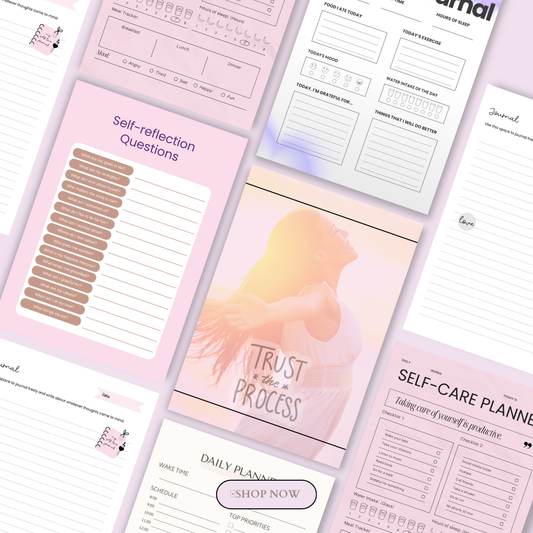

Teachers spend more time planning than almost any other part of their job. Lesson plans, grading, attendance, parent meetings, classroom budgets — all of it needs a system, and most teachers still prefer that system on paper or in a tablet app rather than buried inside a school's clunky LMS. That's exactly why printable planners for teachers have become one of the most reliable digital download categories to sell: the demand isn't seasonal hype, it's a genuine, recurring workflow problem, and it sits inside a much bigger opportunity across the wider digital products space that continues to grow every year.
🎥 Prefer watching instead of reading?
Watch the full step-by-step explainer video below.
This guide breaks down what actually sells in this niche, why teachers buy, and how to structure your own printable or digital planner so it converts — whether you're selling to teachers in the US, Australia, the UK, or anywhere else English-speaking educators are searching for classroom-ready templates.
Why Printable Planners Work for Teachers
The appeal comes down to one thing: teachers need ready-made tools, not blank pages. Building a lesson plan template or a gradebook from scratch every August is a waste of time most teachers don't have, so a done-for-you system has obvious value from the first look. If you're new to this space, it's worth understanding how to sell your digital products online before you build your first listing, since the way you position and price a planner matters just as much as the design itself.
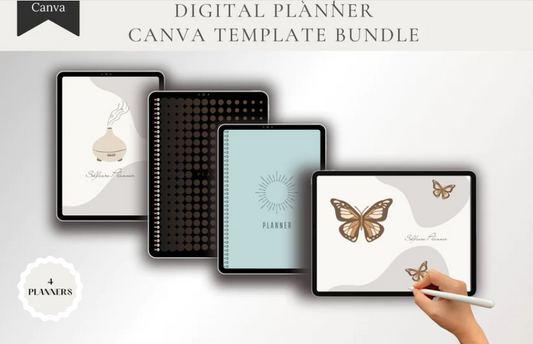
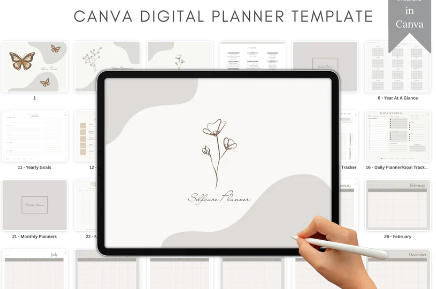
There's also a print-versus-digital split worth planning around. Some teachers want a physical binder they can flip through during a busy class period. Others have moved to an iPad and want a hyperlinked digital planner they can use inside GoodNotes or Notability. The buyers who convert best are usually looking for flexibility — undated pages so the planner doesn't expire mid-year, editable files they can personalize, multiple paper sizes, and a style that actually matches their taste rather than a generic template.
Proof of Demand: What the Market Shows
This isn't a niche you have to guess your way into. Established planner and template sites already organize their offerings around teacher-specific categories — daily planners, lesson plan pages, attendance trackers — which is a strong signal these formats are proven, not speculative. Marketplaces like Etsy show the same pattern: digital teacher planners, matching sticker sets, and planner page bundles consistently show up as bestsellers with repeat customer interest, which points to steady, ongoing demand rather than a short-lived trend. This is exactly the kind of low-competition opening covered in guides like 15 digital products you can sell on Etsy without designing.
In short, the categories below aren't invented ideas — they mirror what's already selling.
High-Demand Planner Pages and Bundles
If you're deciding what to build first, these are the pages and bundles that show up again and again as high-demand across US, Australian, and UK classrooms alike. This core list lines up closely with what's already covered in a broader look at planners as a standalone product category, which is a useful reference point if you want to see how these pages perform outside the teacher niche too:
-
Lesson plan templates — both weekly and daily formats
-
Gradebook and marks trackers
-
Attendance and seating chart sheets
-
Student info and parent contact forms
-
Meeting notes pages for staff or parent-teacher meetings
-
Homework and reading log trackers
-
Classroom expense logs
-
Academic year and monthly calendar pages
-
Rubrics for quick, consistent grading
-
Subject-specific or niche pages — homeschool, tutoring, or special education variations
These cover the full rhythm of a teacher's year, from day-to-day lesson delivery to the administrative side of the job.
Best Product Ideas to Create and Sell
Once you know which pages are in demand, the next step is turning them into sellable products rather than a loose stack of pages. Some of the most practical formats to build are:
-
Teacher planner binder inserts — individual pages sold as a cohesive set designed for a specific binder size
-
Weekly lesson plan templates — the anchor product most shops build first
-
Daily lesson planning pages — for teachers who prefer a more granular, day-by-day format
-
Gradebook and marks trackers — especially useful for teachers who don't fully trust their school's digital gradebook
-
Attendance and seating chart sheets — simple, but used constantly
-
Student info and parent contact forms — practical and easy to bundle as an add-on
-
Meeting notes pages — for staff meetings, IEP meetings, or parent conferences
-
Homework and reading log trackers — popular with elementary teachers
-
Classroom expense logs — a small but genuinely useful product, especially around tax season
-
Academic year and monthly calendar pages — a natural companion to any lesson planner
-
Subject-specific or niche pages — built for homeschool parents, tutors, or special education teachers, where a more targeted product can command a higher price
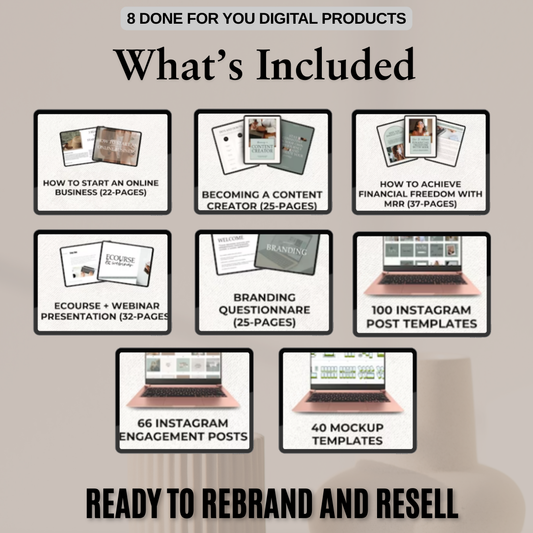
The strongest sellers tend to combine several of these into one binder-style bundle rather than selling isolated single pages. If you'd rather license proven templates than design from zero, it's worth reviewing the wider library of PLR digital products, or browsing Canva digital products that sell like crazy for template-building shortcuts.

Why Buyers Actually Purchase These
Teachers aren't buying planners for the aesthetics alone — although design matters. They're buying because a good planner saves time, reduces the mental load of building a system from nothing, and can be reused across a full school year in a physical binder. Digital versions add another layer of appeal: the same content works across note-taking apps and tablets, so a teacher who splits time between paper and iPad doesn't have to choose one system over the other — a shift covered well in this roundup of the best digital planners for iPad and GoodNotes users.
The single strongest selling point across this niche is flexibility. Buyers consistently look for undated pages so the product doesn't feel wasted if they start using it mid-semester, editable file options so they can personalize dates or subjects, multiple paper sizes to fit their printer or binder, and designs that actually reflect their classroom personality — minimalist, colorful, or themed.
How to Make Your Planner Sell (Positioning & Structure)
The biggest mistake in this niche is staying too generic. A plain "teacher planner" competes with hundreds of similar listings. A "middle school teacher weekly planner with gradebook and attendance pages" immediately feels more useful to the exact person searching for it, because it removes the guesswork about whether the product fits their actual job. The same specificity principle shows up across the broader productivity planner category.
A product structure that consistently performs well looks like this:
-
One core planner as the anchor of the listing
-
5 to 10 matching bonus pages to increase perceived value without much extra design work
-
Two or three style options — for example minimalist, floral, or colorful — so buyers can pick what fits their taste
-
A print-friendly PDF plus an editable version, where possible, so buyers aren't locked into one format
-
A digital, tablet-friendly version formatted for GoodNotes and similar apps, since this audience is growing fast
A simple example of this formula in action: a Teacher Planner Bundle with weekly lesson plans, attendance sheets, gradebook pages, and meeting notes, offered in A4, US Letter, and a GoodNotes-friendly PDF. That single structure covers the format expectations buyers already look for based on what's selling across planner marketplaces and template libraries, and it mirrors the approach laid out in The Planner Collection and this practical guide to designing and selling digital planners.
Where These Planners Sell
Printable and digital teacher planners perform well on marketplaces where buyers are already searching with strong intent. Etsy is the most obvious starting point, since digital planner listings there routinely show consistent, repeat sales activity. Teachers Pay Teachers is another natural fit, given that its entire audience is already educators looking for classroom-ready resources. Beyond marketplaces, template-focused platforms and your own storefront can work well once you have a proven bestseller to anchor your catalog around.
It's also worth studying how established planner sites present their teacher-specific ranges, since their category structure and page counts are a useful benchmark. OnPlanners' teacher planner templates and Teach Starter's guide to building your own teacher planner both show slightly different takes on the same core format, and comparing a few of these before you finalize your own layout can help you spot gaps to fill.
Regardless of where you sell, matching buyer expectations on format — A4, US Letter, and a GoodNotes-compatible PDF — removes a common reason for hesitation at checkout.
Quick Checklist for Creating a Sellable Planner
Before you publish a new planner listing, run it through this checklist:
-
Does the title describe a specific teacher or use case, not just "teacher planner"?
-
Does the bundle include a core planner plus 5–10 bonus pages?
-
Are there at least two style options to choose from?
-
Is it available in both A4 and US Letter sizes?
-
Is there a GoodNotes/Notability-friendly digital version included or offered as an upgrade?
-
Are the pages undated, or clearly labeled if dated?
-
Does the listing image show the planner in realistic, in-use context rather than just a flat design preview?
A well-built planner doesn't just organize a school year — it genuinely changes how someone uses their time, which is the core idea behind how planners revolutionize time management.
Final Thoughts
Printable planners for teachers work as a digital product because they solve a problem that never fully goes away — teachers will always need a system for lesson plans, grading, attendance, and communication. The sellers who do best in this niche aren't necessarily the most artistic designers; they're the ones who build specific, well-structured bundles that match how a real teacher's week actually works.
Start with one strong core planner, build a few matching bonus pages around it, and offer it in the formats teachers already expect — that alone puts you ahead of most generic listings in the space. You can browse ready-to-brand planner assets and templates directly on resellready.co to get started.
Frequently Asked Questions
What file formats should I include in a printable teacher planner? At minimum, offer a print-ready PDF in both US Letter and A4 sizes, since your audience spans the US, UK, and Australia. Adding an editable version (Canva or PowerPoint) and a hyperlinked, GoodNotes-friendly PDF for iPad users significantly widens who your listing appeals to without much extra design work.
Should teacher planners be dated or undated? Undated is almost always the safer choice. A dated planner effectively expires once the school year ends, while an undated version can be picked up and used at any point — including mid-semester — which keeps the listing sellable year-round instead of only during back-to-school season.
How many pages should a teacher planner bundle include? There's no fixed number, but a strong structure is one core planner plus 5 to 10 matching bonus pages, such as attendance sheets, a gradebook, or meeting notes. This gives buyers enough perceived value to justify the price without turning the bundle into an overwhelming, unfocused pack.
Is it better to niche down or sell one all-purpose teacher planner? Niching down tends to convert better. A listing titled "middle school weekly planner with gradebook and attendance pages" speaks directly to the teacher searching for it, while a generic "teacher planner" has to compete with hundreds of similar, less specific listings.
Where do printable teacher planners sell best? Etsy and Teachers Pay Teachers are the two strongest starting points, since both already have buyers actively searching with purchase intent. Once you have a proven bestseller, adding it to your own storefront can improve margins by cutting out marketplace fees.
🎬 Want a visual walkthrough?
If you’d rather watch than read, here’s the full explainer video covering everything in this guide: