


1. Introduction
Juggling home responsibilities, kids’ schedules, and work commitments is one of the biggest daily challenges for modern moms in both the United States and Australia. Whether you’re a working mom in New York, a stay-at-home parent in Sydney, or managing a hybrid lifestyle anywhere in between, the mental load can feel constant and overwhelming.
🎥 Prefer watching instead of reading?
Watch the full step-by-step explainer video below.
Between school drop-offs, work meetings, meal prep, household chores, and personal goals, it’s easy for everything to blur into one never-ending to-do list. The result? Mental overload, scattered schedules, and constant task-switching that drains energy and focus.
That’s why traditional planning methods often fail.
Instead of relying on memory or random notes, moms need a structured system that brings everything together in one place.
👉 “Moms don’t just need a planner—they need a command center.”
A well-designed planner becomes more than a notebook—it becomes a life management system for home, kids, and work balance.
In this guide, you’ll learn:
-
What moms actually need from a planner
-
Must-have features for daily organization
-
How to manage multiple roles effectively
-
Why modern digital + paper systems work best
-
And where to find high-quality planners and digital tools
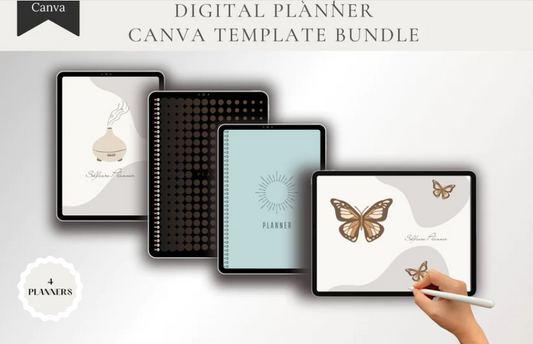
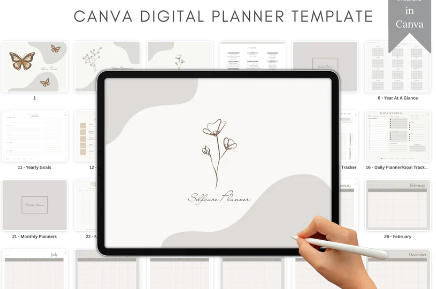
For moms exploring digital options, you can also explore this helpful breakdown of digital planners you can sell or use for productivity, along with broader insights into digital products and online systems for organization and PLR digital tools for planners and templates.
2. What Moms Actually Need From a Planner
A planner for moms in 2026 is no longer just about dates and appointments. It’s about managing multiple identities in one system—professional, parent, partner, and individual.
Whether you're in the USA dealing with fast-paced work culture or in Australia balancing school terms and family routines, the core needs remain the same.
2.1 Managing Multiple Roles in One System
A truly effective mom planner must help organize all key life roles without creating confusion or overload.
✔ Professional Responsibilities
Work deadlines, meetings, projects, and remote work tasks need structured visibility so nothing overlaps with family life.
✔ Parenting and Kids’ Schedules
School runs, extracurricular activities, doctor appointments, and playdates must all be tracked clearly in one unified system.
✔ Household Management
Cleaning schedules, grocery shopping, bill payments, and meal prep all fall under the invisible labor moms carry daily.
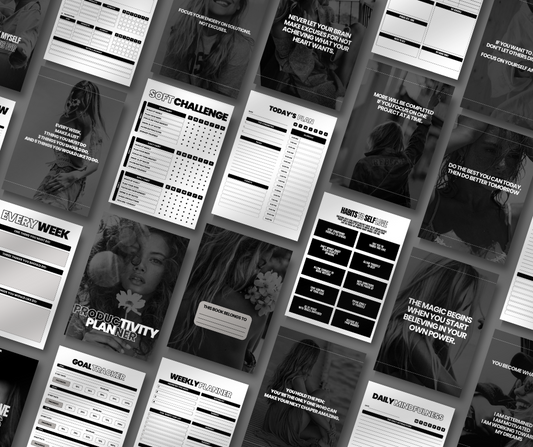
For deeper inspiration on structured organization systems, many moms use dedicated tools like this all-in-one productivity planner system designed specifically to manage time, focus, and routines.
✔ Personal Goals and Self-Care
Exercise, rest, hobbies, and mental wellness often get ignored—but a good planner ensures they are scheduled, not forgotten.
Many modern planners also integrate mindset and goal-setting tools, such as the Money Mindset Collection, which helps moms align productivity with personal growth and financial clarity.
2.2 Must-Have Planner Features for Moms
A high-quality planner designed for busy moms should reduce stress—not add to it. Whether you're using paper or digital formats, these features are essential for effective work-life balance planning.
📅 Unified Calendar for All Activities
A single calendar view that combines:
-
Work meetings
-
School events
-
Family appointments
-
Personal commitments
This prevents double-booking and helps visualize the entire week at a glance.
📝 Separate To-Do Lists (Work, Home, Kids)
Instead of one overwhelming checklist, moms need structured separation:
-
Work tasks (deadlines, emails, projects)
-
Home tasks (cleaning, errands, bills)
-
Kids’ needs (school, activities, health)
This reduces cognitive overload and makes prioritization easier.
🍽 Meal Planning + Grocery Tracking
Meal planning is one of the biggest stress reducers for moms.
A strong planner includes:
-
Weekly meal plans
-
Grocery lists
-
Prep schedules
Many moms also use dedicated systems like this meal planner tool to simplify weekly food planning and reduce daily decision fatigue.
🔁 Habit and Routine Trackers
Consistency is key in managing both home and personal productivity.
Useful trackers include:
-
Morning routines
-
Evening wind-down routines
-
Cleaning habits
-
Fitness goals
These small systems build long-term structure and stability in a busy household.
📆 Weekly Planning Space (“Sunday Reset”)
A weekly reset routine helps moms regain control before the new week begins.
This includes:
-
Reviewing upcoming appointments
-
Planning meals and groceries
-
Organizing tasks by priority
-
Setting realistic expectations
Many structured planners, such as this productivity planner system, are specifically designed to support weekly reset routines and time-blocking strategies.
You can also explore the broader planner collection here, which includes layouts designed for moms managing multiple responsibilities.
🔄 Flexibility for Digital + Paper Systems
Modern moms rarely rely on just one system.
The most effective approach combines:
-
Digital calendars (for reminders and syncing with family/partners)
-
Paper planners (for reflection, clarity, and daily focus)
This hybrid system is especially popular among working moms in both the USA and Australia because it supports real-life flexibility.
For moms exploring structured planning systems, curated guides like this planners resource hub offer additional insights into choosing the right format.
3. Why Planners Matter for Work–Life Balance
For moms in both the USA and Australia, achieving work–life balance isn’t about doing more—it’s about managing everything more intentionally. A well-designed planner acts as a central system that reduces overwhelm, improves clarity, and creates structure in everyday life.
3.1 Reducing Mental Load and Invisible Labor
One of the biggest challenges moms face is the mental load—remembering everything from school events to grocery lists to work deadlines.
A planner helps by:
-
Externalizing responsibilities
Instead of holding everything in your head, tasks, appointments, and reminders are written down in one place. -
Eliminating reliance on memory
This reduces stress, decision fatigue, and the constant fear of forgetting something important.
Using structured systems like done-for-you digital products can further simplify planning by giving you ready-made templates and systems to plug into your routine.
For moms exploring modern systems, understanding what a digital product is and how it works can open up more flexible planning options.
3.2 Improving Daily Efficiency
A planner doesn’t just organize your life—it helps you use your time better.
-
Centralizing schedules and tasks
Everything—from work meetings to kids’ activities—is visible in one place. -
Making trade-offs visible
When your schedule is clearly mapped, it becomes easier to decide what to prioritize and what to delay.
Many moms also combine planning with goal-setting tools like the Goal Getter Planner to stay focused on both daily tasks and long-term goals.
For those building routines around personal growth, tools like 30 Days to a Better You ebook can complement planning systems by adding structure to habits and mindset.
3.3 Supporting Better Family Coordination
Planning becomes even more powerful when it’s shared.
-
Sharing schedules with partners
Digital calendars and synced systems allow both parents to stay aligned. -
Delegating responsibilities
When tasks are visible, it’s easier to divide chores, errands, and responsibilities fairly.
Family coordination improves significantly when systems are clear and accessible. Many moms also explore broader planning ecosystems like Plan & Prosper collection for integrated tools that cover multiple life areas.
3.4 Preventing Burnout Through Realistic Planning
Burnout often comes from trying to do everything perfectly. A planner helps shift the focus to realistic, sustainable routines.
-
Letting go of perfection
Not everything needs to be done at once—or perfectly. -
Planning for rest and flexibility
Scheduling downtime, self-care, and buffer time is just as important as scheduling tasks.
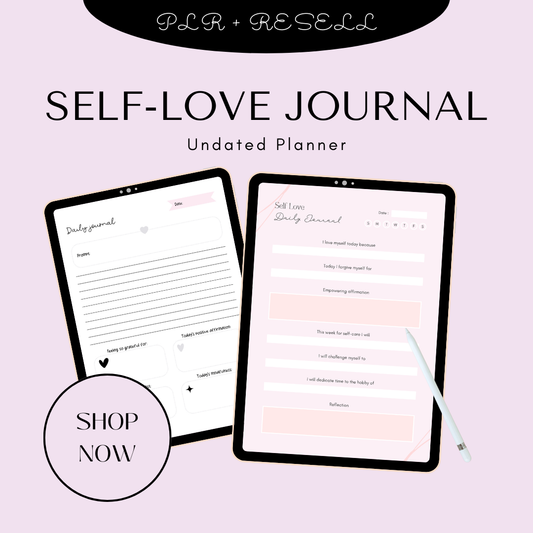
Wellness-focused tools like the Stress Less Glow More confidence mindset ebook for women and reflective tools such as the Self Love Journal (or this guide on how to use a self love journal effectively) can help moms integrate emotional well-being into their planning routine.
4. Types of Planners That Work Best for Moms
Not all planners are created equal. The best system depends on your lifestyle, preferences, and how you manage daily responsibilities.
4.1 Classic Paper Planners
Paper planners remain a favorite for many moms because they provide a clear, distraction-free planning experience.
Features and Benefits
-
Tangible and easy to use
-
No screen fatigue
-
Encourages focus and mindfulness
-
Ideal for brainstorming and weekly overviews
Best For:
-
Visual thinkers
-
Moms who enjoy writing things down
-
Routine-focused planners
Paper planners are especially helpful for creating structured routines around meals, fitness, and daily habits. For example, tools like the Meal Planner or Yoga Planner can be integrated into a broader paper planning system.
4.2 Hybrid Systems (Digital + Paper)
Modern moms in the US and Australia increasingly use a hybrid planning system, combining digital tools with paper planners.
Digital vs Paper Roles
-
Digital: appointments, reminders, shared calendars
-
Paper: task planning, goal setting, reflection
Benefits of Combining Both
-
Flexibility and convenience
-
Better coordination with family members
-
More control over daily focus and priorities
For those exploring digital planning, tools like best digital planners for iPad and GoodNotes users offer modern solutions that sync across devices.
You can also explore a wide range of ideas in this 100 digital products you can sell or use in 2026 to see how digital planning tools fit into everyday productivity.
4.3 Specialized Mom or Family Planners
These planners are designed specifically for family life management, making them highly effective for moms juggling multiple roles.
Key Features
-
Family-focused layouts (separate sections for each member)
-
Kid-specific trackers (school, activities, health)
-
Built-in home management tools (chores, meals, budgets)
Why They Work
They mirror how moms actually think—by person, task, and responsibility, rather than just dates.
For moms balancing business, home, and personal growth, tools like the Your Start-Up Business Planner Workbook or Social Media Planner can be integrated into a larger family planning system.
Additionally, understanding high-demand planning niches through guides like high demand niches for PLR digital products can help moms choose or even create planners tailored to their lifestyle.

5. Popular Planner Layout Styles (And Who They’re For)
Choosing the right planner layout is just as important as choosing the planner itself. The structure you use determines how easily you can manage your home, kids, work schedule, and personal life without feeling overwhelmed.
Different moms need different layouts depending on how their day is structured—whether it’s school runs in Sydney, remote work in California, or hybrid routines anywhere in between.
5.1 Horizontal Layouts
Horizontal layouts look like traditional lined pages across each week, giving you open space to plan freely.
Best for:
-
Journaling-style planning
-
Flexible, non-restrictive scheduling
-
Moms who prefer writing notes instead of strict time blocks
Why it works:
This layout is ideal for moms who need mental breathing room rather than rigid structure. It allows you to blend work tasks, home responsibilities, and personal reminders in a natural flow.
Many moms who explore creative or digital systems also enjoy learning how layouts translate into income opportunities through guides like digital downloads that sell online and Canva digital products like planners and templates.
5.2 Vertical / Column Layouts
Vertical layouts divide each day into structured columns, often separated by time blocks or life categories.
Ideal for:
-
Time-blocking work and family responsibilities
-
Structured daily routines
-
Moms managing multiple schedules
Why it works:
This format helps moms clearly separate:
-
Work hours
-
Kids’ activities
-
Household tasks
-
Personal time
It’s one of the most popular formats for working moms in the USA and Australia because it visually organizes a busy day into manageable sections.
For moms looking to build productivity habits or even side income streams using structured planning, resources like financial freedom through side hustles can complement a structured planning lifestyle.
5.3 Hourly Layouts
Hourly planners break the day down into time slots, usually from morning to evening.
Best for:
-
Appointment-heavy schedules
-
Moms with strict routines
-
Work-from-home professionals with meetings
Why it works:
This layout gives extreme clarity over how time is spent, helping moms avoid overbooking and burnout.
It’s especially useful when balancing:
-
School drop-offs
-
Work meetings
-
Kids’ extracurricular activities
-
Household responsibilities
Hourly planning pairs well with structured wellness systems like the Health & Fitness Planner or mindset tools such as the Wealth Mindset Journal for holistic life balance.
5.4 Dashboard / Hybrid Layouts
Dashboard planners combine multiple planning systems into one view—typically including tasks, schedule, meals, and priorities.
Key Benefits:
-
Everything visible at once
-
Easy prioritization
-
Reduces mental clutter
-
Combines multiple life areas
Especially useful for:
-
Moms managing work + home + kids simultaneously
-
Women balancing personal development and family life
-
Busy professionals who need clarity fast
This layout is widely recommended in modern planner systems and often featured in curated collections like planner resources and systems.
For moms exploring deeper transformation routines, tools like the Quantum Manifestation Planner or structured reset systems like the Self Care SOS Kit can complement dashboard-style planning perfectly.
6. Example: Well-Known Planners Moms Love
The right planner brand can completely transform how a mom manages her day. Below are some of the most popular planner systems used across the USA and Australia for work-life balance, productivity, and family organization.
6.1 Erin Condren LifePlanner
The Erin Condren LifePlanner is one of the most recognized premium planner systems for moms worldwide.
Key Features
-
Fully customizable layouts (vertical, horizontal, hourly)
-
High-quality, durable design
-
Add-ons like stickers, meal planning dashboards, and habit trackers
-
Strong visual organization for weekly planning
Why Moms Prefer It
-
Helps organize complex family schedules in one place
-
Highly visual and motivating layout
-
Flexible enough for both work and home planning
-
Supports long-term planning and goal setting
This type of structured system is especially useful for moms who are also building personal growth routines or exploring productivity-based income streams through tools like 25 digital planners you can sell on Etsy.
6.2 Happy Planner
The Happy Planner is known for its disc-bound system and high customization flexibility.
Customization & Flexibility
-
Add/remove pages easily
-
Wide variety of layouts and extensions
-
Sticker-based personalization system
-
Strong focus on creativity and adaptability
Budget-Friendly Advantages
-
More affordable than premium planner brands
-
Easy to expand over time without replacing the entire system
-
Ideal for moms who like evolving systems rather than rigid structure
Many moms combine flexible planners like this with structured productivity systems such as the New Year New Me Collection to reset goals and routines seasonally.
6.3 Mom-Specific / Family Planners
Family-focused planners are designed specifically around real-life household management.
Designed for Real-Life Family Logistics
-
Separate sections for each family member
-
School and activity tracking
-
Appointment coordination tools
Built-In Home Management Tools
-
Chore charts
-
Meal planning pages
-
Budgeting and household tracking
These planners reflect how moms actually think—by child, task, and responsibility, not just dates.
They work especially well when combined with structured wellness and self-care systems like:
These tools ensure moms don’t just manage life—they also maintain emotional balance.
6.4 Minimalist Planners
Minimalist planners are designed for simplicity and clarity, with fewer prompts and more open space.
Simple Layouts
-
Clean, distraction-free pages
-
Focus on essentials only
-
No overwhelming trackers or decorations
Best For Moms Avoiding Overwhelm
-
Moms who already use digital tools
-
Those who prefer simplicity over complexity
-
Users who want a calm, focused planning experience
Minimalist systems are often recommended for moms dealing with mental overload, especially when paired with reset tools like the Self-Care Journal or emotional clarity systems such as the Self Care SOS Kit.
For moms interested in deeper mindset alignment and goal manifestation, systems like the Quantum Manifestation Planner can complement minimalist planning beautifully.
7. How to Choose the Right Planner as a Mom (USA & Australia Guide)
Choosing the right planner is less about trends and more about fit for your real lifestyle. Whether you’re managing school routines in Australia or balancing work deadlines in the USA, your planner should reduce mental load—not add to it.
For deeper research on how moms simplify organization systems, you can also explore insights from Mom Life Organizer’s guide on getting organized with planners and practical breakdowns of real-world systems.
7.1 Key Questions to Ask Before Choosing a Planner
Before selecting any planner system, ask:
📌 Paper vs Digital vs Hybrid
-
Do you prefer handwriting tasks or using apps?
-
Do you need both systems working together?
Many moms combine both systems after learning from structured planning guides like balancing work and family free resources for working mothers.
📅 Appointment-Heavy vs Task-Heavy Days
-
Hourly or vertical planners for structured schedules
-
Weekly or dashboard planners for flexible routines
👨👩👧 Number of People to Manage
-
Single-user planning vs full family coordination
-
Kids, partner, school schedules, and home logistics
🧠 Guided Prompts vs Blank Space
-
Guided planners for structure and habits
-
Blank planners for flexibility and creativity
For inspiration on structured planner styles, you can explore best planners for moms by Artful Homemaking.
📏 Size & Portability
-
Desk planners for home organization
-
Compact planners for on-the-go moms
-
Digital planners for syncing across devices
For brand-level examples of layouts and formats, Erin Condren’s planner guide for moms offers useful layout inspiration.
7.2 Quick Planner Quiz (Interactive Selection Guide)
✔ If you answered mostly A:
→ Choose a vertical or hourly planner for structured scheduling.
✔ If you answered mostly B:
→ Choose a horizontal journal-style planner for flexibility.
✔ If you answered mostly C:
→ Choose a dashboard or hybrid planner system for multiple roles.
✔ If you answered mostly D:
→ Choose a minimalist planner with digital support tools.
8. Practical Planning Strategies for Moms
Planning systems only work when paired with consistent habits. These strategies are widely recommended across USA and Australia parenting and productivity communities.
8.1 Weekly Planning Routine (“Sunday Reset”)
A weekly reset is one of the most effective habits for busy moms.
Step-by-step:
-
Review the upcoming week
-
Add fixed events first (school, work, appointments)
-
Brain dump tasks
-
Assign tasks by day
-
Plan meals and groceries
Guides like how moms get organized using planners show how this routine reduces daily overwhelm and decision fatigue.
8.2 Time-Blocking for Work and Family
Time-blocking helps moms structure chaotic schedules into manageable focus periods.
How it works:
-
Assign blocks for work, home, kids, and rest
-
Avoid multitasking overload
-
Protect family time as non-negotiable
Example:
-
Morning: school + routine
-
Midday: work focus
-
Afternoon: errands & kids
-
Evening: family + reset
8.3 Using Digital Tools Alongside Paper
Modern moms often rely on a hybrid system:
Digital tools:
-
Shared calendars (family sync)
-
Task apps and reminders
-
Grocery and chore lists
Paper planners:
-
Focus sessions
-
Weekly planning
-
Reflection and goal setting
For more research-backed insights, see free resources for working mothers balancing work and family.
9. Extra Resources Moms Can Use Alongside Planners
A planner becomes significantly more powerful when paired with the right support ecosystem.
9.1 Learning & Support Resources
-
Libraries (books, workshops, parenting resources)
-
Productivity and parenting blogs
-
Free community learning programs
9.2 Community Support
-
Online mom groups
-
Social media parenting communities
-
Productivity-focused forums
9.3 Organizations Supporting Working Moms
-
Advocacy groups
-
Coaching and mentorship programs
-
Career development communities
9.4 Flexible Work & Career Resources
-
Remote job platforms
-
Freelance marketplaces
-
Skills development platforms
These external systems help reduce pressure on moms and improve balance between work and home life.
💬 Framing Line:
“Your planner is your tool—these resources are your support system.”
10. Conclusion
Choosing the right planner is about creating clarity in a life full of responsibilities, not achieving perfection.
Whether you're inspired by expert guides like Erin Condren’s planner recommendations for moms or practical organization systems from Artful Homemaking’s planner breakdown, the goal remains the same: make life easier, not busier.
Key takeaways:
-
The best planner fits your lifestyle, not trends
-
Simplicity + consistency beats complexity
-
Time-blocking reduces stress and overload
-
Hybrid systems often work best for modern moms
Final Thought:
The best planner is the one that simplifies your life—not complicates it.
11. Expert Guides & Planner Resources for Moms
Recommended resources for deeper learning:
-
https://www.herallies.org/blog/balancing-work-and-family-free-resources-for-working-mothers
-
https://www.erincondren.com/inspiration-center-best-planners-for-moms
Frequently Asked Questions (FAQ)
1. What is the best type of planner for busy moms?
The best planner depends on your lifestyle. Busy moms with strict schedules often prefer vertical or hourly planners, while moms with more flexible routines do better with horizontal or dashboard-style planners. Many modern moms in the USA and Australia also use a hybrid system (digital + paper) to manage both family coordination and personal planning in one place.
2. Do moms need a paper planner or a digital planner?
There is no one-size-fits-all answer. Paper planners are great for focus, reflection, and reducing screen time, while digital planners help with reminders, syncing schedules, and sharing calendars with partners or schools. Most working moms find that a combination of both systems works best for managing home, kids, and work efficiently.
3. How does a planner help reduce mental load for moms?
A planner helps reduce mental load by removing the need to remember everything at once. Instead of keeping school events, work tasks, meals, and household responsibilities in your mind, everything is written down in one organized system. This lowers stress, improves clarity, and makes daily decision-making much easier.
4. What should I look for in a planner as a mom?
Look for planners that include:
-
A unified calendar for all activities
-
Separate sections for work, home, and kids
-
Meal planning and grocery lists
-
Habit and routine trackers
-
Weekly planning or “reset” pages
The best planners are the ones that match your lifestyle, whether you need structure, flexibility, or a mix of both.
5. How do I stay consistent with using my planner?
Consistency comes from keeping planning simple. Set a weekly routine (like a Sunday reset) where you update your planner, review the week ahead, and organize tasks. Keep your planner in a visible place and use it daily for small updates instead of long planning sessions. The goal is progress, not perfection.
🎬 Want a visual walkthrough?
If you’d rather watch than read, here’s the full explainer video covering everything in this guide: