



Introduction
A single design file, a few kilobytes in size, can quietly generate income while you sleep. That's the appeal driving so many new sellers toward digital clipart and downloadable design assets right now — whether they're based in the United States, the United Kingdom, or Australia, the appeal is the same: no factory, no freight, no fulfilment headaches. You create a file once, and it can be purchased hundreds or thousands of times over.
🎥 Prefer watching instead of reading?
Watch the full step-by-step explainer video below.
The thesis is simple: low overhead, high demand, and infinite scalability make clipart one of the most accessible digital products a creator can launch. There's no inventory sitting in a garage, no courier costs eating into margin, and no upper limit on how many people can buy the same design.
In this guide, we'll break down why the clipart and digital download model works so well, which categories of clipart consistently sell across global marketplaces, and how you can start building — or shopping for — a collection of your own. If you'd rather skip the DIY route entirely, ready-made shops like DigitalClipArtNest on Etsy show what a mature, well-organised clipart storefront can look like in practice.
Why "Small Files, Big Profits" Actually Works
Low Overhead, High Margins
Unlike physical products, digital downloads such as clipart, SVG cut files, planners, and templates require no manufacturing, no packaging, and no shipping — regardless of whether your customer is checking out in US dollars, British pounds, or Australian dollars. Once a file exists, nearly every additional sale is close to pure profit after platform and payment fees.
-
No restocking — design once, sell indefinitely
-
No shipping delays or customs issues — buyers get instant delivery via download link or email, no matter their country
-
Infinitely scalable — one file can be purchased by a customer in New York, Manchester, or Melbourne on the very same day
This is exactly the model behind sites like ResellReady's digital products collection, where entire catalogues of downloadable assets are sold repeatedly with no physical stock to manage.
High Demand for Ready-Made Assets
Search demand for clipart and digital downloads is strong across all major English-speaking markets, and for good reason: creators, small business owners, educators, and hobbyists constantly need design elements they can drop into a project immediately rather than creating from scratch.
Typical buyers include:
-
Small business owners designing social media graphics and packaging
-
Print-on-demand sellers building mugs, t-shirts, and stickers
-
Teachers producing classroom worksheets and decor
-
Event planners and brides-to-be sourcing invitations and party decor
-
Entrepreneurs assembling branding kits for a new shop
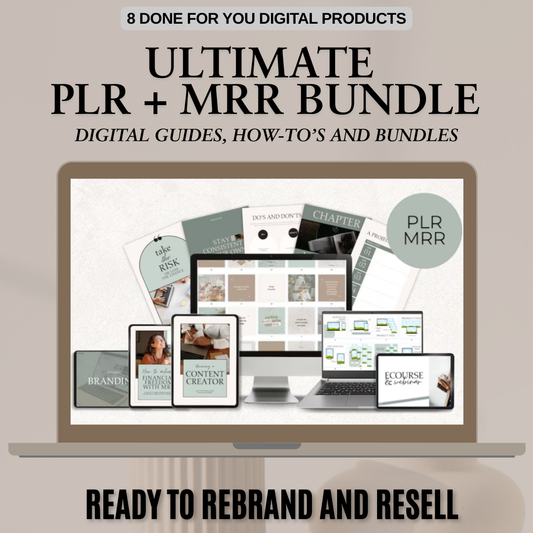
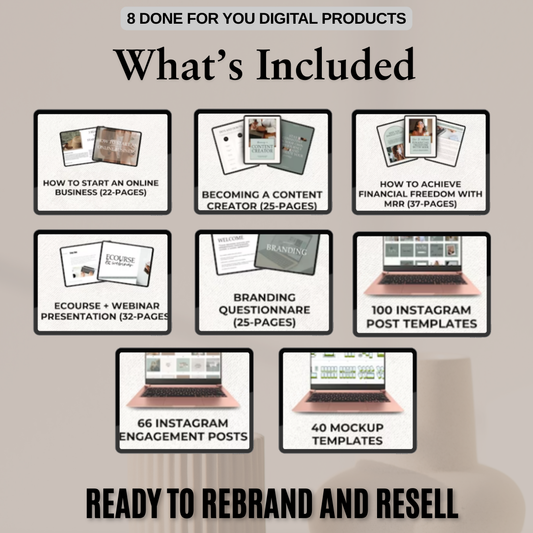
If you'd rather buy a professionally built, ready-to-sell collection instead of designing from scratch, the ResellReady done-for-you digital products range is worth a look — it's built specifically for sellers who want to skip the design phase entirely.
Evergreen + Trend-Based Opportunities
A well-balanced clipart shop combines two types of demand. Some designs — floral elements, planners, minimalist icon sets — sell steadily all year, in every market. Others spike seasonally: Halloween clipart surges in the US and UK every October, Christmas SVGs peak from November through December across all three regions, and back-to-school printables see reliable demand in both the Northern Hemisphere's August rush and Australia's late-January school return.
A shop that mixes evergreen bestsellers with seasonal drops tends to earn more consistently than one relying on trends alone. For sellers who want fresh, on-trend inventory without designing every batch themselves, ResellReady's New Monthly Drops deliver a rotating supply of seasonal and evergreen assets ready to relist.
What Types of Clipart & Digital Downloads Sell Best
Top-Selling Categories
Marketplace data consistently points to a handful of categories that perform well across US, UK, and Australian audiences alike:
|
Category |
Examples |
Why It Sells |
|
Seasonal & Holiday |
Christmas SVGs, Halloween clipart, Valentine's Day printables |
High search volume and recurring, predictable demand |
|
Planners & Organisers |
Budget trackers, meal planners, habit journals |
Practical, evergreen utility that appeals year-round |
|
Business & Marketing |
Social media templates, logo kits, resume/CV templates |
Saves time-poor entrepreneurs and job seekers real effort |
|
Kids & Education |
Colouring pages, classroom decor, learning worksheets |
Teachers and parents are repeat buyers |
|
Wedding & Events |
Invitations, place cards, party decor |
High perceived value with strong customisation potential |
|
Niche Aesthetics |
Cottagecore, dark academia, boho clipart |
Targets passionate subcultures willing to pay for specificity |
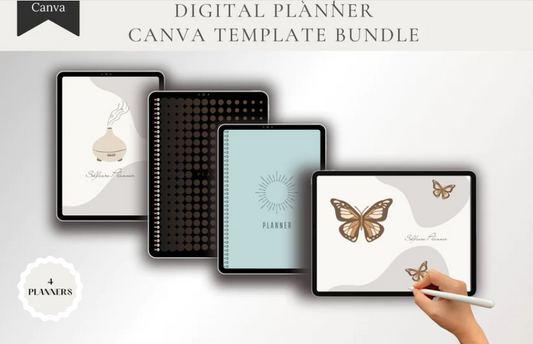
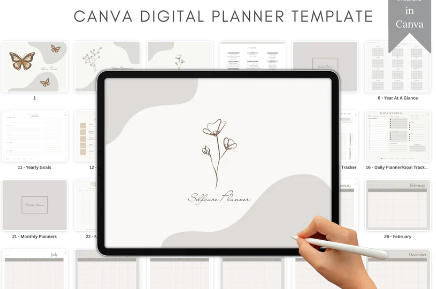
For a curated example of how planners perform as a standalone digital product, The Planner Collection from ResellReady is a solid case study in bundling a single evergreen category into a complete, sellable product line.
Clipart-Specific Tips
A few practical patterns separate top-performing clipart listings from the rest, regardless of which country your buyers are shopping from:
-
Bundle SVG and PNG formats together. SVG files suit cutting machines like Cricut and Silhouette (popular with crafters in all three markets), while PNGs suit anyone designing digitally — offering both formats widens your buyer pool instantly.
-
Include a clear commercial-use licence. Buyers building small businesses — whether they're selling on Etsy in the US, Not On The High Street in the UK, or a local market stall in Australia — need to know they're allowed to use your clipart on products they intend to sell.
-
Sell themed packs, not single elements. A "50-Piece Floral Bundle" consistently outperforms individual images because it offers stronger perceived value for a similar amount of buyer effort.
If you're weighing up licensing models such as PLR (private label rights) as part of your clipart strategy, ResellReady's guide to the best PLR products to resell walks through how to choose and resell licensed digital assets responsibly. And for a broader step-by-step primer on getting a digital download shop off the ground in any market, ResellReady's complete guide to selling digital products online covers the full setup process from niche selection through to your first sale.
How to Create Clipart & Digital Downloads (Even Without Design Skills)
Step 1 — Choose Your Niche
Before opening any design software, spend time researching demand. This step matters just as much for sellers targeting Google shoppers in the US as it does for those chasing search traffic in the UK or Australia, since keyword volume and seasonality can shift meaningfully between regions.
Practical ways to validate a niche:
-
Etsy's autocomplete search bar — type "clipart" and note what suggestions Etsy surfaces; these reflect real, current buyer searches across all English-speaking storefronts
-
Google Trends — compare interest over time between related terms (e.g., "wedding clipart" vs. "teacher clipart") and filter by country to see how US, UK, and Australian search behaviour differs
-
eRank or CraftCount — analyse Etsy bestseller data to see which clipart categories and price points are already converting
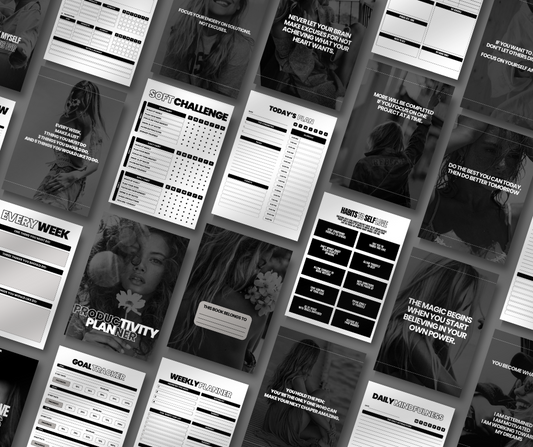
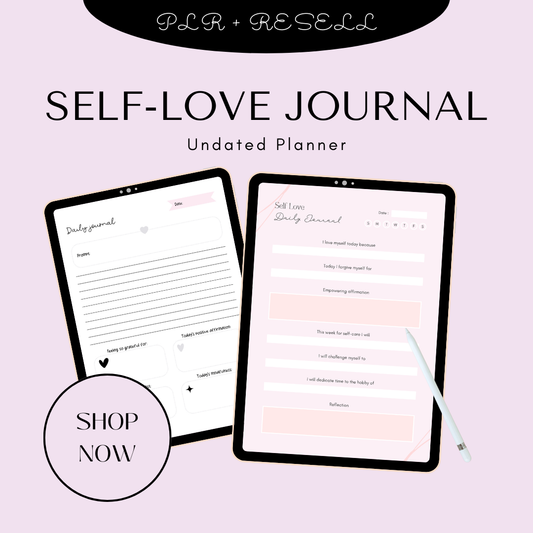
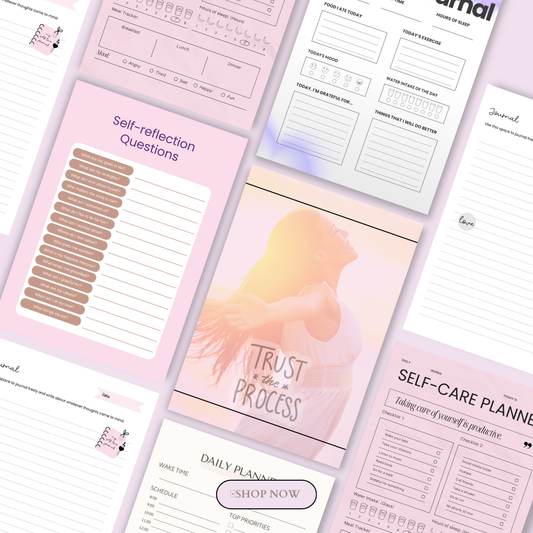
Clipart isn't the only digital niche worth researching this way. Adjacent categories like planners and journals follow the same demand-validation process — ResellReady's roundup of planner niches and their piece on self-love journals as a digital product are useful examples of how a broader content and product niche gets chosen and validated before a single file is designed.
Step 2 — Create the Files
You don't need a design degree, or even prior experience with Adobe Illustrator, to produce professional-looking clipart. A number of beginner-friendly tools make this accessible to first-time sellers in any market:
-
Canva — drag-and-drop design with a Pro plan that permits commercial use; export directly as PNG, SVG, or PDF
-
Creative Fabrica — commercially licensed templates and elements you can customise inside Canva
-
Inkscape — a free, open-source vector editor ideal for building clean SVG files
-
Kittl or Vexels — AI-assisted design platforms that speed up creating ready-to-sell elements
AI-assisted workflows in particular have become a fast way to generate base artwork before manual cleanup. If you want to explore AI image generation as part of your creation process, ResellReady's AI Image Collection offers a look at how stock and prompt-generated imagery can feed into a digital product pipeline, while resources like the PLR faceless illustration prompt guide and the Motion Made Easy Midjourney motion prompts guide show how AI prompt packs can speed up the creation of consistent, on-brand visual assets.
Whichever tool you choose, aim to offer buyers a mix of file formats:
-
PNG with a transparent background, exported at 300 DPI for print use
-
SVG for cutting machines such as Cricut and Silhouette
-
PDF for printable products like planners
-
ZIP bundles to group multiple files into a single, easy download
Step 3 — Add Commercial Licensing
One of the most commonly overlooked steps is spelling out exactly what buyers are allowed to do with your files. This matters more, not less, when you're selling across US, UK, and Australian storefronts simultaneously, since expectations around commercial use can vary by market.
Your listing description should clearly state:
-
Whether the clipart is for personal use only or commercial use
-
Whether buyers can use the designs on physical products they sell (e.g., mugs, t-shirts)
-
Whether they're permitted to resell or redistribute the digital file itself (usually not)
A simple, buyer-friendly example:
"This clipart is for personal and small commercial use. You may use it on physical products for sale (e.g., t-shirts, mugs), but you may not resell or redistribute the digital file itself."
If you're building or reselling PLR-licensed digital products more broadly, ResellReady's guide to PLR digital products breaks down licensing terms in plain language, which is especially useful if clipart is just one part of a wider digital product catalogue.
Where to Sell: Platform Comparison
Platform Breakdown
|
Platform |
Best For |
Typical Fees |
Pros |
Cons |
|
Etsy |
Beginners, clipart, printables |
~$0.20 listing fee + 6.5% transaction fee |
Built-in search traffic, buyer trust, easy setup |
Competitive marketplace, fees accumulate at scale |
|
Gumroad |
Direct sales, bundles |
~10% + payment processing |
Simple setup, no listing limits |
No built-in audience — you drive all traffic |
|
Shopify + Digital Downloads app |
Branded, standalone stores |
Monthly plan + app fees |
Full control over branding and checkout |
Requires you to generate your own traffic |
|
Creative Market |
Design assets, fonts, templates |
Up to 70% commission |
High-quality, design-savvy buyer base |
Higher fees, some pricing restrictions |
|
Your Own Website (Wix, WordPress + EDD) |
Long-term brand building |
Hosting + plugin costs |
Keep the majority of profit, full control |
Requires ongoing marketing effort |
These fee structures and traffic dynamics apply broadly whether you're selling in USD, GBP, or AUD — the core trade-off between built-in marketplace traffic and independent-store control stays consistent across all three regions.
Recommendation for Beginners
For most new sellers — regardless of whether you're based in the US, UK, or Australia — Etsy remains the most practical starting point, simply because it comes with existing buyer search traffic that a brand-new website doesn't have. Once you've validated a niche and built a track record of sales, expanding to Gumroad or your own branded website lets you keep a larger share of each sale.

Pricing Strategies That Maximize Profit
Tiered Pricing
Clipart pricing tends to follow a predictable structure across international marketplaces, adjusted naturally for local currency:
-
Single element — roughly $2–$5 (or the equivalent in GBP/AUD)
-
Small pack (10–20 items) — roughly $7–$12
-
Mega bundle (50+ items) — roughly $15–$25
Bundling for Higher AOV
Grouping related items increases average order value without requiring you to find new buyers. A "Spring Floral Clipart" set paired with matching frames and backgrounds, for example, gives buyers more reason to check out at a higher price point in a single transaction. Curated bundle collections such as ResellReady's Plan & Prosper collection illustrate this approach well, combining complementary planning and productivity assets into a single higher-value purchase.
Upsells & Cross-Sells
Once a buyer has purchased one product, they're often receptive to a related offer at checkout or via follow-up email:
-
Offer a matching planner or template after someone buys a clipart set
-
Suggest an upgraded commercial licence for buyers building a product-based business
-
Cross-sell complementary digital tools — for creators building a personal brand around their designs, resources like the Anti-Algorithm Growth Guide or the Glossed in Power AI prompt pack for faceless branding pair naturally with a clipart or design-asset storefront
For sellers looking to diversify beyond static clipart, cinematic and motion-based AI prompt packs — such as the Director's Cut cinematic AI animation prompt pack — and curated stock image sets like Pastel Paris vintage luxury café stock images can round out a broader digital product catalogue alongside your clipart listings.
Psychological Pricing
Small pricing adjustments can noticeably affect conversion rates across every market:
-
Price at $4.99 instead of $5 to make a listing feel meaningfully cheaper
-
Show "Was $15, now $9" on bundles to highlight perceived savings
-
Frame bundle pricing against the sum of individual items to make the discount obvious at a glance
Pricing digital products well is also closely tied to positioning them as a genuine income opportunity rather than just a one-off purchase. If you're framing your shop around the broader appeal of passive income, ResellReady's piece on financial freedom through side hustles and their wider list of digital products worth selling are useful reference points — and if planners are part of your catalogue, their guide to the best digital planners for iPad and GoodNotes users shows how a well-targeted niche guide can support pricing decisions for a specific buyer segment.
Marketing Your Digital Downloads
Organic Strategies
Organic traffic is where most clipart sellers build their first sales, and the same core channels work whether your buyers are searching from Los Angeles, London, or Sydney.
-
Pinterest — create pins showing your clipart in real-world use (mocked up on a t-shirt, invitation, or worksheet). Pinterest functions as a visual search engine in all three markets, and it's especially strong for driving Etsy traffic.
-
Instagram and TikTok — short videos showing your design process, or quick "how to use this SVG" tutorials, build trust and showcase your style before a buyer ever lands on your listing.
-
SEO — use specific, intent-driven keywords in your titles and descriptions, such as "commercial use floral SVG" rather than just "flower clipart." Long-tail phrases like this tend to rank more easily and attract buyers who are ready to purchase.
For a broader look at how organic content strategy supports a digital download shop, ResellReady's guide to digital downloads is a useful companion read, and their piece on Canva digital products that sell like crazy shows how organic content and product design work together to drive traffic without paid ads.
Paid Strategies
Once you've validated a niche organically, paid traffic can accelerate growth:
-
Etsy Ads — start small, around $1–$2 per day, on your bestselling listings to see which designs respond best to paid visibility
-
Facebook and Instagram Ads — target small business owners, teachers, or crafters specifically; these audiences convert well for clipart and digital templates across US, UK, and Australian ad accounts alike
Email List Building
An email list is one of the few marketing assets a seller fully owns, independent of any single marketplace's algorithm. The most common tactic is a freebie-for-email exchange: offer a small, free clipart pack or template in return for a buyer's email address, then use that list to promote new launches and seasonal drops directly.
This approach works particularly well when paired with a complementary lead magnet, such as a free instalment from a larger product like 77 Positive Affirmations Instagram Story Templates or a sample from a social media planner — giving new subscribers a genuinely useful taste of your paid catalogue.
Real Creator Success Stories
Real numbers help illustrate just how achievable this model is:
-
One Etsy printables seller reported earning hundreds of dollars per month without constantly adding new listings — proof that a well-optimised, evergreen catalogue can keep generating sales with minimal ongoing effort.
-
Another creator earned over $100,000 in a single year selling digital downloads, including clipart, across Etsy and Gumroad, by focusing consistently on buyer benefits and clear value propositions rather than simply listing more products.
-
A designer's 20-page ebook on sales funnels, priced at $27, generated nearly $20,000 in under two months — a strong example of how a focused, high-value digital product can outperform a much larger catalogue of low-priced items.
Shops like DigitalClipArtNest on Etsy demonstrate what a mature, well-organised clipart storefront looks like once these lessons have been applied consistently over time.
Tools & Resources to Get Started
Creation Tools
-
Canva — drag-and-drop design with commercial-use licensing on paid plans
-
Inkscape — free, open-source vector editor for SVG files
-
Creative Fabrica — commercially licensed templates you can customise
-
Kittl or Vexels — AI-assisted design tools for POD and clipart creation
If you're incorporating AI-generated art or prompt-based workflows into your creation process, ResellReady's AI Prompt Packs collection and their Midjourney Prompts pack are worth exploring as a way to speed up your design pipeline while keeping visual consistency across a collection.
Market Research Tools
-
eRank — Etsy keyword and trend research
-
Google Trends — compare search interest by keyword and country, useful for spotting differences between US, UK, and Australian demand
-
CraftCount — track Etsy bestsellers by category
For a wide-angle view of which digital product niches are currently in demand, ResellReady's guide to high-demand PLR niches and their mega guide to 100 digital products you can sell online are strong starting points for market research beyond clipart alone.
Selling Platforms
-
Etsy — best for beginners, thanks to built-in search traffic
-
Gumroad — simple, direct sales with no listing limits
-
Shopify — for fully branded, standalone stores
-
Wix eCommerce — an all-in-one store builder alternative
Licensing & Legal Resources
-
Creative Commons — a good starting point for understanding different licence types
-
TermsFeed — a tool for generating licence agreements for your listings
For a curated, all-in-one resource hub covering creation, licensing, and selling tools together, ResellReady's tools and resources page is worth bookmarking as you build out your shop, and browsing the ResellReady homepage gives a broader sense of how a full digital product catalogue — clipart included — can be structured and cross-promoted.
Key Takeaways
-
Start small — one well-researched clipart pack can outperform fifty random, unfocused listings.
-
Focus on buyer outcomes — people buy solutions, not just files. A listing that promises to "save five hours on your next t-shirt design" sells better than one that simply says "flower clipart."
-
Bundle and upsell — increase average order value with themed packs and complementary products, such as a matching planner, ebook, or template set. Products like 30 Days to a Better You or Unf*ck Your Limits show how a single strong concept can be packaged into a standalone, higher-priced product.
-
Balance evergreen and seasonal — mix steady year-round sellers with trend-based launches to smooth out revenue across the calendar.
-
Automate delivery — use a platform that handles instant downloads automatically, so your time goes into creation and marketing rather than manual fulfilment.
-
Diversify thoughtfully — once your core clipart catalogue is established, complementary products like aesthetic stock imagery, such as Content Girl Images, can round out your shop for buyers who need more than just clipart.
Sources / Further Reading
-
Thinkific — How to Sell Digital Downloads
-
Thinkific — Best Marketplaces to Sell Digital Products
-
Marketing Artfully — Ultimate Guide to Selling Digital Downloads
-
LearnWorlds — Sell Digital Downloads: The Complete Guide for 2026
-
Wix — 18 Best Digital Products to Sell (and Where to Sell Them)
-
Savings Grove — How to Sell Digital Downloads Online
-
Teachable — How to Create Digital Downloads to Sell
Frequently Asked Questions
Do I need graphic design experience to sell clipart?
No. Many successful clipart sellers start with beginner-friendly tools like Canva or Inkscape rather than professional software like Adobe Illustrator. Consistency in style matters more than formal design training — a small, cohesive collection will outsell a larger, mismatched one.
What file formats should I include in a clipart bundle?
At minimum, offer PNG files with transparent backgrounds at 300 DPI for print use. Adding SVG files widens your buyer pool to include crafters using cutting machines like Cricut and Silhouette, and bundling everything into a labelled ZIP file makes downloads easier for customers to navigate.
Is Etsy the best place to start selling clipart?
For most new sellers, yes. Etsy provides built-in search traffic that a brand-new website or standalone store doesn't have, which makes it easier to get initial sales while you're still validating a niche. Many sellers later expand to Gumroad, Shopify, or their own website once they've built momentum and want to keep a larger share of each sale.
How much should I charge for a clipart collection?
Pricing typically follows a tiered structure: single elements often sell for $2–$5, small packs of 10–20 items for $7–$12, and larger bundles of 50 or more items for $15–$25. Exact pricing should reflect your niche, collection size, and how competitive your specific category is on the platform you're selling through.
Do I need a commercial-use licence for clipart to sell well?
It's strongly recommended. Buyers building small businesses — from Etsy sellers to print-on-demand shop owners — need to know whether they're permitted to use your designs on products they intend to sell. A clear, plain-language licence in your listing description reduces buyer questions and builds trust, which in turn supports better reviews and repeat purchases.
🎬 Want a visual walkthrough?
If you’d rather watch than read, here’s the full explainer video covering everything in this guide: