



Intro
Ever scrolled past a $17 Canva template pack or a $9 ebook and wondered how someone makes a living selling something you can't actually hold?
That's the world of digital products — and it's one of the fastest-growing ways for everyday creators in the US, Australia, and beyond to earn online without ever touching inventory or a shipping label. In simple terms, a digital product is anything you create once — a file, a template, or online access — and sell to customers who download or log in to use it.
🎥 Prefer watching instead of reading?
Watch the full step-by-step explainer video below.
If you want the short version before diving deeper, our quick breakdown of what counts as a digital product is a good place to start. In this guide, you'll learn exactly what digital products are, the most popular types selling right now, and how to start creating your own — even if you've never sold anything online before.
What Are Digital Products?
At their core, digital products are intangible items that exist only in digital form — files, media, software, or online access — with nothing physically shipped to the buyer.
They're created once, delivered automatically through the internet, and used on a phone, laptop, or tablet. This is true whether you're selling to a customer in New York or Sydney; the product itself never touches a postal system.
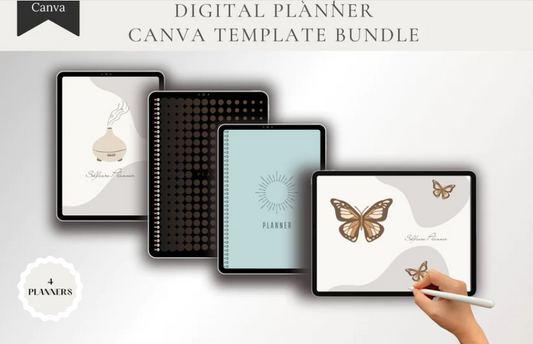
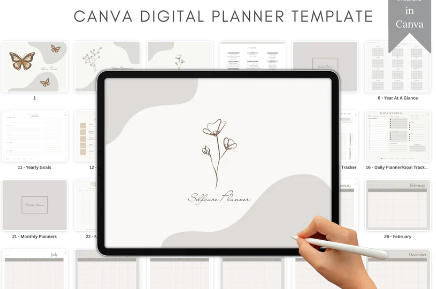
Common examples include ebooks, printable planners, Canva templates, online courses, and membership content — and if you want a deeper sense of just how wide this category is, our mega list of 100+ digital products you can sell in 2026 breaks down dozens of real, sellable formats.
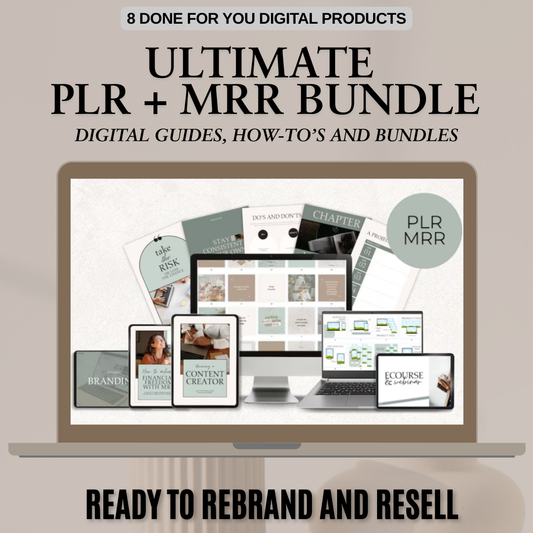
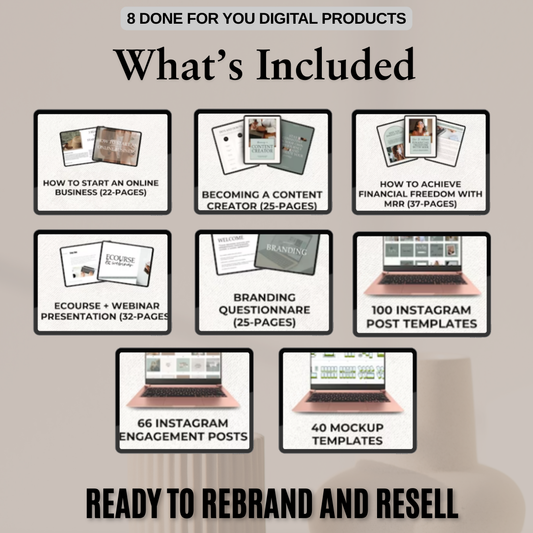
Some creators design everything from scratch, while others start faster using pre-made PLR digital products they can rebrand and resell as their own. Others skip the creation process entirely with done-for-you digital products that are ready to list and sell within minutes.
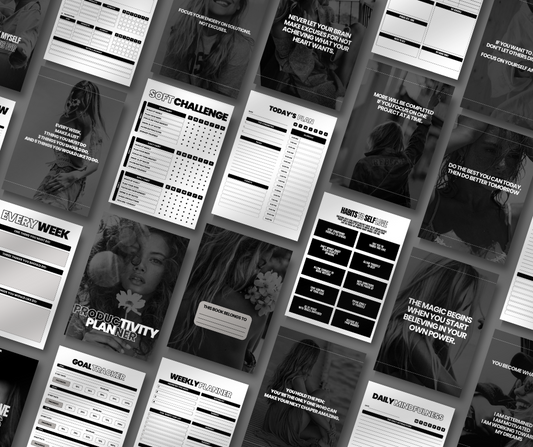
For a plain-English way to think about it: if you can make it once, send it as a file or a login, and sell it again and again without remaking it — it's a digital product. Real examples already in our own shop make this concrete — things like The Productivity Planner, a mindset-focused resource like the Unf*ck Your Limits self-worth transformation ebook, or ready-to-post content like the 30 Days of Digital Marketing Carousels bundle are all digital products in everyday use by sellers right now.
Key Characteristics of Digital Products
What actually makes something a "digital product" rather than just an online service? A few traits show up again and again:
-
Intangible — there's no physical object to hold, ship, or store; everything exists as a file or as access to a platform.
-
Delivered electronically — customers get their purchase via download link, email, or login, often within seconds of paying.
-
Scalable — the same file can be sold to 10 people or 10,000 without remaking anything, which is why so many creators now look to AI tools to help build dozens of digital products faster than ever before.
-
Low marginal cost — the first copy takes real time and effort to create, but every copy after that costs almost nothing to deliver.
-
Instant access — no shipping wait, no customs, no "where's my order" emails. This is part of why sellers in places like Etsy lean into formats explained in our guide to digital products you can sell on Etsy without designing anything yourself.
Together, these five traits explain why digital products have become such an accessible entry point for new creators in the US, Australia, and everywhere in between — low overhead, global reach, and no inventory risk.
Common Types of Digital Products
Digital products come in far more shapes than most beginners expect. Here's a quick tour of the main categories worth knowing.
Ebooks & Guides
Long-form PDFs or EPUB files that teach a skill or walk a reader through a process — still one of the most beginner-friendly products to create and sell.
Printables & Digital Planners
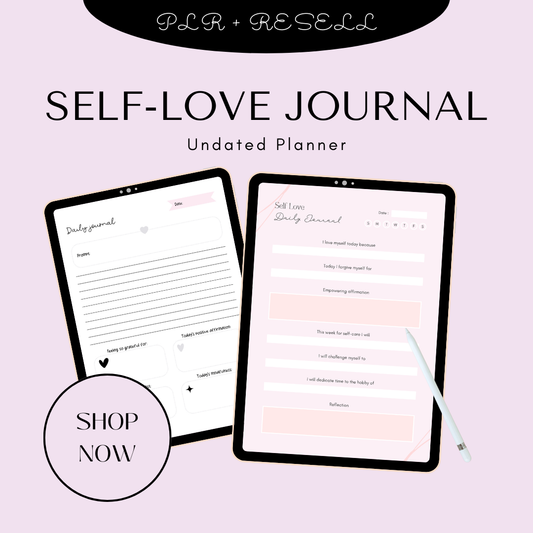
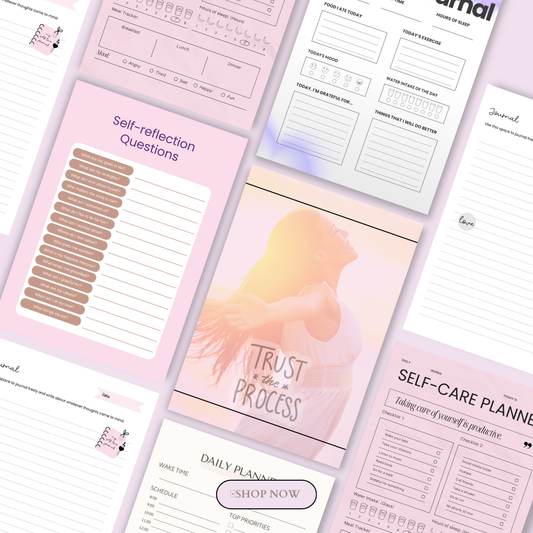
Worksheets, checklists, budget trackers, and planners that buyers print at home or use inside apps like GoodNotes. Demand for this category stays consistently strong across the broader list of digital products people are actively searching for and buying.
Templates (Canva/Notion)
Ready-made design or system structures — social media templates, Notion dashboards, resume layouts — that save the buyer hours of setup work. Done-for-you funnel templates like the Naomi Mega Funnel, a fully branded 14-page instant-download funnel, fall squarely into this category.
Online Courses & Workshops
Structured video, audio, or PDF lessons, usually hosted on a platform, that can be self-paced or delivered live.
Memberships & Communities
Ongoing, recurring access to content, tools, or a private community — buyers pay continually rather than once.
Software, Apps & SaaS
Everything from downloadable tools to full subscription platforms delivered entirely online.
Audio & Music
Podcasts, guided audio lessons, sound effects, and background music, often downloaded or streamed through a protected player.
Video & Stock Footage
Tutorials, b-roll, and stock clips other creators license and reuse in their own projects.
Digital Art, Graphics & Fonts
Clip art, icons, fonts, presets, and branding kits — popular because they're reusable across countless future projects, similar to niche content bundles like The Glow Lab Co. skincare content template collection.
Virtual Goods & NFTs
In-game items, skins, and blockchain-based assets representing ownership of digital art or collectibles.
Many sellers don't stick to just one category — a course might ship with templates and a workbook bundled in, the same way the Naomi Bundle combines several formats into a single offer.
If you're trying to figure out which categories are actually worth your time, our step-by-step guide to the best PLR products to resell and our breakdown of high-demand PLR niches that sell fast are both worth a read before you commit to a format.

Digital Products vs. Physical Products
The easiest way to see why digital products are so appealing is to put them side by side with their physical counterparts:
|
Aspect |
Digital Products (e.g., planner PDF) |
Physical Products (e.g., paper planner) |
|
Form |
Intangible file or online access only |
Tangible object you can hold |
|
Delivery |
Instant download or login after purchase |
Shipped via mail or courier |
|
Inventory |
No stock limits; sold infinite times |
Limited by production and storage |
|
Production cost |
High upfront time; near-zero cost per sale |
Ongoing materials, manufacturing, shipping |
|
Updates |
Easy to edit and re-upload |
Requires reprinting or remanufacturing |
This is the core reason digital products scale so well for solo creators and small brands: once the work is done, there's no factory, no warehouse, and no shipping carrier standing between you and a sale — whether that sale happens in Chicago or Melbourne.
Why Digital Products Are So Popular
The appeal of digital products isn't hype — it comes down to a handful of practical advantages that matter to anyone starting out with limited time or money.
Low Startup Costs
You don't need a factory, a warehouse, or upfront inventory — just a laptop, some basic design or recording tools, and an idea worth packaging.
Sell Globally, 24/7
Because delivery is automated, a customer in Texas and a customer in Brisbane can both buy and receive the same product at 3am their time — no shipping cutoffs, no time zones to manage.
Scalable Income
Build it once, sell it indefinitely. A single well-made resource — like an Instagram Growth Masterclass — can generate sales for years with no extra production work per customer.
Flexible for Any Niche
Whatever your audience cares about, there's a format for it — from planners for the organization-obsessed to content packs like the Positivity Pop Collection's Brat-aesthetic Canva templates for creators chasing a specific look and feel.
Easy to Update
Spot a typo or want to add a bonus page? Just edit the file and re-upload — no recall, no reprint, no wasted stock.
Potential Downsides and Challenges
Digital products aren't without friction, and a trustworthy guide should say so plainly.
Market Saturation
Popular categories like planners and templates are crowded, so standing out usually means a clear niche or a distinct creative angle rather than a generic offer.
IP & Piracy
Because files can be copied and shared without permission, it's worth understanding the basics of protecting your work before you publish anything publicly.
Platform Dependence
Most sellers rely on third-party marketplaces or storefronts for hosting and payments, which means working within their fees, rules, and occasional policy changes.
Customer Support
Even fully automated digital downloads still generate support questions — buyers locked out of a file, confused about formatting, or unsure how to open a download.
Simple Examples for Absolute Beginners
The teacher: A primary school teacher builds a set of printable math worksheets in her evenings and sells them as a PDF bundle to other teachers — something similar to resources found across our planner and worksheet collection.
The mom: A busy parent designs a weekly meal planner and grocery list, exports it as a PDF, and starts selling it on the side — the same idea behind tools highlighted in our best digital planners for iPad and GoodNotes users.
The blogger: A content creator packages her growth tactics into a guide and pairs it with ready-to-post visuals, similar to how the Organic Growth Marketing Bundle or The Content Girl Collection image and reels bundle combine strategy with done-for-you content.
Each of these started as one person solving one problem — proof that you don't need a team or a big budget to launch your first digital product.
How Digital Products Are Delivered
One of the biggest hesitations for first-time creators is the tech side — but delivery is almost entirely automated today.
Most digital products reach buyers in one of three ways: a direct download link that appears right after checkout, a member area the customer logs into (common for courses and multi-resource bundles), or an automated email containing the file or access instructions.
None of this requires you to build anything from scratch — platforms handle the delivery mechanics so you can focus on the product itself.
Where to Sell Digital Products
You have several solid starting points, and the right one depends on where your audience already spends time:
-
Ecommerce stores — full control over branding and pricing, ideal for seasonal drops like a New Year New Me Collection or a Black Friday Collection.
-
Marketplaces — built-in buyer traffic, especially strong for printables and planner-style products such as The Planner Collection.
-
Course and membership platforms — purpose-built for structured, multi-module content.
-
Your own website or blog — direct relationship with your audience and no marketplace fees.
We cover the platform-by-platform setup process — Shopify, Etsy, WooCommerce, and Gumroad — in detail in our dedicated platform guides, so start there once you've picked your format.
A Simple 5-Step Framework to Get Started
-
Choose a problem to solve. Every strong product fixes something specific — better organization, faster content creation, a mindset shift. AI-assisted formats are a fast-growing option here too, covered in our guides to digital products you can create with AI and the best AI digital products to sell in 2026, including visual tools like the Midjourney Mastery Guide Collection.
-
Pick a beginner-friendly format. A PDF guide, a template pack, or a short reel bundle like Content Girl Reels: 35 Viral-Ready AI Reels are all easier first projects than a full course. If buying instead of building, our guide to digital products you can sell with PLR is worth reading first — we go deeper on the full creation process in our guide on how to make digital products.
-
Outline the content before designing. Plan your sections or modules first, then move into design tools.
-
Set a clear promise and price. Define the transformation your product offers — our breakdown of digital products for passive income for beginners covers realistic pricing expectations.
-
Upload and launch. Pick a platform and go live — we walk through this exact process step-by-step in our guide on how to sell digital products online.
Frequently Asked Questions
What are digital products and how do they work?
A digital product is a file or piece of online access — like an ebook, template, or course — that's created once and delivered to buyers instantly online, with no physical shipping involved.
What's the difference between digital and physical products?
Digital products are intangible and delivered instantly with no inventory limits, while physical products require manufacturing, storage, and shipping, and are limited by available stock.
What are some examples of successful digital products?
Printable planners, Canva template packs, online courses, ebooks, and content bundles for social media are among the most consistently popular digital products being sold today.
Can I make passive income with digital products?
Yes — since digital products are created once and sold repeatedly with no inventory to restock, they're one of the more realistic ways to build semi-passive income. Most sellers still need to put in upfront work on creation and marketing before sales become consistent.
How do I protect my digital products from being copied?
Common methods include watermarking files, using platforms with built-in licensing or download limits, and adding clear usage terms to every product. No method is 100% piracy-proof, but these steps deter casual copying and protect you legally if it happens.
Which platform is best for selling ebooks and courses?
It depends on your audience: marketplaces like Etsy offer built-in buyer traffic for one-off products, while dedicated course platforms suit structured, multi-module content better. Many sellers start on a marketplace and move to their own store as their audience grows.
How do I price my digital products for maximum profit?
Price based on the transformation or time saved for the buyer, not just the hours you spent making it — research 3-5 similar products in your niche as a benchmark. Bundling related products together often increases average order value more than raising a single price.
What tools do I need to create digital downloads?
For most beginners, a design tool like Canva, a way to export to PDF, and a platform to host and deliver the file is enough to launch. More advanced products — like courses or software — may require video recording, screen capture, or basic hosting tools as you scale.
Final Thoughts
Digital products have lowered the barrier to starting an online business more than almost anything else in the last decade — no inventory, no shipping, and the ability to sell the same file to one customer or ten thousand.
If you're ready to move from "what are digital products" to actually creating your own, browse our full shop for ready-to-use templates, planners, and done-for-you bundles to get started today.
Further Reading
🎬 Want a visual walkthrough?
If you’d rather watch than read, here’s the full explainer video covering everything in this guide: