





Introduction
Gumroad is a beginner-friendly ecommerce platform that lets you sell digital products — ebooks, templates, planners, and more — directly to customers through a simple, shareable product page. There's no need to build a full website, hire a developer, or commit to a monthly subscription. You simply create a listing, upload your file, set your price, and share the link.
🎥 Prefer watching instead of reading?
Watch the full step-by-step explainer video below.
For anyone exploring financial freedom through side hustles, Gumroad is one of the fastest ways to turn a digital product idea into real income without upfront platform costs. It's especially popular in the US, UK, and Australia among creators, coaches, designers, and side-hustlers who want to start selling digital downloads today rather than spend weeks building infrastructure.
This guide is written for:
-
Beginners who have never sold a digital product before and want a step-by-step walkthrough
-
Creators looking for a low-cost way to monetize ebooks, templates, or courses
-
First-time digital sellers comparing platforms before committing to one
By the end, you'll know exactly how to set up a Gumroad account, upload a product, price it correctly, and publish it — with practical tips pulled from Gumroad's own documentation and current creator best practices.
What Gumroad Is
Gumroad is an ecommerce platform built specifically for creators who want to sell digital downloads, memberships, and other online products directly to their audience — without needing a traditional online store. Instead of managing inventory, shipping, or complex storefront software, sellers create a single product page, attach a file, and let Gumroad handle the transaction.
What Gumroad handles for you:
-
Product page creation and hosting
-
Secure payment collection (cards, and other supported methods)
-
Automatic file delivery to buyers after purchase
-
Basic storefront and profile setup — no coding required
This makes Gumroad a strong entry point if you're comparing it against other setups, such as selling digital products with WooCommerce, which typically requires a full WordPress site, hosting, and more technical setup. If you're still weighing your options, this breakdown of the best platforms for selling digital products online in 2026 is a useful next read.
Best-fit products for Gumroad include:
-
Ebooks — such as self-help or mindset guides like Unf*ck Your Limits or 30 Days to a Better You
-
Templates and social media assets — like Canva story templates or marketing carousel bundles
-
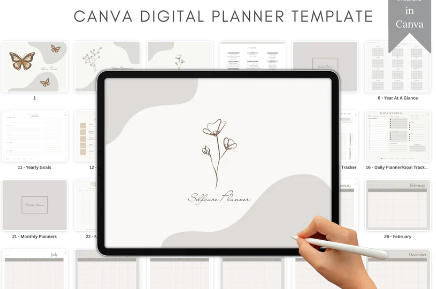
Planners and printables — a category covered in depth in this guide to digital planners, including options like a 4-planner digital bundle or a dedicated finance and budget planner
-
Affirmation decks and mindset tools — such as Momentum Mastery
-
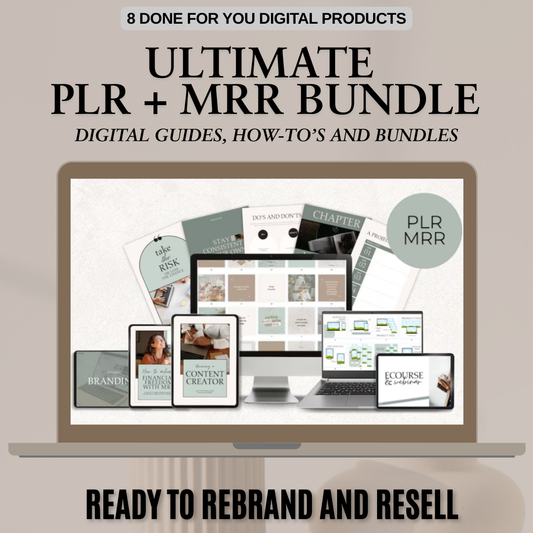
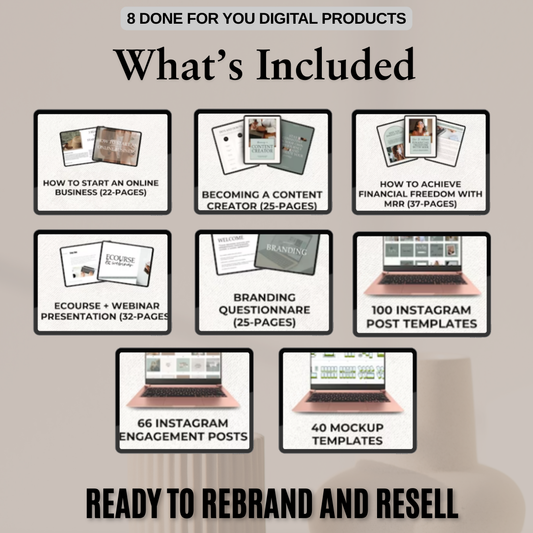
Design assets and courses, including done-for-you digital products and resources on creating and selling digital products with MRR
If you're new to the broader category, this overview of digital downloads is a helpful starting point, and if you'd rather listen than read, the ResellReady podcast covers many of these strategies in audio form. iPad and GoodNotes users specifically may also want to check out this guide on best digital planners for iPad and GoodNotes for niche product ideas.
Getting Started: Account Setup
Setting up your Gumroad account takes just a few minutes, and you don't need any technical experience to get your first listing live.
Creating an account and logging into the dashboard
Head to Gumroad's sign-up page, create your account with an email address (or social login), and verify it. Once verified, you'll land on your dashboard — this is your control center for managing products, sales, and payouts.
Navigating to Products → New Product
From the dashboard, click into the Products tab, then select New Product. This opens the product editor, where you'll build out your listing from scratch.
Choosing "Digital Product" type
Gumroad supports several product types, but for most sellers the Digital Product option is the right choice — it's built for downloadable files rather than physical goods or services.
Entering title, description, and price
This is where positioning matters most. A vague title gets scrolled past; a benefit-focused one gets clicked. Instead of "Ebook Bundle," try something that states the outcome, like the approach used in The Aligned Empire, which leads with the transformation (wealth, peace, purpose) rather than just the format.
Your description should clearly answer: What does the buyer get, and why does it matter? Keep it scannable — short paragraphs, bullet points, and a clear takeaway. If you're still deciding what to sell in the first place, this list of digital products to sell and this broader 100 digital products you can sell online in 2026 mega guide are excellent starting points for finding a profitable niche before you write your listing copy.
Uploading Your File
Once your product details are set, it's time to attach the actual file buyers will receive.
Where to upload
In the product editor, scroll to the Content or File Upload section. This is separate from your product description — it's the backend area where the deliverable itself lives.
Supported file types
Gumroad accepts a wide range of formats, including PDFs, ZIPs, MP3s, MP4s, and other common digital formats. This flexibility makes it suitable for nearly any digital product type, whether you're selling faceless video content like aesthetic faceless video reels and stories, stock video bundles such as luxury lifestyle aesthetic stock videos, or written guides like the PLR faceless illustration prompt guide.
Tip: Bundling multiple files into a ZIP
If your product includes several assets — for example, a bundle like the 70 motherhood lifestyle reels PLR/MRR stock video bundle or the 30 digital marketing carousels DFY bundle — compress everything into a single ZIP file. This keeps delivery clean and prevents buyers from having to download dozens of files individually.
Tip: Adding a cover image or thumbnail
A polished thumbnail significantly improves click-through and conversion rates. Look at how visually cohesive listings — like Pastel Paris premium vintage luxury cafe vibes stock images — use aesthetic previews to signal quality before a buyer even reads the description. If you're sourcing or creating products with AI tools, this guide on 40 digital products you can create using ChatGPT or AI tools also covers thumbnail and asset creation workflows.

Setting Your Pricing
Gumroad offers flexible pricing models, which is one of the platform's biggest advantages for testing different offers.
Fixed price option
The simplest model: set one price and every buyer pays the same amount. This works well for clearly-scoped products, especially resell-ready or PLR digital products where the value is well-defined and comparable to similar listings in your niche.
Pay-what-you-want (PWYW)
With PWYW pricing, you set a minimum (which can be 0+) and let buyers choose what to pay. Setting a suggested amount helps anchor value — buyers tend to pay closer to the suggested price than the bare minimum. This can work well for lead-generation products meant to build trust before a bigger purchase.
Free products
You can offer a product for free either by setting PWYW to 0 or applying a 100% off discount code. Free offers are a common strategy for list-building or driving traffic toward paid bundles.
Fee note
According to Gumroad's own documentation, free product sales carry no transaction fee, while paid sales are charged a percentage-based fee per transaction rather than a monthly subscription cost. This makes it low-risk to experiment with pricing as you refine your offer — something especially useful if you're just getting oriented in the digital products space and want to test demand before committing to a full catalog.
Understanding Fees and Payouts
One of Gumroad's biggest draws for beginners is its transparent, no-commitment fee structure — you can check the full breakdown directly on Gumroad's official fees page or their pricing page.
Direct/profile link sales
When you sell through your own profile or a direct product link — the method most sellers use — Gumroad charges 10% + $0.50 per transaction, plus applicable sales tax and payment-processing fees. This is the standard rate for creators sharing links via social media, email, or their own content.
Marketplace discovery sales
If a sale comes through Gumroad's built-in marketplace discovery (where buyers find your product through Gumroad itself rather than your own link), the fee is a flat 30%, which includes processing costs. This trade-off makes sense: you're paying more for Gumroad to bring you traffic instead of relying solely on your own promotion.
No monthly costs
Unlike many ecommerce platforms, Gumroad charges nothing upfront — no monthly subscription, no listing fees. You only pay when you actually make a sale. This is a major advantage if you're comparing options in this breakdown of the best platforms for selling digital products online in 2026, since it means beginners can test a product idea with zero financial risk before scaling up.
Publishing and Promoting Your Product
Once your listing looks complete — title, description, file, price, and thumbnail all set — you're ready to go live.
Publishing and grabbing your link
Hit publish, then copy your unique product link from the dashboard. This is the URL you'll use everywhere you promote the product.
Where to share your link
Successful Gumroad sellers rarely rely on the marketplace alone — they drive their own traffic. Effective channels include:
-
Social media — especially where visual products perform well, such as image-based listings like Content Girl Images or aesthetic bundles like Pastel Paris stock images
-
Email lists, especially useful for warming up an audience before a launch
-
Blog posts, where you can naturally link to your product within relevant content
-
Content funnels, pairing free lead magnets with paid upsells
If you're also considering PayPal as a payment option alongside or instead of Gumroad's built-in processing, this guide on selling downloadable products with PayPal covers what you need to know.
Tip: Start small
Don't launch your most ambitious offer first. Start with a small, easy-to-buy product and a clear, benefit-driven headline — something like The Aligned Empire, which leads with a clear transformation promise rather than a vague description. Early, low-friction sales build momentum, reviews, and confidence before you invest in a bigger launch.
Best Practices for Higher Conversions
Specific, problem-solving headlines
Your headline should name the problem you solve, not just the product format. Compare a generic title like "Skincare Guide" to something specific like The Glow Lab Guide or Skin Confidence: The Glow Getter's Guide — both signal exactly what the buyer will get and why it matters.
"What's included" section
Buyers hesitate when they're unsure what they're actually paying for. A clear breakdown — page count, file formats, bonuses — removes that friction. This is especially important for bundles, like The Planner Collection, where listing every component builds perceived value.
Preview images
One or two strong visuals showing the actual product (not just a generic cover) significantly boosts trust and conversions. This matters most for visual products, and it's a core reason why done-for-you digital products that actually sell tend to emphasize professional previews as a non-negotiable step.
Simple FAQ to handle objections
A short FAQ on your product page pre-answers common hesitations (file format, usage rights, refunds) before they become a reason not to buy.
Pricing strategy
Beginners generally see better early traction with a low-friction entry product rather than a premium offer on day one. Once you understand your audience, you can layer in higher-ticket items. If you're building out a full catalog, this list of high-demand niches for PLR digital products that sell fast and this data-backed list of top-selling digital products in 2026 can help you sequence your product lineup strategically.
Conclusion
Gumroad remains one of the fastest, most beginner-friendly ways to sell digital products — no website build, no monthly fees, and a straightforward path from idea to published listing. Whether you're selling ebooks, planners, templates, or stock content, the platform strips away the technical barriers so you can focus on what matters: creating a product people want and getting it in front of the right audience.
If you're still exploring what to sell, start with this complete beginner's guide to what a digital product actually is, or browse 50 digital product examples you can start selling today for inspiration.
Ready to list your first product? Set up your Gumroad account, upload your file, and publish your first listing today — momentum builds fast once you get your first sale.
FAQ Section
1. What are Gumroad's current fees?
Gumroad charges 10% + $0.50 per transaction for sales made through your own profile or direct link, plus applicable tax and processing fees. Sales made through Gumroad's marketplace discovery carry a flat 30% fee, which includes processing. Full details are available on Gumroad's official fees page.
2. Can I sell for free on Gumroad?
Yes. You can offer a product for free using pay-what-you-want pricing set to 0, or by applying a 100% off discount code. According to Gumroad, free sales carry no transaction fee — see their official PWYW pricing documentation for details.
3. What file types can I upload to Gumroad?
Gumroad supports common digital formats including PDFs, ZIPs, MP3s, and MP4s, making it suitable for ebooks, planners, courses, templates, and video or audio products alike.
4. Does Gumroad handle taxes?
Gumroad applies applicable sales tax to transactions where required, though sellers should still confirm their own tax obligations based on their location and product type. You can find more detail in Gumroad's help center.
5. Is Gumroad better than building my own store or using another platform?
It depends on your goals. Gumroad is faster to launch and has no upfront costs, making it ideal for beginners, whereas platforms requiring a full website build offer more customization but more setup work. This comparison of the best platforms for selling digital products online in 2026 breaks down the trade-offs in detail. If you're also looking at branding or course platforms as part of your broader strategy, this review of whether the Ultimate Branding Course is worth it may help you decide what to prioritize first — and if you want a step-by-step approach to sourcing resell-ready content, this guide to the best PLR products to resell in 2026 is a strong next step, along with AI prompts to sell online if you want to generate product ideas quickly. For the platform itself, you can start directly at Gumroad's homepage.
🎬 Want a visual walkthrough?
If you’d rather watch than read, here’s the full explainer video covering everything in this guide: