



Introduction
Digital products have completely changed how creators and entrepreneurs build sustainable online income. Unlike physical products, digital products—such as ebooks, planners, templates, courses, and downloadable tools—can be created once and sold repeatedly without worrying about inventory, shipping, or manufacturing. This makes them one of the most beginner-friendly ways to generate passive income online.
🎥 Prefer watching instead of reading?
Watch the full step-by-step explainer video below.
If you’re new to this space, understanding what digital products are and how they work is the first step. Once you grasp the basics, you’ll see why so many creators are choosing digital products as their primary income stream. With minimal startup costs and unlimited scalability, they offer an accessible path to online entrepreneurship.
Why Beginners Can Succeed Without Tech Skills
One of the biggest myths about selling digital products is that you need advanced technical knowledge. In reality, most successful digital products are created using simple tools like Canva, Google Docs, or drag-and-drop platforms. What truly matters is solving a real problem for a specific audience.
Beginners can succeed by focusing on clarity, value, and simplicity rather than perfection. Building a strong personal brand and creating content that leads—rather than chasing ever-changing algorithms—can make a massive difference. Learning how to build a brand that leads instead of following trends allows beginners to grow sustainably without relying on complex tech setups.
For those who want to go deeper, understanding how to build a 6-figure digital product brand can provide insight into long-term scaling strategies.
What This Step-by-Step Guide Will Cover
This beginner-friendly guide is designed to take you from idea to income with a clear, proven process. Inside, you’ll learn how to:
-
Choose a profitable niche that aligns with your skills and market demand
-
Validate your digital product idea before investing time and effort
-
Plan and create a high-value product using beginner-friendly tools
-
Price and package your digital product to maximize sales
-
Set up a sales platform and automate delivery
-
Launch, promote, and scale your product for consistent income
Along the way, you’ll also explore examples of digital products that sell well online so you can focus on ideas that already have proven demand.
Who This Guide Is For
This guide is ideal for:
-
Aspiring creators who want to turn skills or knowledge into income
-
Side hustlers looking to earn online without quitting their day job
-
Online entrepreneurs seeking scalable and automated revenue streams
-
Beginners who want a clear, step-by-step roadmap
Whether you’re just getting started or planning your first launch, this guide will help you create digital products that don’t just look good—but actually sell.
Step 1: Choose a Profitable Niche
What Is a Digital Product Niche?
A digital product niche is a specific category or topic you create products for, targeting a particular audience’s needs or interests. Examples include planners, templates, and digital tools designed to solve problems or improve productivity. Choosing a niche helps you focus your efforts on a market with demand rather than creating random products that may not sell.
For beginners, exploring collections like The Planner Collection, Money Mindset Collection, or New Year New Me Collection can give inspiration for niche ideas that are already popular with online audiences.
If you want to learn more about the fundamentals of digital products before choosing a niche, check out this complete beginner’s guide.
How to Pick the Right Niche as a Beginner
When selecting a niche, beginners should focus on the intersection of skills, interests, and market demand. Ask yourself:
-
What am I knowledgeable or passionate about?
-
What problems can I solve for others?
-
Which markets have proven demand but aren’t oversaturated?
Beginner-friendly niches often include planners, digital templates, social media growth tools, and prompt collections. For example:
-
MidJourney Prompts for AI image creators
-
Instagram Growth Masterclass for social media learners
-
Organic Growth Marketing Bundle for small business owners
Exploring these examples helps beginners understand what types of products are in demand and how they can tailor their ideas for success.
How to Research Market Demand
Before committing to a niche, it’s crucial to research demand to ensure your product will sell. Beginner-friendly strategies include:
-
Using Google Trends to identify rising topics in your niche
-
Etsy search & bestseller analysis to see which products perform well
-
Identifying trends vs. oversaturated markets to avoid competition that’s too fierce
You can also explore curated lists of digital products to sell online and done-for-you digital products to see which categories are consistently profitable.
Step 2: Validate Your Digital Product Idea
Why Validation Matters Before Creation
Validation is essential because it ensures your product solves a real problem and avoids wasted time, effort, or money. By testing your idea before production, you can confirm there’s a market ready to pay for your solution.
Ways to Validate Demand
There are several simple ways to check whether your idea will sell:
-
Surveys & social media polls: Ask your audience which products they’d find most useful.
-
Keyword research tools: Platforms like Ubersuggest help identify what people are actively searching for online.
-
Checking bestseller lists: Look at Etsy, Gumroad, and other marketplaces to see which products are already performing well.
Validation gives you confidence that your digital product has demand and helps you refine it for maximum appeal.
Testing Willingness to Pay
Once you’ve confirmed interest, you can test whether people are willing to buy your product:
-
Create a simple “coming soon” page or waitlist to gauge interest.
-
Offer pre-sales or early-bird discounts to see how many people commit before full launch.
This approach works for both beginners creating their first products and for digital collections like The Planner Collection or Money Mindset Collection, where early feedback can guide design and pricing.
Step 3: Plan Your Digital Product Content
Defining the Core Transformation
Before creating a digital product, you need to define the core transformation it offers. Ask yourself:
-
What problem does your product solve for your audience?
-
What specific outcome will the buyer achieve after using it?
For inspiration, you can explore best digital products to sell online in 2026 to see examples of products that clearly deliver results and solve real problems.
Creating a Simple Product Outline
Once you know the transformation, structure your content into a clear, easy-to-follow outline:
-
Main sections or modules: Break the product into digestible steps or chapters.
-
Bonus content ideas: Add extra value with checklists, templates, or guides.
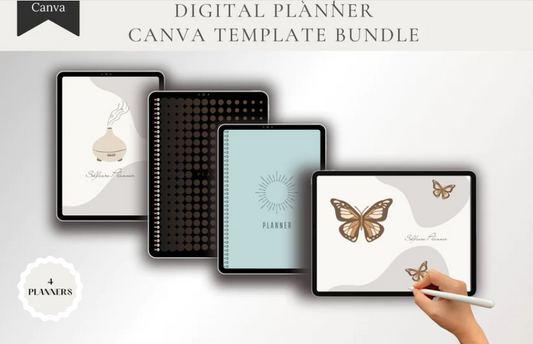
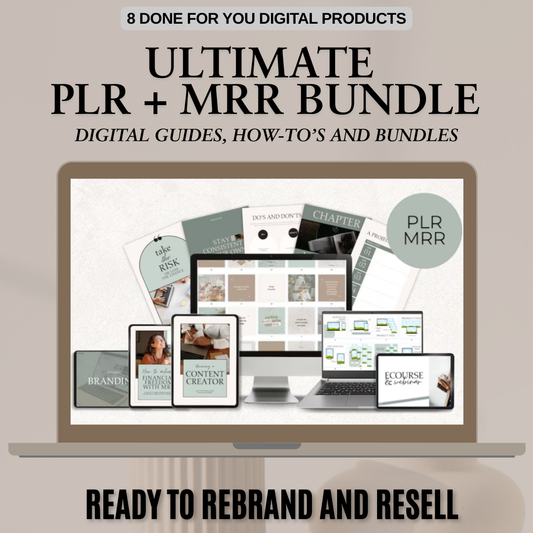
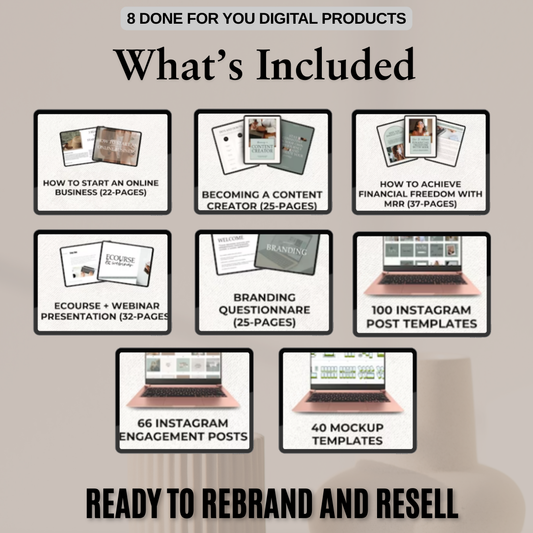
If you’re using ready-made content, PLR (Private Label Rights) products are a great starting point. Guides like how to make money with PLR digital products and complete beginner’s guide to PLR products can help you quickly create a high-value product without starting from scratch.
Choosing the Right Format
Selecting the right format for your product is crucial. Popular formats include:
-
PDFs for ebooks, guides, and worksheets
-
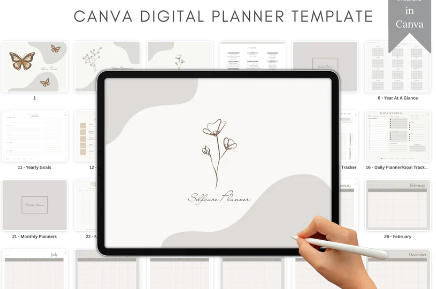
Canva templates for planners, social media graphics, and branding kits
-
Notion dashboards for productivity tools and tracking systems
-
Slides or mini-courses for training or educational content
For example, prompt packs like PLR Faceless Illustration Prompt Guide or AI-based packs like Icon Energy Prompt Pack provide pre-made content that can easily be adapted for multiple formats.
Deciding What to DIY vs. Outsource
Decide which parts of the product you will create yourself and which you may outsource:
-
DIY: Simple designs, content writing, Canva templates
-
Outsource: Specialized graphics, advanced design, or professional editing (Fiverr is a beginner-friendly option)
Collections like Post Perfection can provide inspiration for visuals, templates, and design elements you might want to include without heavy outsourcing.

Step 4: Create the Digital Product (MVP First)
Beginner-Friendly Creation Tools
When creating your first product, focus on simplicity and speed using beginner-friendly tools:
-
Canva for templates, planners, and graphic content
-
Google Docs for ebooks, guides, and checklists
-
Gamma for interactive slides and mini-courses
You can also explore pre-made assets like:
These can be used to enhance your product, create additional value, or save time on design.
Focus on Quality Over Perfection
Your first product doesn’t need to be perfect, but it should deliver value and a great experience:
-
Include actionable steps that solve the user’s problem
-
Keep a simple, clean design to avoid overwhelming users
-
Ensure user experience basics: readability, navigation, and clarity
Testing Before Launch
Before publishing, make sure your product is polished and functional:
-
Proofreading: Check for typos and errors
-
Flow & usability checks: Ensure the content is easy to follow
-
Final export formats: Save in PDF, PNG, or other appropriate formats depending on your product
By following these steps, your minimum viable product (MVP) will be ready for testing, validation, and eventual launch with confidence.
Step 5: Price and Package Your Product
How to Price Digital Products
Pricing your digital product correctly is key to attracting buyers while reflecting the value you provide. Most beginner-friendly digital products are priced between $7 and $97, depending on complexity and market demand. When setting your price, consider both the value your product delivers and what similar products are selling for in your niche.
For ideas on profitable products and current pricing trends, check out 25 Profitable Digital Products You Can Create and Sell Online. You can also explore innovative categories like AI-powered digital products or PLR products for inspiration.
Creating Product Tiers
Offering multiple tiers increases your revenue potential and allows customers to choose the best fit for their needs:
-
Basic vs. Premium versions: A simple version with core content vs. an expanded version with bonuses
-
Bundles and add-ons: Combine multiple products, templates, or planners for more value
Examples include The Wealth Mindset Journal, Your Start-Up Business Planner Workbook, or Quantum Manifestation Planner—all of which use tiered content or bundled bonuses effectively.
Creating High-Converting Mockups
Visual presentation can make or break a sale. Use tools like Placeit or Kittl to create professional mockups that showcase your product. Include:
-
Preview images so buyers know exactly what they’re getting
-
Testimonials or social proof if available to increase trust
If you’re designing planners, journals, or ebooks, collections like Plan Prosper provide ideas for attractive layouts and templates.
Writing a Clear Value Statement
Your value statement should explain why your product is different and highlight the benefits over features. Focus on the transformation your customer will experience, not just the content inside. For example, instead of saying “Includes 50 pages of worksheets,” frame it as “Achieve your goals faster with guided exercises designed to simplify planning and manifest results.”
Step 6: Set Up Your Sales Platform
Best Platforms for Beginners
Choosing the right platform depends on your product, technical comfort, and marketing strategy. Popular beginner-friendly options include:
-
Gumroad – simple setup, built-in payment processing
-
Etsy – traffic-heavy marketplace ideal for templates, planners, and printables
-
Shopify – customizable online store for scaling your brand
-
Payhip – low fees and easy digital delivery
Uploading & Delivering Your Product
Once your platform is ready:
-
File setup: Ensure your product is in the correct format (PDF, PNG, DOCX, etc.)
-
Payment integration: Connect Stripe, PayPal, or other payment methods
-
Automated delivery: Use built-in tools or Zapier to instantly deliver products to customers
Building a Simple Sales Funnel
A basic sales funnel increases conversions and customer lifetime value:
-
Email capture: Offer a freebie or mini-guide to collect emails
-
Lead magnets: Provide value upfront, like a free chapter or checklist
-
Basic follow-up emails: Send onboarding tips, product updates, or related offers
For example, offering a free chapter of Declutter Your Mind Ebook or a sample worksheet from Your Start-Up Business Planner Workbook can help grow your email list and increase conversions.
Step 7: Launch and Promote Your Digital Product
Pre-Launch Strategies
Building anticipation before your product goes live is essential for a successful launch. Effective pre-launch strategies include:
-
Free content creation: Share tips, mini-guides, or sneak peeks to educate and engage your audience. For example, you could offer a free chapter from The Self-Love Workbook or a snippet of Mastering Creative Leadership Ebook.
-
Email list building: Capture emails with lead magnets like mini-guides or planners. Products such as Self-Care SOS Kit or Health & Fitness Planner work well as giveaways.
-
Social media buzz: Use Pinterest, Instagram, TikTok, or YouTube to tease your product, show behind-the-scenes content, and share testimonials to generate excitement.
Post-Launch Promotion
Once your product is live, promotion is key to driving sales:
-
SEO-optimized listings: Write clear, keyword-rich product titles and descriptions. Learn more about creating compelling digital product listings in Printable and Template-Based Digital Products That Sell Like Crazy.
-
Content marketing: Blog posts, social media posts, and email campaigns can educate your audience and provide value while directing them to your product. For example, check out Digital Products to Sell That Can Replace Your 9-5 Job for content inspiration.
-
Paid ads (optional): Platforms like Pinterest Ads, Instagram Ads, and Google Ads can amplify your reach, especially when targeting highly engaged audiences.
Collecting Feedback & Scaling
Feedback is crucial to improve and scale your digital product business:
-
Improving based on reviews: Ask customers for feedback to refine your product or fix any issues.
-
Creating bundles: Combine multiple products for higher perceived value, like Confidence Made Easy: The Ultimate Glow-Up Guide with Embrace Rejection.
-
Adding upsells for repeat sales: Offer complementary products or premium versions to maximize customer lifetime value.
For additional inspiration on trending digital products, check out:
-
How to Make Digital Products: 15 Simple Ideas Anyone Can Create
-
PLR Digital Product Ideas That Go Viral on TikTok and Instagram
-
Best PLR Digital Products for the Self-Help & Manifestation Niche
Common Mistakes Beginners Should Avoid
Avoid these pitfalls to increase your chances of success:
-
Skipping validation: Launching without testing demand can waste time and money.
-
Over-complicating the product: Start simple, focus on value, and iterate later.
-
Underpricing or overpricing: Match price to value and market standards.
-
Relying on one platform only: Diversify your sales channels to reduce risk.
Your First Digital Product Roadmap
Creating and selling digital products is a journey. By following this step-by-step process, beginners can go from idea to launch with confidence.
-
Focus on progress, not perfection—your first product doesn’t need to be flawless.
-
Treat each product as a learning experience and refine based on real customer feedback.
-
With the right approach, even beginners can generate passive income and scale into a sustainable business.
Related Guides
Other helpful resources for beginners:
This concludes the complete beginner’s step-by-step guide to creating, launching, and promoting digital products that sell.
Frequently Asked Questions (FAQ)
1. What exactly is a digital product?
A digital product is any non-physical item you can sell online, such as ebooks, templates, planners, courses, or downloadable tools. They can be created once and sold repeatedly without inventory or shipping. Learn more in our complete beginner’s guide to digital products.
2. How do I choose a profitable niche for my first digital product?
Start by combining your skills, interests, and audience demand. Research trending topics using tools like Google Trends or Etsy bestseller lists. Beginner-friendly niches include planners, social media templates, AI prompts, and self-help guides. See 25 profitable digital products you can create and sell online for ideas.
3. Do I need technical skills to create and sell digital products?
No! You can create digital products using beginner-friendly tools like Canva, Google Docs, and Gamma. You can also leverage ready-made assets like PLR products or prompt packs to save time. Check out how to make money with PLR digital products for guidance.
4. Where should I sell my digital products?
Beginners often start with platforms like Gumroad, Etsy, Shopify, or Payhip. Each platform has its pros and cons—Etsy has high traffic, Gumroad is simple, and Shopify is highly customizable. You can also diversify across platforms to maximize sales. Learn more in our top platforms to sell digital products guide.
5. How can I promote my digital product after launch?
Promote your product through content marketing, SEO-optimized listings, social media, email lists, and optional paid ads. Collect feedback from customers to improve and scale your products with bundles or upsells. For inspiration, check out our guides on digital products to sell that can replace your 9-5 job and PLR digital products that go viral on TikTok and Instagram.
🎬 Want a visual walkthrough?
If you’d rather watch than read, here’s the full explainer video covering everything in this guide: