



Introduction
Digital products have become one of the most powerful ways to make money online because they are scalable, low-cost, and highly profitable. Unlike physical products, digital products don’t require inventory, shipping, or manufacturing. Once created, they can be sold repeatedly to an unlimited number of customers—making them ideal for anyone looking to build sustainable online income.
🎥 Prefer watching instead of reading?
Watch the full step-by-step explainer video below.
From ebooks and templates to planners, courses, and PLR products, digital goods continue to dominate marketplaces like Etsy, Gumroad, and Shopify. In fact, many creators earn anywhere from a few hundred to several thousand dollars per month selling simple digital products that solve specific problems. If you want a deeper look at current trends, check out this guide on the
best digital products to sell online in 2026.
Why Digital Products Are So Profitable
One of the biggest advantages of digital products is the one-time creation, unlimited sales model. You create the product once, upload it to a platform, and it can generate income again and again—often while you sleep. This is why digital products are commonly associated with passive or semi-passive income.
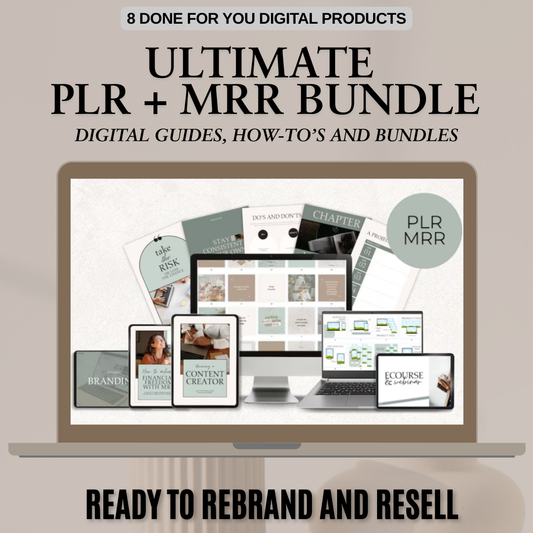
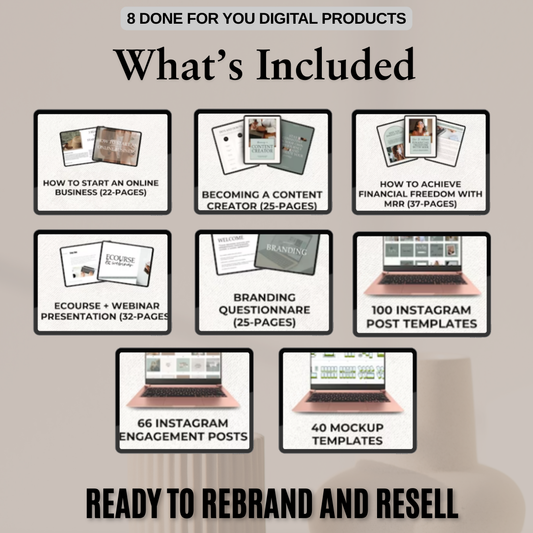
Even better, you don’t always need to start from scratch. Many creators use PLR (Private Label Rights) digital products, which allow you to legally rebrand, edit, and resell pre-made content as your own. If you’re new to the concept, this complete beginner’s guide to PLR digital products explains everything step by step.
PLR makes it possible to launch faster and with less effort. Many sellers build entire digital stores using PLR-based products and turn them into long-term income streams. You can learn how this works in practice in this guide on
PLR digital products for passive income.
Who This Guide Is For
This guide is designed for:
-
Beginners who want to start an online business without technical skills
-
Creators and freelancers looking to monetize their knowledge or audience
-
Online entrepreneurs who want scalable income streams
-
Side hustlers searching for low-risk, high-margin digital products
Whether you prefer creating products from scratch or using ready-made PLR resources, there’s an option for every skill level. For example, curated bundles like the
Naomi Bundle and
Gemma Bundle allow you to quickly launch multiple digital products without spending months creating content.
You don’t need a large following or expensive software—many successful sellers start with simple tools like Canva, basic AI assistance, and a clear niche focus.
What You’ll Learn in This Post
In this guide, you’ll discover:
-
25 proven digital product ideas you can create and sell online
-
Which products offer high demand and strong profit margins
-
Ideas that perform well on Etsy, Gumroad, and Shopify
-
Which digital products are best for beginners versus advanced sellers
-
How PLR products can help you launch faster and scale smarter
You’ll also see how educational and strategy-based digital products can help you build authority. Products like the
Anti-Algorithm Growth Guide show how focused, value-driven digital content can stand out—even in competitive markets.
By the end of this post, you’ll have a clear understanding of which digital product makes the most sense for you and how to start creating—or sourcing—it today.
Why Digital Products Are So Profitable in 2026
Digital products continue to outperform many traditional online business models in 2026 because they combine high profit margins, low operating costs, and massive scalability. Once a digital product is created, there are no ongoing production expenses, no inventory to manage, and no shipping or fulfillment headaches. This means most of the revenue you generate is profit.
Another major advantage is scalability through automation. Digital products can be sold 24/7 using automated checkout systems, email delivery, and digital storefronts. Whether you sell one product or one thousand, your workload remains nearly the same. This step-by-step breakdown on how to make real money with PLR digital products shows how creators are using automation and PLR to build predictable income streams.
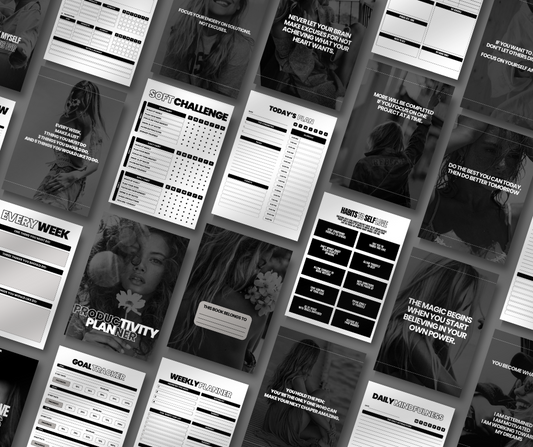
Demand in 2026 is being driven by fast-growing niches such as productivity, online business, wellness, mindset, and AI-powered tools. Consumers are actively looking for solutions that save time, improve income, or enhance mental and physical well-being. That’s why collections focused on mindset and personal growth—like the
Money Mindset Collection and the
New Year, New Me Collection—continue to perform especially well in digital marketplaces.
On the creation side, it’s never been easier to build digital products. Tools like Canva make designing planners, templates, and printables beginner-friendly, while AI tools help generate written content, prompts, and frameworks in minutes. No-code platforms allow you to launch and sell products without technical skills. If you’re just starting out, this guide on
how to make digital products with simple ideas anyone can create is a great place to begin.
How This List Is Organized
The 25 digital products featured in this guide were carefully selected based on three core criteria: market demand, profit potential, and ease of creation. Each product idea has a proven audience, realistic pricing potential, and can be created without advanced technical skills or large upfront investment.
This list also considers where each product sells best. Some digital products perform exceptionally well on Etsy, especially printables and templates. Others are better suited for Gumroad, which allows fast launches and creator-friendly sales pages. More advanced sellers may prefer Shopify to build branded digital product stores and long-term assets.
Finally, the products are evaluated based on pricing ranges and income potential. Some items are ideal for low-ticket sales ($5–$15) with high volume, while others are better positioned as mid- to high-ticket offers ($27–$97+) with fewer but more valuable customers. Throughout this guide, you’ll see examples of how creators use both strategies—often combining them—to build sustainable and scalable digital income in 2026.
Top 25 Profitable Digital Product Ideas
Below are 10 of the most profitable and beginner-friendly digital product ideas you can create and sell online. Each one has proven demand, strong income potential, and works well across platforms like Etsy, Gumroad, and Shopify.
1. Ebooks
What it is
Ebooks are downloadable guides that teach, explain, or solve a specific problem. They can be short (20–30 pages) or in-depth, depending on the topic.
Best niches for ebooks
Popular and profitable niches include business, personal finance, side hustles, mindset, productivity, wellness, and online growth. Topics related to income and independence perform especially well, as explained in this guide on
financial freedom through side hustles.
Pricing range and demand insight
Most ebooks sell between $7–$49, with higher prices justified by actionable frameworks or niche expertise. Demand remains evergreen because people are always searching for step-by-step solutions.
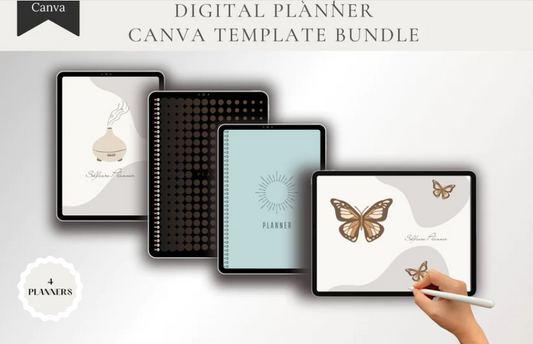
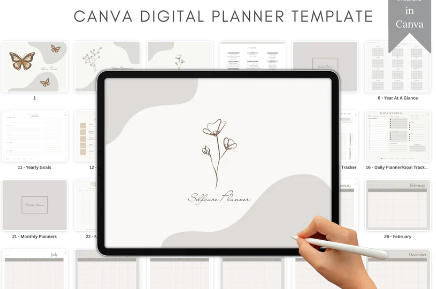
2. Digital Planners (PDF & Notion)
What it is
Digital planners help users organize their goals, schedules, finances, or habits. They’re typically sold as PDFs or editable Notion templates.
Why planners sell consistently
Planners are a recurring favorite because people constantly want better structure and clarity in their lives—especially around productivity and goals. This breakdown of
digital planners and why they sell highlights why they remain top Etsy sellers year after year.
Ideal target audience
Students, entrepreneurs, busy professionals, and personal growth enthusiasts. Productivity-focused collections like
Plan & Prosper work especially well for this audience.
3. Online Courses
What it is
Online courses package your knowledge into structured video or lesson-based training that teaches a specific skill or outcome.
High-ticket potential
Courses are one of the highest-paying digital products, often selling for $97–$499+, especially when they promise transformation or income growth.
Best topics for courses
Branding, content creation, social media growth, digital marketing, and business systems perform extremely well. Courses like
The Ultimate Branding Course (with Master Resell Rights) show how education-based products can also be resold for added leverage.
4. Social Media Templates
What it is
Social media templates are pre-designed Canva layouts for posts, reels, stories, and carousels.
Why Canva templates perform well
Canva makes templates beginner-friendly and customizable, which increases buyer confidence. Packs like
Reel Power Packs and
Post Perfection solve a major pain point: content consistency.
Repeat sales potential
Because businesses need ongoing content, sellers often create multiple template packs—leading to repeat buyers and bundles.
5. Printables (Wall Art & Quotes)
What it is
Printables are instant-download designs such as wall art, affirmations, quotes, checklists, or trackers.
Low-effort, high-volume product type
These products are quick to create and sell in large quantities, especially on Etsy.
Popular design themes
Motivation, minimal typography, affirmations, money mindset, and aesthetics for home offices or bedrooms.
6. Stock Photos & Videos
What it is
Stock content includes photos or short video clips sold for commercial use.
Passive royalty income model
Once uploaded, stock assets can generate royalties repeatedly with no extra work.
Niche opportunities
AI visuals, lifestyle branding, digital business imagery, and social-media-ready content are growing fast. Collections like the
AI Image Collection tap directly into this demand.
7. AI Prompt Packs
What it is
AI prompt packs are curated instructions that help users get better results from tools like ChatGPT or AI image generators.
Growing demand in AI and content niches
As AI adoption grows, people want shortcuts and proven prompts. You can explore ready-made examples in the
AI Prompt Packs collection.
Monthly income potential
Many creators earn $100–$1,000+ per month with simple, niche-focused prompt packs. AI tools that speed up creation are covered in this guide on
AI tools to create and launch digital products faster.
8. Workbooks & Worksheets
What it is
Workbooks and worksheets guide users through exercises, reflections, or action steps.
Use cases for coaches and educators
They’re widely used in coaching, mindset work, business planning, and self-improvement.
Creation simplicity
These products are easy to build with text and simple layouts, especially if you already have content or frameworks. This beginner-friendly guide on
how to make digital products with simple ideas explains how to start.
9. Logo & Brand Kits
What it is
Brand kits include logos, color palettes, fonts, and brand guidelines—usually editable in Canva.
Startup and small business demand
New businesses want professional branding without hiring designers.
Where these sell best
Brand kits perform well on Etsy, Gumroad, and standalone stores. Brand-focused resources can also be found in the
Build Your Digital Empire collection and
Words That Sell.
10. Membership Sites
What it is
Memberships offer subscribers ongoing access to exclusive content, templates, prompts, or training.
Recurring income model
Instead of one-time sales, memberships generate monthly recurring revenue.
Income potential range
Depending on pricing and value, memberships can earn anywhere from $200 to $5,000+ per month, especially when combined with courses or masterclasses like those found in the
Masterclasses collection.

These first 10 digital product ideas alone can form the foundation of a highly profitable digital business—and many creators combine several of them to scale faster.
More High-Demand Digital Product Ideas
Below are 10 additional digital products with strong demand, proven use cases, and excellent profit potential. These ideas are especially popular among freelancers, creators, and small businesses looking for ready-to-use digital solutions.
11. Invoice Templates
Freelancer and small business use cases
Invoice templates help freelancers, consultants, and service-based businesses bill clients professionally without hiring accountants or designers. These templates are typically editable in Canva, Word, or Excel and are often bundled with contracts or proposal templates.
Products that support business growth—like marketing and systems—pair well with invoice templates. For example, creators often bundle them alongside resources such as the
Organic Growth Marketing Bundle to increase perceived value.
12. Recipe Books & Meal Plans
Niche diet opportunities
Recipe books and meal plans perform best when they target a specific audience or goal—such as weight loss, self-care, busy professionals, or wellness routines.
Profit margin insights
These products typically have 70–90% profit margins since they’re text-based and easy to update or rebrand. A great example of a ready-to-sell option is the
Meal Planner, which can be positioned as a wellness or lifestyle upgrade.
13. Fonts & Graphic Bundles
Creative marketplaces overview
Fonts, icons, and graphic bundles are highly popular on creative marketplaces and among content creators, brand designers, and social media managers. Buyers love bundles because they get multiple assets for one price, increasing perceived value.
14. Lightroom Presets
Influencer and creator demand
Lightroom presets allow influencers and photographers to maintain a consistent visual style across their content. They are especially popular on Instagram, Pinterest, and Etsy. You can explore high-demand styles in the
Lightroom Preset Collection, which showcases how aesthetic-driven products continue to sell.
15. Music & Sound Effects
Royalty-free licensing model
Music tracks and sound effects are sold under royalty-free licenses, allowing buyers to use them in videos, ads, podcasts, and reels. This product category works well for creators who understand audio branding or niche content needs.
16. PLR Content Packs
What PLR is
PLR (Private Label Rights) content allows buyers to legally rebrand, edit, and resell digital products as their own—making it one of the fastest ways to launch a digital business.
Popular niches for resale
PLR sells especially well in business, wellness, self-care, and marketing niches. Bundles like the
Glow Lab Co. Skincare Collection show how niche-specific PLR can be positioned as a premium brand asset.
Creators who want to scale PLR into a full business often pair it with advanced training like the
How to Build a 6-Figure Digital Product Brand Masterclass.
17. Calendars & Journals
Yearly and evergreen formats
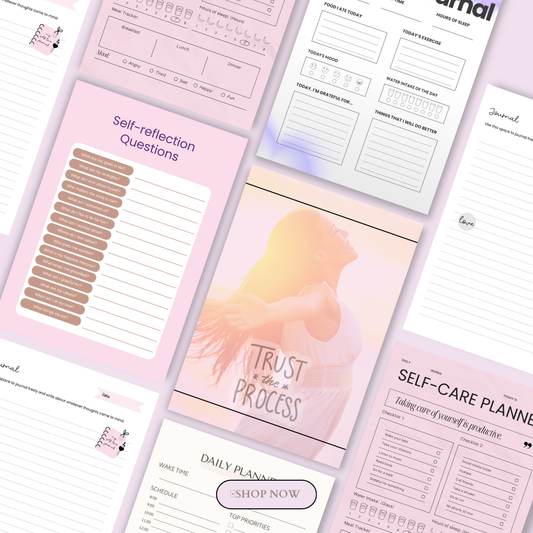
Calendars are typically sold yearly, while journals can be evergreen products that sell year-round. Self-reflection, mindfulness, and wellness journals are especially popular.
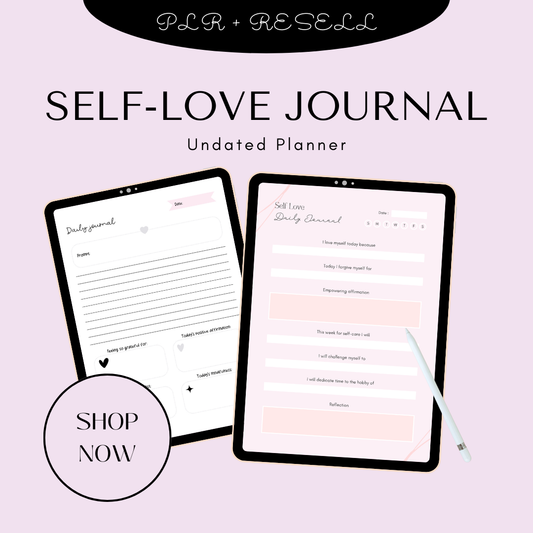
Examples include the
Self-Love Journal and the
Complete Self-Care Journal, both of which appeal to the growing personal development market.
18. Business Card Templates
Professional customization demand
Business card templates are a high-demand product for startups and professionals who want polished branding without hiring a designer. Minimalist designs perform particularly well. A strong example is the
Minimalist Trio Customizable Business Card Template Set.
19. Invitation Designs
Seasonal and event-based spikes
Invitation templates are highly seasonal and sell well for weddings, birthdays, baby showers, and business events. While sales fluctuate throughout the year, demand spikes during peak event seasons make this a lucrative niche.
20. Excel Budget Trackers
Personal finance and budgeting niche
Budget trackers help users manage expenses, savings, and financial goals. This niche remains evergreen because people are always looking for better money management tools. Products like the
Finance Budget Planner are especially appealing to beginners who want clarity and control over their finances.
These additional 10 digital product ideas expand your options even further—whether you want quick wins, evergreen income, or scalable PLR-based products that can grow into a full digital brand.
Platforms to Sell Digital Products
Choosing the right platform can make a huge difference in how well your digital products perform. Each platform serves a different type of seller and product, so understanding their strengths helps you launch faster and scale smarter.
Etsy: Best for Printables and Templates
Etsy is one of the most popular marketplaces for selling digital products, especially printables, planners, templates, and design assets. Buyers already visit Etsy looking for ready-to-use digital downloads, which makes it ideal for beginners who want built-in traffic.
Products like planners, social media templates, and plug-and-play marketing assets tend to perform extremely well. If you want inspiration on what sells best, this guide on
digital products to sell breaks down high-demand categories in detail.
Etsy works especially well when paired with done-for-you products, which reduce creation time and help you launch quickly. You can explore this approach further in this article on
done-for-you digital products.
Gumroad: Fast Setup and Creator-Friendly
Gumroad is ideal if you want to start selling quickly and with minimal setup. It’s especially popular among creators, educators, and solopreneurs who sell ebooks, courses, prompt packs, and downloadable resources.
There’s no need to manage complex storefronts or apps—just upload your product, set a price, and start selling. Gumroad is also a great platform for selling PLR-based products, which you can learn more about in this overview of
PLR digital products.
Shopify: Building a Branded Digital Product Store
Shopify is best for sellers who want to build a long-term brand and digital asset, rather than relying on third-party marketplaces. With Shopify, you own the customer relationship, control your branding, and can scale using email marketing, funnels, and paid ads.
Shopify works particularly well if you plan to sell multiple digital products or collections, such as social media and marketing assets. Collections like
Marketing Templates & Plug-and-Play Content are well suited for a Shopify-based store because they encourage bundling and repeat purchases.
If you want a broader overview of the digital product ecosystem, this guide on
digital products offers helpful context for choosing the right platform.
Pricing Strategy for Digital Products
Pricing your digital products correctly is essential for maximizing profit while staying competitive. The right price depends on the product type, perceived value, and how it’s packaged.
Typical Pricing Ranges ($5–$97+)
Most digital products fall into these common price brackets:
-
$5–$15 for simple printables, templates, and trackers
-
$17–$49 for planners, ebooks, and bundled resources
-
$97+ for premium products like courses, masterclasses, and high-value PLR bundles
These ranges are flexible and can increase significantly when products are positioned as complete solutions rather than single files.
How Perceived Value Affects Pricing
Perceived value plays a bigger role than the actual size or length of the product. Clear outcomes, professional design, and strong positioning allow you to charge more—even for simple digital products.
For example, done-for-you resources and editable templates often command higher prices because they save buyers time and effort. Understanding how digital buyers think is key, and this article on
digital products explains why problem-solving products consistently outperform generic ones.
Bundling and Upsell Strategies
Bundling is one of the most effective ways to increase average order value. Instead of selling one product at a time, you can combine related items into a bundle and price it higher than a single product—but lower than buying each item individually.
Upsells can include:
-
Template packs
-
Extended licenses
-
Bonus guides or checklists
-
Plug-and-play marketing content
Bundles and upsells work especially well on Shopify and Gumroad, where you control the buyer journey and can position your products as complete systems rather than standalone downloads.
By choosing the right platform and applying smart pricing strategies, digital products can become a highly scalable and predictable income stream—whether you’re selling simple templates or building a full digital product brand.
Marketing Digital Products for Passive Income
Creating a great digital product is only half the equation—marketing is what turns it into passive income. The good news is that digital products pair perfectly with evergreen marketing strategies that continue to drive sales long after the initial work is done.
Using Pinterest for Long-Term Traffic
Pinterest is one of the most powerful platforms for promoting digital products because it functions like a visual search engine, not a social feed. A single pin can drive traffic for months—or even years—making it ideal for passive income strategies.
Digital products related to blogging, mindset, aesthetics, and branding perform especially well. For example, visually appealing content bundles like the
Positivity Pop blog bundle are highly shareable and align perfectly with Pinterest’s discovery-based algorithm.
Email Lists and Lead Magnets
An email list gives you direct access to your audience, without relying on algorithms. Digital products are perfect lead magnets—checklists, mini planners, free templates, or short guides can be used to build your list.
Once subscribers are onboard, you can promote your paid products through automated email sequences. Seasonal campaigns and promotions work especially well when paired with ready-made email assets like the
Black Friday email templates, which help maximize conversions during peak sales periods.
Leveraging Trends with Google Trends
Google Trends allows you to spot rising demand before markets become saturated. By tracking keywords related to productivity, AI, wellness, and online income, you can validate ideas before creating products.
Understanding what a digital product is and why people buy them is essential for trend-based success. This beginner-friendly guide on
what is a digital product and this broader overview of
digital products provide valuable context for aligning trends with profitable offers.
Tools to Speed Up Digital Product Creation
One of the biggest advantages of digital products today is how fast they can be created—often in days instead of months.
Canva for Design-Based Products
Canva makes it easy to design planners, templates, worksheets, social media content, and printables—even with no design background. Its drag-and-drop system allows creators to launch professional-looking products quickly.
AI Tools for Writing and Ideation
AI tools help generate content ideas, outlines, prompts, captions, and even full drafts. This dramatically reduces creation time for ebooks, workbooks, prompt packs, and educational content. AI-powered workflows are becoming a major competitive advantage for digital sellers.
Using PLR as a Foundation
PLR (Private Label Rights) products allow you to start with pre-made content, customize it, and sell it as your own. This is one of the fastest paths to launching a digital product business.
If you want to avoid common pitfalls, this article on
mistakes to avoid when selling PLR digital products is essential reading. You can also explore high-performing options in this guide to
the best PLR digital products to resell for profit.
Common Mistakes to Avoid When Selling Digital Products
Even profitable ideas can fail if basic mistakes aren’t addressed early.
Choosing Low-Demand Niches
Creating products without validating demand often leads to poor sales. Research trends, keywords, and existing bestsellers before committing time and effort.
Underpricing or Overpricing
Pricing too low can devalue your product, while pricing too high without clear positioning can reduce conversions. Successful sellers price based on outcomes and transformation, not just file size.
Poor Product Presentation
Low-quality visuals, unclear descriptions, and weak branding can hurt even great products. Clear benefits, professional design, and strong copy are non-negotiable in competitive markets.
Related Guides & Further Reading
If you want to dive deeper, these resources provide additional insight and market validation:
You may also find these internal guides helpful:
-
Best platforms to sell digital products (Gumroad vs Etsy)
-
How to market digital products for passive income
-
Online courses vs Notion templates: which is more profitable
-
Common mistakes when selling digital products online
Conclusion
Digital products remain one of the most accessible and scalable online income opportunities available today. With high profit margins, low startup costs, and endless niche possibilities, they offer a powerful way to build long-term income—whether as a side hustle or a full-time business.
You don’t need to create everything at once. Start with one product, one platform, and one clear audience. As you gain confidence, you can expand into bundles, PLR-based products, memberships, or even full digital brands.
Your next step is simple: choose one idea from this guide, validate demand, and take action. The digital product economy rewards speed, clarity, and consistency—and there’s never been a better time to start.
Frequently Asked Questions (FAQs)
1. What is the best digital product to sell for beginners?
For beginners, the best digital products are printables, planners, templates, and simple ebooks. These products are easy to create, require minimal technical skills, and have strong demand on platforms like Etsy and Gumroad. Many beginners also start with PLR digital products, which allow you to rebrand and sell ready-made content instead of creating everything from scratch.
2. How much money can you realistically make selling digital products?
Income varies depending on niche, pricing, and marketing, but many creators earn $100–$1,000 per month with a single well-positioned product. Sellers who expand into bundles, courses, or memberships often scale to $3,000–$10,000+ per month over time. Because digital products have low overhead, most of this income is profit.
3. Do I need a website to sell digital products?
No, you don’t need a website to get started. You can sell digital products on marketplaces like Etsy or Gumroad without owning a website. However, if you want full control over branding, pricing, and customer data, building a Shopify store can be a smart long-term move.
4. Are PLR digital products legal to sell?
Yes—PLR (Private Label Rights) digital products are legal to sell, as long as you follow the license terms. Most PLR allows you to edit, rebrand, and resell the product as your own. Always read the license carefully to understand usage rights, resale limits, and whether attribution is required.
5. How long does it take to create and launch a digital product?
It depends on the product type. Simple products like printables or templates can be created and launched in a few hours to a few days. More advanced products like courses or memberships may take a few weeks. Using tools like Canva, AI writing tools, or PLR content can significantly speed up the process.
🎬 Want a visual walkthrough?
If you’d rather watch than read, here’s the full explainer video covering everything in this guide: