



1. Introduction: Why Teachers Are Turning to Digital Products
The education world is rapidly shifting toward digital income streams, and teachers are at the center of this transformation. With increasing workloads, limited classroom time, and rising demand for high-quality learning materials, many educators are now exploring ways to turn their teaching expertise into scalable online income.
🎥 Prefer watching instead of reading?
Watch the full step-by-step explainer video below.
One of the biggest drivers of this trend is the growing demand for ready-to-use, time-saving educational resources. Teachers across the United States and Australia are actively searching for lesson plans, worksheets, and classroom tools that reduce preparation time while improving student engagement. Instead of building everything from scratch, educators can now purchase or download high-quality resources instantly and adapt them to their classrooms.
This is where digital products become a powerful opportunity. Unlike traditional teaching materials, digital products can be created once and sold repeatedly, allowing teachers to earn income without adding extra classroom hours or workload. Whether it’s a printable worksheet, a full curriculum pack, or an online course, these assets can generate long-term, scalable income.
Popular marketplaces such as Teachers Pay Teachers and Etsy have made it easier than ever for educators to reach a global audience of buyers looking for quality educational content. Many teachers are now building full-time or part-time income streams by selling their resources online.
For educators looking to expand beyond traditional teaching income, platforms like
👉 digital masterclasses and training bundles
and
👉 AI prompt packs for creators and educators
show how digital products are evolving far beyond simple worksheets into powerful online assets.
2. What Are Digital Products for Teachers?
Digital products for teachers are downloadable or online educational resources that can be sold, shared, or reused without the need for physical printing or shipping. These products are designed to support teaching, learning, and classroom management in a flexible, scalable format.
Unlike physical teaching materials such as textbooks, printed handouts, or classroom supplies, digital products exist in instant-access formats that can be downloaded and used immediately. This makes them highly attractive to teachers in both the USA and Australia, where time-saving solutions are in constant demand.
Some of the most common formats of teacher digital products include:
-
PDFs: Printable worksheets, lesson plans, activity packs, and study guides
-
Google Slides: Editable presentations, interactive lessons, and classroom activities
-
Printable Worksheets: Practice sheets, revision tasks, and student exercises
-
Online Courses: Structured learning programs for students, teachers, or parents
-
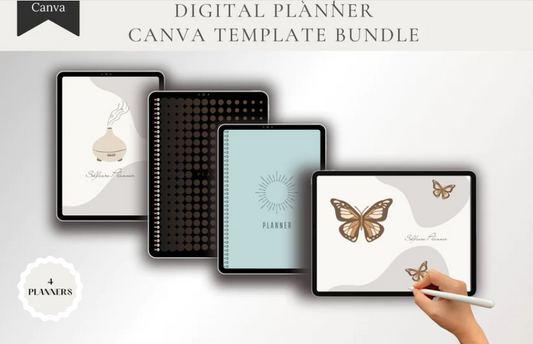
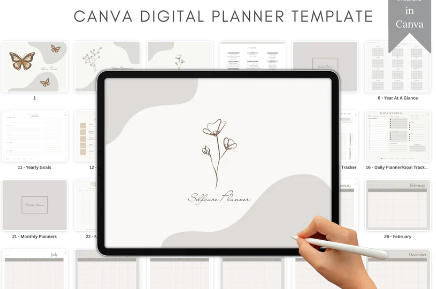
Interactive Templates: Digital notebooks, planners, and customizable classroom tools
Many educators also combine these formats into bundled products, increasing their value and appeal on marketplaces like Etsy and Teachers Pay Teachers.
For example, resources such as a structured
👉 kids reading journal
or a full collection of
👉 digital download systems and printable assets
show how simple teaching ideas can be transformed into profitable digital products.
Similarly, tools like
👉 planner-based teaching systems
are widely used by teachers to organize lessons, track progress, and improve classroom efficiency.
For educators looking for inspiration, this guide on
👉 20 high-demand digital products to sell right now
provides a deeper look into what is currently working in the global digital education market.
3. Most Profitable Digital Products Teachers Can Sell
Teachers today are no longer limited to physical classrooms—many in the USA and Australia are building strong online income streams by turning their expertise into high-demand digital products. These resources are especially popular on platforms like Etsy and Teachers Pay Teachers because they are ready-to-use, time-saving, and easy to customize for different grade levels.
Below are the most profitable digital product categories teachers can create and sell online.
3.1 Lesson Plans and Curriculum Packs
Lesson planning is one of the most time-consuming parts of teaching, which is why it’s also one of the most profitable digital products to sell.
You can create:
-
Single lesson plans (grade or subject-specific)
-
Full units or semester-long curriculum bundles
-
Standards-aligned resources (Common Core, IB, Cambridge, Australian Curriculum)
These products are in high demand because teachers want plug-and-play classroom solutions.
For inspiration on creating scalable digital assets, see how creators are using
👉 AI-powered tools to build digital products faster
3.2 Worksheets, Printables, and Activity Packs
Printable learning materials remain one of the most evergreen teacher products.
Popular examples include:
-
Math, reading, and grammar practice worksheets
-
Seasonal and holiday activity packs
-
Project-based learning tasks and group activities
These are especially popular in primary education markets in both the US and Australia.
You can explore more ideas here:
👉 easy digital products teachers can create and sell online
3.3 Classroom Posters and Decor
Visually engaging classroom environments are a major trend in modern education.
High-selling products include:
-
Alphabet, number, and phonics posters
-
Growth mindset and classroom rules charts
-
Bulletin board kits and themed classroom decor
Many teachers also combine decor bundles with printable systems like
👉 plan and classroom organization resources
3.4 Flashcards, Quizzes, and Assessment Tools
Assessment-based tools are essential for both learning and revision.
You can sell:
-
Printable flashcards for vocabulary and math facts
-
Digital quizzes using Google Forms, Kahoot, or Quizlet
-
Exit tickets and formative assessment packs
Teachers also use AI-supported design systems like
👉 AI image collections for educational visuals
to create more engaging classroom materials.
3.5 Workbooks and Study Guides
Workbooks are high-value digital products because they combine structure and depth.
Examples include:
-
Exam preparation guides (SAT, IELTS, board exams)
-
Subject-specific workbooks (science, math, writing)
-
Skill development guides (study habits, note-taking, time management)
A great example of a structured educational resource is a
👉 kids reading journal designed for learning development
3.6 Online Courses and Mini Courses
Teachers can scale their knowledge globally by turning lessons into structured online courses.
You can create:
-
Student-focused academic courses
-
Teacher training (classroom tools, Canva, AI in education)
-
Parent support courses for at-home learning
Courses are especially powerful for recurring income and authority building.
3.7 Membership Sites and Resource Libraries
Instead of one-time sales, teachers can build recurring income models through memberships.
These may include:
-
Monthly lesson packs and printable bundles
-
Exclusive teaching resource libraries
-
Community-based learning groups or Q&A sessions
Many creators combine memberships with structured content systems like
👉 digital product frameworks and templates
3.8 Interactive Presentations and Templates
Interactive content is becoming essential in modern classrooms.
Popular formats include:
-
Google Slides and PowerPoint lesson presentations
-
Student project templates and assignments
-
Digital notebooks and hyperlinked learning systems
These are highly popular for blended and remote learning environments.
3.9 Digital Planners and Organizers
Teachers rely heavily on organization tools, making planners a strong-selling niche.
You can create:
-
Lesson planners and weekly schedules
-
Gradebooks and attendance trackers
-
Parent communication logs
Highly optimized planner systems can be found in collections like
👉 daily planners designed for creators and educators
3.10 Educational eBooks and Guides
Short educational eBooks are powerful digital assets for teachers.
Examples:
-
Classroom management guides
-
Teaching strategy handbooks
-
Subject-specific methodology guides
Many educators repurpose content using
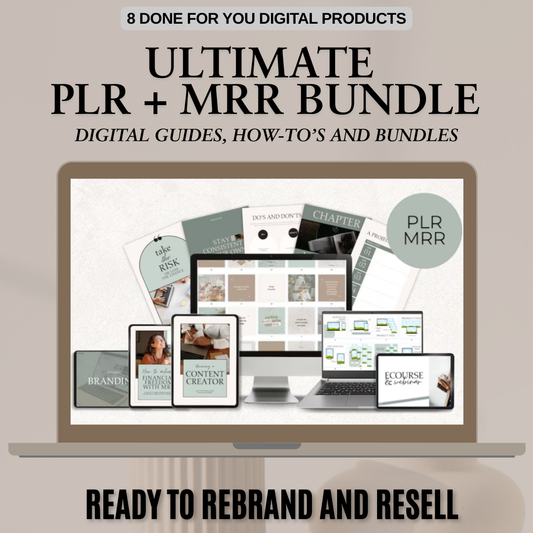
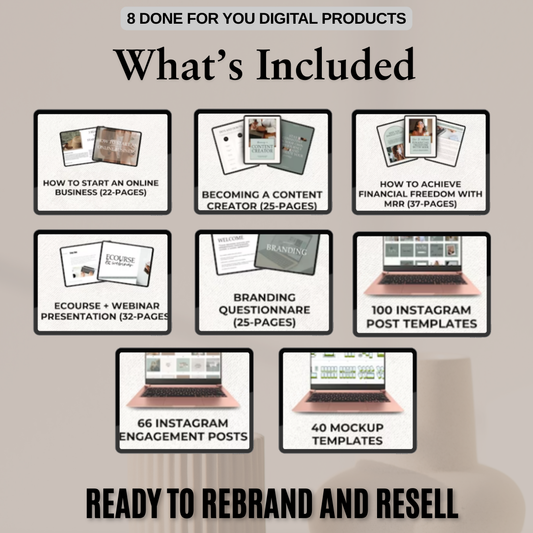
👉 PLR digital product systems
to speed up creation and publishing.
3.11 Language Learning Resources
Language learning is a global market, especially strong in the USA and Australia ESL communities.
You can sell:
-
Vocabulary builders and flashcard packs
-
Grammar worksheets and exercises
-
Speaking prompts and conversation guides
For inspiration, explore structured product ideas like
👉 word-based educational systems and resources
3.12 STEM and Science Experiment Kits (Digital)
STEM education is one of the fastest-growing niches in digital learning.
Products include:
-
Step-by-step experiment guides
-
STEM challenge packs
-
Coding and robotics project blueprints
These digital kits often include instructions, worksheets, and material lists.
3.13 Virtual Field Trip Guides
Virtual learning remains highly popular in modern classrooms.
You can create:
-
Museum and historical site virtual tours
-
Geography and science exploration packs
-
Worksheets, quizzes, and reflection activities
Even creative travel-based learning tools like
👉 kids travel journal learning packs
fit perfectly into this category.
3.14 Tutoring Packages (Productized Digital Offers)
Tutoring is no longer just a service—it can be packaged as a digital product.
Examples include:
-
Exam preparation bundles with worksheets + video lessons
-
Structured learning programs for struggling students
-
Hybrid packages combining digital content + live sessions
Teachers often combine these with structured learning tools such as
👉 music and learning packs for kids

4. Where Teachers Can Sell Digital Products Online
Once digital products are created, the next step is choosing the right platform. Teachers in the USA and Australia typically use a mix of niche marketplaces and general digital product platforms.
4.1 Teachers Pay Teachers (TpT)
-
The largest marketplace for teacher-created resources
-
Ideal for lesson plans, worksheets, assessments, and classroom tools
-
Highly targeted audience of educators
4.2 Etsy
-
Best for printables, posters, planners, and decor
-
Large global audience beyond just teachers
-
Strong for visually appealing educational products
4.3 Other Platforms
Teachers also expand beyond marketplaces for higher profit margins:
-
Gumroad (simple digital product selling)
-
Teachable / Kajabi (online courses and memberships)
-
Educents and Teacher Lingo (education-focused platforms)
For beginners, exploring structured entry points like
👉 digital product guides and strategies
can make the selling process much easier and more profitable.
5. How to Market Digital Products as a Teacher
Creating high-quality digital products is only half the journey—the real success comes from effective marketing strategies that bring consistent traffic and sales, especially in competitive markets like the USA and Australia. Teachers who succeed online usually combine organic content marketing, email systems, and platform-based selling strategies.
Use Free Lead Magnets (Free Worksheets & Mini Packs)
One of the most powerful ways to grow your audience is by offering free educational resources in exchange for email sign-ups. These can be:
-
Free worksheets or mini lesson packs
-
Sample classroom activities
-
Short revision guides
This strategy builds trust while attracting teachers and parents who are already interested in your paid products. For beginners, this aligns perfectly with the strategies used in
👉 digital products for passive income beginners
Build Email Lists for Long-Term Sales
Email marketing remains one of the highest-converting strategies for digital product sellers. Once a teacher downloads your free resource, you can:
-
Send new product updates
-
Offer bundled discounts
-
Promote seasonal teaching packs
This turns one-time visitors into long-term customers, especially when combined with structured content systems like
👉 AI prompts to create and sell digital products faster
Promote via Pinterest, YouTube, and Instagram
Visual platforms are extremely powerful for teacher digital products.
-
Pinterest: Drives evergreen traffic to printables and lesson plans
-
YouTube: Great for teaching demos and classroom resource walkthroughs
-
Instagram: Builds brand authority through reels and educational content
Many successful sellers also expand across multiple platforms listed in this breakdown of
👉 platforms for teachers to sell digital resources
Drive Traffic to Etsy, TpT, or Your Own Website
Most teachers start on marketplaces, but long-term growth comes from controlling your own traffic funnel.
Popular options include:
-
Etsy (best for printables and classroom decor)
-
Teachers Pay Teachers (best for lesson plans and curriculum packs)
-
Personal websites (highest profit margins)
Research shows that creators often combine multiple platforms for maximum reach, as highlighted in
👉 places to sell teaching materials online
Bundle Products for Higher-Value Sales
Instead of selling single items, bundling increases your revenue significantly.
Examples include:
-
Lesson plan bundles + worksheets + quizzes
-
Seasonal classroom packs (Eid, Christmas, back-to-school)
-
Complete student learning systems
Bundling is especially powerful for products like:
6. Why Digital Products Work So Well for Teachers
Digital products are one of the most powerful income opportunities for educators in 2026, especially in the USA and Australia where demand for high-quality learning materials continues to grow.
Passive Income Potential
Once created, digital products can be sold repeatedly without additional work. This creates scalable, semi-passive income streams that continue generating revenue even outside teaching hours.
Learn how beginners are building this model here:
👉 digital products for passive income strategies
Reusability of Teaching Expertise
Teachers already create lesson plans, worksheets, and classroom systems daily. Digital products simply convert existing work into monetizable assets.
Even tools like structured planners and teaching systems such as
👉 student planners and organization guides
show how reusable teaching systems can become valuable digital products.
Global Demand for Education Resources
Education is a universal need. Teachers in different countries are constantly searching for:
-
Ready-made lesson plans
-
Printable worksheets
-
Classroom management tools
This global demand is why platforms like Etsy and Teachers Pay Teachers are thriving worldwide.
Flexibility and Scalability
Unlike traditional teaching jobs, digital products allow:
-
Unlimited sales without additional effort
-
Flexible working hours
-
Scaling into courses, memberships, or PLR-based businesses
Many creators also expand using
👉 PLR digital product systems
to speed up content creation and scale faster.
7. Conclusion
Teachers today are in a unique position to turn their knowledge, creativity, and classroom experience into profitable digital products with global reach. From lesson plans and worksheets to online courses and printable classroom resources, the opportunities are extensive and still growing rapidly in both the USA and Australia.
The best way to start is simple:
-
Begin with basic products like worksheets or lesson plans
-
Gradually expand into bundles, planners, and digital courses
-
Use platforms like Etsy or Teachers Pay Teachers to validate demand
As explored in this guide on
👉 low-competition digital products to sell in 2026,
even small, well-designed teacher resources can turn into consistent income streams.
Many successful creators also scale faster by using systems like
👉 how to legally resell PLR products step-by-step
to expand their product catalog without starting from scratch.
Final Motivational Insight
Your teaching experience is already a powerful asset. By transforming it into digital products, you are not just selling files—you are building a long-term digital income system that grows with every resource you create.
Frequently Asked Questions (FAQs)
1. What are the best digital products for teachers to start selling?
The easiest and most profitable digital products for beginners include lesson plans, worksheets, printable activity packs, and classroom posters. These are always in demand on platforms like Etsy and Teachers Pay Teachers because they save educators time and are easy to customize for different grade levels.
2. Do teachers need technical skills to create digital products?
No, you don’t need advanced technical skills. Most teacher digital products can be created using simple tools like Canva, Google Docs, or PowerPoint. Many successful sellers start with basic templates and gradually improve their design skills as they grow.
3. Where can teachers sell their digital products online?
Teachers commonly sell on platforms such as Teachers Pay Teachers, Etsy, Gumroad, and personal websites. Each platform serves a slightly different audience, but Etsy and TpT are the most popular starting points for teacher-created resources.
4. How much money can teachers make selling digital products?
Income varies widely depending on product quality, niche, and marketing. Some teachers earn a few hundred dollars per month as side income, while others build full-time businesses earning thousands monthly through bundles, courses, and memberships.
5. Can digital products become passive income for teachers?
Yes. Once created and uploaded, digital products can be sold repeatedly without additional effort. With proper marketing—such as email lists, Pinterest traffic, and bundled offers—teachers can build long-term passive income streams that grow over time.
🎬 Want a visual walkthrough?
If you’d rather watch than read, here’s the full explainer video covering everything in this guide: