



1. Introduction
Managing school life as a student can feel like spinning plates. Between classes, assignments, exams, and extracurricular activities, it’s easy to feel overwhelmed and constantly behind. Disorganization doesn’t just slow you down—it can increase stress, lower focus, and even lead to burnout.
🎥 Prefer watching instead of reading?
Watch the full step-by-step explainer video below.
This is where planners for students become game-changers. By providing structure, helping you prioritize tasks, and offering a clear visual overview of your academic life, planners reduce anxiety and make staying on top of deadlines much more manageable. Whether you prefer a traditional paper planner or a digital tool, the right planner can transform chaos into calm while improving your academic performance.
In this guide, we’ll explore why students get overwhelmed, how planners reduce stress, research-backed benefits, and links to some of the best productivity and student planners. If you’re looking for inspiration, you can also check out a collection of planners designed for students and explore digital planner bundles for ultimate organization.
2. Why Students Feel Overwhelmed (And How Planners Solve It)
2.1 The Mental Load of Academic Life
Students today juggle multiple responsibilities every week. Between daily classes, homework, long-term projects, and extracurriculars, it’s common for tasks to pile up mentally, even if they aren’t written down anywhere. Unfinished assignments can linger in your mind, creating anxiety that makes it difficult to focus on what’s in front of you.
Psychologists call this the Zeigarnik effect—the phenomenon where unfinished tasks occupy mental space until they’re completed. This mental clutter can reduce productivity and increase stress, making it harder to retain information and stay motivated.
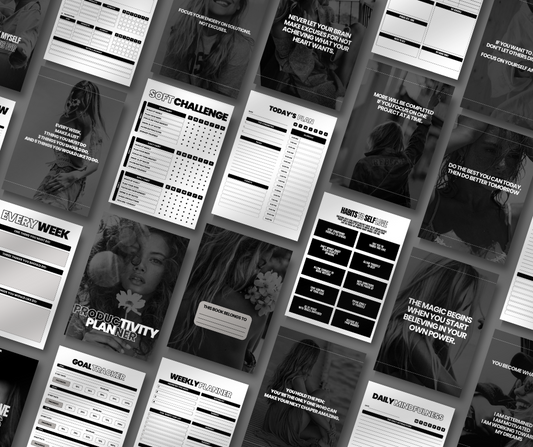
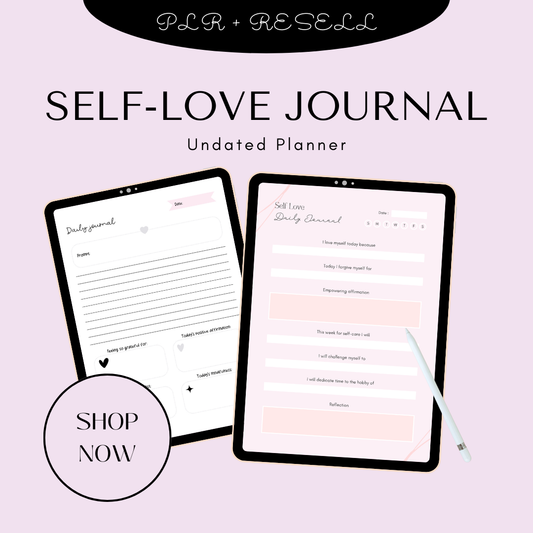
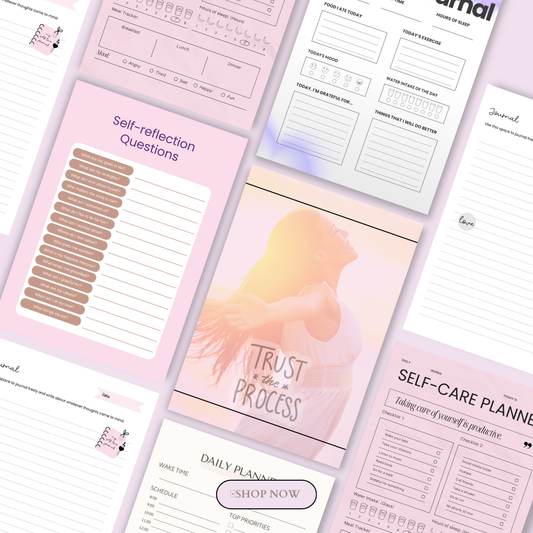
Using a student planner—like a self-love journal for students that includes daily task tracking—can offload these unfinished tasks from your mind. By writing things down and structuring your day, your brain frees up space to focus on learning rather than worrying.
2.2 How Planners Reduce Stress
Planners are more than calendars; they’re stress-reduction tools. Here’s how they help:
-
Visual overview of workload: Seeing all your classes, assignments, and deadlines in one place prevents surprises and last-minute cramming.
-
Preventing procrastination: Planning tasks ahead reduces the pressure of looming deadlines.
-
Mental offloading: Writing tasks down gives your brain a “safe storage space,” reducing anxiety about forgetting something.
-
Creating structure and routine: Establishing consistent study habits improves focus and productivity.
-
Supporting time management: Prioritizing tasks ensures students balance schoolwork with rest, hobbies, and extracurriculars.
If you want a simple way to start, tools like a finance and budget planner or a productivity planner can help you integrate academic planning into everyday life without stress.
2.3 Research & Statistics
Evidence shows planners really work. Studies reveal:
-
70% of adults using digital planners report better focus, control, and reduced anxiety.
-
28% of paper planner users experience similar benefits, showing the effectiveness of tangible planners for mental clarity.
These benefits translate directly to student life. With the right planner, students can:
-
Balance schoolwork and extracurriculars without burnout
-
Build self-discipline and consistency
-
Improve retention and focus during study sessions
Whether you prefer digital options like Canva-inspired planners and templates (Canva digital products that sell like crazy) or physical planners like the Self-Love Journal, integrating structured planning into your routine is key to achieving stress-free productivity.
✅ Next Steps: Start by exploring some student-friendly planners or even printable templates that fit your style, then set aside a few minutes each week to plan your schedule. The consistency will quickly reduce mental clutter and boost confidence.
3. What Makes a Student Planner Effective?
Not all planners are created equal. For students, an effective planner goes beyond a blank calendar—it’s a tool designed to streamline academic life while keeping stress low. Here’s what sets a great student planner apart:
-
Calendar Views (Weekly/Monthly): A clear overview of your schedule helps you balance classes, homework, and extracurriculars without last-minute panic.
-
To-Do Lists: Daily or weekly task lists break down big assignments into manageable steps, boosting productivity.
-
Goal Trackers: Tracking both short-term and long-term academic goals motivates consistency and focus. Tools like the Quantum Manifestation Planner combine planning with goal-setting to create momentum.
-
Exam/Project Tracking: Keeping deadlines and exam dates in one place reduces the chance of missing important milestones.
-
Designed for Academic Schedules: The best planners align with semesters, class rotations, and study periods, not generic 12-month layouts.
-
Customization Options: Color-coding, stickers, and personal notes make planning fun and tailored to your learning style. Check out the Self-Love Journal for examples of highly customizable layouts.
-
Simplicity vs. Complexity Balance: Overly complex planners can overwhelm, while too simple ones might not capture all tasks. Effective planners hit the sweet spot, providing structure without stress.
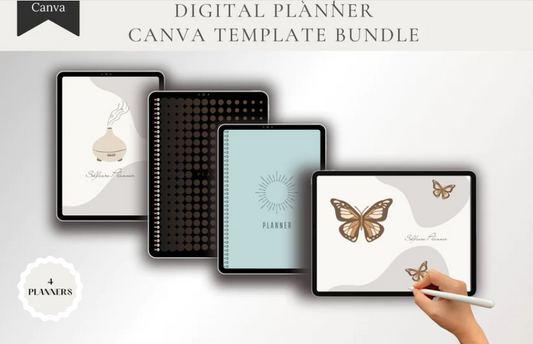
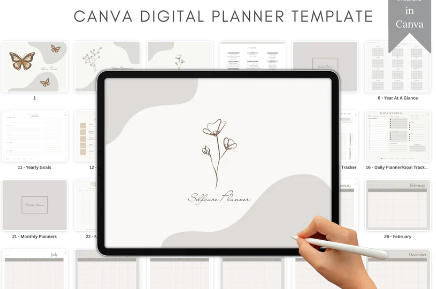
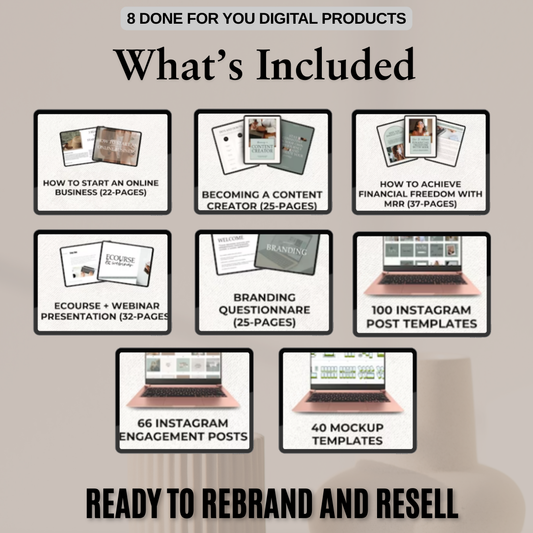
For students who love digital options, exploring best digital planners for iPad and Goodnotes users can offer flexibility and syncing across devices. Meanwhile, done-for-you digital products can provide ready-to-use templates for busy learners.
4. Top Physical Planners for Students (2026 Edition)
Choosing the right physical planner can transform your academic routine. Here are some of the top options for 2026:
4.1 Papier Daily Planner
-
Features: Customizable cover and layout, ample daily writing space
-
Best For: Students with flexible schedules who like a personal touch
-
Price Range: $30–$50
-
Why We Love It: Perfect for those who enjoy adding personal notes, colors, and doodles. Related reading: 50 Powerful Self-Love Journal Prompts for Healing and Growth
4.2 Erin Condren Good Days Academic Planner
-
Features: Project and exam trackers, stickers, journaling space, class logs
-
Best For: Comprehensive school planning
-
Price Range: $40–$60
-
Why We Love It: Great for students who want a structured yet creative planner for goal-setting. See also Best Goal Setting Planners for Manifestation & Personal Growth
4.3 Blue Sky Weekly/Monthly Planner
-
Features: Simple weekly/monthly layouts, budget-friendly
-
Best For: Beginners or students on a budget
-
Price Range: Under $15
-
Why We Love It: Practical for staying organized without feeling overwhelmed. Check our guide on Top Planners for 2025: Stay Organized for similar affordable options.
4.4 Lamare Academic Planner
-
Features: Durable, college-focused, high rating (9.5/10)
-
Best For: Long-term organization for students juggling multiple semesters
-
Price Range: $20–$30
-
Why We Love It: Built to last the full academic year while keeping classes, projects, and deadlines visible.
4.5 Passion Planner (Physical Version)
-
Features: Goal-setting system, habit trackers, holistic productivity approach
-
Best For: Students who want a complete personal growth and academic tracking system
-
Why We Love It: Combines study organization with self-development. For a digital alternative, explore Prosperity Journal or 30 Days to a Better You eBook for structured planning and reflection.
For students who are also side hustlers or entrepreneurs, best planners for entrepreneurs and side hustlers offer ideas to manage school alongside personal projects.
5. Best Digital Planners & Apps for Students
Digital planners have become increasingly popular among students because they sync across devices, provide reminders, and make it easier to manage assignments and deadlines from anywhere. Whether you prefer planning on a smartphone, tablet, or laptop, digital tools can help streamline academic life and reduce stress.
If you want a deeper overview of different planning systems, this guide on planners for better organization explains how structured planning improves productivity and time management.
5.1 My Study Life
-
Platforms: iOS, Android, Web
-
Features: Class schedules, exam tracking, homework organization
-
Rating: 4.7/5
-
Best For: Students who want structured academic tracking in one place
My Study Life is designed specifically for students. It allows users to schedule classes, track assignments, and organize exams with automatic reminders, making it easier to stay on top of academic deadlines.
5.2 myHomework
-
Platforms: Multi-platform (iOS, Android, Web)
-
Features: Assignment reminders, class schedules, cloud syncing
-
Rating: 4.5/5
-
Best For: Students who want simple and accessible planning tools
The myHomework app is ideal for students who want a straightforward digital planner with reminders and easy access across multiple devices.
5.3 Todoist
-
Platforms: Multi-platform
-
Features: Project organization, collaboration tools, priority levels
-
Rating: 4.8/5
-
Best For: Advanced task management and productivity
Todoist works well for students managing multiple projects or group assignments. Its collaboration features allow teams to track tasks together, making it useful for academic group work.
5.4 Passion Planner Digital Version
-
Platforms: Tablet apps such as GoodNotes
-
Features: Student templates, habit trackers, goal-setting pages
-
Best For: Students who prefer structured digital journaling and productivity planning
Digital versions of Passion Planner provide interactive planning pages that can be used on tablets, allowing students to combine traditional planning with modern technology.
Students who prefer tablet planning can explore the best digital planners for iPad and tablets in 2026 to find templates and tools optimized for stylus writing.
5.5 PlanWiz
-
Platforms: Digital planner templates and apps
-
Features: 50+ planning templates, homework planners, color-coding options
-
Best For: Students who want customizable digital layouts
PlanWiz offers a variety of templates that help students organize homework, exams, and study sessions while visually categorizing tasks using colors.
For students interested in ready-to-use systems, why done-for-you planners are a smart digital product explains how pre-designed templates simplify productivity and organization.

6. Digital vs Paper Planners: Which Is Better for Students?
Choosing between digital and paper planners depends largely on personal preference and learning style. Some students prefer the flexibility of apps, while others benefit from physically writing things down.
6.1 Benefits of Paper Planners
Paper planners remain a favorite among many students because they encourage focus and deeper engagement.
Advantages include:
-
Improved memory retention: Writing tasks by hand helps reinforce information and improves recall.
-
Fewer digital distractions: Without notifications or social media alerts, students can focus fully on planning.
-
Creative customization: Stickers, highlighters, and personal notes make planning enjoyable and motivating.
Many students also use planners as a form of reflection and journaling. Tools like the Wealth Mindset Journal or the Declutter Your Mind eBook can complement academic planning by helping students manage stress and develop better focus habits.
6.2 Benefits of Digital Planners
Digital planners provide flexibility and automation that traditional planners cannot.
Key advantages include:
-
Device syncing: Access your schedule from your phone, tablet, or laptop.
-
Automatic reminders: Alerts ensure you never miss an assignment or exam deadline.
-
Cloud backups: Your data is stored safely and can be restored anytime.
Students looking for structured productivity systems often combine digital planning tools with dedicated planners such as the Productivity Planner or the Goal Getter Planner for long-term goal tracking.
For more printable and downloadable options, explore top printable planners you can download today.
6.3 Hybrid Approach
Many students find the best solution is a hybrid planning system.
This method combines:
-
A paper planner for daily tasks and goal tracking
-
A digital calendar such as Google Calendar for reminders and scheduling
-
Cloud backups for exams and important deadlines
This approach offers the best of both worlds: the mental clarity of handwriting combined with the reliability of digital notifications.
Students trying to build better planning habits can also explore resources like the Productivity Planner guide or structured growth tools such as the New Year New Me Collection to stay motivated throughout the academic year.
7. How to Use a Planner Without Adding Stress
A planner should simplify your life—not make it more complicated. Many students abandon planners because they try to track too many things or expect perfection from their planning system. The key is to use your planner as a support tool for productivity and clarity, not another source of pressure.
If you’re new to planning systems, reading the ultimate guide to productivity planners for beginners can help you understand how to build simple and sustainable planning habits.
Below are practical methods students can use to stay organized without feeling overwhelmed.
7.1 Weekly Setup Routine
One of the easiest ways to stay organized is by setting up your planner at the beginning of each week.
Start by:
-
Scheduling your classes: Add lectures, labs, and study groups so you can visualize your academic schedule.
-
Blocking study times: Allocate specific hours for homework, revision, and projects.
-
Adding priorities: Identify the most important assignments or deadlines for the week.
This simple weekly planning ritual can reduce anxiety and help students stay ahead of deadlines. Many students combine this system with structured planners such as the Yoga Planner or other productivity tools found inside the Plan Prosper collection.
7.2 Time Blocking for Students
Time blocking is a powerful technique where you dedicate specific blocks of time to specific tasks.
For students, this might include:
-
Focused study sessions: 45–60 minutes of uninterrupted learning
-
Short breaks: 10–15 minutes to recharge between study blocks
-
Extracurricular activities: Sports, hobbies, or social time
Time blocking helps students maintain a balanced schedule instead of feeling overwhelmed by endless tasks. Many digital planners discussed in 10 best digital planners to organize your life in 2025 also include built-in time-blocking templates.
7.3 The 3–5 Task Rule
One of the biggest mistakes students make is writing long to-do lists that are impossible to finish.
Instead, try the 3–5 task rule:
-
Choose three to five essential tasks each day.
-
Focus on completing those tasks before adding new ones.
-
Treat extra tasks as optional bonuses.
This approach helps students maintain momentum without feeling overwhelmed. It also encourages prioritization, which is a core feature in many structured planners such as the Branding Planner or productivity systems designed for goal-focused planning.
7.4 Sunday Review System
A weekly review helps keep your planner accurate and useful.
Every Sunday, spend 10–15 minutes reviewing the week ahead:
-
Adjust deadlines if assignments change
-
Track progress on ongoing projects
-
Prepare your schedule for the upcoming week
This habit prevents surprises and ensures you stay on track academically. Students who enjoy reflection-based planning may also find value in journaling techniques discussed in manifestation planners: how to script, visualize, and track your dream life.
7.5 Keep It Simple
The best planners are simple and easy to maintain.
To avoid planner fatigue:
-
Write only essential tasks and deadlines
-
Avoid over-decorating every page
-
Focus on clarity rather than perfection
Many successful planners—from academic planners to business tools like the Your Start-Up Business Planner Workbook—follow the same principle: simplicity improves consistency.
8. Common Mistakes Students Make With Planners
Even the best planner won’t help if it’s used incorrectly. Here are some common mistakes students should avoid:
1. Overloading Daily Pages
Writing too many tasks can make your schedule feel impossible. Keep your list realistic.
2. Ignoring Weekly Reviews
Without reviewing your planner regularly, deadlines can easily slip through the cracks.
3. Using Too Many Apps or Systems
Switching between multiple apps, planners, and calendars can create confusion instead of clarity.
4. Perfectionism
Your planner doesn’t need to look perfect. It’s a tool for productivity—not an art project.
5. Inconsistent Usage
Skipping days or weeks reduces the effectiveness of your planner.
If you’re looking for structured systems designed for long-term productivity, guides like top planners for 2025: stay organized and best planners for entrepreneurs and side hustlers provide helpful examples of planning frameworks that work consistently.
9. Planner Customization & Accessories
Personalizing your planner can make it more enjoyable to use and easier to navigate.
Popular customization ideas include:
Stickers for Subjects
Use different stickers to mark classes, exams, or assignments. This makes important events stand out visually.
Color-Coding Systems
Assign colors to different subjects or priorities. For example:
-
Blue for science classes
-
Green for assignments
-
Red for exams or deadlines
Color coding improves visual organization and helps students scan their schedule quickly.
Tabs and Dividers
Tabs make it easier to jump between monthly, weekly, and goal-tracking sections in your planner.
Highlighters
Highlighting important tasks or deadlines ensures nothing gets overlooked.
Functional vs Aesthetic Balance
While decorating your planner can make it fun to use, functionality should always come first. The goal is organization and clarity, not creating a perfect-looking page.
Students who want planners designed specifically for productivity and creative planning can explore tools like the Pinterest Planner or other structured planning systems built for modern workflows.
10. Free Printable Planner Templates for Students
Free printable planner templates are one of the easiest ways for students to start organizing their schedules without spending money on expensive planning systems. These templates allow students to experiment with different layouts and discover what works best for their study habits and lifestyle.
If you’re exploring different types of planners, this guide on planners and how they improve organization explains the many ways structured planning can boost productivity and reduce stress.
Below are some of the most useful free planner templates for students.
Weekly Study Planner
A weekly study planner helps students map out classes, homework, and revision sessions in one place. Instead of focusing only on daily tasks, a weekly layout provides a bigger picture of the entire week.
Benefits include:
-
Seeing upcoming deadlines in advance
-
Allocating dedicated study time for each subject
-
Preventing last-minute cramming before exams
Many productivity experts recommend weekly planning as the foundation of academic success, as explained in this helpful article on how to stay organized in college.
Exam Tracker
An exam tracker template allows students to list all upcoming tests and preparation timelines.
Key sections usually include:
-
Exam date
-
Subject name
-
Study milestones
-
Revision sessions
This type of template is especially helpful during midterms and finals when multiple exams occur within a short period.
Assignment Deadline Sheet
A deadline tracker helps students stay on top of assignments, essays, and projects.
Typical sections include:
-
Assignment title
-
Due date
-
Priority level
-
Completion status
Writing deadlines down reduces mental clutter and supports better time management. Research also shows planners help students stay focused and reduce anxiety, as discussed in why planners are important for students.
Habit Tracker Page
Academic success is closely tied to consistent habits. A habit tracker template allows students to monitor daily routines such as:
-
Studying
-
Reading
-
Exercising
-
Sleep schedules
Students who combine study planning with personal development tools—like the Healthy Habits Blueprint eBook or the Health & Fitness Planner—often find it easier to maintain balanced routines throughout the semester.
How to Choose the Right Template
Not every template works for every student. The best planner template depends on your learning style and schedule.
When choosing a template, consider:
-
Your schedule complexity: Students with heavy course loads may prefer detailed planners.
-
Your planning style: Some students like simple checklists, while others prefer structured time blocks.
-
Your goals: If you want to track habits and productivity, choose planners that include goal-setting pages.
Students looking for a full system rather than individual pages can explore the Plan Prosper collection of planners, which includes tools designed for organization, productivity, and personal growth.
Planning systems can also become valuable digital products or side hustles. If you're interested in that angle, this guide on profiting from organization with planners to resell explains how planners can generate income as well as improve productivity.
11. Final Thoughts: Organization Without Pressure
At their core, planners are not about perfection—they’re about clarity and calm.
Students often feel overwhelmed because their schedules live only in their heads. Assignments, exams, extracurricular activities, and personal commitments compete for attention, creating mental clutter and stress.
A planner changes that.
Instead of trying to remember everything, students can write it down, organize it visually, and focus on one task at a time.
Experts consistently emphasize that organization is one of the strongest predictors of academic success. Reviews of top planning systems—like those featured in Forbes’ list of the best planners—highlight how structured planning improves productivity and reduces decision fatigue.
Popular systems such as the Erin Condren Good Days Academic Planner and the goal-oriented approach used by Passion Planner demonstrate how planners can combine scheduling, reflection, and goal setting.
But the most important rule is simple:
Your planner should work for you—not the other way around.
You don’t need perfect handwriting, elaborate stickers, or complex planning systems. What matters most is consistency.
Small habits make the biggest difference:
-
Planning your week for 10 minutes every Sunday
-
Writing down 3–5 key tasks each day
-
Reviewing upcoming deadlines regularly
These simple actions create structure and reduce anxiety, helping students stay organized without pressure.
For students who want to combine academic organization with personal well-being, tools like the Self-Care SOS Kit, the Ultimate January Detox Guide, or productivity systems such as the Complete Branding Planner and CEO Money Tracker can help create a balanced approach to both school and life.
In the end, the best planner is the one that fits your personality, your schedule, and your goals.
Start simple, stay consistent, and let your planner support you in building a calmer, more organized student life.
FAQ: Planners for Students
1. Why should students use a planner instead of just relying on phone reminders?
Planners provide a visual overview of your schedule, assignments, and deadlines, which phone reminders alone can’t. Writing or organizing tasks in a planner helps reduce mental clutter, improves focus, and prevents last-minute cramming, making it easier to manage school and extracurriculars. For students looking for physical options, check out the top planners for 2025.
2. What’s the difference between digital and paper planners for students?
Digital planners sync across devices, offer automatic reminders, and are highly customizable with templates and color-coding. Paper planners, on the other hand, improve memory retention, reduce digital distractions, and allow for creative personalization. Many students find a hybrid approach—combining paper and digital tools—works best. Explore the best digital planners for iPad and tablets for a tech-friendly solution.
3. How do I avoid feeling overwhelmed when using a planner?
To avoid stress, focus on simplicity:
-
Limit daily tasks to 3–5 key items
-
Schedule weekly reviews to track progress
-
Block study and break times
-
Only include essential information
For guidance on beginner-friendly systems, see the ultimate guide to productivity planners.
4. Can a planner help me balance school and personal growth?
Absolutely. Many planners now combine academic planning with personal development, goal setting, and habit tracking. For example, the Plan Prosper collection and the Self-Care SOS Kit help students integrate personal wellness and productivity in one system.
5. Are there free or printable planner templates available for students?
Yes! Free printable templates like weekly study planners, assignment trackers, exam schedules, and habit trackers are widely available online. These are perfect for students who want to start organizing without buying expensive planners. You can also explore ready-to-use digital and printable options in guides like profit from organization: top planners to resell.
🎬 Want a visual walkthrough?
If you’d rather watch than read, here’s the full explainer video covering everything in this guide: