



Introduction
Starting a business used to mean warehousing inventory, chasing shipping logistics, and tying up cash in stock that might not sell. Digital products flip that model. Once created, a template, guide, or toolkit can be sold an unlimited number of times with no restocking, no packaging, and no courier fees eating into your margin.
🎥 Prefer watching instead of reading?
Watch the full step-by-step explainer video below.
That's the real appeal behind digital products for small business owners: near-100% profit margins after platform fees, a "create once, sell forever" structure, and the ability to test an idea in days rather than months. Whether you're building a customer base in the US, the UK, or Australia, this guide is designed to be a practical starting point, not just theory.
If you want a broader orientation before diving into strategy, this breakdown of digital products is a useful place to start. From there, we'll walk through what digital products actually are, how to validate an idea before you build it, how to ship a focused first product, and how to avoid the mistakes that quietly sink most first attempts.
Section 1: What "Digital Products for Small Business" Actually Means
A digital product is any non-physical asset delivered online — PDFs, templates, spreadsheets, courses, presets, or downloadable toolkits. Instead of manufacturing something and shipping it, you build it once and deliver it instantly, over and over, to anyone who buys it.
For small business owners, this model solves several pain points at once:
-
No inventory or shipping. There's nothing to store, pack, or post, which means a much higher margin than physical products since ongoing costs are limited to hosting and payment processing.
-
Create once, sell forever. A single well-made product can keep generating sales for months or years with little additional work, making it one of the more scalable income streams available to a small business.
-
Fast to test and validate. You can go from idea to listed product in days, which means you find out quickly whether something sells instead of investing months before getting any real feedback.
It's worth being upfront about the trade-offs, too. The digital product space is competitive, income rarely appears overnight, and consistent marketing is what separates products that sell from ones that quietly sit unsold. For a wider sense of just how many categories exist right now — from planners to AI-generated assets — this mega guide to 100+ digital products you can sell online is a solid reference once you're ready to narrow down your options.

Section 2: The 6-Step Path to Getting Started
Step 1 — Pick a Niche and a Time-Saving or Money-Making Promise
The most successful digital products for small business owners typically answer one of three buyer questions:
-
How do I save time?
-
How do I make more money?
-
How do I reduce stress or uncertainty?
Products that clearly answer one of these tend to outsell vague, generic offerings, because the buyer immediately understands what they're getting and why it matters. Strong starting categories include:
-
Templates & toolkits — proposal templates, pricing calculators, onboarding documents, media kits
-
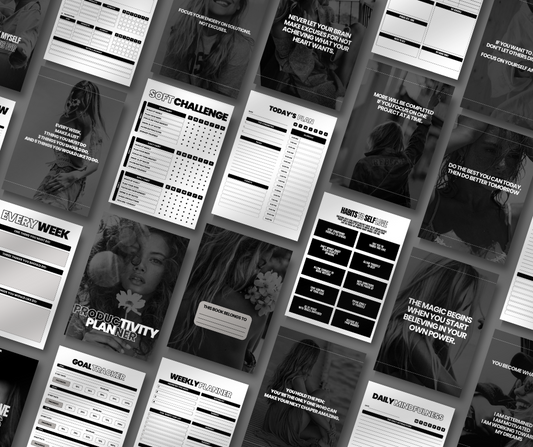
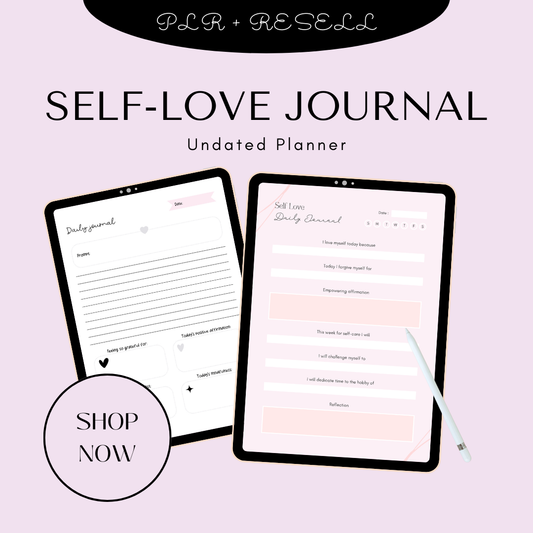
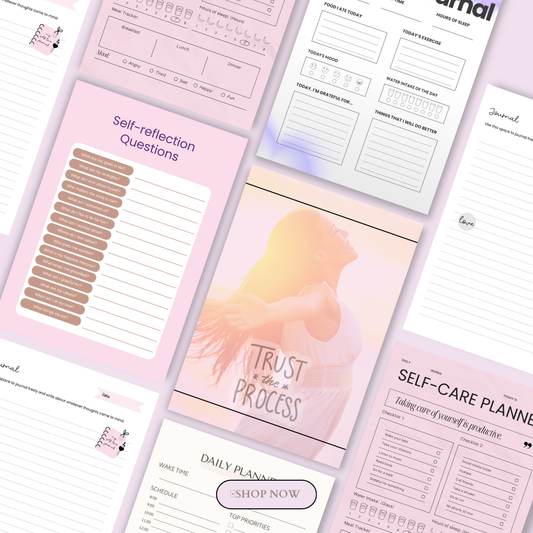
Printables & planners — client intake forms, budget sheets, business planners, content schedules
-
Guides & mini-courses — short paid guides, niche resource libraries, quickstart trainings
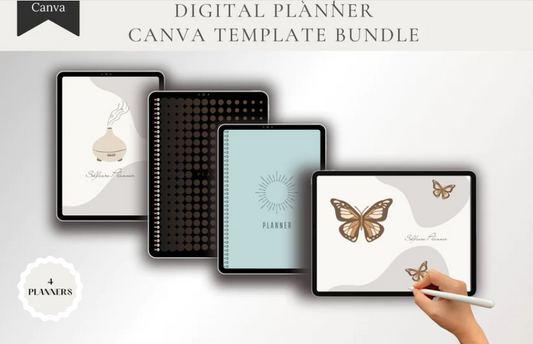
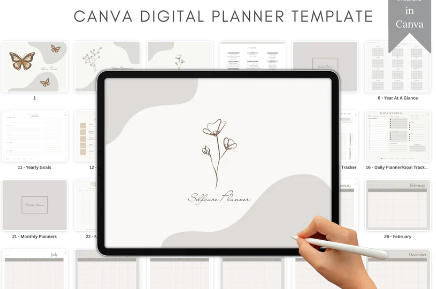
If you're not sure where to begin, the beginner-friendly entry point is almost always a simple PDF guide, checklist, or Canva template — low effort to produce, low risk to test. Planners in particular remain one of the most consistently in-demand categories; this roundup of planner-based digital products shows how varied that single format can be, and the Planner Collection is a good example of how a focused planner niche can be packaged professionally. Once you've got an idea in mind, it's also worth studying how established brands position a single offer; the Ultimate Branding Course with Master Resell Rights is a useful reference for that.
Step 2 — Validate Demand Before You Build
The single biggest mistake small business owners make with digital products is building first and asking questions later. Before you spend a weekend — or a month — creating something, validate that people actually want it:
-
Research existing marketplaces. Browse Etsy, Gumroad, and Creative Market bestsellers, and read the reviews — they tell you exactly what buyers love and what's missing.
-
Use keyword autocomplete. Type your idea into Google, Pinterest, or Etsy search and note what related terms come up.
-
Listen where your audience already talks. Reddit threads, Facebook groups, and Quora questions are full of people saying "I wish there was a template for X" — that's free market research.
-
Run a small pre-launch test. Offer a free checklist or lead magnet related to your idea and see whether people actually sign up or ask for more.
The rule of thumb is simple: if you can't find evidence that people are already asking for it, don't build it yet. For a deeper look at how validation fits into a broader marketing approach — useful if you're targeting audiences across the US, UK, and Australia simultaneously — this 2026 digital marketing strategy guide pairs well with your validation process.
Step 3 — Build a Small, Sharp First Product
Once you've validated demand, resist the urge to build something huge and "complete." Your first product should be small and sharp, not comprehensive:
-
Solve one clear problem — not five loosely related ones.
-
Keep the scope tight. Aim to ship in a weekend, not a quarter.
-
Make it genuinely usable. Include clear instructions and a visible outcome.
-
Add light protections. A license note, watermarked previews, and consistent branding all help.
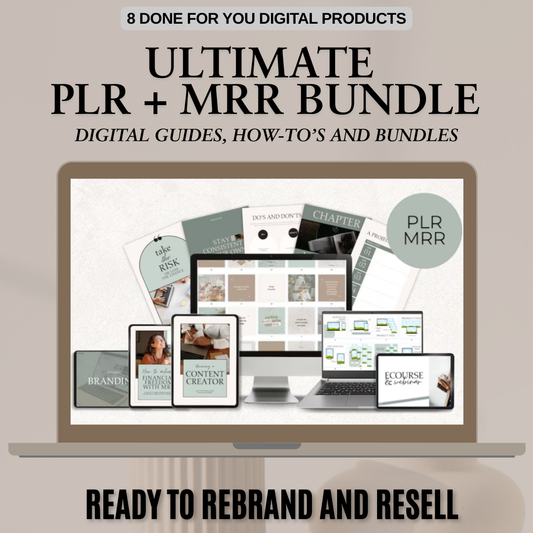
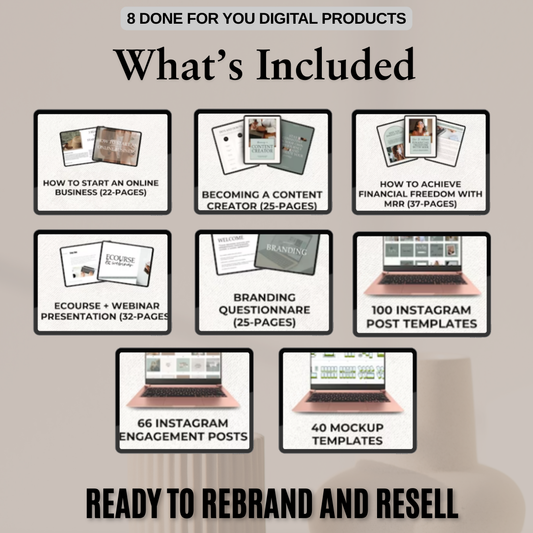
You don't have to start from a blank page, either. Done-for-you options — where the groundwork is already built and you customize the branding — have become a popular shortcut for small business owners short on time; this guide to done-for-you digital products explains how that model works, and PLR (private label rights) digital products offer a similar head start if you'd rather license existing content than build entirely from scratch. AI tools have also lowered the barrier significantly — this breakdown of 40 digital products you can create using ChatGPT or AI tools is worth a look if you want to speed up your first build. If your product leans visual, the Midjourney Mastery Guide Collection shows how AI-generated visuals can be packaged into a sellable bundle, and the AI Prompt Packs collection is a good benchmark for smaller, faster-to-build AI-assisted products. For a broader look at what a focused, well-presented first offer can resemble, browsing ResellReady's masterclasses is a useful benchmark even if your own first product is far simpler.
Step 4 — Choose the Right Platform
Where you sell matters as much as what you sell:
-
No audience yet? Marketplaces like Etsy, Creative Market, and Teachers Pay Teachers come with built-in buyer traffic already searching for products like yours.
-
Already have an audience? Lightweight platforms like Gumroad, Payhip, Stan Store, or Beacons let you sell directly through your existing social or email following with minimal setup.
-
Want full control? Your own storefront — Shopify, WooCommerce, or a dedicated platform — gives you branding control and direct customer data, but you're responsible for driving your own traffic.
A practical approach is to start with one primary channel and one supporting channel rather than spreading thin across five platforms at once. Digital downloads in particular do well on marketplaces with strong built-in search intent; this guide to digital downloads covers how buyer behavior differs across formats and platforms.
Step 5 — Price, Bundle, and Position for Conversions
Pricing digital products isn't cost-plus pricing — your production cost is close to zero, so price around value instead:
-
Beginner price range: simple templates, printables, and mini guides often start around 5–30.
-
Bundle to raise order value. A themed bundle — like a New Year, New Me collection — typically outsells a single standalone item because it solves a broader problem in one purchase.
-
Position by outcome, not feature count. "A 30-minute social starter pack for local service businesses" outperforms "50 Canva templates" every time.
-
Raise prices once you have social proof. Reviews and testimonials give you room to increase price and add upsells.
The words you use in your listing matter just as much as the product itself — a well-positioned title and description can outsell a better product with weak copy; the Words That Sell collection is built around exactly this idea.
Step 6 — Get Your First 10–100 Customers
-
Funnel approach: post niche tips on social platforms, offer a free lead magnet for email signups, and nurture that list.
-
Platform SEO: keyword-rich titles and tags, plus before/after previews, significantly improve discoverability.
-
Focused niche engagement: show up consistently where your specific audience already spends time.
-
Collaborations & affiliates: guest content, newsletter swaps, and simple affiliate commissions extend your reach without extra ad spend.
Realistic expectations matter here — early-stage digital product income is often modest before it compounds. For real, grounded examples of how this plays out over time, this piece on digital products for passive income, with real examples that work is worth reading before you set expectations for month one. And if you want a longer-term roadmap once your first product gains traction, How to Build a 6-Figure Digital Product Brand lays out what scaling actually looks like beyond the first sale.
Section 3: Beginner-Friendly Digital Product Ideas
|
Product Type |
Typical Price Range |
Time to Create |
Best-Fit Platform |
|
Printable planners & worksheets |
3–15 |
3–8 hours |
Etsy |
|
Notion templates/systems |
12–79 |
4–15 hours |
Gumroad, own site |
|
Canva social media template packs |
8–29 |
2–6 hours |
Etsy, Creative Market |
|
Resume/CV templates |
5–25 |
2–4 hours |
Etsy |
|
Spreadsheets & financial calculators |
15–99 |
5–25 hours |
Gumroad, own site |
|
Short paid guides / mini-courses |
29–97+ |
Varies |
Own site, Teachable, Thinkific |
Digital art has also become a strong entry point for creatives specifically — if that's closer to your skill set, this creator's guide to selling digital art online walks through positioning and platform choice for visual products specifically. And if your business is service-based and you want products that support your existing offer rather than replace it, this list of digital marketing products for small business owners is a closer match to your niche than the general lists above.
Section 4: Common Mistakes to Avoid
Even with a validated idea and a solid first product, a handful of avoidable mistakes account for most failed launches:
-
Generic, oversaturated product ideas. A plain "daily planner" with no niche angle competes against thousands of near-identical listings. Specificity — a planner for freelance photographers, or a template pack for local service businesses — is what makes a product findable and worth buying.
-
"Upload and forget." Listing a product once and walking away almost guarantees it stalls. SEO, ongoing promotion, and periodic updates to your listing all directly affect visibility and sales over time.
-
Quitting too early. Most digital product income builds gradually. Giving up after the first slow month is one of the most common — and most avoidable — reasons small businesses abandon a genuinely good idea before it has time to gain traction.
-
Overbuilding before validating. Spending weeks or months perfecting a product before confirming anyone wants it is a common trap, and it's the exact mistake Step 2 above is designed to prevent.
-
Weak presentation. If your title, preview images, and description don't communicate the outcome instantly, even a genuinely useful product will underperform. Buyers decide in seconds, not minutes.
Avoiding these five issues alone puts you ahead of a large share of first-time digital product sellers.
Section 5: Getting Started This Week (Action Plan)
You don't need a perfect plan to start — you need a realistic one. Here's a condensed, day-by-day version of Steps 1–6 above:
-
Day 1–2: Write down every question your customers or audience ask repeatedly. This is your raw material for Step 1.
-
Day 3: Validate your top idea using marketplace research, keyword autocomplete, or a quick poll (Step 2).
-
Day 4–5: Build a small, focused first version — a single template, checklist, or short guide (Step 3).
-
Day 6: Choose your platform and set pricing using outcome-based positioning, not feature counts (Steps 4–5).
-
Day 7: List the product and share it with your existing audience or a niche community (Step 6).
By the end of one week, you'll have a real, listed product and actual market feedback — which is worth more than months of planning in isolation.
Closing Thoughts
Digital products remain one of the most accessible ways for a small business to build a low-overhead, high-margin income stream. They're low-barrier to start, testable in days rather than months, and — done well — scale without demanding more of your time as sales grow. The hardest part isn't the technology or even the product itself; it's starting small, validating before you build, and being willing to iterate based on real buyer feedback.
If you're ready to skip the trial-and-error phase entirely, browse the full ResellReady store to see ready-to-sell templates, planners, masterclasses, and bundles you can customize and launch far faster than building from scratch — Shop All.
Further Reading & Sources
For readers who want to go deeper on specific parts of this process, these resources informed and complement the guidance above:
-
Thinkific's guide to creating and selling digital products — pricing, launch, and promotion strategy
-
Entrepedia on creating and selling digital products — foundational steps for first-time sellers
-
Side Hustles Guide to selling digital products — building a product ladder over time
-
Easy.tools on profitable digital products — beginner-friendly product categories
-
MyDesigns on digital products for small business — small-business-specific economics and product types
-
TrainerCentral's beginner's guide to selling digital products — niche selection, validation, and first-customer strategy
-
ResellReady's anti-algorithm growth guide — for building a brand that isn't dependent on any single platform's algorithm
-
ResellReady's Plan & Prosper collection — for planner and productivity-focused product inspiration
FAQ: Digital Products for Small Business
1. What's the best digital product to start with if I have no experience?
A simple PDF guide, checklist, or Canva template is the easiest starting point. These require no advanced tech skills, can be built in a few hours, and let you test whether an idea sells before investing time into something more complex like a course or membership.
2. How much money can a small business realistically make from digital products?
It varies widely depending on niche, pricing, and marketing effort. Many first-time sellers see modest results in the early months — often in the tens to low hundreds of dollars — before traction builds. With consistent promotion and iteration, a well-positioned product can grow into a meaningful secondary income stream over time. Results depend heavily on audience size and how well the product solves a specific problem.
3. Do I need a website to sell digital products?
No. Marketplaces like Etsy, Gumroad, and Creative Market let you sell without building your own site, which is often the fastest way to start if you don't already have an audience. A website or dedicated store becomes more valuable later, once you want full control over branding and customer data.
4. How do I protect my digital products from being shared or resold without permission?
Full prevention isn't realistic, but you can reduce casual sharing by watermarking preview images, including a license note on the first page of the product, and adding your branding throughout the file. Some platforms also offer built-in licensing and download-tracking features worth using.
5. How long does it take to create and launch a first digital product?
For a focused, simple product — a template, checklist, or short guide — most small business owners can go from idea to a listed, sellable product within about a week, assuming the idea has already been validated. Trying to build something more comprehensive before testing demand is the most common reason launches take far longer than necessary.
🎬 Want a visual walkthrough?
If you’d rather watch than read, here’s the full explainer video covering everything in this guide: