



1. Introduction
Your income as a photographer shouldn't stop the moment you put your camera down. Between shoots, edits, and client meetings, there's an entire income stream most photographers overlook: digital products for photographers to sell. Presets, templates, guides, and other downloadable assets let you package your skills once and sell them again and again — no shipping, no inventory, no extra hours behind the lens. If you're new to the concept, this complete beginner's guide to digital products is a great primer before diving in. In this guide, we'll walk through the best digital product categories for photographers, real digital products examples to inspire you, and exactly how to launch your first one.
🎥 Prefer watching instead of reading?
Watch the full step-by-step explainer video below.
2. What Counts as a Digital Product for Photographers?
A digital product is any downloadable or online-access asset that helps other photographers (or photo-adjacent creators) save time, sharpen their skills, or run their business more smoothly — without you having to deliver a 1:1 service every time you make a sale.
For photographers, that typically includes:
-
Lightroom presets and LUTs
-
Photoshop actions and editing templates
-
PDFs, workbooks, and checklists
-
Notion or Google Sheets templates (pricing calculators, shot lists, content calendars)
-
Contract and legal document templates
-
Social media template packs
-
Mini-courses and recorded workshops
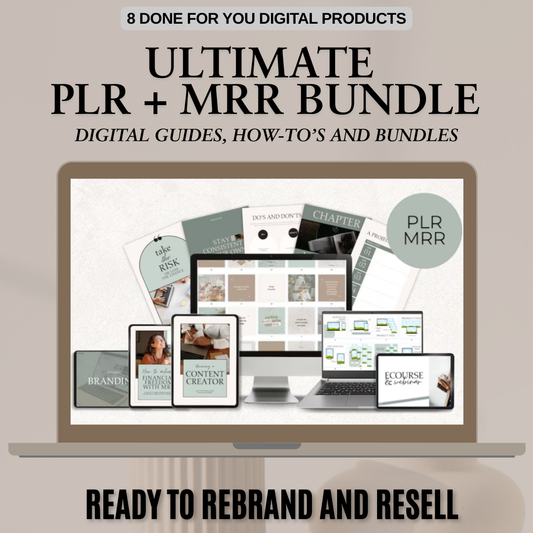
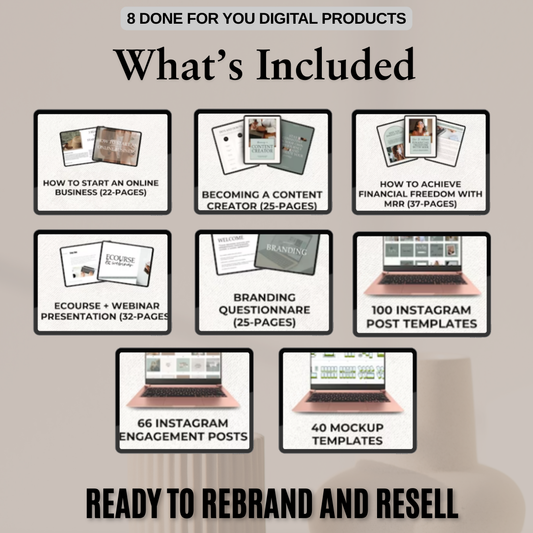
For a broader look at just how wide this category can go, this mega guide to 100 digital products you can sell online breaks down dozens of proven ideas across niches, many of which translate directly to photography. And if you'd rather skip the creation process altogether, done-for-you digital products and PLR (private label rights) digital products let you sell ready-made assets under your own brand from day one.
3. Why Sell Digital Products as a Photographer?
Selling digital products lets you turn your existing workflow and expertise into scalable, repeatable income — instead of trading hours for client shoots, you build something once and sell it indefinitely. That shift from active to passive (or at least recurring) revenue is one of the biggest advantages digital products offer over traditional photography services.
Other key benefits include:
-
Low overhead — no printing, shipping, or physical inventory to manage
-
Scalability — one product can sell to hundreds of buyers with zero extra production time
-
Authority building — a well-made preset pack or guide positions you as an expert in your niche, not just a service provider
-
Income diversification — protects you against slow booking seasons or shifts in client demand
A great example of this in action: a polished, niche-specific offering like the Champagne Lightroom Presets shows how a single, well-branded preset pack can function as a standalone revenue stream. Browsing a full Lightroom preset collection and this broader roundup of digital products is a useful way to see what's already working before you build your own.
4. Best Digital Products for Photographers to Sell
Presets & Look Packs (Lightroom, Capture One, LUTs)
These are one-click editing styles that apply your signature look to another photographer's images — genre-specific (portrait, wedding, real estate), environment-specific (golden hour, studio flash), or style-driven (moody, film emulation, minimalist). They're bought by photographers who want a consistent, professional aesthetic without hours of manual editing. A ready-made pack like the Amethyst Lightroom Presets, or a full Lightroom preset collection, shows how a tightly branded aesthetic becomes an easy sell. Positioning tip: always show realistic before/after edits, not just perfect studio shots.
Editing & Delivery Templates
These help photographers standardize their workflow and client experience — Photoshop actions, retouching panels, album/gallery layouts, and delivery folder systems. They're purchased by photographers who want to look consistently professional without rebuilding their process for every client. Because AI-assisted editing is now part of many workflows, browsing an AI image collection can spark ideas for templates that pair traditional editing with newer tools.
Educational PDFs, Guides & Workbooks
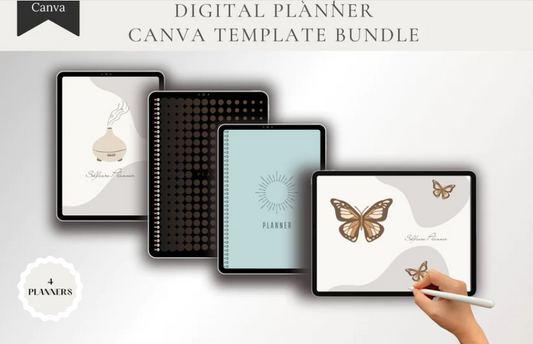
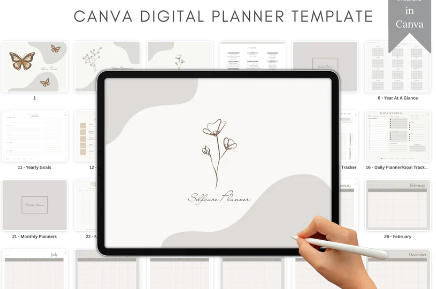
Technique guides, business guides, workflow checklists, and posing or shot-list PDFs are evergreen products that teach a specific skill or system. They appeal to newer photographers who want structured learning without a full course commitment. This category overlaps heavily with the broader planners market and self-love journal niche, and if you're building anything iPad- or tablet-friendly, this guide to best digital planners for iPad and GoodNotes users is worth studying for layout and formatting standards.

Business & Operations Templates
Contracts, pricing calculators, proposal templates, and planning docs help photographers run the business side, not just the creative side. Buyers are typically working photographers who want to look polished and avoid legal or pricing mistakes. A done-for-you funnel like the Naomi Mega Funnel illustrates how business templates can be fully branded and sold as instant downloads, and a curated plan and prosper collection is a solid reference point for structuring this category.
Social Media & Branding Templates
Instagram and Pinterest templates, portfolio layouts, and branding/mockup kits help photographers look professional online without design skills. These sell well to photographers actively marketing themselves. Collections like Reel Power Packs and Post Perfection demonstrate how templated content can be packaged for quick, repeatable use, while a resource like the Anti-Algorithm Growth Guide pairs templates with strategy for photographers who want more than just design assets.
AI & Prompt-Based Products (Emerging Niche)
Prompt packs, caption libraries, and AI-assisted content systems are a newer but fast-growing category, helping photographers turn shoots into case studies, captions, and marketing copy. If you're exploring this space, this breakdown of 40 digital products you can create using ChatGPT or AI tools is a strong starting point for structuring your own AI-driven offerings.
Bundles & Niche-Specific Suites
Rather than selling single items, bundling related products into a complete "system" increases perceived value and average order value. A preset pack plus a shot list plus a contract template, for example, becomes a full starter kit. Bundles like the Naomi Bundle and Luna Bundle show this approach in practice, and pairing a bundle with something like The Ultimate Branding Course with Master Resell Rights can turn a simple product suite into a complete, resellable business-in-a-box.
5. Digital Products Examples: Real-World Inspiration
Seeing real digital products examples makes the opportunity feel a lot less abstract. Across the photography space, a few patterns show up again and again in successful shops.
Niche-focused presets consistently outperform generic ones — a photographer building presets around one specific aesthetic or market (rather than "presets for everyone") tends to build a more loyal, higher-converting audience. Marketplaces built around premium presets and creative assets reinforce this: buyers are drawn to a clear point of view, not just a filter.
Bundling is another recurring theme. Instead of selling a single preset pack, successful sellers package presets with guides, templates, and planning tools into one cohesive offer — the same logic behind resources like this guide to digital products to sell.
Resell and PLR models are also gaining traction fast. Rather than building every asset from scratch, more sellers are sourcing high-quality, ready-made products and rebranding them — a strategy covered in detail in this step-by-step guide to the best PLR products to resell in 2026.
Finally, distribution matters as much as the product itself. Even a great preset pack or template won't sell without the right setup — which is exactly what this complete step-by-step guide to selling digital products online walks through.
6. Where to Find Inspiration & Validate Product Ideas
Before building anything, spend time studying what's already selling. Look at established marketplaces, creator shops, and niche roundups to see which formats and price points perform best. A working photography shop like Chasing Perspectives is a useful case study, as is a high-volume Etsy shop such as DigitalClipArtNest, which shows how digital assets scale on a marketplace built for downloads.
It's also worth reviewing broader creator tool trends — resources like this roundup of Canva digital products that sell like crazy or this overview of digital downloads highlight pricing patterns and positioning language you can borrow from. If you're validating a preset-specific idea, it also helps to understand the tools your buyers already use — sites like ExpertPhotography's best digital camera picks, PCMag's digital camera guide, and this digital photography software roundup give useful context on your audience's gear and editing habits. Watch for oversaturated niches, vague product descriptions, and pricing that doesn't match perceived value — these are the gaps you can fill.
7. How to Choose & Launch Your First Digital Product
The easiest place to start is with what you already do. Turn your existing editing workflow into a preset pack. Turn your client onboarding process into a template. You don't need a new idea — you need to package the expertise you already have.
Next, pick a clear niche rather than trying to serve every photographer at once — "presets for wedding photographers" will always outperform "presets for everyone." A tight niche makes your marketing, SEO, and product positioning far easier.
Validate before you scale. Launch a single preset pack or a short guide first, rather than building a massive bundle out of the gate. If it sells, expand it — bundles like the Money Mindset Collection or seasonal drops like the New Year New Me Collection show how a validated idea can grow into a full themed suite over time.
Then choose your platform — Etsy, Shopify, Gumroad, or your own site — and promote through your portfolio, social channels, and email list. If growth is a priority from day one, resources like the Instagram Growth Masterclass or the Organic Growth Marketing Bundle can help you build an audience alongside your product catalog.
8. Conclusion
You already have the skills — digital products just give you a way to package and sell them beyond the shoot itself. Whether it's a single preset pack or a full niche bundle, the opportunity to turn your photography expertise into scalable income is bigger than most photographers realize, especially as more creators explore financial freedom through side hustles.
If you want a head start, browse all MRR products for resell-ready assets, or dive into resources like the How to Build a 6-Figure Digital Product Brand Masterclass and The Content Girl Collection for a complete look at what's already working — and Shop All to see it firsthand.
FAQ
1. What is the best digital product for a photographer to sell first?
Lightroom presets are usually the easiest starting point since they're quick to package, require no design skills to sell, and have consistent demand across almost every photography niche — from weddings to portraits to travel.
2. Do I need a website to sell digital products as a photographer?
No. You can start on marketplaces like Etsy or Gumroad, or use a platform like Shopify to set up a simple storefront. A personal website helps long-term for branding and SEO, but it's not required to make your first sale.
3. How much can photographers realistically earn from digital products?
Earnings vary widely based on niche, pricing, and marketing effort, but many photographers use digital products to build a steady secondary income stream alongside client work, with well-positioned bundles often outperforming single-item listings.
4. What's the difference between presets, templates, and PLR products?
Presets are one-click editing styles for photo software like Lightroom. Templates are structured layouts (contracts, social posts, delivery systems) you customize. PLR (private label rights) products are pre-made assets you can rebrand and sell as your own without building them from scratch.
5. How do I price my digital products as a photographer?
Research comparable products in your niche, factor in the value of the time or skill it saves the buyer, and start slightly conservative — you can always raise prices once you have reviews and proven demand. Bundles typically justify higher price points than single items.
🎬 Want a visual walkthrough?
If you’d rather watch than read, here’s the full explainer video covering everything in this guide: