



Introduction
If you've ever wondered how to turn a few hours of design work into income that keeps coming in while you sleep, you're not alone. Thousands of sellers across the United States, Australia, and the United Kingdom are discovering that selling digital downloads on Etsy is one of the most accessible ways to start an online business — no shipping, no inventory, and no printing costs. You create a file once, and Etsy delivers it automatically every time someone hits "buy."
🎥 Prefer watching instead of reading?
Watch the full step-by-step explainer video below.
For busy moms, teachers, and new entrepreneurs looking for financial freedom through a side hustle, this model is especially appealing because it fits around school runs, day jobs, and everything else life throws at you. In this guide, we'll walk through exactly how to go from idea to your first sale — covering niche selection, market research, product creation, shop setup, SEO, promotion, and customer service — so you can launch with confidence no matter where in the world you're selling from.
What Are Digital Downloads on Etsy?
Digital downloads are files your customer receives instantly after checkout. There's no physical item to package or post — buyers simply download their file (or files) and use them right away, whether that's printing at home, using an app, or opening on a phone or tablet.
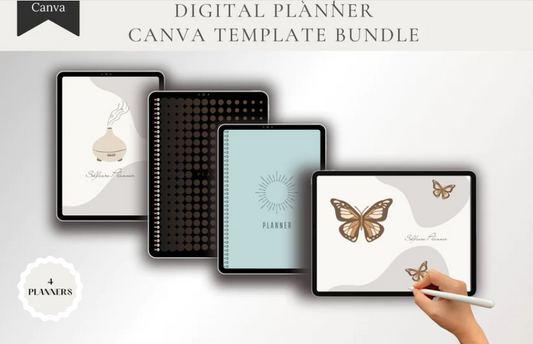
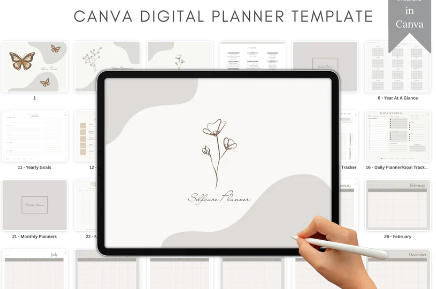
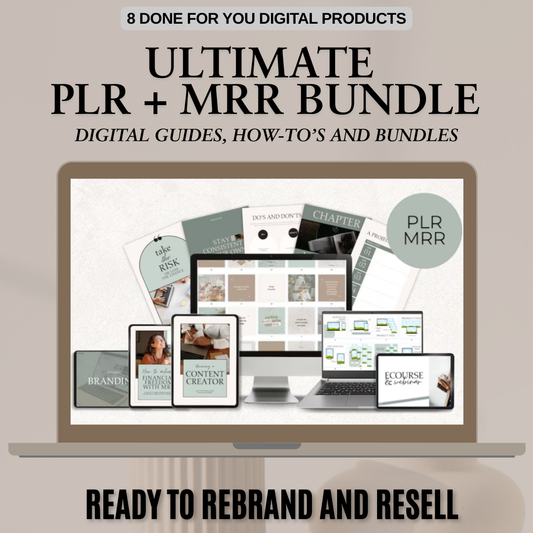
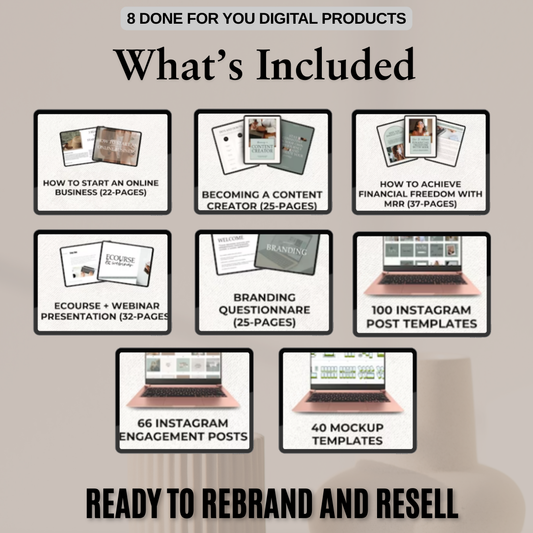
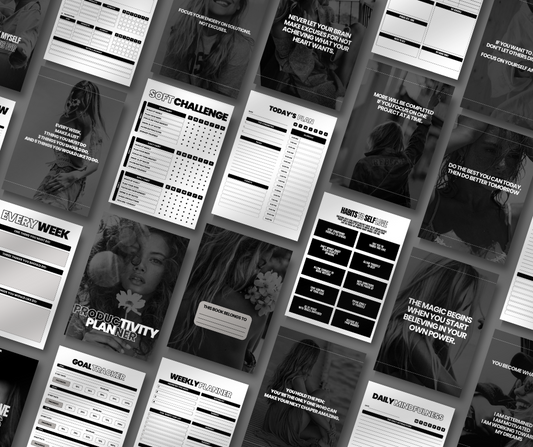
Some of the most popular categories include printable planners, teacher worksheets, wall art, social media templates, and business forms. If you're weighing up what to make first, it's worth browsing a curated list of digital products to sell to get a feel for what's currently in demand, or exploring ready-made options like digital products bundles that you can customize and resell under your own brand.
Because there's no manufacturing or shipping involved, digital downloads have some of the highest profit margins of any Etsy product type — which is exactly why so many sellers treat them as a genuine passive income stream rather than a one-off side project.
Step 1: Choose Your Niche and Product Idea
The biggest mistake new sellers make is trying to appeal to everyone. Instead, pick a specific audience — busy moms, teachers, wedding planners, small business owners — and solve one clear problem for them.
Some of the most consistently profitable niches on Etsy include:
-
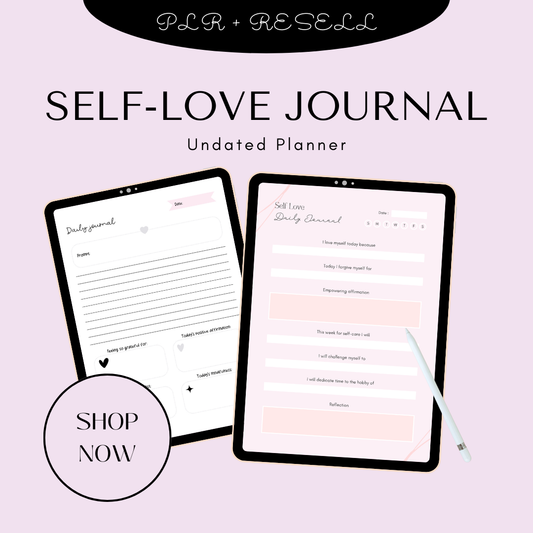
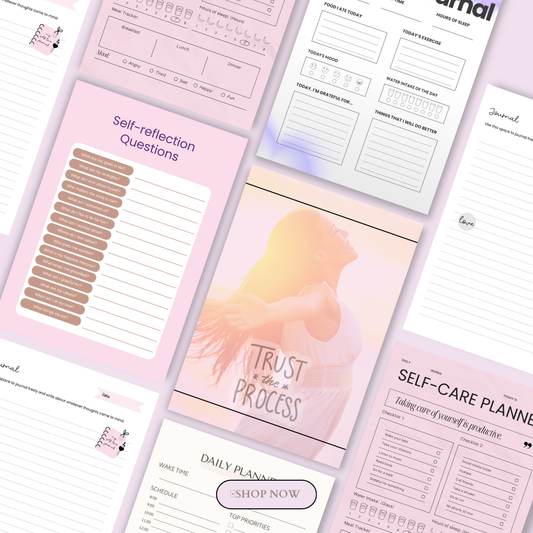
Printable planners — daily, weekly, budget, or homeschool planning. If this niche appeals to you, this collection of planners is a great place to see current design trends and formats buyers respond to.
-
Teacher resources — lesson plans, worksheets, and classroom decor.
-
Business and social templates — brand kits, invoicing sheets, and content packs. For example, a ready-to-sell viral content pack for faceless creators shows how templated content products are packaged for resale.
-
Wall art and motivational content — printable quotes, nursery decor, or affirmation cards, such as this 50-affirmations bundle designed to help buyers build daily habits.
-
Wedding and event printables — invitations, seating charts, and signage.
If you're drawn to the content-creator side of the market, it's also worth exploring done-for-you options like Reel Power Packs or Post Perfection, which package templates and visual assets that creators in the US, UK, and Australia are actively buying to save time on content creation.
The goal at this stage isn't to find something entirely original — it's to find a specific, well-defined problem you can solve better or more attractively than what's already out there.
Step 2: Do Etsy Market Research
Before you design a single file, validate your idea using Etsy's own search bar. This step costs nothing and tells you exactly what buyers in your target market are already responding to.
Here's what to look for:
-
Type your product idea into Etsy search (e.g., "printable weekly planner" or "aesthetic Instagram templates") and note which listings appear as bestsellers, and how many reviews they have.
-
Study the style, colors, and formats top-selling listings use — this tells you what's currently converting rather than what you assume will work.
-
Check listing titles and tags to understand the exact keywords successful sellers are targeting, which matters for SEO whether your buyers are searching from the US, UK, or Australia.
-
Compare pricing across similar products. Getting this right matters more than most new sellers realize — a full breakdown on how to price digital products for maximum profit is worth reading before you settle on a number.
If you want to see finished, professionally packaged examples while you research, browsing bundles like the Gemma Bundle or the Midjourney Mastery Guide Collection can help you understand how sellers structure multi-file, multi-format products. Similarly, a pack like 100 premium aesthetic images shows how visual asset bundles are positioned and priced for the content-creator market.
Simple in-Etsy research like this is more than enough for beginners — you don't need expensive third-party tools to get started, just a clear eye for what's already working.
Step 3: Create Your Digital Product
Once you've picked a niche and validated it, it's time to actually build the product. Most Etsy sellers design digital downloads using Canva, Adobe Illustrator, or similar tools — and you don't need advanced design skills to get started. If you'd like a running-start list of ideas before you open your design software, this roundup of 50 digital product examples you can start selling today is a useful reference point.
A few practical guidelines to follow:
-
Choose the right format for the job. Printables (planners, worksheets, wall art) typically export as PDFs, often sized for US Letter, A4, or both, so buyers in the US, UK, and Australia can all print without issue. Graphics like social media templates usually export as PNG or JPG.
-
Respect Etsy's upload limits. Files generally need to stay under 20 MB each, with a maximum of five files per listing — so for larger collections, bundle everything into a single ZIP folder instead.
-
Create mockups, not just flat files. A mockup showing your planner on a desk, your wall art framed on a living room wall, or your template open on a phone screen gives buyers a much clearer sense of what they're getting than a plain screenshot.
-
Consider a "freebie" as a lead-in. Many successful sellers use a free or low-cost sample to build trust before buyers commit to a paid bundle — this guide on using free digital products to drive paid sales explains how to structure that funnel properly.
If you'd rather skip the design process entirely while you get comfortable with the Etsy side of things, ready-made template collections like the marketing templates plug-and-play content bundle or a full set of 80 mockup templates can save significant time, especially for your first few listings. Niche-specific bundles, such as the Glow Lab Co skincare content templates, also show how tightly-focused product design can work well within a single niche.
Whichever route you take, revisit how you're pricing before you finalize anything — the same pricing guide for digital products referenced earlier is worth checking again once you know your exact product scope.

Step 4: Open Your Etsy Shop
With your first product ready (or nearly ready), it's time to set up the shop itself. This part is far less intimidating than it sounds — Etsy walks you through it screen by screen.
Here's what to expect:
-
Create an Etsy account if you don't already have one, then click "Open a shop" from your account or seller dashboard.
-
Set your shop basics — language, country, and currency. This matters for how your prices display to buyers, whether they're shopping from the US, UK, or Australia.
-
Choose a shop name that's short, memorable, and relevant to your niche (avoid anything too narrow in case you expand your product range later).
-
Set up payment and billing details so Etsy can process payouts and charge the relevant selling fees.
If you're new to the platform overall, it's genuinely closer to "filling in a form" than "figuring it out alone" — Etsy prompts you at every step. That said, if you want a more structured walkthrough before you dive in, a resource like the Etsy Sellers Guide to mastering your digital product store setup breaks the entire setup process down in more detail than Etsy's own help pages typically offer.
Step 5: Add a Digital Download Listing
Once your shop exists, it's time to create your first listing. This is the step that determines whether your product actually gets found — and bought — so it's worth taking slowly.
Navigate to your listing form. From Shop Manager, go to Listings → Add a listing.
Photos and video. Upload mockups showing your product in context — on a desk, in a planner, on a phone screen. Make sure your first image (the thumbnail) is clear and instantly communicates what the buyer is getting, since this is what shows up in Etsy search results.
Listing details:
-
Title — Use clear, keyword-rich phrasing buyers would actually type into search, such as "Printable Weekly Planner | Minimalist A4 PDF Download."
-
Category — Choose the closest match (e.g., "Printables," "Planner inserts," "Digital art").
-
Type — Select "Digital", not physical, so Etsy automatically triggers file delivery instead of shipping.
Description. Cover exactly what's included (page count, sizes, formats), how to access and use the files, a clear note that no physical item will ship, and any usage terms (personal use only, non-commercial, etc.).
Tags and keywords. Fill every available tag slot with relevant search terms your ideal buyer would use — for planners, that might include "digital planner," "printable planner," "mom planner," or "teacher planner." If you want a deeper primer on what actually counts as a digital product (useful for getting your category and tags right), this beginner's guide to digital products is a solid starting point.
Pricing, quantity, and files. Set a price appropriate to your niche and product scope (quantity can be set high since digital files are infinitely reusable), then upload up to five files directly or a single ZIP containing your full bundle.
Once you hit Publish, your listing goes live and Etsy handles delivery automatically from that point on — no manual sending required.
If you're building out a marketing-adjacent niche such as email or content marketing alongside your printables, resources like Email Marketing Mastery or Your Klaviyo Email Marketing Campaign Bible can help you promote listings once they're live, and niche content packs like 10 SEO-optimized blog posts to promote your skincare products show how sellers pair digital products with content marketing to drive traffic back to their shop. And if Canva is your design tool of choice, this guide on Canva templates to sell on Etsy is worth bookmarking for your next listing.
Step 6: Optimize for Etsy SEO
Getting your listing published is only half the job — Etsy's search algorithm needs to actually find and rank it. This applies whether your buyers are searching from the US, UK, or Australia, since Etsy's core ranking factors work the same way globally.
-
Put your primary keyword near the front of the title. "Printable Budget Planner" will outperform something vague like "Beautiful Financial Pages" because it matches what buyers actually type.
-
Use all 13 available tags, mixing broad terms with more specific long-tail phrases (e.g., "digital planner," "budget printable," "financial tracker," "instant download"). Leaving tag slots empty is a missed opportunity every time.
-
Choose accurate categories and attributes so Etsy can correctly match your listing to buyer filters like format, size, and occasion.
If you're serious about scaling past your first few listings, it's worth studying what's actually converting into 2026 — this deep dive on digital downloads that sell on Etsy in 2026 is a good companion to your keyword research, and a broader resource like 100 digital products you can sell online in 2026 can help you spot rising trends before they become saturated. We'll be covering Etsy keyword research in much more depth in a future post — for now, this level of SEO is enough to get your first listings ranking.
Step 7: Deliver Files Correctly (Technical Setup)
Because this is a step-by-step guide, it's worth breaking the technical delivery process out on its own, even though most of it happens inside the listing form you've already seen.
-
Select "Digital" under product type when creating or editing a listing — this is what triggers Etsy's automatic file delivery system instead of shipping fields.
-
Upload accepted file types — PDF, JPG, PNG, or ZIP — while staying within Etsy's per-file size limits.
-
Name your files clearly (e.g., "Weekly-Planner-A4-Print.pdf" rather than "Untitled-1.pdf"), and consider including a simple "Read Me" PDF with printing tips or instructions for opening the files.
The reassuring part for beginners: you don't need any special software or manual sending process. Etsy handles delivery automatically the moment a sale comes through. If you'd rather skip building products from scratch altogether while you learn this part of the process, browsing done-for-you digital products or PLR digital products can be a practical shortcut — many come pre-formatted to Etsy's exact specifications. There's also a growing category of digital products you can sell on Etsy without designing anything yourself, which is worth exploring if design isn't your strong suit.
Step 8: Promote Your Etsy Digital Downloads
Etsy search brings in organic traffic, but active promotion speeds up your first sales considerably.
-
Pinterest is one of the highest-converting platforms for printables and planners — pin your designs with keyword-rich descriptions linking back to your listing.
-
Build an email list early. Even a small list gives you a direct channel to announce new products and promotions without relying entirely on Etsy's algorithm.
-
Share on Instagram, Facebook, or your own blog, including behind-the-scenes content of your design process — audiences respond well to seeing how a product comes together.
-
Consider Etsy Ads once you have a few proven listings. Most beginners are better off starting with organic promotion and layering in paid ads after they know which products convert.
If your niche overlaps with content creation, ready-made assets like 100 modern ambitious entrepreneur posts and stories or faceless lifestyle reels with hooks can make it much faster to build a consistent promotional presence without appearing on camera yourself. And if you want to think bigger picture about brand-building rather than one-off listings, resources like how to build a six-figure digital product brand or the ultimate branding course with master resell rights go well beyond a single Etsy listing into long-term brand strategy.
Step 9: Handle Customer Service and Policies
Good customer experience directly improves your reviews, and reviews directly influence how well you rank in Etsy search.
-
Set clear refund and exchange policies for digital products — many shops don't offer refunds once files are downloaded, but your policy still needs to comply with Etsy's rules and local consumer law in your buyer's country.
-
Respond to buyer messages promptly, especially when someone is struggling to download or open a file.
-
Add a short FAQ inside your listing description covering common questions, like which app to use for PDFs or how to access the download link.
It's also worth understanding your payment setup properly at this stage — this comparison of payment processors for digital products is useful context even though Etsy handles most of this for you directly, since it helps you understand payout timing and fees.
Conclusion
Selling digital downloads on Etsy comes down to nine repeatable steps: choosing a niche, validating it with research, creating your product, opening your shop, publishing an optimized listing, refining your SEO, setting up file delivery correctly, promoting consistently, and taking care of your customers once sales start coming in. None of these steps require advanced technical skills — they require consistency and a willingness to start before everything feels perfect.
If you're still deciding exactly what to make first, this broader process guide on how to make digital products step-by-step for 2026 or the ultimate list of digital products to sell online are both worth bookmarking for ongoing inspiration. But the most important step is simply the first one: pick one niche, create one product, and publish your first listing today.
Further Reading / Sources
This article draws on Etsy's own official guidance along with several up-to-date external resources on selling digital downloads:
-
Etsy's official Seller Handbook article on digital downloads
-
SellerApp's complete guide to selling digital downloads on Etsy
Frequently Asked Questions
1. Do I need a business license to sell digital downloads on Etsy? In most cases, no — many sellers start as a hobby or sole proprietor without any formal registration. That said, requirements vary by country and even by state or region (the US, UK, and Australia all have different thresholds for when you need to register as a business or start collecting tax), so it's worth checking your local rules once your sales start to grow.
2. How much does it cost to start selling digital downloads on Etsy?
Etsy charges a small listing fee per item, plus a transaction fee and payment processing fee on each sale — there's no large upfront cost. Your main investment is time (and optionally a design tool like Canva, which has a free plan that's more than enough to get started).
3. Can I sell the same digital download to unlimited customers?
Yes. Since there's no physical inventory, you can set your quantity high and the same file will be delivered automatically to every buyer, which is exactly what makes digital products such a scalable income stream.
4. What's the biggest reason digital download listings don't sell?
Usually it comes down to either weak market research (making something buyers aren't actually searching for) or poor listing optimization (a title, thumbnail, or tags that don't match how buyers search). Fixing SEO and photos is often enough to turn around a slow listing before assuming the product idea itself is the problem.
5. Do I need to offer refunds on digital products?
Etsy doesn't require sellers to offer refunds once a digital file has been downloaded, but your shop's policy still needs to comply with Etsy's terms and any consumer protection laws in your buyer's country. Stating your policy clearly in the listing description upfront helps prevent most disputes before they happen.
🎬 Want a visual walkthrough?
If you’d rather watch than read, here’s the full explainer video covering everything in this guide: