




Picture this: you wake up, check your phone, and see a sale that came in overnight. No stock to count, no parcel to post, no customer waiting on you to send anything. That’s exactly why so many creators, side hustlers and small business owners are turning to digital products for passive income. But how passive is it really? The honest answer is that you can earn this way, though it’s more accurately described as semi-passive or leveraged income. If you’re new to the model, start with our guide to digital products or read what digital products are and how they work. In this post, Resell Ready covers what “passive” really means, why it works, how long it takes, the best products to sell, how to build the system, the mistakes to avoid, and an important tax note.
🎥 Prefer watching instead of reading?
Watch the full step-by-step explainer video below.
Can You Make Passive Income with Digital Products?
Yes, you can make passive income with digital products. You create a product once, sell it repeatedly, and checkout and delivery are automated, so there’s no inventory, shipping or manual fulfillment. The work happens upfront: creating, validating and marketing. After that, sales can continue with far less ongoing effort.
That’s what separates digital products from service-based work. As a freelancer, coach or consultant, you earn only when you put in the hours, so your income stops when you stop. With a digital product, Pocketsflow describes passive income as work that’s been decoupled from the sale: the effort goes in once, and every sale after that doesn’t need you to be present.
A single product like The Ultimate Branding Course with Master Resell Rights can be sold to the first buyer and the five-hundredth buyer with exactly the same amount of fulfillment work, which is zero. The same goes for ready-made masterclasses you can rebrand and sell. As SendOwl explains, the real effort sits in creating the product and setting up the systems that sell it.
What “Passive” Really Means
Here’s what many online income promises leave out: passive doesn’t mean no work. Running a digital product business still involves real tasks, especially at the start:
-
Researching demand so you build something people actually want to buy
-
Creating the product, whether from scratch or with tools like AI prompt packs that speed up content creation
-
Writing a sales page that clearly explains the value
-
Attracting traffic through SEO, Pinterest, social media or email, ideally with a strategy like the one in the Anti-Algorithm Growth Guide, so you’re not at the mercy of every platform change
-
Answering customer questions when buyers need help
-
Updating files to keep your products current
-
Refreshing your marketing around seasonal moments, such as promoting a New Year, New Me collection every January
The best way to think about it: digital products are passive in fulfillment, not passive in business ownership. You’re still running a small business. Automation simply removes the labor involved in delivering each sale.
Etsy is a clear example. According to the Etsy Seller Handbook, instant-download products are delivered to buyers automatically once they pay, so sellers never need to store or ship anything. The Etsy Help Center confirms that buyers can access their files right after purchase. That automated hand-off is the “passive” part, and it’s what makes digital products one of the most accessible ways to build semi-passive income online.
Why Digital Products Can Become Passive Income
The economics are what make digital products for passive income work so well. There’s no inventory to buy, no shipping to arrange, and selling one more copy costs very little beyond platform and payment-processing fees. According to SendOwl’s guide to passive income digital products, the key is building systems that keep selling without your daily involvement.
Automated Delivery
Platforms like Etsy, Gumroad, Payhip and Shopify send files to buyers the moment they pay. Not sure which to use? Compare your options in Whop’s breakdown of where to sell digital products.
Search-Based Traffic
Blog posts, Pinterest pins, YouTube videos and marketplace listings can keep sending buyers to your products for months or even years after you publish them.
Email Automation
A free lead magnet, a welcome sequence and product-promotion emails can sell to new subscribers with no manual outreach.
A Product Catalog
Several related products give each buyer more reasons to come back, which makes your income steadier over time.
Recurring Offers
Memberships and template subscriptions can create recurring revenue, although they need more upkeep than one-time downloads.
How Long Does It Take to Make Passive Income with Digital Products?
Expect an active phase before income becomes low-maintenance. Some guides estimate 50 to 100+ hours for research, creation and launch, followed by several months of marketing, testing and optimizing. A structured approach, like this 90-day digital marketing strategy for digital product businesses, can help you move through that active phase faster.
|
Stage |
What you do |
Income expectation |
|
Months 1–2 |
Research, create and launch your first product |
Often little or no income |
|
Months 3–6 |
Improve listings, publish content, build an email list, test traffic |
Early or inconsistent sales |
|
Months 6–12 |
Add products, refine pricing, automate emails |
More consistent sales |
|
Year 1+ |
Maintain, update and expand your catalog |
Potentially semi-passive income |
These timeframes are estimates, not guarantees. Your results depend on niche demand, product quality, pricing, traffic, competition and how consistently you market.
Best Digital Products for Passive Income
The strongest products solve a specific, repeated problem and can be delivered instantly. Beginner-friendly options include:
-
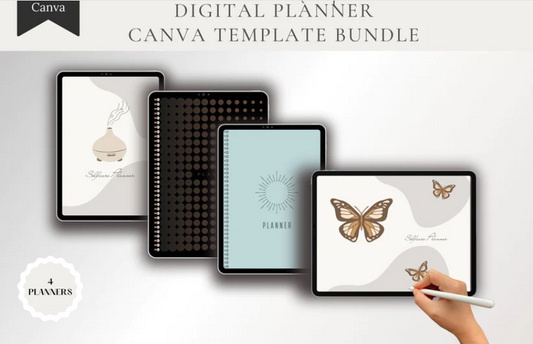
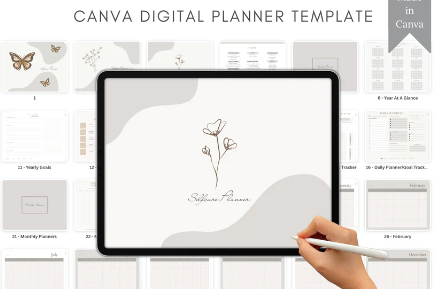
Canva templates for social media, resumes and small businesses, such as the Glow Lab Co skincare content templates bundle
-
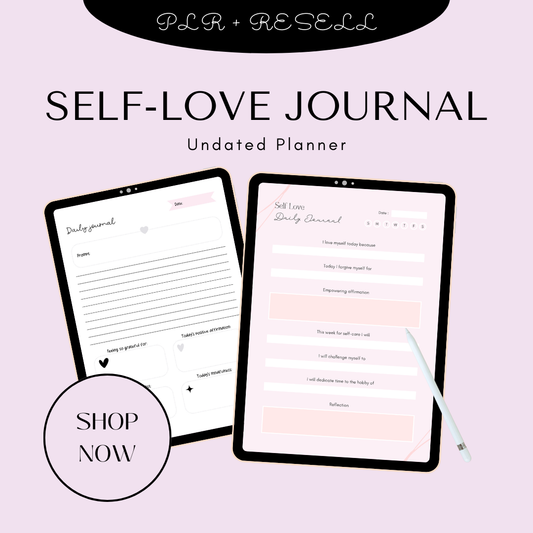
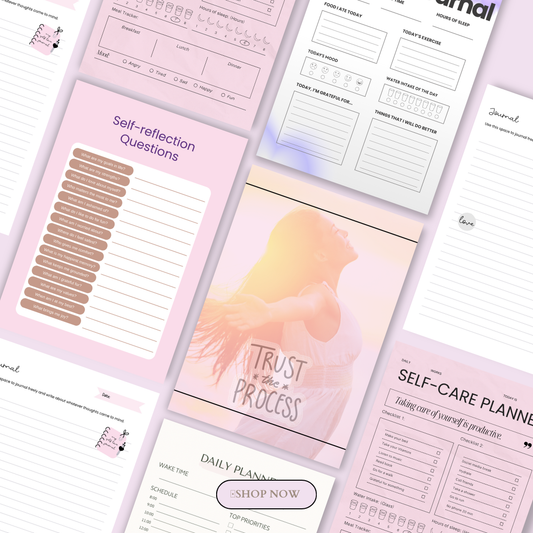
Printable planners, checklists, journals and wall art, like The Planner Collection or a self-love journal
-
Ebooks, guides and workbooks
-
Lightroom presets, Procreate brushes, fonts and stock graphics
-
Notion templates and spreadsheets
-
Mini-courses and paid newsletters
-
Niche downloads for weddings, teachers, real estate agents and content creators
For more ideas, browse Whop’s list of the best digital products to sell. The Etsy Seller Handbook also recommends starting with a few designs, watching what customers respond to, and making more of what sells.

A Faster Start with PLR and MRR Products
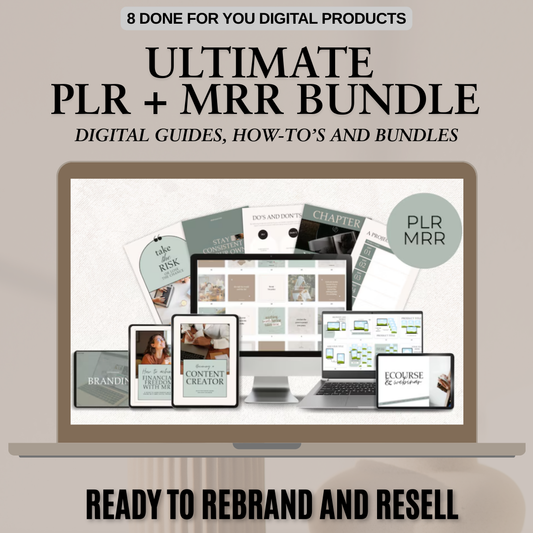
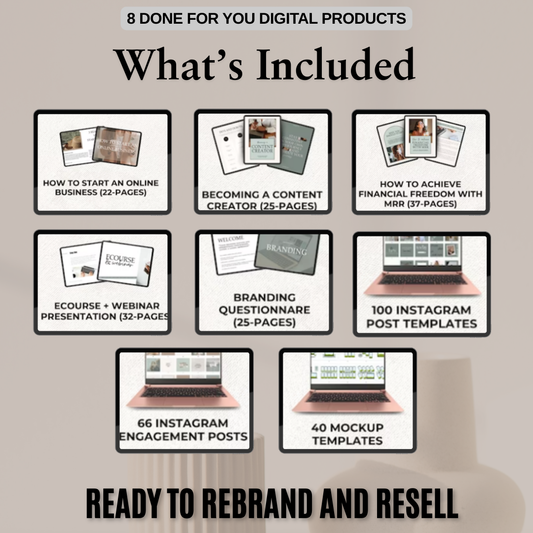
For most beginners, the biggest hurdle is creating the product itself. PLR (Private Label Rights) and MRR (Master Resell Rights) products remove that hurdle: you buy a professionally made product, rebrand it as your own, and keep the profits. Ready-made bundles like the Naomi Bundle and the Luna Bundle let you launch in days rather than months.
To stand out, customize the content and position it for a specific niche. Explore the full range of MRR products at Resell Ready to find products ready to rebrand.
How to Build a Passive Income System with Digital Products
1. Choose a Specific Audience and Problem
“Planners” is too broad. “Wedding budget spreadsheets for couples” is a product people search for and buy.
2. Validate Before You Build
Check marketplace bestsellers, reviews, search autocomplete, competitor listings and customer complaints. Look for gaps you can fill.
3. Create a Minimum Viable Product
Make the smallest useful version that solves the problem well, then expand once buyers show interest.
4. Set Up Automated Delivery
Use Etsy, Gumroad, Payhip or Shopify so buyers get their files instantly. Our step-by-step guide to selling digital products online walks through the setup, and these tips on digital product images will help your listings convert.
5. Build One Traffic Channel First
Pick SEO, Pinterest, YouTube or social media and commit to it before adding more. If social is your channel, use this social media playbook for digital products.
6. Capture Emails
Offer a free checklist or sample in exchange for an email address, then let an automated welcome sequence introduce your paid product.
7. Create Related Products
A catalog of complementary products leads to repeat purchases and bundle sales.
8. Track and Improve
Monitor traffic, conversion rate, refunds, reviews and customer questions, then update your product or sales page based on real feedback.
What Could You Realistically Earn?
Say you sell a $20 Canva template bundle. After platform and payment fees of roughly 10–15%, you’d keep about 17–18 per sale:
-
10 sales a month: about 170–180
-
50 sales a month: about 850–900
-
100 sales a month: about 1,700–1,800
These figures are before taxes, ad spend, refunds and the time it took to create the product. The point is that the same product keeps earning without you recreating it.
Common Mistakes to Avoid
-
Creating before validating demand: Build only once you see evidence people want it.
-
Going too broad: Niche products are easier to market and sell.
-
Relying on one traffic source: An algorithm change can wipe out your sales overnight.
-
Underpricing: Price on the value to the buyer, not the hours you spent.
-
Ignoring ongoing work: Reviews, support and updates still need attention.
-
Assuming every product will sell: Sales usually come from a few winners, so treat early products as experiments.
As Lilach Bullock’s guide to passive income with digital products shows, sellers who treat this as a real business tend to see the best long-term results.
Is Digital Product Income “Passive” for Tax Purposes?
For US readers, “passive income” has a specific legal meaning. Under IRS Publication 925, income from intangible property such as a copyright is generally not treated as passive if your personal efforts significantly contributed to creating it. In plain English, your sales may feel passive, but they can still count as active business income. Speak to a qualified tax professional about your situation, especially if you live in the UK, Australia or elsewhere.
Final Thoughts: Are Digital Products Worth It for Passive Income?
Yes, but not by uploading a file and waiting. The realistic path is to create a useful product for a specific audience, automate delivery and email marketing, build dependable traffic, and grow a small catalog. Once those systems are in place, digital products for passive income can keep selling with far less daily effort than a service business.
Ready to skip the hardest part? Browse the Resell Ready Shop All collection and start with done-for-you MRR products you can rebrand and sell today.
Frequently Asked Questions
Can beginners make passive income with digital products?
Yes. Digital products are one of the most beginner-friendly online businesses because you don’t need inventory, a large budget or technical skills. Start with a simple product like a printable, template or checklist for a specific audience, set up automated delivery, and focus on one traffic channel until sales become consistent.
What is the easiest digital product to sell for passive income?
Printables and Canva templates are often the easiest to start with. They’re quick to create, affordable for buyers, and in steady demand on platforms like Etsy and Shopify. Planners, social media templates and checklists work especially well because they solve everyday problems people search for regularly.
Do I need to create my own digital products from scratch?
No. PLR (Private Label Rights) and MRR (Master Resell Rights) products let you buy a professionally made product, rebrand it and sell it as your own while keeping the profits. This can save weeks of work. Browse ready-to-sell MRR products to see what’s available.
How much time does a digital product business take once it’s set up?
After the initial build, many sellers spend a few hours a week on the business. That time usually goes into creating content to drive traffic, answering customer questions, updating products and refreshing marketing. The more automated your delivery and email systems are, the less ongoing time each sale requires.
Where is the best place to sell digital products for passive income?
It depends on your goals. Etsy offers built-in traffic, which helps beginners get early sales. Shopify gives you full control over branding and customer data. Gumroad and Payhip are simple, low-cost options for creators. Many sellers start on a marketplace, then add their own store as they grow.
🎬 Want a visual walkthrough?
If you’d rather watch than read, here’s the full explainer video covering everything in this guide: