





Introduction
Content creators are moving away from trading hours for dollars — brand deals, one-off client work, and physical merch — and toward income that scales without extra effort. In 2026, the most profitable path is digital products: templates, presets, mini-courses, AI prompt packs, and membership-style assets that creators build once and sell endlessly.
🎥 Prefer watching instead of reading?
Watch the full step-by-step explainer video below.
If you're wondering where to start, resources like this breakdown of trending digital products and this mega guide to 100+ digital products you can sell online are a great jumping-off point for creators building their first product line in 2026.
Below, we'll break down exactly what's selling, how much creators are charging, the profit margins to expect, and where to list your products for maximum reach — whether you're just starting out or scaling toward a six-figure catalog.
Why Digital Products Make Sense for Creators in 2026
Digital products have become the default monetization strategy for creators, and for good reason:
-
No inventory or shipping — you create the asset once and sell unlimited copies, with zero fulfillment headaches.
-
High profit margins — most digital products run 70–95% margins, since your only real cost is the time it takes to create them.
-
AI has slashed production time — creators can now build a polished preset pack, planner, or prompt bundle in a weekend using AI tools, rather than weeks.
-
Buyers want ownership, not another subscription — audiences in the US, UK, and Australia alike are increasingly fatigued by recurring charges, and are gravitating toward one-time downloads in the $10–$50 range that solve a specific problem instantly.
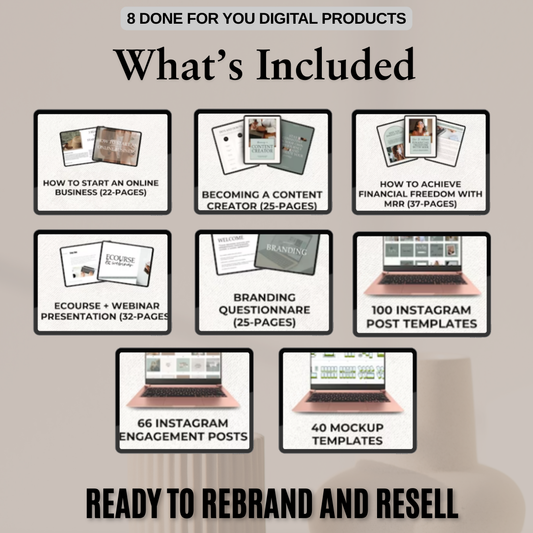
For creators who'd rather skip the trial-and-error of building from scratch, options like done-for-you digital products or PLR products you can resell offer a faster route to market — you get a ready-made asset and simply rebrand, price, and sell.
For a broader look at how creators are diversifying their income streams, Sellfy's roundup of digital products to sell online and Printful's breakdown of what's selling in 2026 both echo the same shift toward scalable, inventory-free products.
Top Digital Product Categories to Sell in 2026
Whether you're building your first product or expanding an existing shop like ResellReady, these are the categories driving the most consistent sales for creators across the US, UK, and Australia right now.
Templates & Planners (Notion, Canva, Sheets)
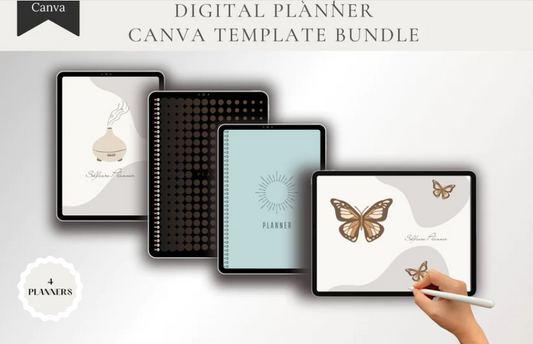
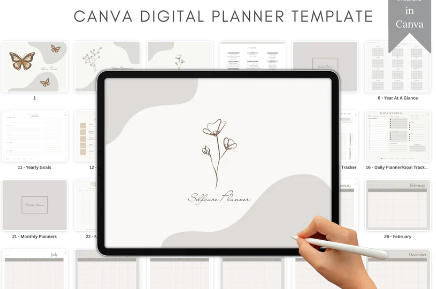
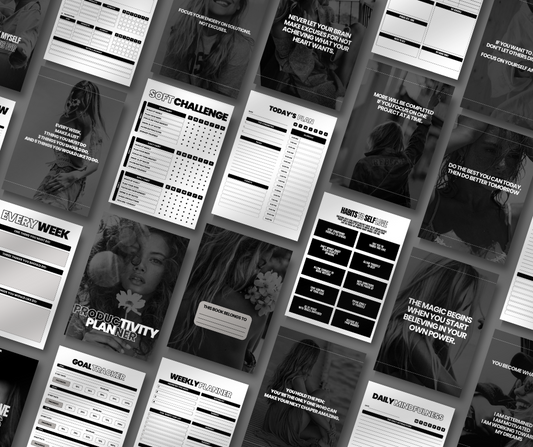
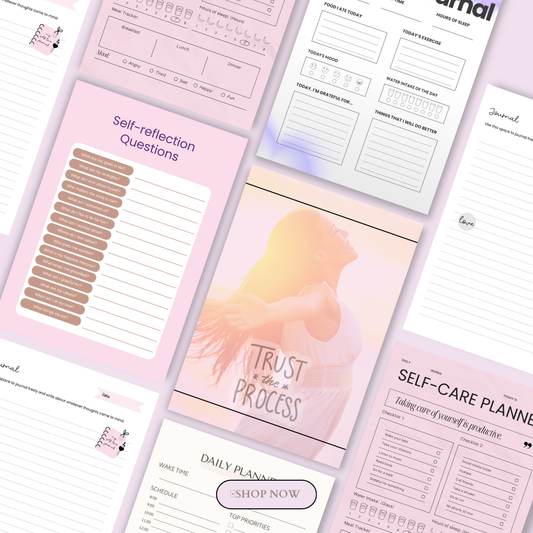
Templates and planners are pre-built systems that help buyers organize their content, finances, or business — without starting from scratch. They're ideal for creators who are naturally organized or process-driven, and they convert exceptionally well because the buyer sees immediate value. Margins typically run 70–90%, with simple planners priced from $5–$20 and premium multi-page kits reaching $50–$200+. Curated collections like Plan & Prosper or all-in-one options like the Luna Bundle show how bundling templates into a themed package increases perceived value and average order size. Best sold on Etsy, Gumroad, or your own storefront.
Online Courses & Mini-Courses
Mini-courses teach a specific, outcome-driven skill — think "grow your Instagram in 30 days" rather than a broad, generic topic. They suit coaches, educators, and niche experts who already have audience trust. Margins sit at 70–90%, with short courses priced $19–$49 and comprehensive programs reaching $99–$499+. Ready-made options in the masterclasses collection are a good benchmark for pricing and structure if you're building your own. Creator Blade's analysis of the best digital products for creators in 2026 breaks down realistic earnings by course length and niche, which is worth reviewing before you set your own pricing. Sell through Teachable, Podia, Stan, or Gumroad.
AI Prompt Packs & AI-Generated Assets
Curated prompt libraries for ChatGPT, Midjourney, and other AI tools remain one of the fastest, highest-margin products to create — margins of 80–98% are common since there's no physical output involved. Pricing ranges from $9–$49 per pack, with bundles reaching $99+. Tech-savvy creators can browse AI prompt pack collections and AI image collections for inspiration, or check this guide on 40 digital products you can create using ChatGPT or AI tools for a full build-it-yourself walkthrough.

Photography & Video Presets
Presets give buyers a one-click way to achieve a signature editing style, making them hugely popular among photographers, influencers, and video creators. Margins run 70–90%, with starter packs priced $10–$25 and premium bundles of 20+ presets reaching $50–$150+. The Lightroom preset collection is a strong reference point for pricing and packaging. Best sold via FilterGrade, Etsy, or a dedicated storefront.
Digital Art, Printables & Wall Art
Printables — from coloring pages to wall art and worksheets — are one of the easiest entry points for artists, designers, and teachers, largely because they require no complex tech setup. Margins of 70–90% are typical, with single printables priced $2–$8 and bundles reaching $20–$50+. Etsy remains the top platform here; shops like DigitalClipArtNest demonstrate what a successful printables storefront looks like in practice. This guide on 15 digital products you can sell on Etsy without designing is especially useful if design isn't your strength.
Social Media Templates & Content Packs
Canva templates for posts, Reels, carousels, and thumbnails are in constant demand from social media managers and brand-focused creators. Margins of 80–95% are standard, with simple packs priced $5–$15 and full feed bundles reaching $15–$50+. Collections like Reel Power Packs, Post Perfection, and plug-and-play marketing templates show how ready-made content packs are packaged and priced for this exact market.
Ebooks, Guides & Workbooks
Short, niche-focused PDFs that solve one specific problem remain a reliable seller for writers, experts, and bloggers. Margins range 60–95%, with short guides priced $5–$20 and in-depth guides reaching $19–$50+. If persuasive writing isn't your strength, resources like the Words That Sell collection can help you write higher-converting sales copy and product descriptions. Sell via Amazon KDP, Gumroad, or your own site.
Memberships & Communities
Recurring access to exclusive content, coaching, or a private community works best for creators with a loyal, engaged following. Margins run 80–90%, with pricing from $5–$100+/month depending on niche depth. For creators ready to build a full ecosystem rather than a single product, the Build Your Digital Empire collection offers a roadmap for scaling from one-off sales into a membership model. Best platforms: Patreon, Whop, Substack, or Circle.
If you want to see the full range of what's possible beyond these eight categories, Whop's list of 114 digital products to sell is one of the most comprehensive resources available, covering profit margins and required tools for each.
Quick Comparison Table
|
Product Type |
Best For |
Profit Margin |
Typical Price |
Top Platforms |
|
Templates & Planners |
Organizers, system builders |
70–90% |
$5–$200+ |
Etsy, Gumroad, Notion |
|
Mini-Courses |
Teachers, coaches |
70–90% |
$19–$499 |
Podia, Stan, Teachable |
|
AI Prompt Packs |
Tech-savvy creators |
80–98% |
$9–$49 |
Gumroad, ResellReady |
|
Photo/Video Presets |
Photographers, editors |
70–90% |
$10–$150+ |
FilterGrade, Etsy |
|
Digital Art & Printables |
Artists, teachers |
70–90% |
$2–$100+ |
Etsy, Creative Market |
|
Social Media Templates |
Brand builders |
80–95% |
$5–$50+ |
Etsy, Gumroad |
|
Ebooks & Guides |
Writers, experts |
60–95% |
$5–$50+ |
Amazon KDP, Gumroad |
|
Memberships & Communities |
Community leaders |
80–90% |
$5–$100+/mo |
Whop, Patreon, Substack |
How to Choose What to Sell
With so many options, the fastest way to pick a winning product is to work backward from your audience rather than guessing what might sell.
Start with your audience's biggest problem. If your followers constantly ask how you stay consistent on social media, a content calendar template solves that pain point directly — and sells itself.
Niche down hard. A "Notion template for real estate investors" will consistently outsell a generic "productivity template," because it speaks directly to a specific buyer's situation.
Pick a format you can create quickly. Templates, prompt packs, and printables are typically the fastest to build and launch, making them ideal first products — especially if you're testing demand before investing serious time.
Validate before building. Ask 10 engaged followers if they'd buy your idea at a specific price point before you spend hours creating it. If you're exploring this as a broader income strategy rather than a one-off product, this guide on financial freedom through side hustles is worth a read for framing digital products as part of a long-term income plan.
Where to Sell, By Audience Size
Your ideal selling platform largely depends on how big your audience already is — and how much control you want over the customer experience.
Under 5K followers: Start with Gumroad. It has zero monthly cost and minimal setup friction, making it the easiest way to test a product idea without financial risk.
5K–50K followers: Platforms like Lemon Squeezy, Stan Store, or Shopify offer better checkout experiences and handle EU/UK tax compliance automatically — important once you're selling at volume across multiple regions.
50K+ followers: At this stage, your own domain paired with Stripe gives you maximum margin and full control over branding, pricing, and customer data, rather than relying on a third-party marketplace.
For printables and templates specifically: Etsy remains unbeatable thanks to its built-in search traffic — buyers are already searching for exactly what you're selling.
For a full walkthrough of the entire selling process — from product creation to checkout setup — this complete step-by-step guide to selling digital products online covers each platform in more depth.
Conclusion
You don't need to launch all eight product categories at once. Pick the one that best matches your skills and audience, validate it with real buyers, and launch — then expand from there once you've proven demand.
If you'd rather skip the build phase entirely, ready-made bundles like the Gemma Bundle or The Content Girl Collection let you start selling immediately with polished, done-for-you assets. Browse the full shop to find a product that fits your niche and get your first digital product live this week.
FAQ
What digital product sells best for beginners?
Printables and templates are typically the easiest entry point, since they require minimal design skill and can be built in hours rather than weeks. Faceless-creator packs like Glossed in Power are a good example of a beginner-friendly product that requires no personal branding to sell. This roundup of popular digital products right now is a useful starting point for spotting current demand.
How much can creators earn from digital products in 2026?
Earnings vary widely by niche and audience size, but with margins of 70–95% and prices ranging from $5 to $500+, even a modest audience can generate meaningful passive income once a product is validated and marketed consistently.
Do I need a large following to sell digital products?
No. Products like clipart and small digital downloads show that even creators with small, engaged audiences can generate consistent profit — platforms like Etsy and Gumroad rely on search traffic, not just your existing followers.
What's the easiest digital product to create in a weekend?
Canva-based social templates or aesthetic bundles — like the Positivity Pop Collection — are among the fastest to build, since they use existing design tools rather than custom development. For more downloadable options, see this guide on Instagram templates that convert or the ultimate list of digital products to sell online.
🎬 Want a visual walkthrough?
If you’d rather watch than read, here’s the full explainer video covering everything in this guide: