





1. Introduction
If you're searching for how to land your first digital art commissions, here's the short version: it's not about waiting to be "discovered." Clients don't stumble onto talented artists by luck — they hire people who make it obvious what they sell, how much it costs, and how to order. Whether you're based in the US, the UK, or Australia, the platforms and communities may differ slightly, but the formula for winning your first client is the same everywhere: clear positioning, consistent visibility, and direct outreach.
🎥 Prefer watching instead of reading?
Watch the full step-by-step explainer video below.
This guide walks beginners through exactly that — how to prepare before you open commissions, how to price your work so it's sustainable, where to actually find paying clients, and which common mistakes quietly kill sales before they happen.
2. What Beginners Should Do First (Pre-Launch Prep)
2.1 Choose Your Niche or Style
One of the fastest ways to stall out before you even get started is trying to offer "anything, in any style, for anyone." It sounds generous, but it actually makes it harder for potential clients to say yes — when your portfolio is scattered across ten different styles and subjects, nobody can tell what you're actually good at or known for.
Instead, pick one lane to start: character portraits, chibi art, pet illustrations, VTuber assets, book cover art — whatever you genuinely enjoy and can execute consistently. A focused niche doesn't limit you long-term; it just makes your first "yes" much easier to get.
2.2 Build a Focused Portfolio
Your portfolio is your storefront, so treat it that way. Six to twelve strong, polished pieces that reflect exactly the kind of work you want to be hired for will outperform a portfolio padded with old practice sketches every time.
Show the work you want to be commissioned for — not just what you've drawn recently. If you're hoping to sell full-body character commissions but your portfolio is mostly headshots, clients will assume headshots are your specialty and price expectations accordingly.
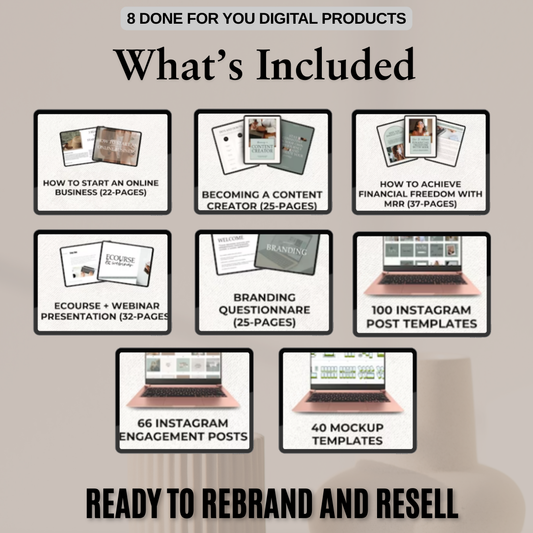
If you're also exploring other income streams alongside commissions — templates, printables, or resellable digital goods — it's worth browsing a broader roundup of digital products you can sell online to see how other creators diversify beyond one-off client work.
2.3 Create a Commission Sheet
A commission sheet is simply a single image or page that lays out your prices, what's included, your turnaround time, revision limits, and payment terms — all in one place. This single asset does more to convert interest into paying clients than almost anything else, because it answers the questions a hesitant buyer would otherwise have to DM you and ask.
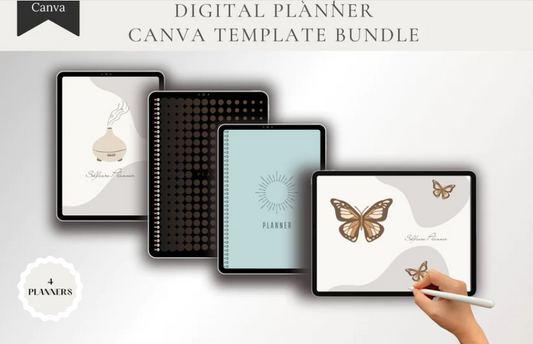
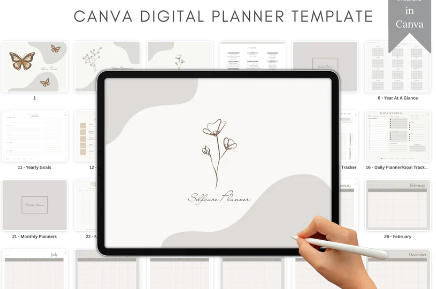
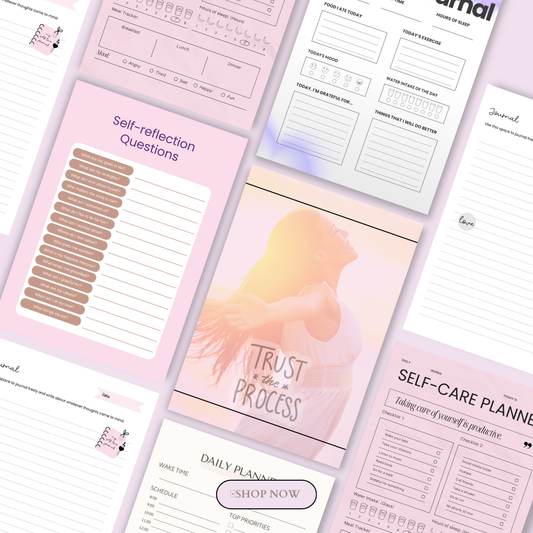
Keep it visual: show a sample next to each pricing tier so people can see exactly what they're paying for. If you want a head start on organizing your workflow and pricing structure, a set of ready-made planner templates can help you track orders, deadlines, and client details without building a system from scratch.
3. How to Get Your First Clients
3.1 Post Consistently on the Right Platforms
Visibility beats perfection. Beginners often assume they need a huge following before commissions will sell, but consistent posting on the platforms your audience already uses matters far more than follower count.
For most digital artists, that means a mix of Instagram, X (Twitter), Discord communities, DeviantArt, and Reddit — plus niche spaces tied to your subject matter, like VTuber fan communities, tabletop RPG (TTRPG) groups, or indie game Discords. Posting once won't cut it; treat it as an ongoing habit, not a one-time announcement.
3.2 Use Direct, Clear Calls-to-Action
Many potential clients simply won't assume you take commissions unless you say so plainly. Vague captions like "here's my latest art" don't convert nearly as well as direct, unmistakable phrases such as "commissions open," "DM for pricing," or "booking 3 slots this month."
Urgency helps too — limited slots create a reason to act now rather than "maybe later." If you want to streamline how you announce openings and promote your work, a set of ready-to-post social media templates or post design packs can save time while keeping your commission announcements looking polished and professional.
3.3 Go Where People Already Request Art
Rather than waiting for clients to find you, go to the places where people are actively requesting custom art: commission request threads, fandom communities, and creator spaces where people regularly need avatars, thumbnails, or promotional visuals.
These spaces convert faster than general social posting because the audience already has buying intent — they're not just browsing, they're looking to hire. If you eventually want to build a more structured system for capturing and converting this kind of demand, resources like done-for-you sales funnels or a masterclass on client acquisition can help formalize the process once you're past your first few sales.

4. Pricing and Building Trust
4.1 Keep Pricing Simple and Tiered
Pricing is where most beginners either freeze up or badly undersell themselves. The simplest fix is a base price plus optional add-ons — a structure clients immediately understand because they've seen it everywhere from menus to software plans.
Start with one flat rate for your core offer (say, a headshot or icon), then layer on add-ons: extra characters, backgrounds, alternate outfits, or commercial usage rights. As demand grows and your turnaround gets faster with practice, raise your base rate incrementally rather than all at once. Clients who found you at $20 won't be shocked by $30 six months later — they will be shocked by a sudden jump to $80.
If you're thinking about pricing structures more broadly — not just for commissions but for building a wider creative income — it's worth looking at how other creators approach financial freedom through side hustles, since many apply the same tiered logic to templates, digital downloads, and other creative products.
4.2 Build Trust Through Process
Trust closes sales just as much as skill does. A clear terms-of-service section — even a short one — tells clients what to expect: how many revisions are included, what happens if they go silent mid-project, and how refunds (if any) work.
Requiring a deposit or full upfront payment before starting work protects your time, and it's standard practice across the commission industry, not a sign of distrust. Being transparent about your revision process (for example, "one round of sketch approval, one round of color feedback") keeps both sides aligned and prevents scope creep.
Many artists also build a secondary income stream from digital downloads or done-for-you products alongside commissions, since those transactions rely on the same trust-building basics: clear listings, clear terms, and a smooth checkout experience.
4.3 Worked Example
Here's what a simple, tiered structure might look like in practice for a beginner offering character portraits:
-
Base portrait (bust-up, flat color): $25
-
+ Background: $10
-
+ Extra character: $15 each
-
+ Commercial usage license: $20
-
Limited availability: "Booking 3 slots this month"
A client wanting a two-character portrait with a background and commercial rights would land at $85 — a price that's easy to calculate, easy to explain, and easy to justify because every add-on has a clear reason behind it.
5. Common Beginner Mistakes to Avoid
Waiting for "perfection" before opening commissions. No portfolio ever feels "ready." Artists who wait for flawless work before posting their first commission sheet often wait months or years longer than necessary. A solid, honest portfolio of 6–12 pieces is enough to start — you improve by doing paid work, not by endlessly polishing practice pieces in private.
Underpricing and attracting the wrong clients. Charging too little doesn't just undervalue your time — it also signals low quality and tends to attract clients who demand endless revisions because they've paid so little for the piece. Fair, sustainable pricing filters for clients who respect the process.
Hiding your process, pricing, or ordering steps. If a potential client has to DM you just to find out your prices or how to order, most will simply leave instead of asking. Keep your commission sheet, terms, and ordering steps visible and linked wherever you post your art.
For a broader look at avoiding these pitfalls, guides like How to Start Art Commissions as a Beginner, the first art commission guide from Women of Illustration, and Maven Art's digital art commissions guide all echo the same core lesson: clarity prevents most beginner mistakes before they happen.
6. Conclusion
Getting your first digital art commission clients comes down to three things: clarity about what you sell, consistent visibility in the right spaces, and trust built through a transparent process. You don't need a massive following or a flawless portfolio — you need a clear offer, fair pricing, and the willingness to show up and post regularly.
If you're ready to expand beyond one-off commissions later on, many artists eventually branch into selling digital art online more broadly, or explore complementary income streams like Canva templates and done-for-you digital products sold through platforms covered in guides on using Gumroad for digital product sales or selling done-for-you products on Etsy and Gumroad.
But that's a later step. Right now, the only thing standing between you and your first paying client is a clear commission sheet and a post that says you're open. Set your prices, pick your platforms, and open your first slots this week.
FAQ: Digital Art Commissions for Beginners
1. How much should a beginner charge for digital art commissions?
Most beginners start in the $10–50 range depending on the piece — for example, $10–25 for a simple icon or headshot, and $25–50 for a half-body piece. Base your rate on how long the piece actually takes you, not just what you see other artists charging, and raise your prices gradually as demand and speed improve.
2. Do I need a big following to get my first commission client?
No. Visibility matters more than follower count. Posting consistently with clear calls-to-action ("commissions open," "DM for pricing") in the right communities — Discord servers, fandom spaces, niche subreddits — often lands a first client faster than waiting to grow an audience first.
3. How many portfolio pieces do I need before opening commissions?
Six to twelve strong, finished pieces are enough to start. They should reflect exactly the type of work you want to be hired for, not just a general mix of practice sketches. A focused, smaller portfolio converts better than a large, scattered one.
4. Should I require a deposit before starting a commission?
Yes. A deposit (commonly 50% upfront, or full payment for lower-priced work) is standard practice and protects your time if a client disappears mid-project. It also signals professionalism and sets clear expectations from the start.
5. What's the biggest mistake beginners make with commissions?
Underpricing. Charging too little doesn't just undervalue your time — it can also attract clients who expect unlimited revisions because they paid so little. Fair, clearly explained pricing tends to bring in more respectful, easier clients than rock-bottom rates do.
🎬 Want a visual walkthrough?
If you’d rather watch than read, here’s the full explainer video covering everything in this guide: