



1. Introduction
What Are Low-Cost Digital Products?
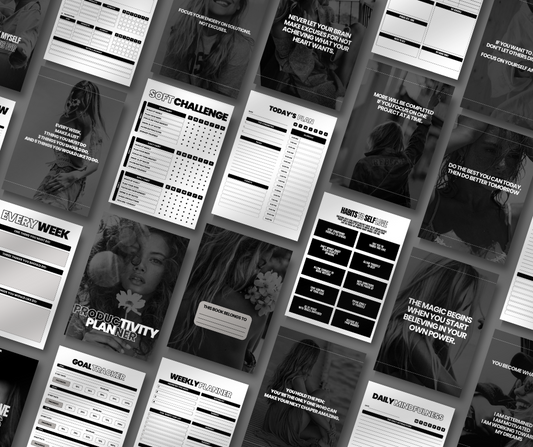
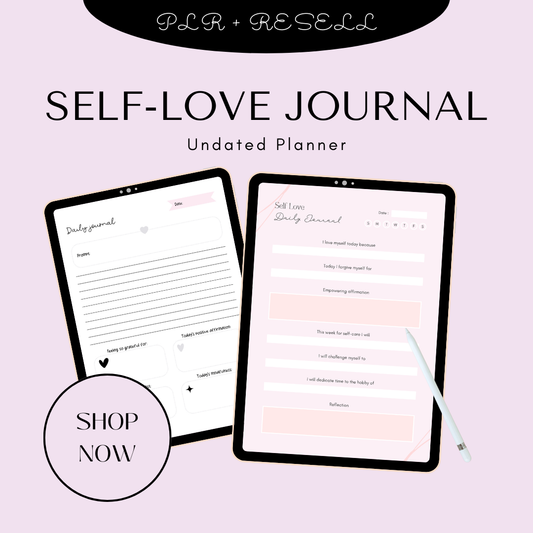
Low-cost digital products are downloadable or access-based assets that can be created once and sold repeatedly online without physical inventory. Popular examples include printables, templates, ebooks, guides, and PLR (Private Label Rights) content. Because these products are delivered digitally, they remove the need for manufacturing, storage, or shipping—making them one of the most beginner-friendly online business models.
🎥 Prefer watching instead of reading?
Watch the full step-by-step explainer video below.
If you’re researching different formats and ideas, this in-depth guide on digital products to sell breaks down what’s currently working and why digital assets continue to grow in demand.
Why Low-Cost Digital Products Are Ideal for Selling From Home
One of the biggest advantages of selling digital products is how easy it is to start from home. In most cases, all you need is a laptop, internet access, and free tools like Canva or Google Docs. There’s no inventory to manage, no shipping to handle, and no overhead costs like rent or storage.
Many first-time sellers begin by reselling or customizing ready-made assets, which is why curated collections of digital products to sell online are often used as a fast and low-risk entry point into the digital product business.
Profit Potential and Passive Income Appeal
Low-cost digital products are known for their high profit margins, often ranging between 80% and 95%. Once a product is created or customized, it can be sold an unlimited number of times without increasing costs. Even products priced between $5 and $20 can generate consistent monthly income when paired with the right traffic strategy.
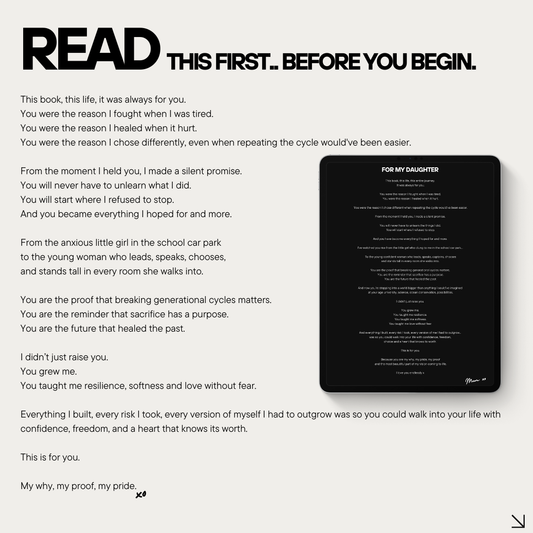
Many entrepreneurs speed up their results by using high-quality PLR content that can be legally rebranded and resold. For example, mindset-focused digital assets like the “Unf*ck Your Limits” 70-page mindset & self-worth transformation ebook (PLR) allow sellers to launch quickly without writing from scratch. Premium guides such as “The Aligned Empire: A Guide to Wealth, Peace & Purpose” also appeal strongly to audiences interested in personal growth and financial alignment.
With automation, unlimited scalability, and minimal startup costs, low-cost digital products offer one of the most realistic paths to building passive income from home.
2. Why Low-Cost Digital Products Are a Smart Home Business
Minimal Startup Investment (Computer + Free Tools)
One of the biggest reasons low-cost digital products are ideal for a home-based business is the extremely low barrier to entry. You don’t need expensive software, inventory, or a physical workspace. A basic laptop, internet connection, and free tools like Canva, Google Docs, or Notion are enough to get started. This makes digital products accessible to beginners, side hustlers, and anyone looking to build an online income without financial risk.
Many sellers choose done-for-you digital products to launch faster, skipping the creation phase entirely while still maintaining full control over branding and pricing.
High Profit Margins (80–95%)
Digital products are known for their exceptionally high profit margins. Once a product is created or customized, there are no ongoing production costs. This allows creators to retain anywhere from 80% to 95% profit per sale, especially when selling through platforms like Etsy, Gumroad, or Payhip.
Because pricing typically ranges from $5 to $30, even small daily sales can add up quickly. Many of the high-demand digital products selling right now fall into this low-cost, high-margin category.
No Inventory, Shipping, or Storage
Unlike physical products, digital products require no storage space, shipping logistics, or fulfillment management. Delivery is fully automated, meaning customers receive their purchase instantly after checkout. This makes the business model stress-free, location-independent, and scalable without added complexity.
Unlimited Reselling and Scalability
Digital products can be sold an unlimited number of times without additional effort. Whether you sell one copy or ten thousand, the workload remains the same. This scalability is what allows sellers to grow without hiring staff or increasing expenses.
PLR products, in particular, are designed for resale and customization. Learning how PLR digital products work can dramatically reduce your time to market while still allowing you to create a unique brand.
Realistic Income Expectations ($500–$15,000 per Month)
While results vary, many sellers report earning anywhere between $500 and $15,000 per month selling low-cost digital products. Beginners often start small, earning their first sales within weeks, then scale through SEO, Pinterest, or social media traffic. Consistency, niche targeting, and product quality are the biggest drivers of long-term success.
3. Top Low-Cost Digital Products You Can Sell
3.1 Printable Planners and Trackers
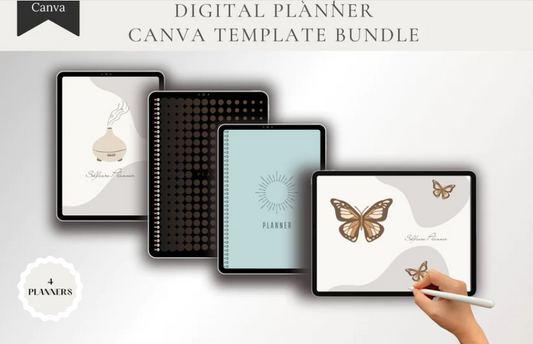
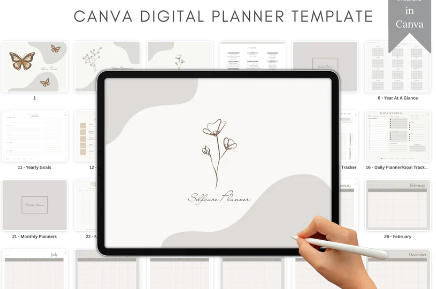
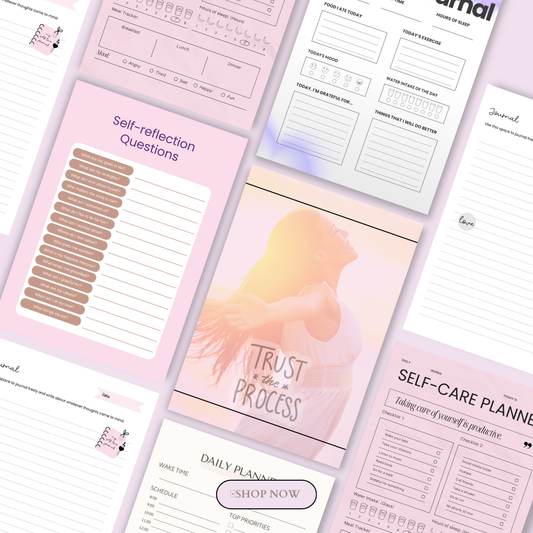
Printable planners and trackers are among the most profitable low-cost digital products, especially for beginners.
They perform well in niches such as:
-
Habit tracking
-
Expense and budget management
-
Health, fitness, and productivity
These products are quick to create in Canva and can start generating sales within 7 to 30 days when optimized for Etsy SEO. For example, niche-focused planners like the Health & Fitness Planner are consistently in demand.
If you want a ready-made starting point, collections like Plan & Prosper offer professionally designed planners that can be customized and resold.
3.2 Social Media Templates
Social media templates are in extremely high demand, particularly on Etsy. Businesses, influencers, and creators are constantly looking for visually appealing content that saves them time.
Common use cases include:
-
Instagram branding
-
Carousel posts
-
Content planning and launches
Templates can be quickly edited using free Canva tools. Products like Positivity Pop Canva Carousel Templates are strong examples of low-cost, high-appeal designs. You can also explore niche-specific template collections such as Post Perfection for scalable ideas.
3.3 Notion Templates
Notion templates are growing rapidly in popularity, especially within productivity, organization, and business systems niches. These templates help users manage tasks, goals, finances, or workflows in one centralized dashboard.
They require zero upfront cost to create and can be built using free Notion accounts. Demand is especially strong among freelancers, students, and entrepreneurs who want ready-made systems instead of building from scratch.
3.4 Ebooks and PLR Bundles
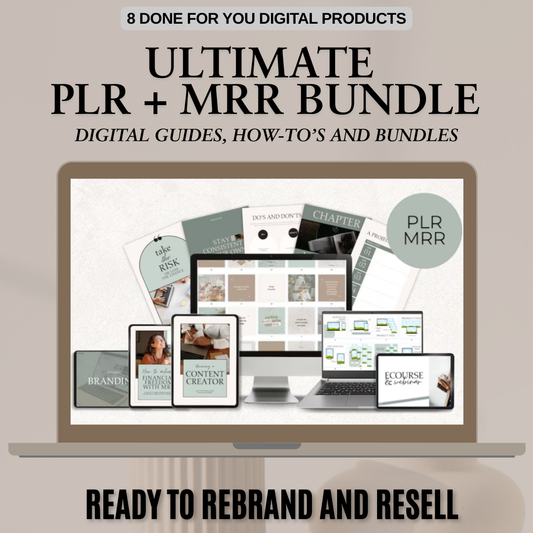
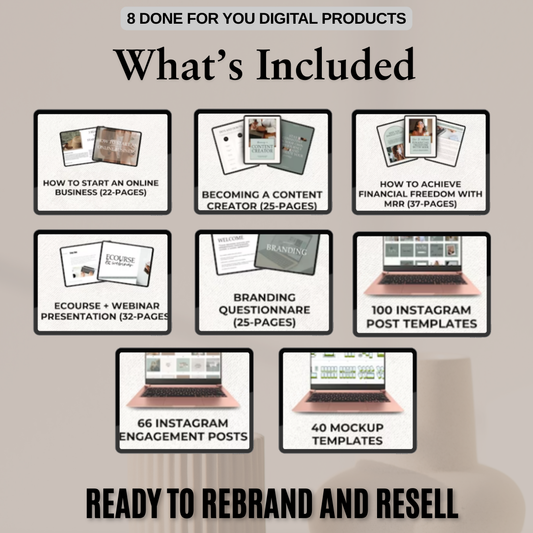
Ebooks and PLR bundles are powerful because they allow sellers to offer high-value content without spending months writing. PLR (Private Label Rights) products can be purchased for as little as $7–$97, then rebranded, edited, and resold as your own.
This model works particularly well in niches like mindset, business, health, and self-improvement. To understand how this works in practice, this YouTube walkthrough on PLR reselling breaks down the process step by step.
You can also explore curated PLR resources like Words That Sell to find content optimized for conversions and resale.

4. Free and Low-Cost Tools to Create Digital Products
Creating digital products does not require expensive software or technical expertise. Many of today’s best-selling digital products are built using free tools that allow creators to design, customize, and export professional assets from home. If you’re new to this business model, this complete beginner’s guide to digital products explains how these tools fit into the creation process.
4.1 Canva (Free Tier)
Canva is one of the most popular tools for creating low-cost digital products, especially for beginners. Its free tier is more than enough to design professional-looking assets without upgrading.
You can use Canva to create:
-
Worksheets and checklists
-
Printable planners and trackers
-
Social media templates
-
Mockups and marketing graphics
No paid subscription is required to get started, making Canva ideal for home-based entrepreneurs. Many of the most popular digital products sold on social media platforms—including carousel posts and branded templates—are designed entirely in Canva. Collections like Post Perfection showcase how Canva-based designs can be packaged for resale.
4.2 Google Docs and Notion
Google Docs and Notion are powerful, free tools for creating text-based and system-based digital products.
They are commonly used to create:
-
Ebooks and guides
-
Printable planners
-
Trackers and workbooks
Google Docs allows for simple formatting and easy export to PDF, while Notion is ideal for building interactive productivity systems. These tools are especially useful for creators who want to focus on content rather than design. Many sellers combine written products with visual elements or expand into complementary assets like AI prompt packs to increase product value.
4.3 Figma
Figma is a free design tool used for creating more advanced and scalable digital products. While it has a steeper learning curve than Canva, it offers greater flexibility for complex layouts and systems.
Figma is ideal for:
-
Advanced templates
-
UI-style planners and dashboards
-
High-end branding assets
Because designs can be duplicated and customized easily, Figma is often used by sellers creating premium digital products or bundled offers. It pairs well with visual assets such as those found in AI image collections, allowing creators to build polished, high-value products.
4.4 PLR Resource Websites
PLR (Private Label Rights) resource websites allow you to purchase ready-made digital products that you can legally rebrand, edit, and resell. This significantly reduces creation time and is ideal for beginners who want to launch quickly.
Popular PLR resources include:
-
Resell Ready – offers done-for-you planners, templates, ebooks, and educational content such as digital product masterclasses
-
InDigitalWorks – a well-known marketplace for editable PLR packs
-
Gabi Digital Products – focused on niche-specific PLR bundles
PLR tools are especially useful for creators targeting fast-moving trends or social media audiences. When combined with customization and branding, PLR products can be transformed into unique, high-profit digital assets.
5. Best Platforms to Sell Digital Products From Home
Choosing the right platform plays a major role in how quickly you can start making sales. The best platforms for selling digital products from home offer built-in traffic, low fees, and automated delivery—allowing creators to focus on product quality and marketing instead of tech setup. These platforms are commonly used by sellers building passive income through digital products that make money.
5.1 Etsy
Etsy is one of the most beginner-friendly platforms for selling digital products, especially printables, templates, and planners. Its biggest advantage is built-in buyer traffic—customers are already searching for solutions, which reduces the need for paid advertising.
Key benefits of Etsy include:
-
Built-in search traffic
-
Low listing fees (typically $0.20 per listing)
-
Simple setup for first-time sellers
Because Etsy favors niche-specific products, sellers who target trends like productivity, branding, or aesthetics often see faster traction. Many of the best digital products to sell online in 2026 are already performing well on Etsy due to strong keyword intent.
5.2 Gumroad
Gumroad is a popular choice for creators who want full control without monthly fees. It allows instant setup and handles digital delivery automatically, making it ideal for solo entrepreneurs and home-based sellers.
Gumroad is especially useful for:
-
Selling ebooks, PLR bundles, and AI products
-
One-page checkout funnels
-
Automated global tax handling
Creators selling digital assets like AI prompts or image bundles often choose Gumroad for its simplicity. Products such as the Influencer Energy AI Prompt Pack are well-suited for Gumroad’s frictionless checkout experience.
5.3 Payhip and Easytools
Payhip and Easytools offer free plans with automated digital delivery, making them excellent options for sellers who want more branding control than Etsy but less complexity than a full website.
These platforms are ideal for:
-
Hosting multiple digital products
-
Offering instant downloads
-
Scaling without high overhead costs
They are commonly used by creators selling bundled offers, branded template packs, or premium collections like the Glow Lab Co. Skincare Content Template Bundle or visual assets such as the Iconic Femme AI Image Collection.
6. How to Get Started Quickly (Beginner Roadmap)
Starting a digital product business doesn’t require months of preparation. With the right steps, many beginners make their first sale within weeks. This process aligns closely with the digital product business model that prioritizes speed, automation, and scalability.
Step 1: Validate Product Ideas
Begin by researching what people are already buying. Use Etsy search, autocomplete suggestions, and tools like eRank to identify demand and competition. Look for specific, low-competition keywords rather than broad terms. Many beginners find inspiration through step-by-step digital product creation guides that explain this validation process in detail.
Step 2: Identify Low-Competition Keywords
Focus on long-tail keywords that reflect buyer intent, such as niche planners or aesthetic templates. This strategy helps your listings rank faster, especially on Etsy and Pinterest.
Step 3: Customize Your Product in Canva
Once you’ve chosen a product idea, customize it using Canva or similar free tools. Avoid generic designs—branding, color palettes, and layout personalization significantly increase perceived value. Done-for-you assets are commonly used by beginners, including stay-at-home parents building income streams like those featured in how stay-at-home moms make money with digital products.
Step 4: Price Strategically ($5–$20 Range)
Most low-cost digital products perform best when priced between $5 and $20. This range encourages impulse purchases while still allowing high profit margins due to zero fulfillment costs.
Step 5: Write SEO-Optimized Listings
Your product title, description, and tags should include your main keyword naturally. Focus on benefits, use cases, and outcomes rather than just features. Clear, keyword-rich listings are essential for visibility.
Step 6: Drive Free Traffic
Use Pinterest and Instagram to promote your products organically. Pinterest works especially well for planners, templates, and educational products, while Instagram favors branding and visual assets. When combined with SEO-optimized listings, free traffic channels can generate consistent sales without paid ads.
7. How Passive Income Works With Digital Products
One of the biggest reasons entrepreneurs choose digital products is their ability to generate passive income from home. Unlike service-based businesses, digital products rely on systems and automation rather than time-for-money exchanges.
Automation and Delivery
Digital products are delivered automatically after purchase through platforms like Etsy, Gumroad, Payhip, or Easytools. Once your product is uploaded, customers can buy and download it instantly—without any manual involvement. This automation is what allows sellers to earn around the clock, even while they sleep.
Many creators enhance their offers with visual or AI-based assets such as the AI Imagery Pack (NYNM) or short-form content tools like Reel Power Packs to increase perceived value without increasing workload.
One-Time Creation vs Repeated Sales
The key difference between digital products and physical or service-based businesses is leverage. A digital product is created once but can be sold hundreds or thousands of times. Whether you sell one copy or ten thousand, your effort remains the same.
This model is clearly explained in resources that break down why digital products are the future of eCommerce and how they outperform traditional business models in scalability and margins.
Scaling Without Added Costs
As traffic increases, digital products scale without additional expenses. There’s no need to hire staff, increase inventory, or manage logistics. This makes them one of the most sustainable ways to build long-term income online. Many sellers expand simply by adding new listings, bundles, or niches—often using PLR or done-for-you assets.
For a practical breakdown of how creators turn this into consistent income, this YouTube guide on digital product passive income offers a clear overview of the process.
8. Common Mistakes to Avoid When Selling Digital Products
While the digital product business has low barriers to entry, there are common mistakes that can slow growth or prevent sales entirely.
Choosing Oversaturated Niches
Many beginners jump into broad niches without research. Oversaturated categories make it harder to rank and convert. Instead, focus on underserved or unique angles, such as those highlighted in unique digital products most people overlook.
Poor Customization of PLR
PLR products must be customized to stand out. Simply uploading a generic product often leads to poor performance. Branding, rewriting sections, and adjusting layouts are essential to differentiate your offer and build trust.
Incorrect Pricing
Pricing too low can signal low value, while pricing too high can reduce conversions—especially for beginner shops. Most successful low-cost digital products fall within the $5–$20 range, balancing impulse buys with strong profit margins.
Ignoring SEO
SEO is one of the most overlooked factors in digital product success. Without keyword optimization, even great products won’t be found. This applies to Etsy listings, blog content, and standalone product pages. Learning how digital products are discovered online is essential for long-term visibility.
9. Conclusion
Low-cost digital products offer one of the most accessible and scalable ways to make money from home. With minimal startup costs, no inventory, and the ability to automate sales, they provide an opportunity to build income without traditional business risks.
Whether you start with a simple planner, a Canva template, or a rebranded PLR ebook, the key is to begin with one focused product, validate demand, and improve as you go. Over time, these small steps can compound into a reliable, long-term income stream—fully managed from home.
The continued growth of this industry reinforces why digital products are becoming the preferred business model for modern entrepreneurs.
10. Related Reads
To continue learning and scaling your digital product business, explore these helpful resources:
Frequently Asked Questions (FAQs)
1. What are the best low-cost digital products to sell from home?
Some of the best low-cost digital products to sell from home include printable planners, trackers, social media templates, Notion templates, ebooks, and PLR digital products. These items require little to no upfront investment, can be created using free tools, and can be sold repeatedly for high profit margins.
2. How much money can you realistically make selling digital products?
Earnings vary based on niche, product quality, and marketing strategy. Beginners often earn their first $100–$500 within the first month, while consistent sellers commonly generate $1,000–$5,000 per month. With multiple products and optimized traffic, some sellers scale to $10,000–$15,000 per month selling digital products from home.
3. Do I need design or technical skills to create digital products?
No. Most digital products can be created using beginner-friendly tools like Canva, Google Docs, or Notion. Many sellers also use done-for-you or PLR products, which can be customized and resold without advanced design or technical skills.
4. Are PLR digital products legal to resell?
Yes, PLR (Private Label Rights) digital products are legal to resell as long as you follow the license terms. Most PLR products allow you to edit, rebrand, and sell the content as your own. Customization is recommended to stand out and improve conversions.
5. How long does it take to get the first sale?
Many sellers get their first sale within 7 to 30 days, especially when listing products on platforms like Etsy with strong SEO. Choosing a low-competition niche, writing keyword-optimized listings, and promoting through free traffic sources like Pinterest or Instagram can significantly speed up results.
🎬 Want a visual walkthrough?
If you’d rather watch than read, here’s the full explainer video covering everything in this guide: