







Every online business starts with the same big question: what should you sell? Something customers can hold in their hands, or something they can download in seconds? Choosing between the two shapes everything that follows, from your startup costs and daily workload to how much profit you keep from each sale.
🎥 Prefer watching instead of reading?
Watch the full step-by-step explainer video below.
In this guide, we break down the digital product vs physical product pros and cons in plain terms. You'll see how each model works, where each one shines, and where each one struggles. We'll also compare 2026 profit margin benchmarks side by side, so you can pick the model that fits your budget, your time, and your long-term income goals, whether you're selling in the USA, the UK, or Australia.
What Are Digital and Physical Products?
Before comparing profits and pitfalls, it helps to be clear on what separates the two. The difference comes down to how each product is made and delivered, and that difference affects nearly every part of running your business.
What Is a Digital Product?
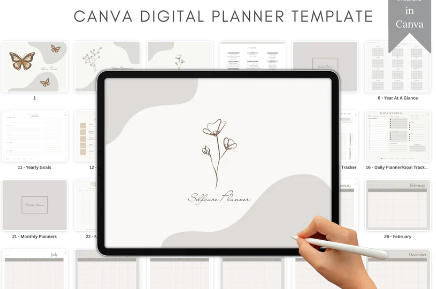
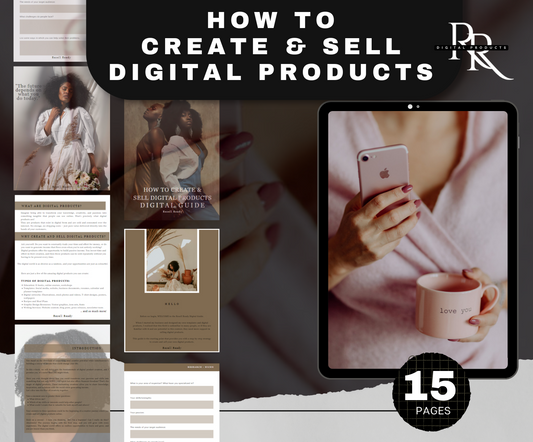
A digital product is an intangible item delivered electronically. You create it once and sell it again and again, with no inventory to store, no packaging to buy, and nothing to ship. If you're new to the concept, our guide to what digital products are and how they work covers the basics in more depth.
Popular examples include ebooks, templates, presets, music, AI prompt packs, and online courses such as expert-led business and marketing masterclasses. Licensed content is another fast-growing category, especially PLR digital products that you can rebrand and sell as your own. For more inspiration, browse our list of 100 digital products you can sell online in 2026.
What Is a Physical Product?
A physical product is a tangible item that must be manufactured, stored, packed, and shipped every time someone places an order. Common examples include clothing, accessories, printed books, home goods, and electronics. Each sale requires another unit to be produced and delivered, which means ongoing costs for materials, inventory management, and logistics.
Digital Products: Pros and Cons
Digital products have become one of the most popular ways to start an online business, and for good reason. But they aren't a shortcut to effortless riches. Here's an honest look at both sides.
Pros of Selling Digital Products
High profit margins. Digital products typically deliver margins of 70–90% or more after platform fees. Because there's no per-unit manufacturing or shipping cost, most of every sale stays in your pocket. It's one of the main reasons high-margin items feature so heavily in Shopify's guide to the best digital products to sell online.
Low overhead. There's no stock to buy upfront, no warehouse, and no courier bills. Your main costs are the one-time effort of creating the product plus small transaction fees. You don't even need to build everything from scratch, since there are plenty of digital products you can create using ChatGPT and other AI tools.
Instant, automated delivery. Files, course logins, or download links reach customers the moment they pay. Once your store is set up (our step-by-step guide to selling digital products online walks you through it), sales can happen around the clock without you lifting a finger. This is exactly why digital products for passive income are so appealing.
Unlimited scalability. Selling to one customer or 10,000 costs almost the same. Your growth isn't limited by stock levels or packing time.
Global reach with no customs. A buyer in New York, Manchester, or Melbourne can purchase and download instantly, with no international shipping rates, import duties, or delivery delays.
Eco-friendly. With no packaging, freight, or last-mile delivery, digital products carry a much smaller carbon footprint than shipped goods.
Cons of Selling Digital Products
Perceived value challenges. Buyers may compare your product to free content online or struggle to see the value of something they can't touch. Strong branding makes a big difference here, which is why a resource like The Ultimate Branding Course with Master Resell Rights can help you present your products as premium.
Piracy risk. Digital files are easier to copy and share. Clear licensing terms, watermarks, and members-only access help reduce this risk.
Higher refund and chargeback exposure. Digital goods tend to see dispute rates of roughly 1.2–2.0%, since value feels subjective once a buyer has already accessed the product. A clear refund policy and accurate product descriptions help keep disputes low.
Requires strong, outcome-based positioning. Listing features isn't enough. Buyers want to know what result your product will deliver, whether that's saving time, earning money, or learning a skill. Building an audience that trusts you also matters; the Anti-Algorithm Growth Guide shows how to build a brand that leads rather than chases trends, while the Organic Growth Marketing Bundle covers practical ways to attract buyers without relying on paid ads.

Physical Products: Pros and Cons
Physical products still make up a huge share of online sales across the USA, the UK, and Australia. They offer real advantages, but they also come with costs and complications that digital sellers never face.
Pros of Selling Physical Products
Tangible value. Customers can see, touch, and own a physical item, which often increases its perceived worth and their willingness to pay a higher price.
Ongoing brand visibility. Merchandise, prints, and everyday products stay in a customer's home, office, or bag, quietly marketing your brand every time they're used or seen.
Gifting and collectibility. Physical items are easy to gift, display, and collect, which helps build a loyal community around your brand.
Lower dispute rates. Chargebacks are typically lower for physical goods, at roughly 0.3–0.6%, because delivery and product condition are easier to verify.
Cons of Selling Physical Products
Lower profit margins. Gross margins usually sit around 30–50%, and net margins often fall to 10–20% once advertising, shipping, and overheads are paid.
Operational complexity. You'll need to manage inventory, packaging, shipping, returns, and the risk of running out of stock at the worst possible moment.
Slower scaling. Every extra sale means producing, storing, and shipping another unit, so growth requires more cash, space, and time.
Shipping and customs barriers. International orders bring higher delivery costs, longer wait times, import duties, and compliance rules that vary from country to country.
Environmental impact. Packaging, freight, last-mile delivery, and returns all add to your carbon footprint.
Profit Margins: Digital vs Physical Products (2026 Benchmarks)
Margins are where the difference between the two models becomes impossible to ignore. Here's how they compare on the numbers that matter most:
|
Metric |
Digital Products |
Physical Products |
|
Typical gross margin |
70–90%+ |
30–50% gross; 10–20% net |
|
Marginal cost per sale |
Near zero (platform and payment fees only) |
Cost of goods, packaging, shipping, returns |
|
Break-even point |
Faster, thanks to low upfront costs |
Slower, due to inventory investment |
|
Scalability |
Virtually unlimited |
Limited by production and cash flow |
|
Chargeback rate |
~1.2–2.0% |
~0.3–0.6% |
Worked Example: Selling a $40 Product
Digital product: A $40 template bundle might net around $35–38 per sale after fees. To earn $5,000, you'd need roughly 130–140 sales, with no stock to buy and nothing to ship.
Physical product: A $40 item with a 40% gross margin leaves about $16 per sale before ads and overheads. You'd need more than 300 sales just to reach $5,000 in gross profit, and considerably more to take home $5,000 once advertising, storage, and returns are paid, all while managing inventory and shipping.
Same price point, very different outcome.
Which Is More Profitable in 2026?
For most new sellers, digital products become profitable faster. Low startup costs, high margins, and instant scalability mean you can recover your initial investment quickly and grow without taking on more risk. If you're still deciding what to create, our list of profitable digital products to sell is a great place to start.
That said, physical products can still be highly profitable where tangibility matters, such as fashion, luxury goods, collectibles, or brands with strong local demand.
Many sellers now combine both in a hybrid model. A printed planner can be paired with downloadable versions from a range of digital planners, or a physical journal can be sold alongside a printable self-love journal. Hybrid bundles raise your average order value while giving customers both practical tools and a keepsake they love.
Why Digital Products Are Ideal for Passive Income
If your goal is income that doesn't depend on trading every hour for money, digital products for passive income are hard to beat. It's no surprise they sit at the heart of so many successful side hustles for financial freedom.
Automated delivery. Once your store and checkout are set up, every order is delivered instantly. Done-for-you sales funnels can take this a step further by guiding buyers from first click to purchase automatically.
Evergreen sales. A well-made product, such as a set of AI prompt packs, can keep selling for months or even years with only occasional updates.
Easy bundling and upselling. You can package related products together, like the planners and tools in the Plan & Prosper collection, to increase each order's value without adding costs.
Pairs perfectly with content marketing. Blog posts, Pinterest pins, and social media keep bringing buyers to your store long after you hit publish. The Instagram Growth Masterclass shows how to grow an engaged audience, while the Words That Sell collection helps you write copy that converts.
Of course, "passive" doesn't mean "no work." You still need to create or source your products, build your store, and drive traffic. Done-for-you digital products remove the creation step entirely, so you can focus your energy on marketing and sales.
When to Choose Each Model
There's no single right answer for every business. The best choice depends on your budget, your audience, and how much logistics you're willing to manage.
Choose Digital If…
-
You're bootstrapping and want to become profitable quickly without buying stock upfront.
-
Your value lies in knowledge, workflows, or creative assets such as templates, guides, or courses.
-
You want to reach buyers worldwide without shipping or customs headaches. As Wix's guide to digital products points out, there's no storage or inventory to worry about.
-
You plan to update or improve your product regularly.
Not sure where to sell? Our comparison of the top digital product selling platforms for 2026 can help you choose.
Choose Physical If…
-
Your audience values ownership, display, or gifting.
-
Your brand is built on a tangible experience, such as apparel, art, or luxury goods.
-
You have strong local demand or retail partnerships.
-
You can manage inventory and fulfilment reliably.
Consider a Hybrid Model If…
-
You want to increase your average order value.
-
Your audience wants both practical tools and something that reflects their identity.
-
You're ready to run two fulfilment systems from one store, for example a course paired with a printed workbook, or printed planners alongside The Planner Collection. Taap.bio's creator guide explores hybrid strategies in more detail.
The Fastest Way to Start: PLR Digital Products
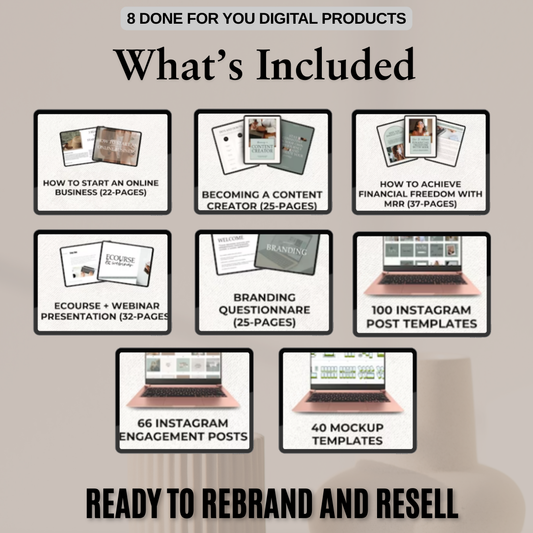
The biggest hurdle with digital products is the time it takes to create them. PLR (Private Label Rights) and MRR (Master Resell Rights) products solve that problem by giving you ready-made products you can rebrand, price, and sell as your own, with digital-level margins from day one.
Instead of spending weeks writing and designing, you could launch this week with a themed bundle like the Money Mindset Collection or the New Year New Me Collection. Pair them with eye-catching mockups using our guide to creating digital product images, and you're ready to sell.
Frequently Asked Questions
Are digital products more profitable than physical products?
In most cases, yes. Digital products often keep 70–90% or more of each sale, while physical products commonly net 10–20% after costs. OSOSS and Conversion Pro Plus both break down these margin differences in detail.
What are the best digital products for passive income?
Popular choices include planners, journals, templates, ebooks, courses, AI prompt packs, and social media content bundles like The Content Girl Collection. For more ideas, see our ultimate list of digital products to sell online.
Can physical products be passive income?
Partly. Print-on-demand and dropshipping remove much of the stock handling, but margins are usually lower, and you'll still deal with customer service, delays, and returns.
Is it better to start with digital or physical products?
For most beginners, digital is the lower-risk starting point. You can test ideas cheaply, build an audience, and add physical products later if demand is there.
Do I need to create my own digital products to start selling?
No. PLR and MRR products let you sell professionally made content under your own brand, so you can focus on marketing instead of creation.
Final Thoughts
Digital products offer higher margins, easier scaling, and lower startup risk, making them ideal for beginners and solo business owners. Physical products bring tangible value and a strong sense of brand identity, but demand more capital and day-to-day management. Many successful sellers start with a digital flagship product, add a signature physical item later, and eventually combine both in hybrid bundles.
The quickest way to begin? Start with ready-made, rebrandable products.
🎬 Want a visual walkthrough?
If you’d rather watch than read, here’s the full explainer video covering everything in this guide: