








1. Introduction: Do Digital Products Really Create Passive Income?
Digital products have become one of the most profitable passive income streams in the U.S. online economy—but do they really work, or is it just hype?
In simple terms, digital products are downloadable or access-based assets that customers can purchase online without physical delivery. These include ebooks, templates, planners, online courses, memberships, and AI-powered resources. Once created, digital products can be sold again and again with little to no additional effort, making them ideal for scalable income.
🎥 Prefer watching instead of reading?
Watch the full step-by-step explainer video below.
Unlike traditional businesses that require inventory, shipping, or constant client work, digital products operate on a one-time creation, unlimited sales model. This is how creators are earning consistent monthly income—even while sleeping. Many sellers start with simple assets like ebooks or Canva templates and later expand into courses or memberships.
Platforms such as Etsy, Gumroad, and Shopify have made it easier than ever to sell digital downloads to a global audience. Etsy drives organic search traffic for planners and templates, Gumroad simplifies instant delivery, and Shopify allows full brand control for scaling long-term digital businesses. You can explore a deeper breakdown of digital product types and use cases in this guide on
👉 what digital products are and how they sell.
One of the fastest ways beginners enter this space is through PLR (Private Label Rights) digital products, which allow you to legally edit, rebrand, and resell content as your own. For example, mindset ebooks like
👉 this 70-page self-worth and mindset transformation PLR ebook
can be customized and sold as a standalone product, bonus, or lead magnet.
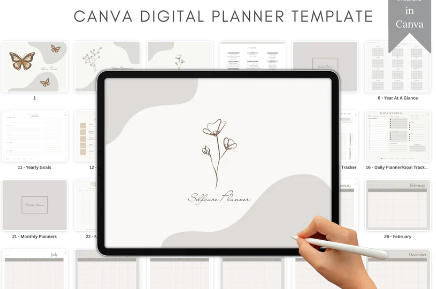
Visual content is also exploding in demand. Creators are earning passive income by selling aesthetic Canva templates for social media, blogs, and digital brands—such as
👉 this Brat-aesthetic positivity Canva template bundle
or niche-specific collections like
👉 luxury skincare content template bundles
that brands can instantly use.
In this guide, you’ll learn:
-
Which digital products actually make money (based on real platforms and earnings)
-
The best passive income digital product ideas for 2026
-
How PLR can shortcut creation time while keeping margins high
-
Where to sell digital products for maximum visibility
-
How creators turn simple downloads into courses and recurring revenue, including advanced strategies outlined in
👉 this step-by-step guide on using PLR for course creation
If you’re looking for a realistic, scalable way to build passive income online, digital products remain one of the lowest-risk and highest-margin opportunities available today.
2. Why Digital Products Are One of the Best Passive Income Models
Digital products are considered one of the best passive income models in the United States because they combine low startup costs, automation, and massive scalability—a rare combination in online business.
Upfront Effort, Long-Term Automation
The biggest advantage of digital products is that the work happens once, but the income can continue for years. Whether you create an ebook, a printable planner, or a content kit, the asset can be uploaded to platforms like Etsy or Gumroad and sold automatically without daily involvement.
For example, wellness and skincare printables like
👉 this 40-page glow ritual & skincare planner PLR
can be customized in Canva and sold repeatedly, generating income long after the initial setup.
No Inventory, Shipping, or Overhead
Unlike physical products, digital products require:
-
No storage
-
No shipping fees
-
No packaging
-
No customer handling delays
Delivery is instant, which means zero fulfillment cost and far fewer operational headaches. This makes digital products especially attractive for solopreneurs and side hustlers aiming to replace traditional income streams. Many creators are now using digital products as a path toward full-time online income, as explained in
👉 this guide on digital products that can replace your 9–5 job.
High Profit Margins (80–100%)
Once a digital product is created, each sale is almost pure profit. Most sellers report 80–100% profit margins, especially when using PLR (Private Label Rights) products that reduce creation time.
For instance, selling a pre-built Instagram content kit like
👉 this skincare Instagram PLR bundle
means you’re monetizing a ready-made asset with minimal customization and no recurring costs.
Evergreen Demand and Unlimited Scalability
Digital products solve evergreen problems—productivity, wellness, money, business growth, self-care, and marketing. These needs don’t disappear, which is why planners, templates, and educational content sell year-round.
Unlike freelancing or services (where time = money), digital products scale infinitely. You can sell 1 copy or 10,000 copies of the same product without extra work. This is why Etsy-based sellers continue to dominate niches like planners and templates, a trend highlighted in
👉 this breakdown of the best digital products to sell on Etsy.
Market Proof: Real Numbers, Real Sellers
The global shift toward digital consumption is backed by data. Etsy’s Gross Merchandise Sales (GMS) has crossed $13B+, with digital downloads being one of the fastest-growing categories. Sellers regularly report earning:
-
$500–$3,000/month from a single digital product
-
$5,000+/month through bundles and automation
-
Passive income streams that fund long-term financial goals
This aligns closely with the growing movement toward financial freedom through side hustles, especially digital-first models
👉 as explored here.
3. How Digital Products Make Money (Passive Income Breakdown)
Understanding how digital products generate income helps explain why they outperform many traditional side hustles.
Creation Phase vs Monetization Phase
Digital product income happens in two clear stages:
Creation Phase
-
Writing the content (or customizing PLR)
-
Designing in Canva or similar tools
-
Packaging the product (PDF, templates, videos)
Monetization Phase
-
Uploading to marketplaces
-
Optimizing listings with SEO
-
Automating delivery and payments
Once the creation phase is complete, the monetization phase can run almost entirely on autopilot.
Automation: Delivery, Payments, and Email Sequences
Digital products are powered by automation:
-
Customers pay → instant download delivered
-
Platforms handle VAT, files, and access
-
Optional email sequences nurture upsells
This means you can earn income without manual involvement per sale, which is the core of true passive income.
Evergreen Marketing: SEO & Marketplace Traffic
Most digital products make money through search-based discovery, not constant posting:
-
Etsy SEO brings buyers actively searching for solutions
-
Google ranks blog content that promotes your products
-
Pinterest and email lists extend product lifespan
Because people search for planners, templates, and guides daily, well-optimized listings continue selling for months or years.
Affiliate and Bundle-Based Income Streams
Advanced sellers increase income by:
-
Bundling multiple digital products together
-
Creating tiered offers (basic + premium)
-
Adding affiliate links inside products
-
Turning products into memberships or subscriptions
For example, a single skincare planner can later become:
-
A bundle with social media templates
-
A monthly self-care membership
-
A bonus inside a paid course
This layered monetization model is how digital product creators turn small downloads into sustainable, long-term passive income systems.
4. Top Digital Products That Make Money in 2026
As digital consumption continues to grow, 2026 is shaping up to be a breakout year for high-margin, automation-friendly digital products. Based on current trends, platform data, and creator earnings, the following product types are expected to dominate passive income opportunities.
If you’re new to digital selling, this
👉 beginner’s step-by-step guide to creating digital products that sell
provides helpful context before diving in.
4.1 Online Courses (Highest Scalability)
What They Are
Online courses are structured digital programs designed to teach a specific skill, transformation, or outcome—delivered through videos, PDFs, templates, or portals.
Why They Work for Passive Income
Courses are one of the most scalable digital assets available. Once recorded and uploaded, they can sell repeatedly with automated access and minimal upkeep.
Typical Pricing
Most profitable online courses start at $97+, with premium offers ranging from $297 to $1,000+.
Best Platforms
-
Teachable
-
Thinkific
-
Kajabi
Estimated Monthly Income
Well-positioned courses earn anywhere from $1,000 to $50,000+ per month, depending on niche, traffic, and offer structure.
Time Required to Create
-
Average: 1–2 months
-
Faster launches possible using PLR or MRR foundations
For example, creators often accelerate launches using done-for-you assets like
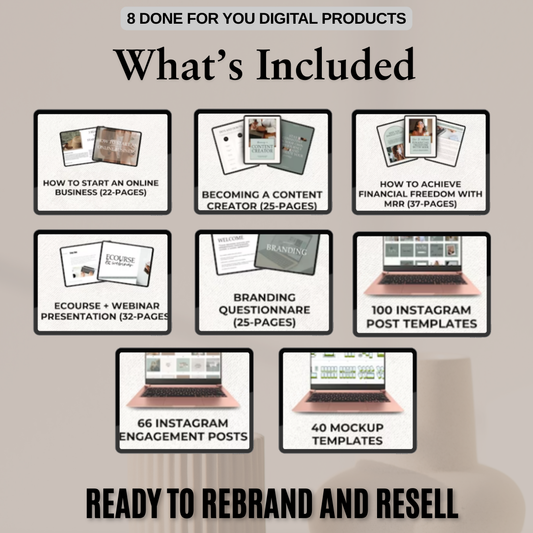
👉 The Ultimate Branding Course with Master Resell Rights
which can be customized, rebranded, and sold legally.
4.2 Ebooks & Digital Guides
Use Cases and Niches
Ebooks perform exceptionally well in niches such as:
-
Business & branding
-
Personal growth and mindset
-
Skincare, wellness, and self-care
-
Marketing and social media
Platforms
-
Amazon KDP
-
Gumroad
-
Shopify
Passive Income Potential
Ebooks typically generate $200–$5,000 per month, with top sellers exceeding this through bundles and upsells.
Creation Timeline
-
2–4 weeks (much faster using PLR)
Evergreen vs Trend-Based Books
-
Evergreen ebooks (branding, mindset, systems) sell consistently
-
Trend-based guides spike quickly but require updates
A strong example of evergreen positioning is
👉 Anti-Algorithm Growth Guide,
which focuses on long-term brand authority rather than short-lived trends.
4.3 PLR-Based Templates, Planners & Toolkits
What PLR Is and How It Works
PLR (Private Label Rights) allows you to edit, brand, and resell digital products as your own, legally and ethically.
Why PLR Enables Fast Launches
Instead of starting from scratch, PLR lets you:
-
Launch in days instead of months
-
Focus on marketing and optimization
-
Maintain 80–100% profit margins
Customization for Uniqueness
Successful sellers customize PLR by:
-
Editing copy and visuals
-
Niching down the audience
-
Bundling related assets
Collections like
👉 Word That Sell and
👉 Plan & Prosper
are popular starting points for planners, prompts, and productivity tools.
Etsy Performance Benchmarks
-
200+ sales per listing is common in high-demand niches
-
Top shops earn $500–$10,000/month from PLR-based products
Ideal PLR Product Formats
-
Planners & trackers
-
Content calendars
-
Caption banks & copy templates
-
DFY toolkits and guides
4.4 Memberships & Subscriptions
How Memberships Create Recurring Passive Income
Memberships convert one-time buyers into monthly recurring revenue, making them one of the most powerful long-term income models.
Content Types That Work Best
-
Monthly templates or prompts
-
Exclusive training or mini-courses
-
Content drops and updates
-
Community access
Platforms
-
Patreon
-
Kajabi
Revenue Scalability Potential
Even 200 members paying $25/month equals $5,000 in predictable income. Larger memberships scale to $100K+/month.
Initial Setup Requirements
-
Core content library
-
Simple onboarding
-
Automated billing
Creators often combine memberships with ready-made assets like
👉 Post Perfection content systems
to keep value delivery consistent.
4.5 AI Prompts, Packs & Automation Assets
Rise of AI-Enhanced Digital Products
AI-powered digital products are one of the fastest-growing categories in 2026, thanks to low creation time and massive demand.
Examples
-
ChatGPT prompt packs
-
AI workflows and automations
-
Business and marketing prompt systems
You’ll find strong demand in collections such as
👉 AI Prompt Packs and
👉 DFY Sales Funnels.
Low Creation Time, Fast Validation
Many AI products can be created and launched in days, making them ideal for testing markets quickly.
Best-Selling Platforms
-
Gumroad
-
Etsy
-
Shopify
Income Expectations
-
Entry-level: $100–$1,000/month
-
Scaled bundles and subscriptions can exceed $5,000/month
Complementary assets like
👉 Lightroom Preset collections
are often bundled with AI products to increase perceived value.

For a broader view of what’s trending this year, see
👉 Best digital products to sell online in 2026.
5. Comparison Table: Digital Products That Make Money
To help you quickly evaluate which digital product fits your goals, timeline, and income expectations, here’s a side-by-side comparison of the most profitable digital products for passive income in 2026.
|
Product Type |
Selling Platforms |
Estimated Monthly Earnings |
Time to Create |
|
Online Courses |
Teachable, Thinkific, Kajabi |
$1,000 – $50,000+ |
1–2 months |
|
Ebooks & Digital Guides |
Amazon KDP, Gumroad, Shopify |
$200 – $5,000 |
2–4 weeks |
|
PLR Templates & Planners |
Etsy, Gumroad |
$500 – $10,000 |
7–30 days |
|
Memberships & Subscriptions |
Patreon, Kajabi |
$2,000 – $100,000+ |
1–3 months |
|
AI Prompts & Automation Assets |
Gumroad, Etsy, Shopify |
$100 – $5,000+ |
Days–2 weeks |
|
Masterclasses & Workshops |
Kajabi, Gumroad |
$1,000 – $25,000 |
2–6 weeks |
Many creators shorten creation time by using done-for-you or PLR-based assets, allowing them to focus on traffic and conversions instead of starting from scratch. Collections like
👉 ready-made masterclasses
are often customized and launched quickly as premium digital offers.
If you want a deeper breakdown of which formats are easiest for beginners, this guide on
👉 digital products to sell
offers practical insights based on real seller data.
6. Why These Digital Products Continue to Sell Passively
The reason digital products generate long-term passive income isn’t luck—it’s strategy. The best-selling digital products consistently share four core traits that keep them profitable year after year.
Evergreen Problems They Solve
Top digital products address timeless needs, such as:
-
Making money
-
Improving mindset and confidence
-
Growing a brand or business
-
Saving time and staying organized
-
Health, beauty, and self-improvement
For example, mindset-based products like
👉 Money Mindset digital collections
continue selling because financial growth and self-belief are never “outdated.”
Search-Driven Demand (Buyers Are Already Looking)
Unlike social media trends that fade quickly, digital products benefit from intent-based search traffic:
-
Google searches for guides, planners, and templates
-
Etsy searches for instant downloads
-
Amazon searches for ebooks and workbooks
This means your products can sell without daily posting, especially when paired with SEO-optimized listings and content.
Platform Algorithms Do the Selling for You
Marketplaces like Etsy and Amazon reward products that convert well:
-
Etsy boosts listings with consistent sales and engagement
-
Amazon promotes ebooks with steady downloads
-
Gumroad favors creators with multiple high-performing products
Once a digital product gains traction, the platform’s algorithm helps maintain momentum. This is why done-for-you digital products often scale faster, as explained in
👉 this breakdown of DFY digital products.
Trends vs Timeless Products (The Balance That Wins)
The most successful digital sellers combine:
-
Timeless core products (planners, guides, mindset tools)
-
Trend-driven add-ons (AI prompts, seasonal templates, aesthetic updates)
PLR-based products are especially powerful here because they allow creators to refresh designs, update language, or bundle new trends without rebuilding from scratch. You can explore how this works in detail in
👉 this guide to PLR digital products.
This balance between evergreen value and trend awareness is what allows digital products to sell passively for months—or even years—after launch.
7. How to Get Started (Beginner-Friendly Roadmap)
Starting with digital products doesn’t require advanced tech skills or a large budget. In fact, most successful creators begin with simple, repeatable systems and scale over time. This roadmap breaks down exactly how beginners can enter the digital product space and build passive income step by step.
If you’re still exploring options, this overview of
👉 digital products to sell
is a great place to understand what works best for beginners.
7.1 Choosing the Right Product Type
The first decision is choosing between skill-based and asset-based digital products.
Skill-Based Products
-
Online courses
-
Coaching programs
-
Workshops or masterclasses
These rely on your expertise and usually earn more per sale but take longer to create.
Asset-Based Products
-
Templates
-
Planners
-
Printables
-
Prompt packs
These are faster to launch and easier to scale because they don’t require ongoing involvement.
Time vs Income Trade-Offs
-
Short on time? Start with templates or PLR-based products
-
Want higher payouts? Build courses or memberships later
Many beginners start with asset-based products and upgrade into skill-based offers once traffic and trust are established. For inspiration, check
👉 15 simple digital product ideas anyone can create.
7.2 Sourcing & Customizing PLR
PLR (Private Label Rights) products are one of the fastest ways to launch digital products—especially for beginners.
Where to Find PLR
PLR content includes ebooks, templates, planners, images, and prompts that you can legally edit and resell. This beginner guide explains it clearly:
👉 What are PLR digital products? (Complete beginner’s guide)
How to Personalize Using Canva
-
Change fonts, colors, and layouts
-
Rewrite titles and sections
-
Add your branding and voice
For example, creators often rebrand assets like
👉 Main Character carousel Canva templates
or visuals from
👉 AI-generated lifestyle image PLR bundles
to create unique, high-converting products.
Avoiding Duplication Issues
-
Combine multiple PLR products into one bundle
-
Target a narrower niche (e.g., skincare brands, coaches, creators)
-
Add bonus pages, checklists, or prompts
This is how sellers turn PLR into original, premium-looking products.
7.3 Selecting the Best Platform to Sell
Choosing the right selling platform directly impacts visibility and income.
Etsy
-
Best for templates, planners, and printables
-
Built-in search traffic
-
Ideal for beginners
Gumroad
-
Best for ebooks, prompt packs, and bundles
-
Simple checkout and instant delivery
-
Great for creators with an audience
Shopify
-
Best for long-term brand building
-
Full control and higher scalability
-
Requires external traffic (SEO, ads, email)
For example, aesthetic content kits like
👉 luxury skincare content template bundles
perform well on Etsy and Gumroad due to visual appeal and instant use.
7.4 Launch & Traffic Basics
Creating a product is only half the equation—traffic and automation drive passive income.
SEO-Driven Listings
-
Use buyer-intent keywords
-
Optimize titles, descriptions, and tags
-
Answer specific problems (not generic ones)
Keyword Research Insights
High-performing keywords often include:
-
“planner”
-
“template”
-
“checklist”
-
“prompt pack”
-
“Canva templates”
Search phrases like content planner, skincare templates, and branding carousel convert well on Etsy and Google.
Automation Setup
-
Instant file delivery
-
Automated emails for upsells
-
Bundles and product ladders
Once your listings are optimized and automation is live, your digital product business can run 24/7 with minimal maintenance.
8. How to Scale Digital Products Into True Passive Income
Creating a digital product is only the first milestone. True passive income comes from scaling—earning more without creating entirely new products from scratch.
Bundling Products (Increase AOV Instantly)
Bundling is one of the fastest ways to multiply revenue. Instead of selling one product for $17, you bundle 3–5 complementary assets and sell them for $47–$97.
Examples of high-performing bundles include:
-
Planners + templates
-
Ebooks + workbooks
-
Content calendars + Canva designs
Many sellers use monthly bundle strategies, such as
👉 New Monthly Digital Drops
to create urgency and recurring launches without extra creation effort.
Turning Products Into Memberships (Recurring Revenue)
Memberships convert one-time buyers into predictable monthly income. Instead of constantly launching new products, you drip content monthly.
Common membership formats:
-
Monthly planners or prompts
-
Content drops for creators
-
Ongoing training libraries
This model is widely recognized as one of the most sustainable passive income systems, as also highlighted in Shopify’s guide to
👉 passive income ideas.
Adding Affiliates (Sell Without Creating Content)
Affiliates allow others to sell your digital products for a commission. This expands reach without ads or extra labor.
Benefits:
-
Performance-based marketing
-
Zero upfront ad costs
-
Scales through other creators’ audiences
Platforms like Gumroad, Shopify, and Kajabi make affiliate setup simple.
Updating 2025 Bestsellers for 2026 Trends
Top sellers don’t reinvent—they refresh.
Ways to update winning products:
-
New covers and visuals
-
AI-enhanced prompts
-
Updated language and trends
-
Bundling with newer assets
For example, planners and branding products remain evergreen but evolve yearly, as shown in
👉 planner-based digital product trends
and branding-focused updates like
👉 Ultimate Branding Course insights.
9. Common Mistakes That Limit Passive Income
Many digital product creators fail not because the model doesn’t work—but because of avoidable mistakes.
Overcomplicating Products
Buyers want simple, actionable solutions, not massive, overwhelming files. Smaller, focused products often convert better than large ones.
Ignoring SEO
SEO is the backbone of passive sales. Without it:
-
Etsy listings don’t rank
-
Blogs don’t get traffic
-
Products rely on constant posting
Search-based traffic is why digital products continue selling long-term, a point echoed in
👉 this breakdown of profitable digital products.
Not Customizing PLR
Selling PLR “as-is” limits success. Customization is essential for:
-
Standing out
-
Building trust
-
Avoiding market saturation
This step-by-step guide shows how to do it properly:
👉 How to make money with PLR digital products in 2026.
Underpricing or Mispricing
Underpricing signals low value and makes scaling harder. Strategic pricing—especially through bundles and tiers—creates room for growth.
10. Are Digital Products Worth It in 2026?
Yes—more than ever.
Summary of Income Potential
Digital products routinely generate:
-
$500–$5,000/month for beginners
-
$10,000+/month for optimized sellers
-
Six-figure annual income with systems and scale
Industry leaders like Shopify continue to rank digital products among the top online business models, as seen in
👉 Shopify’s digital product overview.
Who Digital Products Are Best For
Digital products are ideal for:
-
Creators and solopreneurs
-
Coaches and educators
-
Bloggers and niche site owners
-
Anyone seeking scalable, location-free income
They’re also one of the most beginner-friendly online businesses, supported by platforms like
👉 Whop and
👉 Klasio.
Long-Term Sustainability Outlook
Unlike trends that fade, digital products:
-
Solve ongoing problems
-
Benefit from automation
-
Scale without added costs
With AI, PLR, and global marketplaces evolving, digital products remain one of the most future-proof passive income models available.
For a broader foundation, revisit
👉 what digital products are and why they sell.
11. Related Reading
To deepen your strategy and build a complete digital product ecosystem, explore these resources:
-
Best digital products for passive income in 2026
👉 https://whop.com/blog/best-digital-products-to-sell/ -
How to price digital products for recurring revenue
👉 https://www.shopify.com/blog/passive-income-ideas -
Step-by-step plan to create an online course that sells
👉 https://resellready.co/blogs/news/ultimate-branding-course -
How to convert PLR content into unique paid products
👉 https://resellready.co/blogs/news/plr-digital-products -
Top platforms to sell digital downloads and memberships
👉 https://www.shopify.com/blog/digital-products
You can also explore ready-to-use assets like
👉 Glossed in Power: Luxury Content Drop
to accelerate your launch.
FAQ: Digital Products That Make Money
1. What are the best digital products to sell for passive income?
The most profitable digital products include online courses, ebooks, PLR templates, membership subscriptions, and AI-powered prompts. Platforms like Etsy, Gumroad, and Teachable allow creators to sell these products repeatedly with minimal upkeep. For a full list, see our guide on best digital products to sell online in 2026.
2. How much money can I make from selling digital products?
Earnings vary depending on product type, niche, and marketing. Beginners often earn $200–$1,000 per month, while optimized sellers can make $10,000+ monthly by bundling products, creating memberships, and leveraging PLR. Check out our case studies on financial freedom through side hustles.
3. What is PLR and how can I use it to make money?
PLR (Private Label Rights) allows you to legally rebrand, customize, and sell digital products created by someone else. This shortens creation time while maintaining high margins. Beginners can start with PLR ebooks, templates, or content packs. Learn more in our guide: What are PLR digital products?.
4. Which platform is best for selling digital products?
It depends on the product type:
-
Etsy: Templates, planners, printables
-
Gumroad: Ebooks, AI prompts, bundles
-
Shopify: Long-term brand growth and membership systems
-
Teachable/Kajabi: Online courses and educational products
For step-by-step selling tips, see how to make digital products that sell.
5. How can I make my digital products sell passively?
Focus on SEO-optimized listings, automation, and evergreen content. Strategies include:
-
Bundling products or offering subscriptions
-
Updating bestsellers with 2026 trends
-
Adding affiliate partnerships
-
Customizing PLR to make products unique
See our full roadmap for creating scalable passive income here: Digital Products That Make Money.
🎬 Want a visual walkthrough?
If you’d rather watch than read, here’s the full explainer video covering everything in this guide: