






1. Introduction
In 2026, digital products are one of the fastest-growing online business models in the United States. With the rise of AI tools, creator platforms, and remote work, more entrepreneurs are building passive income streams by selling digital downloads, online courses, templates, and software.
🎥 Prefer watching instead of reading?
Watch the full step-by-step explainer video below.
Unlike physical products, digital products require no inventory, no shipping, and no warehouse space. Once created, they can be sold repeatedly with minimal ongoing costs — making them one of the highest-margin online business models available today.
So, what are digital products?
Digital products are intangible goods created, distributed, and consumed online, such as ebooks, templates, journals, courses, software, and downloadable resources.
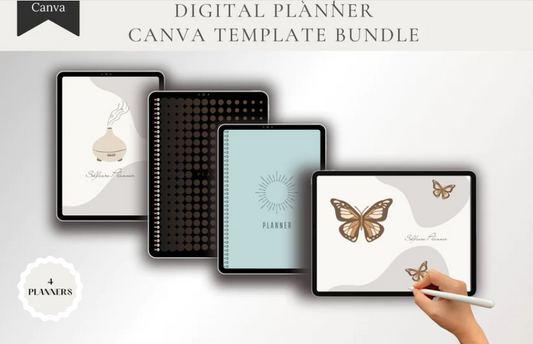
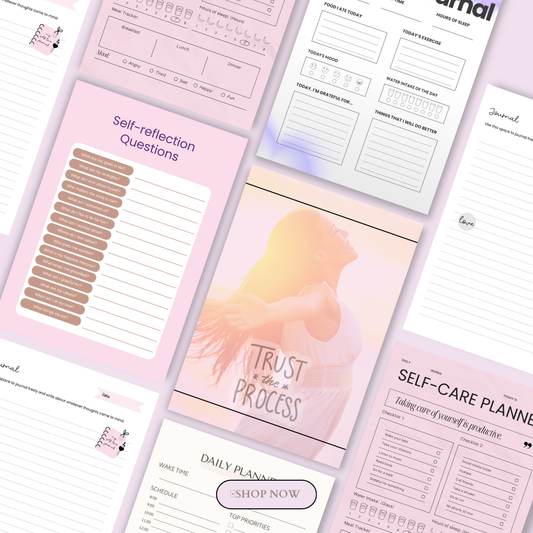
For example, creators can resell customizable journals like the PLR Pink Self Love Journal, launch educational programs such as The Ultimate Branding Course with Master Resell Rights, or sell niche printables like the Travel Journal for Kids – 31 Pages of Fun & Creativity.
Bundle offers are also popular in 2026, especially curated collections like the Naomi Bundle, which allow sellers to offer more value while increasing average order value.
If you're just starting out, you can explore foundational guides such as Digital Products: A Complete Overview, What Is a Digital Product? Complete Beginner’s Guide, and What Are Digital Products? A Complete Guide for Beginners.
To understand why this business model is dominating modern e-commerce, read Why Digital Products Are the Future of E-Commerce.
In this blog, you’ll learn:
-
What digital products really are
-
Examples of profitable digital products in 2026
-
The key benefits of selling digital downloads
-
Exactly how to sell digital products successfully in 2026
Whether you're a beginner or planning to scale your online store, this guide will give you a complete roadmap.
2. What Are Digital Products? (Definition)
Clear Definition of Digital Products
A digital product is any product that exists purely in electronic form and is delivered digitally rather than physically.
Digital products:
-
Exist entirely online
-
Are delivered via instant download, email, or membership access
-
Require no physical inventory or shipping
-
Can be sold infinitely once created
-
Can be updated or improved at any time
Unlike physical goods, digital downloads are stored electronically and accessed through devices such as smartphones, tablets, or computers.
For example, downloadable journals like the PLR Pink Self Love Journal can be purchased and delivered instantly. Educational assets such as The Ultimate Branding Course with Master Resell Rights allow buyers to learn — and even resell — without handling any physical materials.
You’ll find many more examples explained in What Is a Digital Product? Complete Beginner’s Guide.
Digital Products vs Physical Products
Here’s how digital products differ from traditional physical products:
1. Instant Global Delivery
Customers in the USA — or anywhere in the world — can download immediately after purchase.
2. Easy Updates
You can update a course, ebook, planner, or template without reprinting or manufacturing new inventory.
3. Low Ongoing Costs
No storage, packaging, or shipping expenses.
4. Unlimited Scalability
One product can generate unlimited sales without increasing production costs.
This scalability is exactly why many experts consider digital downloads the future of online business, as explained in Why Digital Products Are the Future of E-Commerce.
Common Forms of Digital Products
Digital products in 2026 typically include:
-
Educational Content – ebooks, online courses, workshops
-
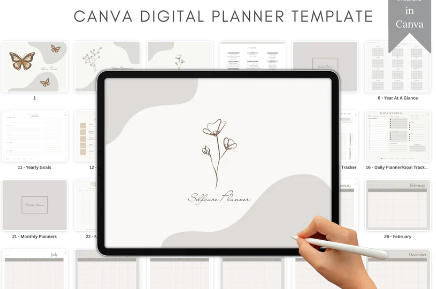
Printables & Templates – planners, journals, trackers, branding kits
-
PLR & Resell Rights Products – customizable products you can rebrand and resell
-
Software & AI Tools – SaaS platforms, AI prompt packs, chatbots
-
Media Assets – stock photos, digital art, music
-
Memberships & Subscriptions – gated communities or premium content
If you want a deeper breakdown of digital product categories, explore What Are Digital Products? A Complete Guide for Beginners or start with the broader overview on Digital Products Explained.
3. Popular Digital Product Examples in 2026
If you’re wondering which digital products are actually profitable in 2026, the answer depends on market demand, scalability, and niche targeting. Below are the top-performing digital product categories dominating the U.S. online business market.
3.1 Education (Ebooks, Guides & Online Courses)
Educational digital products remain one of the most profitable online business models in 2026.
Popular examples include:
-
Ebooks and step-by-step guides
-
Online courses and masterclasses
-
Business and marketing training programs
-
Creative tools tutorials
-
Personal development programs
The global e-learning industry is projected to reach $848 billion by 2030, making educational content one of the strongest long-term digital investments.
For example, ready-made training programs like the How to Build a 6-Figure Digital Product Brand Masterclass allow entrepreneurs to sell high-value knowledge without creating content from scratch.
If you’re exploring ideas, check out 10 Best Digital Products for Passive Income in 2025 for trending education-based opportunities.
Why Education Products Sell in 2026:
-
Americans are investing heavily in online learning
-
Career shifts and side hustles are increasing
-
Remote work requires digital skill-building
3.2 Design & Tools (Templates, PLR & AI Prompts)
Design-based digital downloads are exploding in popularity because they save creators time.
High-demand examples include:
-
Social media templates
-
Canva branding kits
-
Notion planners and trackers
-
Printable journals and planners
-
PLR (Private Label Rights) products
-
AI prompts and content packs
PLR digital products are especially attractive because buyers can customize and resell them. If you're new to this model, read PLR Digital Products Explained to understand how resell rights work.
Examples of high-converting bundles include:
-
The motivational New Year New Me Collection
-
The premium Glow Lab Co Skincare Collection – Luxury Skincare Content Templates Bundle
-
The powerful Organic Growth Marketing Bundle
Demand Driver in 2026:
Creators, coaches, and small businesses want plug-and-play content that saves time and accelerates growth.
For more beginner-friendly ideas, explore Low-Cost Digital Products You Can Sell From Home.
3.3 Media & Digital Assets
With the content creation economy booming in the U.S., digital media assets are in massive demand.
Examples include:
-
Stock photos
-
Video clips
-
Royalty-free music
-
Digital art
-
NFTs
Every brand, influencer, and business needs content — and they often prefer buying ready-made assets instead of creating from scratch.
Demand Driver in 2026:
-
Rise of TikTok, YouTube Shorts, and Instagram Reels
-
Podcasting growth
-
E-commerce product marketing
Media-based digital products are scalable and can generate recurring passive income.
3.4 Tech & Services (AI Tools & Subscriptions)
The fastest-growing category of digital products in 2026 is tech-powered solutions.
Examples include:
-
AI tools and automation software
-
Chatbots and voice assistants
-
Subscription-based memberships
-
Wellness programs
-
VR/AR immersive experiences
AI integration is transforming how businesses operate. Subscription models also provide predictable recurring revenue, making them attractive for long-term growth.
If you’re serious about building a scalable digital brand, start with How to Start Selling Digital Products to map your strategy.
For deeper market research, read Most Profitable Digital Products for Passive Income in 2026.
Quick Comparison Table (2026 Overview)
|
Category |
Examples |
2026 Demand Driver |
|
Education |
Courses, ebooks, masterclasses |
E-learning growth to $848B by 2030 |
|
Design/Tools |
Templates, PLR, AI prompts |
Time-saving for creators |
|
Media/Assets |
Stock photos, music, digital art |
Content creation boom |
|
Tech/Services |
Apps, chatbots, subscriptions, VR/AR |
AI integration |

4. Core Benefits of Selling Digital Products
Selling digital products online in 2026 offers significant advantages compared to physical e-commerce.
1. High Profit Margins (80–95%)
Because there are:
-
No manufacturing costs
-
No shipping expenses
-
No inventory storage fees
Most digital products generate 80–95% profit margins, making them one of the most profitable online business models.
2. Passive Income Potential
Once created, digital downloads can sell automatically through:
-
Shopify stores
-
Marketplaces
-
Automated email funnels
This allows creators to earn money 24/7 without handling fulfillment.
For proven income strategies, explore 10 Best Digital Products for Passive Income in 2025.
3. Unlimited Scalability
Unlike physical products, you can sell:
-
10 copies
-
1,000 copies
-
100,000 copies
Without increasing production costs.
This makes digital products ideal for entrepreneurs who want scalable online income.
4. Global Reach
Digital downloads can be purchased instantly from anywhere in the United States — or globally — without shipping delays.
5. Environmentally Friendly & Low Risk
No physical production means:
-
Less waste
-
Lower startup costs
-
Reduced financial risk
Many entrepreneurs start with affordable bundles or PLR products before scaling.
6. Perfect for Side Hustles
Digital products are ideal for:
-
Stay-at-home entrepreneurs
-
Students
-
Coaches and consultants
-
Content creators
You can resell PLR journals, launch template bundles, or sell niche planners without large investments.
If you're just starting out, review Low-Cost Digital Products You Can Sell From Home for beginner-friendly ideas.
Quick Recap: Why Sell Digital Products in 2026?
-
✅ 80–95% profit margins
-
✅ Passive income automation
-
✅ Unlimited scalability
-
✅ Global customer reach
-
✅ Low startup risk
-
✅ Ideal for side hustles
Digital products are not just a trend — they are the future of online entrepreneurship in 2026.
5. How to Sell Digital Products in 2026
If you’re wondering how to sell digital products online in 2026, the process is simpler than ever — but strategy matters. From choosing the right platform to pricing and promotion, here’s your complete roadmap.
For a deeper beginner walkthrough, you can also read What Is a Digital Product? Complete Beginner’s Guide or explore this full overview of Digital Products Explained.
5.1 Choosing the Right Platform
Selecting the best platform to sell digital downloads depends on your goals, budget, and experience level.
Etsy (Best for Beginners)
Etsy works well for:
-
Printables
-
Planners
-
Templates
-
Niche journals
It has built-in traffic, making it ideal for beginners testing demand.
If you want a detailed comparison, read Best Digital Products to Sell on Etsy, Gumroad & Shopify.
Gumroad (Great for Creators)
Gumroad is ideal for:
-
Ebooks
-
Online courses
-
AI prompt packs
-
Creator-focused downloads
It offers simple automation and checkout systems.
Shopify (Best for Scaling)
Shopify is perfect for:
-
Building a full digital product brand
-
Selling subscriptions
-
Creating bundles
-
Long-term scaling
You can automate fulfillment using Shopify’s digital download apps and build a real brand asset instead of relying only on marketplaces.
For official insights, review the Shopify Digital Products Guide.
Own Website vs Marketplace (Pros & Cons)
Marketplace (Etsy, Gumroad):
-
Built-in traffic
-
Faster setup
-
Platform fees
-
Less control
Own Website (Shopify):
-
Full brand control
-
Higher long-term profits
-
Requires marketing effort
-
Better scalability
For more insights into business models, see this breakdown by MVST on What Are Digital Products: Definition, Examples & Business Models.
5.2 Step-by-Step: How to Start Selling
Step 1: Validate Demand
Before creating anything, validate:
-
Keyword search volume
-
Reddit and Facebook group discussions
-
Etsy best-sellers
-
Competitor analysis
For proven ideas, explore:
-
Best Digital Products to Sell Online in 2026 (High-Profit Ideas)
-
Digital Products That Make Money: Top Ideas for Passive Income
Step 2: Create Your Digital Product
You can create products using:
-
AI design tools
-
Canva templates
-
PLR resources
-
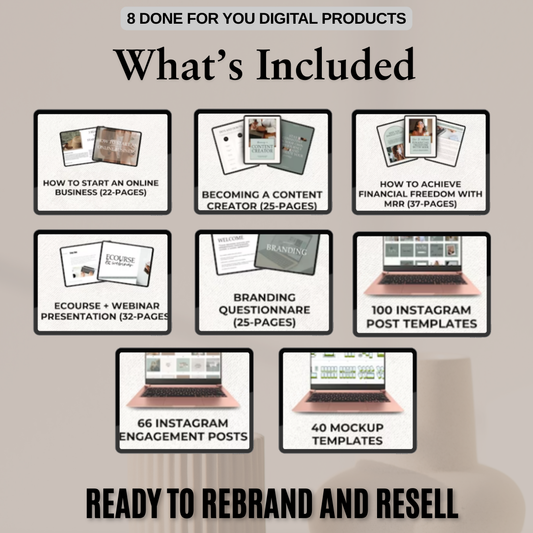
Master Resell Rights (MRR) bundles
Explore ready-made MRR products inside the All MRR Products Collection.
Popular high-converting examples include:
If you want a structured roadmap, read How to Make Money Selling Digital Products Online in 2026.
Step 3: Automate Fulfillment
Use:
-
Shopify Digital Downloads
-
Gumroad automation
-
Email delivery systems
Automation allows you to earn 24/7 without manual work.
Step 4: Pricing Strategy
Typical pricing ranges in 2026:
-
Bundles: $9–$29
-
Mini courses: $29–$97
-
Premium courses: $197+
Bundle pricing increases perceived value and average order value.
5.3 Promotion Tips (How to Get Sales)
Even the best digital products need marketing.
1. Show Previews & Demos
-
Mockups
-
Flip-through videos
-
Before-and-after examples
2. Use Social Media
-
TikTok tutorials
-
Instagram Lives
-
Reels and Stories
3. Encourage User-Generated Content (UGC)
-
Testimonials
-
Screenshots
-
Case studies
4. Build Email Lists & Affiliates
Email marketing remains one of the highest ROI channels for digital product sales.
5. SEO Optimization
Target long-tail keywords like:
-
“best digital products to sell in 2026”
-
“how to make passive income with digital downloads”
For additional trend insights, read:
5.4 Protecting Your Work
When selling digital downloads online, protect your assets.
-
Use licensing terms
-
Add watermarks to previews
-
Clarify usage rights (PLR vs personal use)
-
Offer satisfaction guarantees to build trust
For step-by-step PLR monetization strategies, read How to Make Money with PLR Digital Products in 2026.
6. Resources for Selling Digital Products
If you want to go deeper, here are valuable guides:
7. Related Reads
To continue learning:
-
Best platforms to sell digital products in 2026 (comparison guide)
-
Top profitable digital product niches for 2026
-
Common mistakes to avoid when selling digital products
-
Legal considerations for digital downloads
-
AI tools for creating digital products in 2026
For more in-depth reading, explore:
8. Conclusion
Digital products in 2026 represent one of the most powerful opportunities for online entrepreneurs in the United States.
They offer:
-
High-profit margins
-
Unlimited scalability
-
Automated passive income
-
Global reach
-
Low startup risk
Whether you start with PLR bundles, printable planners, AI tools, or online courses, the opportunity is massive.
Now is the time to take action.
Start exploring your first digital product in 2026.
Review the resources above, choose your platform, validate demand, and begin creating your scalable online income stream today.
Your digital product business can start with just one download.
Frequently Asked Questions (FAQ) About Digital Products in 2026
1. What are digital products?
Digital products are intangible goods that are created, sold, and delivered online without any physical inventory. Examples include ebooks, online courses, templates, software, printables, AI prompt packs, and memberships. Unlike physical products, digital downloads can be sold repeatedly with no manufacturing or shipping costs, making them highly profitable and scalable in 2026.
2. Are digital products profitable in 2026?
Yes, digital products remain one of the most profitable online business models in 2026. Many sellers enjoy 80–95% profit margins because there are no production or shipping expenses. With automation tools and AI-assisted creation, digital products can generate passive income 24/7.
3. What are the best digital products to sell in 2026?
The most profitable digital products in 2026 include:
-
Online courses and masterclasses
-
PLR (Private Label Rights) products
-
Printable planners and journals
-
Social media and branding templates
-
AI prompt packs and automation tools
-
Membership subscriptions
Success depends on choosing the right niche and validating market demand before launching.
4. Where can I sell digital products online?
You can sell digital products on:
-
Etsy (great for beginners selling printables and templates)
-
Gumroad (ideal for ebooks, courses, and creator products)
-
Shopify (best for building a scalable digital brand)
-
Your own website for full control and higher profit margins
Each platform has its pros and cons depending on your goals and experience level.
5. How do beginners start selling digital products?
Beginners can start by:
-
Researching profitable niches using keyword tools and marketplaces.
-
Creating a simple product (like a planner, template, or mini guide).
-
Using AI tools or PLR resources to speed up creation.
-
Listing the product on Etsy, Gumroad, or Shopify.
-
Promoting through social media, SEO, and email marketing.
Starting small and focusing on solving a specific problem increases your chances of success.
🎬 Want a visual walkthrough?
If you’d rather watch than read, here’s the full explainer video covering everything in this guide: