






Introduction
Selling digital products online in 2026 has become one of the most reliable and scalable ways to make money on the internet. Unlike physical products, digital products allow creators to build income streams that are not limited by inventory, shipping, or location. From ebooks and printables to templates and AI-powered tools, digital products can be created once and sold repeatedly to a global audience.
🎥 Prefer watching instead of reading?
Watch the full step-by-step explainer video below.
What makes 2026 the perfect time to start is the rapid rise of AI tools, the expansion of the creator economy, and historically low barriers to entry. Today, anyone with a laptop and internet connection can create professional-quality digital products using tools like Canva, ChatGPT, and no-code platforms—often in under an hour. Marketplaces and payment processors now handle delivery, taxes, and automation, making it easier than ever for beginners to get started.
In this guide, you’ll learn exactly how to make money selling digital products online in 2026. We’ll cover what digital products are, why they’re so profitable, and how you can leverage proven models like resell rights, faceless marketing, and done-for-you content to build scalable income—even if you’re starting from scratch.
What Are Digital Products and Why They’re So Profitable in 2026
What Are Digital Products?
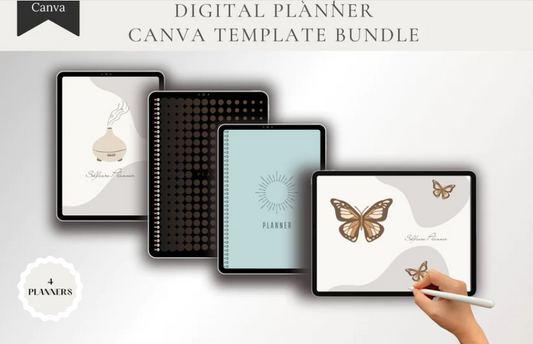
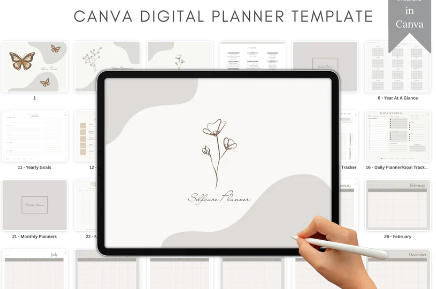
Digital products are non-physical assets that are delivered electronically. These include ebooks, guides, printables, templates, planners, stock media, AI prompts, courses, and resellable content. Because delivery is instant and automated, digital products eliminate many of the costs associated with traditional businesses.
If you’re new to the concept, this detailed breakdown explains the full scope of what qualifies as a digital product and how they’re sold online.
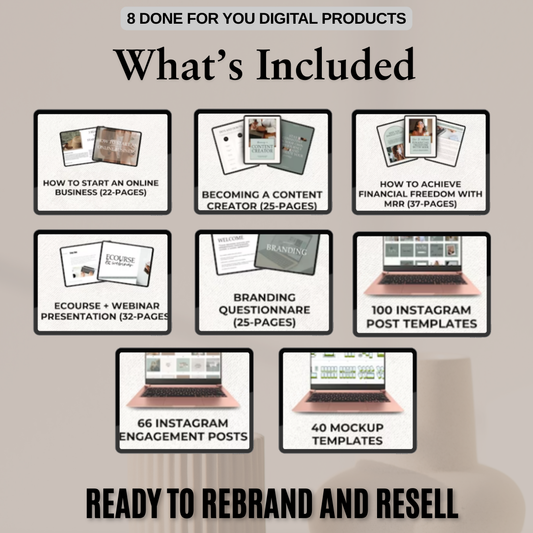
In 2026, digital products are no longer limited to creators with advanced technical skills. Many sellers now use PLR (Private Label Rights) and MRR (Master Resell Rights) products, which allow you to legally resell or rebrand existing digital assets.
The “Create Once, Sell Infinitely” Business Model
One of the biggest advantages of digital products is the ability to create something one time and sell it an unlimited number of times. Unlike freelance work or hourly jobs, your income is not directly tied to your time. Whether you sell one copy or ten thousand, the effort remains the same after creation.
For example, done-for-you digital assets like the Social Media Content Launch Kit allow sellers to immediately launch a digital product business without creating content from scratch. This model is why digital products are often described as scalable and leveraged income streams.
Low Overhead, No Inventory, No Shipping
Digital products require minimal upfront investment. There’s no need to manage inventory, rent storage, or deal with shipping logistics. Once uploaded to a platform, delivery is instant and automatic.
This makes digital products especially attractive in 2026, as rising physical costs push more entrepreneurs toward lean, digital-first business models. Your main expenses are typically limited to software tools, platform fees, and optional marketing.
Typical Profit Margins (Often 80% or Higher)
Because digital products have near-zero reproduction costs, profit margins are significantly higher than most physical or service-based businesses. After the initial creation or purchase of a resellable product, each sale generates mostly pure profit.
Many creators consistently achieve 80–95% profit margins, especially when selling ebooks, templates, or faceless marketing systems like Your Invisible Empire, which teaches faceless marketing strategies for beginners.
Passive Income vs Active Income: A Clear Comparison
Active income requires continuous effort—trading time for money through services, freelancing, or hourly work. Passive income, on the other hand, allows you to earn repeatedly from work done once.
While digital products are not 100% “hands-off” at the start, they can become semi-passive or fully automated over time. With the right product, platform, and marketing system, sales can occur 24/7 without your direct involvement. This shift from active to leveraged income is why more creators, side hustlers, and online entrepreneurs are choosing digital products as their primary income stream in 2026.
Why Selling Digital Products Online Is a Smart Business Model
Selling digital products online in 2026 is more than just a side hustle—it’s a scalable business model that can grow with your skills and audience. Here’s why:
Scalability and Automation
Digital products allow you to scale without increasing workload. Once created, items like templates, guides, or AI prompt packs can be sold repeatedly without additional effort. Tools and marketplaces now handle automatic delivery, payment processing, and even customer communication, making your business semi-automated. Explore done-for-you options to speed up your launch, like DFY digital product bundles.
Global Reach
Unlike local services or physical goods, digital products can reach a global audience instantly. Platforms like Etsy, Shopify, and specialized marketplaces allow you to sell worldwide, tapping into international demand with minimal effort.
Beginner-Friendly vs Advanced Creator Opportunities
Whether you’re just starting or are an experienced creator, digital products fit all levels. Beginners can start with easy-to-create items like printables or social media templates, while advanced creators can sell online courses or premium masterclasses with resell rights. This flexibility makes digital products accessible to anyone ready to monetize their expertise.
Long-Term Asset Building
Digital products are long-term digital assets. Unlike freelance work, which pays only for your time, high-quality products continue generating income for months or years. A single successful course, ebook, or bundle can become a reliable revenue stream while increasing your brand authority.
Most Profitable Digital Product Ideas to Sell in 2026
Digital products come in many forms, and choosing the right type can make the difference between a side hustle and a thriving online business. Here’s a breakdown:
Beginner-Friendly Digital Products
-
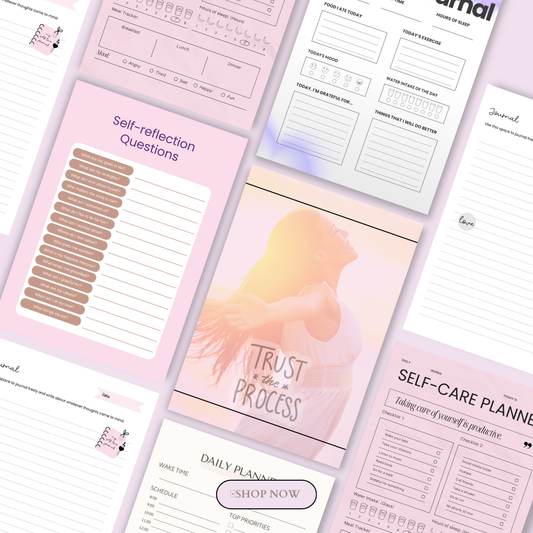
Printables: Planners, worksheets, and trackers are evergreen sellers. For example, The Self Love Journal is a ready-to-sell printable that appeals to wellness enthusiasts.
-
Canva Templates: Easy-to-edit templates for social media or business use. Check out Aesthetic Social Media Posts & Stories or 100 Modern Ambitious Entrepreneur Posts & Stories.
-
Social Media Graphics: High-quality graphics save time for businesses and influencers. Bundles like Post Perfection make launching simple.
-
AI Prompts: Curated AI prompt packs for writers, marketers, or designers are in high demand. Explore the AI Prompt Collection.
Intermediate & Advanced Digital Products
-
Ebooks and Guides: These can target niche topics or solve specific problems. Digital ebooks like Your Invisible Empire demonstrate how faceless marketing strategies work.
-
Online Courses: Teach skills or strategies in high-demand areas. Courses like The Ultimate Branding Course with Master Resell Rights are perfect for selling to beginners or resellers.
-
Notion Templates: Productivity and planning templates for professionals are popular.
-
Stock Photos & Videos: Curated media collections like AI Image Collection serve creators and businesses alike.
Recurring Revenue Digital Products
-
Memberships: Offer exclusive content on a subscription basis.
-
Courses with Updates: Provide value over time with continuous learning modules.
-
Coaching Portals: Combine content with live support or group coaching. Bundles like Gemma Bundle illustrate how to package recurring offerings effectively.
PLR & Rebrandable Digital Products
-
What PLR Is: Private Label Rights products allow you to legally resell and rebrand someone else’s content.
-
How Rebranding Works: You can modify text, visuals, and branding to make it your own.
-
When PLR Makes Sense: Perfect for fast launches, testing new niches, or creating starter bundles. Examples of PLR-friendly content include Done-for-You Digital Product Bundles and templates found in Plan & Prosper Collection.
Best Niches for Digital Products in 2026
Focusing on profitable niches ensures faster sales and lower competition:
-
Productivity: Templates, planners, Notion dashboards.
-
Wellness & Self-Improvement: Journals, guides, and habit trackers like The Self Love Journal.
-
AI Tools & Automation: Prompt packs, AI-generated media, automation guides in AI Prompt Collection.
-
Sub-Niche Strategy: Targeting micro-niches reduces competition and increases visibility, e.g., “wellness planners for remote workers” or “AI prompts for content creators.”
For more ideas and inspiration, check out the full list of digital products to sell in 2026.

Step-by-Step Guide to Creating Digital Products That Sell
Creating digital products that actually sell in 2026 isn’t about working harder—it’s about working smarter. With the right approach, you can move from idea to launch in days and start generating passive income. Here’s a step-by-step guide:
Step 1 – Identify Audience Pain Points
The first step to creating a high-demand digital product is understanding your audience. Use tools like Etsy search and bestseller analysis to see what’s trending in your niche. Look for products with strong reviews and consistent sales. Studying competitor stores helps you identify gaps in the market and opportunities for unique products.
If you’re targeting planners or productivity tools, start with resources like top-selling planners in 2026 to see what resonates with audiences.
Step 2 – Validate Your Digital Product Idea
Before investing hours into creation, validate your idea by checking sales volume, reviews, and social engagement. Avoid guesswork—knowing that your product has proven demand drastically increases your chances of success.
For beginners looking to start selling digital products, this guide on how to start selling digital products walks you through actionable validation strategies.
Step 3 – Create Your Digital Product Fast
With validated ideas, focus on speed and efficiency:
-
Use ChatGPT for outlines and content generation to save time.
-
Design in Canva for professional, customizable visuals.
-
File formats: Export as PDFs for printables or editable templates for digital use.
Many creators now launch products in under an hour by leveraging pre-made assets or prompt packs. Examples include the PLR Faceless Illustration Prompt Guide or the Bling Cartoon Prompt Guide PLR.
If you want pre-designed assets to speed up your business launch, explore done-for-you bundles like the 30 Days of Digital Marketing Carousels Bundle or Glam Girl Faceless Lifestyle Reels with Hooks Videos.
Step 4 – Test With a Minimum Viable Product (MVP)
Launching doesn’t require perfection. Release a minimum viable product (MVP) to get real feedback from your audience. Early testing allows you to refine your product, fix issues, and better understand customer preferences.
This approach also reduces risk and lets you start earning while improving your offering.
Step 5 – Add Mockups and Visuals
Visuals dramatically improve conversions. Eye-catching mockups help potential buyers imagine using your product, whether it’s a digital planner, template, or social media asset. Simple mockup strategies include:
-
Using Canva or Figma for realistic previews
-
Displaying your product in situ (e.g., a journal on a desk, templates on a laptop)
-
Highlighting multiple variations in one image
High-quality visuals increase trust and make your product appear professional—key for standing out in competitive marketplaces.
Step 6 – Pricing Digital Products for Profit
Setting the right price is critical. Consider value-based pricing rather than just cost-plus pricing. Common strategies:
-
Entry pricing: $5–$27 for printables, templates, or prompt packs aimed at beginners.
-
Premium pricing: $47–$97 for courses, bundles, or high-value guides.
Pricing also depends on demand, uniqueness, and perceived value. For example, faceless marketing guides and PLR assets can command premium prices because they save buyers time and effort.
For inspiration on products that can achieve high margins, check out financial freedom through side hustles and see how strategic product pricing works in real-life cases.
Best Platforms to Sell Digital Products Online in 2026
Choosing the right platform is critical to your success when selling digital products online. The platform you pick affects your audience reach, branding, fees, and ease of use. Here’s a detailed breakdown of the top options for 2026:
Etsy
Best Use Cases: Etsy is ideal for printables, templates, planners, and other visual digital products. It has a large, built-in audience actively searching for creative items.
Fees and Limitations: Etsy charges $0.20 per listing plus 6.5% transaction fees. While easy to start, customization options are limited compared to self-hosted stores.
Ideal Product Types: Printable journals, planners, social media templates, and downloadable guides. For inspiration, see Best Digital Products to Sell on Etsy in 2025.
Gumroad
Best for Ebooks and Courses: Gumroad is perfect for creators selling ebooks, online courses, and membership content.
Affiliate Features: Built-in affiliate programs allow you to incentivize partners to promote your products, increasing sales reach.
Fee Structure: 10% + $0.50 per transaction. Gumroad simplifies digital delivery, payment, and VAT handling, making it beginner-friendly. For ideas, check Best Digital Products to Sell on Etsy, Gumroad, Shopify.
Shopify
Best for Scalable Brands: Shopify works best for creators who want full branding control and the ability to scale a professional store.
Monthly Costs: Starting at $19/month plus 2% transaction fees.
Customization and Apps: Shopify supports apps for digital delivery, email marketing, and analytics. It’s perfect for creators ready to grow into a full-fledged brand.
Payhip
Beginner-Friendly Setup: Payhip offers a simple setup for selling ebooks, printables, and templates.
VAT Handling: Automatic VAT handling for global sales simplifies international transactions.
Free vs Paid Plans: Free plan takes a 5% fee, while paid plans start at $29/month with zero transaction fees.
EzyCourse
Courses and Memberships: EzyCourse is designed for creators focused on online courses and memberships.
All-in-One Ecosystem: Provides hosting, payments, and content management in one place, removing technical barriers.
Subscription-Based Pricing: Plans start at $59/month, allowing you to scale without worrying about transaction fees.
How to Choose the Right Platform for You
-
Marketplace vs Self-Hosted: Marketplaces like Etsy give immediate traffic, while self-hosted platforms like Shopify provide branding control.
-
Tech Comfort Level: Beginners benefit from simpler platforms like Gumroad or Payhip. Advanced creators may prefer Shopify or EzyCourse.
-
Branding vs Speed: Quick launches favor marketplaces; long-term branding favors self-hosted solutions.
How to Market and Sell Digital Products in 2026
Even the best product won’t sell without proper marketing. In 2026, successful digital product marketing combines SEO, content, and automation.
Pinterest SEO for Passive Traffic
Pinterest acts like a visual search engine. By optimizing pins with keywords and eye-catching designs, your products can gain consistent, long-term traffic. This works particularly well for printables, templates, and ebooks. For inspiration on trending products, see 10 Best Digital Products for Passive Income in 2025.
YouTube Content Marketing
Creating tutorials, how-to videos, or product demos on YouTube drives evergreen traffic. Videos increase trust and allow you to showcase products like Instagram Growth Masterclass or Declutter Your Mind Ebook.
Email Marketing & Lead Magnets
Building an email list allows you to nurture leads and encourage repeat purchases. Offer freebies like mini-planners or guides to entice sign-ups. Lead magnets convert cold traffic into buyers over time. Check out collections like New Year New Me Collection for ideas.
Upsells, Bundles, and Affiliates
Increase average order value by offering bundles or premium upgrades. Affiliate partnerships can extend your reach with minimal marketing effort. Bundled products and done-for-you packages often perform well, as shown in Done-for-You Digital Products.
Retargeting & Conversion Optimization
Recover abandoned carts and optimize listings to maximize conversions. Use keyword-rich titles, compelling descriptions, and professional mockups to improve trust and click-through rates. Regularly test layouts, visuals, and pricing to maximize ROI. For inspiration, explore Digital Products That Make Money: Top Ideas for Passive Income.
How Much Money Can You Make Selling Digital Products?
One of the most common questions for new creators is: How much can I realistically earn selling digital products?
Realistic Income Expectations:
Income varies based on product type, niche, marketing effort, and platform choice. Beginners might start earning a few hundred dollars per month from small products like printables or Canva templates, while established sellers can generate $1,000–$10,000+ monthly with courses, PLR bundles, or masterclasses. For inspiration, see low-cost digital products you can sell from home.
Factors That Impact Earnings:
-
Product demand and niche competitiveness
-
Quality of marketing and listing optimization
-
Email list size and engagement
-
Pricing strategy and product bundling
Learn more about profitable product types and market trends in Digital Products That Make Money: Top Ideas.
Timeline to First Sale vs Scale:
First sales can occur within days if you target a hot niche and leverage marketplaces like Etsy or Gumroad. Scaling to consistent five-figure months requires repeated product launches, email marketing, and promotional strategies like Pinterest SEO, YouTube, or affiliate marketing. For deeper insights, see Why Digital Products Are the Future of E-Commerce.
Common Mistakes to Avoid When Selling Digital Products
Avoiding these common pitfalls will save you time, frustration, and money:
-
Creating Without Validation: Launching products without checking demand often leads to low sales. Use PLR or done-for-you digital products to test the market.
-
Overcomplicating Products: Simple, well-designed products often sell better than over-engineered ones. Keep your first products minimal yet valuable.
-
Poor Pricing Strategies: Underpricing can reduce perceived value; overpricing can scare off buyers. Research competitors and consider value-based pricing.
-
Ignoring Email Lists: Email marketing is critical for repeat sales, product launches, and building loyal customers. Build your list early.
For additional mistakes to avoid, check Best PLR Digital Products for Coaches & Course Creators.
Is Selling Digital Products Worth It in 2026?
Pros:
-
High profit margins (often 80%+)
-
Global audience reach
-
Passive income potential
-
Flexible for beginners and advanced creators
Cons:
-
Requires upfront effort to create and market products
-
Competitive in popular niches
-
Income scales slowly without marketing and consistent launches
Who This Business Model Is Best For:
-
Side hustlers seeking extra income
-
Creative professionals who want to monetize expertise
-
Entrepreneurs looking for passive income streams using masterclasses or PLR bundles like Naomi Bundle and Positivity Pop Collection Bundle.
Long-Term Sustainability:
Digital products remain a strong long-term business model because they scale, automate, and retain value over time. With proper marketing, pricing, and niche targeting, digital products can become a reliable revenue stream for years. For a practical roadmap, see The Reseller’s Playbook.
Your Digital Product Roadmap for 2026
-
Recap of Key Steps: Validate ideas, create quickly, launch MVPs, use high-quality visuals, price strategically, and market through email, social media, and SEO.
-
Encouragement to Start Small: Even a single printable, ebook, or template can generate your first passive income. Small launches provide feedback and build confidence.
-
Focus on Action Over Perfection: Don’t wait for “perfect” products—iterate and improve based on customer feedback.
Digital products offer low-risk, scalable, and profitable opportunities for creators in 2026. With the right approach, anyone can turn expertise or creativity into a consistent online income stream. For additional inspiration and examples, see resources like:
Related Guides
-
Best digital product ideas for 2026 with examples – Explore Digital Products That Make Money: Top Ideas
-
Step-by-step launch checklist for a digital product – Learn How to Start Selling Digital Products
-
How to price digital products for maximum profit – Includes practical pricing strategies for ebooks, templates, and courses
-
Top platforms comparison for selling digital products – Etsy, Gumroad, Shopify, Payhip, and EzyCourse
-
How to build an email funnel for product launches in 2026 – Convert leads into buyers using effective lead magnets, sequences, and automation
FAQ: Selling Digital Products Online in 2026
1. What are digital products and why are they profitable?
Digital products are non-physical items delivered electronically, such as ebooks, printables, templates, online courses, and AI tools. They are highly profitable because you create them once and sell them repeatedly with minimal overhead, often achieving profit margins above 80%. Learn more in our digital products guide.
2. How much money can I realistically make selling digital products?
Income varies based on niche, product type, and marketing. Beginners can earn a few hundred dollars per month, while experienced creators with multiple products can make $1,000–$10,000+ monthly. Key factors include product demand, pricing, email marketing, and promotional strategies like Pinterest and YouTube. Check low-cost digital products you can sell from home for ideas.
3. Which platforms are best for selling digital products in 2026?
Popular options include:
-
Etsy: Great for printables, templates, and planners
-
Gumroad: Perfect for ebooks and courses with affiliate features
-
Shopify: Ideal for scalable, self-branded stores
-
Payhip: Beginner-friendly with VAT handling
-
EzyCourse: Best for courses and memberships
Read our top platform comparison guide for more insights.
4. How do I create a digital product quickly?
You can create digital products in as little as 30–60 minutes using tools like Canva for design and ChatGPT for content outlines. For faster results, consider done-for-you products or PLR resources like The Reseller’s Playbook.
5. Is selling digital products worth it in 2026?
Yes! Digital products are scalable, low-cost, and offer long-term passive income opportunities. They are suitable for beginners, side hustlers, and experienced entrepreneurs. While initial effort is required to create and market products, the business model provides sustainable revenue over time. Explore more about why digital products are the future of e-commerce.
🎬 Want a visual walkthrough?
If you’d rather watch than read, here’s the full explainer video covering everything in this guide: