
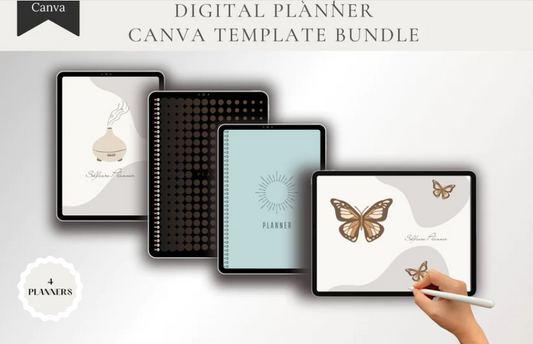
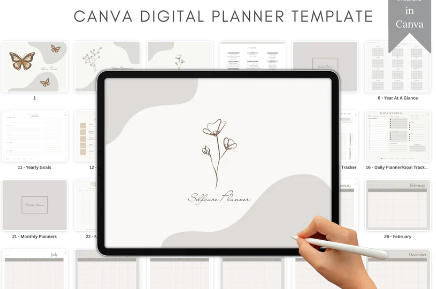
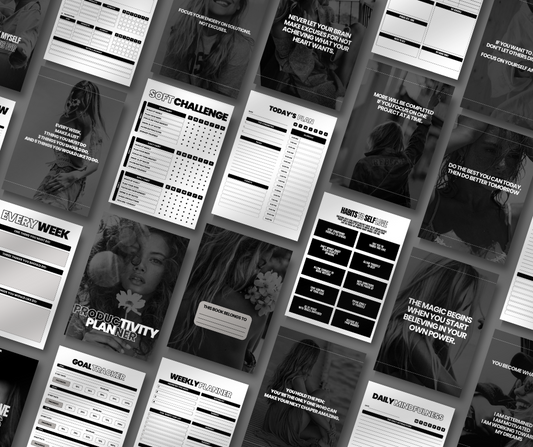

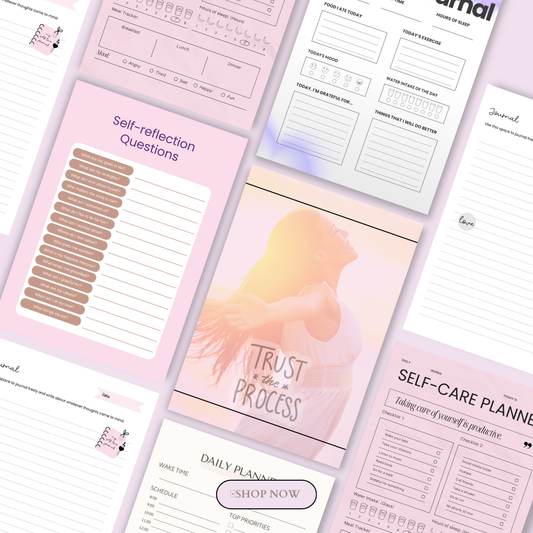

You design a planner, price it at $12 and make your first sale. A week later, the same file appears in someone else's shop under their name. The buyer never thought they were doing anything wrong, because nothing told them otherwise.
🎥 Prefer watching instead of reading?
Watch the full step-by-step explainer video below.
That is the gap a license closes. A license is a short set of written terms that tells every buyer what they can and cannot do with your file. Whether digital downloads are your main income or part of your plan for financial freedom through side hustles, those terms protect every sale you make.
This guide explains how to add a license to digital downloads step by step: which license type to choose, what to write in it, and where to place it on Etsy, Gumroad, Shopify and WordPress.
Why You Need a License for Digital Downloads
Without a license, buyers fill in the blanks themselves. Many assume that paying for a file means they can resell it, share it with friends or use it in their business. A license removes that guesswork, and it does four jobs for you.
-
It protects your intellectual property. You state in writing that you keep ownership of the digital products you create.
-
It reduces misuse and sharing without permission. Clear restrictions give you a specific term to quote when someone crosses the line.
-
It builds trust. Buyers like knowing their usage rights before they pay. That clarity is part of how you build a brand that leads instead of one that leaves customers guessing.
-
It lets you offer tiered pricing. The same template can sell at one price for personal use and a higher price for commercial use.
This applies to every format, from printables and ebooks to full courses. If you are still deciding what to sell, our list of 100 digital products you can sell online in 2026 is a good place to start.
Copyright Laws for Selling Digital Products: What a License Adds
Copyright laws for selling digital products work for you from day one. In the USA, the UK and Australia, copyright protection is automatic. It begins the moment you create an original work and save it as a file, with no form to complete and no fee to pay.
The differences are in registration. The UK and Australia have no official copyright register. In the USA, registration with the US Copyright Office is optional, but you need it before you can sue over a US work.
Copyright tells the world you own the work. It does not tell buyers what they may do with it. A license adds that part: it is how you grant permission on your terms while keeping ownership.
Resell rights are the clearest example. The best PLR products to resell come with a license that lets buyers edit and rebrand them. The Ultimate Branding Course with Master Resell Rights goes further and lets buyers resell the course itself. Our masterclasses work the same way: the license that comes with each one defines what you can do with it.
Step 1: Decide What Type of License You Need
Choose the license type before you write any terms. Most digital creators need one of three.
|
License type |
What it allows |
Typical use case |
|
Personal use |
Private, non-commercial use only. No resale or redistribution. |
Printable wall art, personal planners, hobby templates |
|
Commercial use |
Use in business projects, client work or marketing, often with limits. |
Social media templates, marketing graphics, fonts |
|
Extended or resale |
Broader rights, including use in products for sale or reselling the file itself. |
Design assets for agencies, PLR and MRR products |
The product type does not decide the license. A planner can be sold for personal use only, or with resale rights like the planners in our Plan & Prosper collection. A set of prompts such as the Director's Cut Prompt Pack shows why the choice matters: a buyer making ads for clients needs commercial rights, while a buyer reselling the pack needs resale rights.
PLR products such as the Unf*ck Your Limits mindset ebook sit in the third category. If you sell them, read our guide on how to resell PLR products legally first.
When to Use a Creative Commons License
Creative Commons licenses let anyone share your work for free under set conditions, such as giving you credit. They suit free resources and lead magnets, not paid products, because a CC license cannot be revoked once you apply it. The Creative Commons License Chooser helps you pick the right one.
Tip: Define "personal" and "commercial" in your own terms. Buyers read those words differently, so give one example of each.
Step 2: Write Your License Terms (or Use a Template)
A good license fits on one page and uses plain English. The same rule behind the sales copy templates in our Words That Sell collection applies here: simple words get read, and terms that get read get followed.
Include these six clauses:
-
Grant of license. The rights you give the buyer, usually non-exclusive and non-transferable.
-
Permitted uses. Exactly what the buyer can do with the file.
-
Restrictions. What the buyer cannot do, such as reselling or sharing the file.
-
Ownership. A statement that you keep the copyright.
-
Termination. What happens if the buyer breaks the terms.
-
Refund policy. Your refund terms. Consumer guarantees in the UK and Australia still apply, so avoid a blanket "no refunds" line.
Be specific under permitted uses. For an ebook like Stress Less, Glow More, that might mean reading on any personal device and printing one copy.

Here is sample wording for a personal use license:
This purchase grants you a non-exclusive, non-transferable license for personal, non-commercial use only. You may not resell, redistribute or upload this file publicly. For commercial use, please purchase a commercial license.
If you would rather not start from a blank page, adapt a free template. Ezel.ai, Etsy's digital product license agreement template and The Wolfe Co all offer one. Rewrite the template to match your product instead of pasting it unchanged.
Step 3: Add the License to Your Download Package
Include a LICENSE.pdf or LICENSE.txt file in every ZIP or folder you deliver. This is the single most important step, because the terms then travel with the product. It belongs in your workflow whenever you create digital downloads to sell.
Place the file at the top level of the folder, not inside a subfolder. A multi-file product like The Planner Collection needs it where buyers see it first. For a single PDF such as the Self-Care SOS Kit, add a short license summary to the last page as well.
Etsy
-
Create your listing and set the type to digital.
-
Upload your product files along with LICENSE.pdf.
-
State the license type in the description, for example "Personal use only".
This guide to licensing simple digital products on Etsy and Gumroad covers both platforms in more depth.
Gumroad
-
Open your product's content page.
-
Add LICENSE.pdf or LICENSE.txt to the download files.
-
For software, insert a license key from the content editor. Gumroad's license key help article explains the setup.
Shopify (Digital Downloads App)
-
Install Shopify's free Digital Downloads app.
-
Upload your product files with the license document included.
-
Add the license terms to the product description or a linked policy page.
WordPress (Easy Digital Downloads)
-
Install Easy Digital Downloads and create your download.
-
Attach the license document to the download files.
-
For software, add the Software Licensing extension and switch on license creation.
Step 4: Display License Info on Your Sales Page
Show the license before the sale, not only after it. Buyers who see the terms upfront cannot claim they missed them, and clear terms answer questions that would otherwise land in your inbox.
-
Add a "License" section to every product description.
-
Use icons or badges such as "Personal Use Only" or "Commercial License Included".
-
Link to the full terms if they sit on a separate page.
For Creative Commons works, include the license name, icon and a link to the license deed.
Marketplaces expect this too. These best practices for downloads and licensing show how sellers present terms on digital marketplaces. For the rest of your product page, follow our guide on how to sell your digital products online.
Step 5 (Optional): Use License Keys for Software or Premium Products
License keys are for software, not for standard downloads. If you sell plugins, themes or apps, a key system lets you:
-
Generate a unique key for each customer.
-
Limit activations, such as one site per license.
-
Set expiry dates, such as one-year renewals.
On WordPress, Easy Digital Downloads automates this with its Software Licensing extension. Their guide on how to sell licensed software in WordPress walks through it.
Ebooks, planners and guides do not need keys. Even a large bundle like the Midjourney Mastery Guide Collection is covered by a written license.
Conclusion: License Your Products and Sell with Confidence
Adding a license to your digital downloads comes down to five steps: choose the license type, write clear terms, include the license file in every download, display the terms on your sales page, and add license keys if you sell software. Set it up once, save your template and reuse it for every launch.
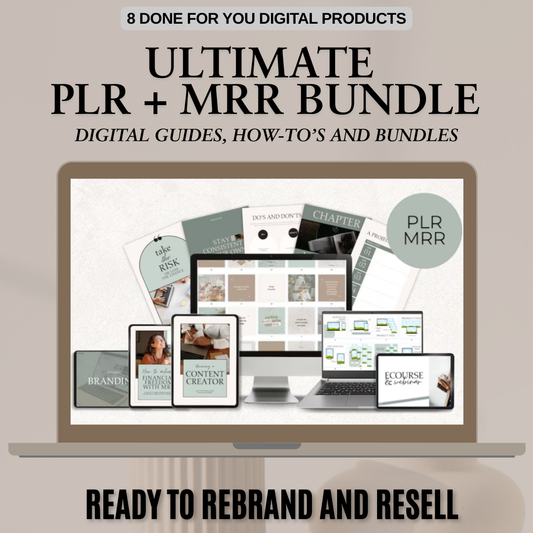
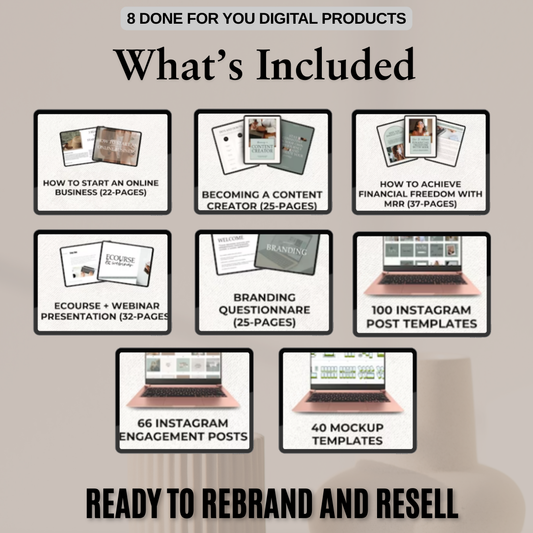
If you want products where the licensing is already done, Resell Ready's PLR and MRR products come with resell rights included. You can edit them, brand them and sell them as your own.
Shop All digital products at Resell Ready and start selling today.
Frequently Asked Questions
Do I need a lawyer to write a license for digital downloads?
No. You can write a clear one-page license yourself for low-priced products. Legal advice is worth paying for when you sell high-value products, grant resale rights or sell in several countries.
Is a copyright notice the same as a license?
No. A copyright notice such as "© 2026 Your Brand" says you own the work. A license tells buyers what they may do with it. Use both on every product.
Can I use one license for all my products?
Only if every product carries the same rights. A personal use printable and a commercial use template need different terms, so keep one template per license type.
Can I license products made with AI tools?
Yes, you can sell and license them, and there are at least 40 digital products you can create using ChatGPT or AI tools. Copyright protection for purely AI-generated content is limited, particularly in the USA, so add your own creative work and check each tool's terms. Human-written products such as AI prompt packs are on firmer ground.
What can I do if someone breaks my license?
Start with a written request that quotes the term they broke. If that fails, send a takedown notice to the platform hosting the copy. Legal action is a last step and needs professional advice.
Resources and Further Reading
-
Licensing Simple Digital Products on Etsy and Gumroad (TryBeem)
-
Digital Marketplace Best Practices for Downloads and Licensing (Boostroom)
-
How to Sell Licensed Software in WordPress (Easy Digital Downloads)
Legal Disclaimer
This article is for general information and education only. It is not legal advice. Copyright and consumer laws differ between the USA, the UK, Australia and other countries, and they change over time. Speak to a qualified legal professional in your country before relying on any license terms or acting on an infringement.
🎬 Want a visual walkthrough?
If you’d rather watch than read, here’s the full explainer video covering everything in this guide: