



1. Introduction
Most planners fail—not because you’re lazy or inconsistent—but because they demand too much structure.
Traditional planners expect you to map out your entire day, week, and even month in detail. For people who crave flexibility or already feel overwhelmed, this kind of system quickly turns into pressure instead of support. Instead of helping you stay organized, it becomes another task you avoid.
🎥 Prefer watching instead of reading?
Watch the full step-by-step explainer video below.
The real problem isn’t planning—it’s overplanning.
When you try to track everything, optimize every hour, and manage dozens of tasks at once, your brain burns out. You spend more time planning your life than actually living it. That’s where minimalist planning changes everything.
Minimalist planners are designed for simplicity. They strip away the noise and help you focus on what truly matters—without the guilt, overwhelm, or burnout. Whether you prefer digital tools or printable systems like those found in digital planner resources or curated collections like planner templates, the goal is the same: less planning, more clarity.
If you're new to the concept, understanding what digital products are and how they work can also help you see how modern planners are evolving into simpler, more flexible tools.
In this blog, you’ll discover:
-
Why overplanning feels so exhausting
-
Who struggles most with traditional planners
-
And how minimalist planners can help you stay organized without feeling overwhelmed
2. Why Overplanning Feels So Draining
2.1 The Hidden Cost of Traditional Planning
Most traditional planners are built around one idea: control everything.
They encourage you to schedule every hour, list every task, and plan weeks—or even months—in advance. While this might sound productive, it often leads to the opposite result.
Micromanaging your time and tasks creates constant mental pressure. You’re not just doing the work—you’re also managing a system that tracks the work. Over time, this leads to planning fatigue, where even opening your planner feels exhausting.
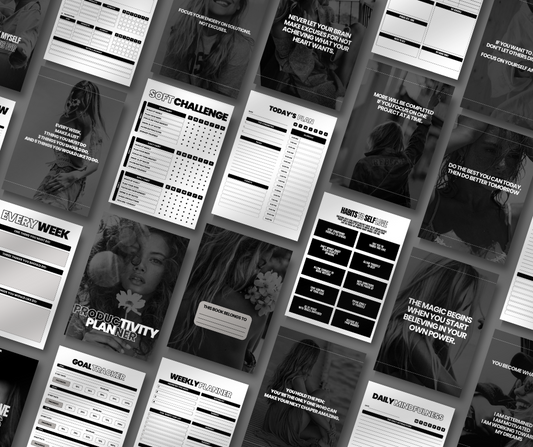
This is why many people are now turning to simpler alternatives like the Productivity Planner or streamlined systems included in The Planner Collection—tools designed to reduce decision overload instead of adding to it.
2.2 The Guilt Cycle of Overplanning
Overplanning doesn’t just drain your energy—it also affects your mindset.
When you create long, detailed to-do lists, you’re often setting unrealistic expectations. Life happens, priorities shift, and suddenly you’re behind schedule.
That’s when the guilt kicks in.
You start to feel like you’ve failed—not because you didn’t work hard, but because your plan was too ambitious to begin with. Eventually, many people abandon their planners altogether.
Minimalist planning breaks this cycle by focusing on realistic, achievable actions instead of perfection. Some systems even pair productivity with mindset shifts, like those found in Money Mindset collections, helping users stay consistent without self-judgment.
2.3 Who Struggles Most with Overplanning
While overplanning can affect anyone, certain groups feel its impact more intensely.
Neurodivergent individuals often find highly structured systems overwhelming or restrictive. Too many categories, boxes, and rules can make planning feel impossible to maintain.
Busy parents and caregivers don’t have predictable schedules. Their days are dynamic, making rigid planning systems unrealistic.
Students juggle assignments, deadlines, and social commitments. Overly detailed planners can add unnecessary pressure instead of helping them stay on track.
Creative entrepreneurs—especially those building digital income streams—need flexibility. Their work evolves daily, and strict planning can limit creativity and momentum. Many creators exploring ideas like digital planners to sell on Etsy or building systems through Plan & Prosper resources benefit more from adaptable, minimalist approaches.
For all of these groups, the solution isn’t better planning—it’s simpler planning.
Minimalist planners work because they respect your time, energy, and attention. Instead of forcing you into a rigid system, they adapt to your life—helping you stay organized without feeling overwhelmed.
3. What Is a Minimalist Planner?
3.1 Simple Definition
A minimalist planner is a simple, intentional planning system designed to limit input, reduce overwhelm, and focus only on what truly matters.
Unlike traditional planners that encourage you to track everything, minimalist planners work by doing less—but doing it better. They remove unnecessary sections, reduce clutter, and help you stay consistent without feeling pressured.
This is why many modern creators and entrepreneurs—especially those exploring digital products to sell online or building systems using AI-powered digital product ideas—prefer minimalist planners that support action instead of overthinking.
3.2 What It Intentionally Restricts
The power of a minimalist planner comes from its constraints. Instead of giving you endless space to overplan, it intentionally limits key areas:
Amount you write
You don’t need pages of notes or long to-do lists. Minimalist planners encourage short, clear entries that are easy to review and act on.
Planning horizon
Rather than planning months ahead, minimalist systems focus on shorter timeframes—often a week or even just a few days. This reduces anxiety about the future and keeps your attention on the present.
Number of tasks and goals
Instead of juggling dozens of priorities, you focus on a handful of meaningful actions. This aligns well with simplified workflows often used in done-for-you digital product systems or scalable models like PLR digital products, where clarity and execution matter more than complexity.
3.3 Example of a Minimalist Daily Layout
A minimalist planner doesn’t need to be complicated to be effective. In fact, the best layouts are often the simplest.
A typical daily structure might include:
-
One main priority (your most important task of the day)
-
3–6 small tasks (supporting actions that move things forward)
-
One focus block (a dedicated 60–90 minute work session)
-
A short gratitude note (to shift your mindset)
-
A quick reflection (what worked, what didn’t)
This type of structure is commonly found in tools like a productivity planner system or guided formats such as the Goal Getter Planner, where simplicity leads to better follow-through.
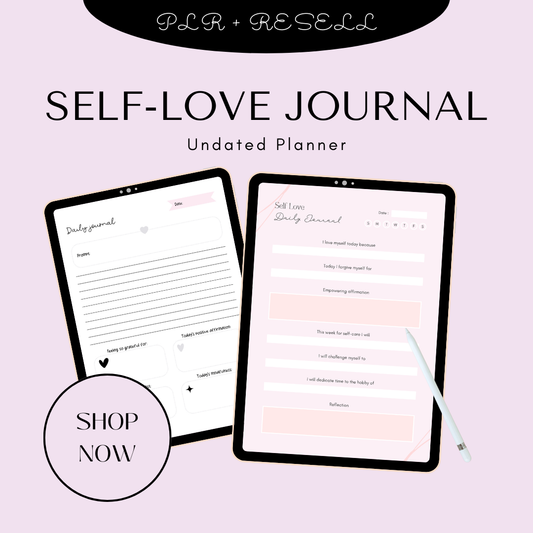
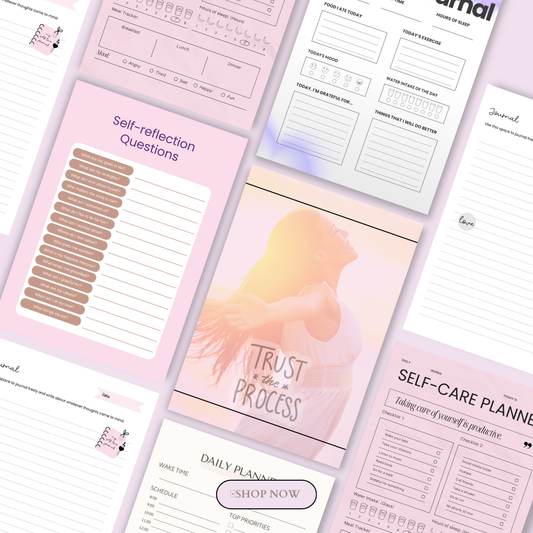
For mindset-focused users, combining planning with journaling—like in a self-love journaling approach or using tools like the Self Love Journal—can make the system even more effective and sustainable.
4. Signs You Need a Minimalist Planner
Not everyone needs a complex planning system. In fact, if any of the following feel familiar, a minimalist planner might be exactly what you need:
-
You buy planners, use them for a few days, and then abandon them
-
You feel anxious or overwhelmed when you see full, cluttered pages
-
You prefer fast, simple systems that take less than five minutes to use
-
Your tasks and ideas are scattered across apps, notes, and screenshots
If you’re also exploring opportunities like 100 digital products to sell online in 2026, having a clean, minimalist system can help you stay focused without drowning in ideas.
Many people find that switching to a simpler format—like a Meal Planner for daily life or a Start-Up Business Planner Workbook for projects—instantly reduces stress and increases consistency.
5. Core Principles of Minimalist Planning
Minimalist planning isn’t just about using a simpler planner—it’s about following a different philosophy.
5.1 Start Simple
The most important rule: keep it simple.
Only write down what truly matters. Avoid filling every section or adding unnecessary details. This approach is especially useful for creators using systems like a Marketing Planner or building routines around focused execution.
5.2 Limit Your Planning Horizon
Instead of planning months ahead, focus on a weekly or short-term window (like 7–15 days).
This reduces mental overload and keeps your attention on what you can actually control right now. It also aligns well with flexible systems like the New Year New Me collection, which emphasize gradual, realistic progress.
5.3 Cap Daily Tasks
Set a clear limit—usually 3 to 6 tasks per day.
If your list is longer than that, it’s a sign you’re overplanning. Simplifying your workload leads to better focus and higher completion rates.
5.4 Focus on One Main Priority
Instead of juggling multiple important tasks, choose one key priority each day.
This creates clarity and momentum. Many goal-focused systems, including the Quantum Manifestation Planner and Wealth Mindset Journal, are built around this principle of aligned focus.
5.5 Build a Short Daily Check-In Habit
Minimalist planning works best when it’s quick and consistent.
Instead of long, complicated planning sessions, aim for a short daily check-in—just a few minutes to review, adjust, and move forward. Pairing this with mindset tools like the Stress Less, Glow More confidence guide can help you stay grounded and motivated without overwhelm.
Minimalist planning isn’t about doing less for the sake of it—it’s about doing what matters most, with clarity and consistency. When you remove the excess, you make space for real progress.

6. Minimalist Planner Layouts That Actually Work
When it comes to minimalist planning, the goal isn’t to find the “perfect” system—it’s to find one you’ll actually use consistently. The following layouts are proven to reduce overwhelm while keeping you productive.
6.1 “One Big Thing + 3 Wins”
This is one of the most effective minimalist planning methods.
Instead of writing endless to-do lists, you focus on:
-
One main priority (your “Big Thing”)
-
Three small wins (quick, achievable tasks)
-
One focus block (a distraction-free work session)
-
A short reflection (what worked, what didn’t)
This approach forces clarity. You stop trying to do everything and start finishing what matters.
It’s especially powerful for creators working on online income streams like digital downloads and passive income ideas or building systems around done-for-you digital products that actually sell, where focused execution matters more than busywork.
For social media workflows, pairing this layout with tools like the Social Media Planner or Instagram Planner can help simplify content creation without overwhelm.
6.2 “5–10 Lines Per Day” Weekly Planner
If daily planning feels like too much, this weekly layout is a game-changer.
You use one page per week, and each day gets only 5–10 lines. That’s it.
This constraint forces you to:
-
Prioritize important tasks
-
Eliminate unnecessary clutter
-
Stay realistic about your time
When space is limited, overplanning becomes impossible.
This method works well for people juggling multiple responsibilities—whether managing life tasks with a Health & Fitness Planner or organizing routines using tools like the Complete Self Care Journal.
6.3 “Minimum Viable Planner” (MVP)
Think of this as the simplest planner possible.
A Minimum Viable Planner (MVP) can be:
-
A basic notebook
-
A notes app
-
A single digital page
You only track:
-
A short daily task list
-
A rough schedule
-
A few notes or ideas
No complex layouts. No extra sections. No pressure.
This method is ideal for people who want flexibility—especially those building businesses or experimenting with ideas like Canva digital products that sell or exploring 15 digital products to sell on Etsy without designing.
For personal growth, combining this approach with tools like the Self Care Workbook or Self Care SOS Kit can help maintain balance without overcomplicating your system.
7. Minimalist Digital Planners for Overplanners
Digital planning can be just as simple—if not simpler—than paper systems when designed correctly.
7.1 The “Quick In, Quick Out” Concept
Minimalist digital planners are built around one idea: speed.
You should be able to:
-
Open your planner
-
Write a few key tasks
-
Close it within seconds
No friction. No complicated setup.
This is especially useful for people working with fast-moving ideas—like those building businesses around digital products and online income streams or organizing workflows using resources like AI prompt packs for productivity.
7.2 The 15-Day Planning Window
One of the biggest mistakes overplanners make is thinking too far ahead.
Minimalist systems often limit your planning window to 7–15 days.
This helps:
-
Reduce anxiety about the future
-
Keep your plans realistic
-
Increase follow-through
Instead of worrying about next month or next year, you focus on what actually matters now.
7.3 Best Tools for Digital Minimalism
If you prefer digital planning, keep your tools simple:
-
Tablets with apps like GoodNotes (great for handwritten planning)
-
Notion (for flexible, minimal setups)
-
Simple note apps (fast and distraction-free)
If you’re exploring tablet-based planning, curated guides like best digital planners for iPad and GoodNotes users can help you find clean, minimalist options.
For business-focused users, pairing digital planning with tools like the Complete Branding Planner can help streamline strategy without overcomplicating your workflow.
8. Paper vs Digital Minimalist Planners
Choosing between paper and digital planners isn’t about which is better—it’s about which one you’ll actually use.
8.1 Paper Planners
Paper planners are ideal if you prefer:
-
Clean, distraction-free layouts
-
Writing things down by hand
-
A break from screens
They’re simple, tangible, and often easier to stick with for daily use. Tools like the PLR Pink Self Love Journal or even niche options like the Kids Reading Journal show how minimalist formats can work across different lifestyles.
8.2 Digital Planners
Digital planners are better if you want:
-
Flexibility and portability
-
Easy editing and updates
-
Access across devices
They’re especially useful for managing evolving projects, content calendars, or scalable systems like those in Plan & Prosper collections.
8.3 How to Choose What Works for You
The best planner is the one you’ll actually use every day.
Ask yourself:
-
Which feels easier to open?
-
Which takes less effort to maintain?
-
Which reduces stress instead of adding to it?
If it feels complicated, you won’t stick with it.
Minimalist planning isn’t about the tool—it’s about removing friction. Whether you choose paper or digital, the goal is the same: clarity, simplicity, and consistency.
9. How to Use a Minimalist Planner Without Overplanning
Even a minimalist planner can become overwhelming if you don’t use it correctly. The goal is not perfection—it’s consistency with simplicity.
9.1 Start Tiny
One of the biggest mistakes people make is trying to use every section of their planner from day one.
Instead:
-
Don’t fill every section
-
Only write what is necessary
-
Leave space intentionally blank
This approach is widely recommended in productivity research, including guides like how to use a planner effectively from Herzing University planning guide, which emphasizes consistency over complexity.
9.2 Limit Daily Tasks
A key principle of minimalist planning is restriction.
Stick to 3–6 tasks per day maximum. Anything more creates mental overload and reduces completion rates.
This is especially important for people managing side projects, finances, or personal goals—such as those using a structured Finance Budget Planner or tracking progress with a CEO Money Tracker.
9.3 Use Short Planning Sessions
You don’t need hour-long planning rituals.
Instead:
-
Do a quick daily check-in (5–10 minutes)
-
Or a weekly reset session
This keeps planning light and sustainable. Research-backed approaches like those in affordable printable planners guide and real-world productivity breakdowns from planner communities like Life Between Weekends planner insights all emphasize the same idea: small, consistent reviews beat long planning marathons.
9.4 Focus on Key Dates & Must-Dos
Minimalist planning works best when anchored around essentials:
-
Deadlines
-
Appointments
-
Non-negotiable tasks
Everything else is secondary.
This is especially helpful for structured systems like a Work-Life Balance Ebook or productivity systems used in entrepreneurial workflows such as the Organic Growth Marketing Bundle.
9.5 Allow Messy Usage
Your planner is not a design project—it’s a thinking tool.
-
Crossing things out is fine
-
Handwriting doesn’t need to be perfect
-
Pages don’t need to be “aesthetic”
Function always comes before beauty.
This principle is widely supported in planning communities and expert reviews such as best planners guide overview, which highlight usability over perfection.
10. Minimalist Planning for Different Lifestyles
Minimalist planning works because it adapts to real life—not the other way around.
10.1 Busy Parents & Caregivers
For parents, schedules change constantly.
A minimalist planner helps by:
-
Using simple weekly layouts
-
Focusing only on essential tasks
-
Reducing mental overload
This is especially useful for managing home life, similar to insights shared in planners for moms guide.
10.2 Students & Teachers
Students and educators benefit from structure—but not complexity.
Minimalist planning supports:
-
Key deadlines
-
Exam dates
-
Focus study blocks
This approach reduces stress while improving academic consistency.
10.3 Entrepreneurs & Creatives
Entrepreneurs and creators often juggle evolving ideas, making rigid systems ineffective.
Minimalist planners allow:
-
Flexible task shifting
-
Simple prioritization
-
Creative freedom
This is especially useful for those building income streams through ideas like digital planners to sell on Etsy guide or scaling templates inspired by Canva templates that sell fast.
11. Why Minimalist Planners Actually Work
Minimalist planners are effective because they align with how the brain naturally processes tasks.
They help you:
-
Reduce stress and overwhelm
-
Increase consistency and follow-through
-
Improve focus on high-impact work
-
Encourage realistic productivity instead of perfectionism
Even structured planner systems like those in Plan Prosper collection are built around these principles of clarity and simplicity.
12. Expert Insights & Supporting Ideas
Many productivity experts and creators agree on one core idea: less complexity leads to better execution.
Common supporting concepts include:
-
The “minimum viable planner” method
-
Anti-planner weekly layouts
-
15-day digital planning windows
-
Start-simple productivity systems
These ideas are reflected across real-world planning communities such as anti-planner method discussion and curated planner guides like popular planner recommendations.
They all point to the same truth: simplicity improves consistency.
13. Final Thoughts
At its core, planning should support your life—not control it.
Minimalist planners work because they remove pressure and bring clarity back into your day. Instead of trying to manage everything, you focus on what actually matters.
Whether you’re using digital tools, printed templates, or structured systems like a prosperity journal or a Glow Up Tracker Planner, the goal remains the same: clarity over complexity.
Start simple. Stay consistent. Let your planner work for you—not overwhelm you.
14. Your Next Step
If you’re ready to simplify your planning system:
-
Try a minimalist daily layout today
-
Explore printable or digital planner tools
-
Start with a simple weekly reset routine
You can also explore structured tools like the Glow Up Guide or beginner-friendly systems designed for simplicity and balance.
Minimalist planning isn’t about doing less—it’s about doing what matters most with less stress and more clarity.
Frequently Asked Questions (FAQ)
1. What is a minimalist planner?
A minimalist planner is a simplified planning system that focuses only on the essentials. Instead of tracking everything, it limits your tasks, goals, and planning horizon so you can stay focused without feeling overwhelmed. It helps you prioritize what truly matters each day.
2. Who should use a minimalist planner?
Minimalist planners are ideal for people who feel overwhelmed by traditional planning systems. This includes busy parents, students, entrepreneurs, creatives, and anyone who often abandons planners because they feel too complicated or restrictive.
3. How many tasks should I include in a minimalist planner?
Most minimalist planning systems recommend 3 to 6 tasks per day. This keeps your workload realistic and prevents burnout while ensuring you still make meaningful progress on your priorities.
4. Is a digital or paper minimalist planner better?
Both can work equally well—it depends on your personal preference. Paper planners offer simplicity and fewer distractions, while digital planners are flexible and easy to edit. The best choice is the one you’ll use consistently without overthinking.
5. Why does minimalist planning work better than traditional planning?
Minimalist planning works because it reduces decision fatigue, lowers stress, and increases consistency. Instead of trying to manage everything at once, you focus on one main priority and a few key tasks, making it easier to actually follow through and stay productive.
🎬 Want a visual walkthrough?
If you’d rather watch than read, here’s the full explainer video covering everything in this guide: