





1. Introduction: Why Low-Competition Digital Products Matter
Most beginners entering the digital product space in the USA and Australia end up selling the same oversaturated items—planners, ebooks, templates, and generic printables. While these products can still sell, the competition is extremely high on platforms like Etsy, Gumroad, and Shopify, which makes it harder for new sellers to get visibility and consistent sales.
🎥 Prefer watching instead of reading?
Watch the full step-by-step explainer video below.
This is why so many creators struggle even after building good-looking products.
The real opportunity is not in avoiding planners or templates entirely—but in shifting toward micro-niche, problem-specific digital products that solve a very narrow and urgent need for a clearly defined audience.
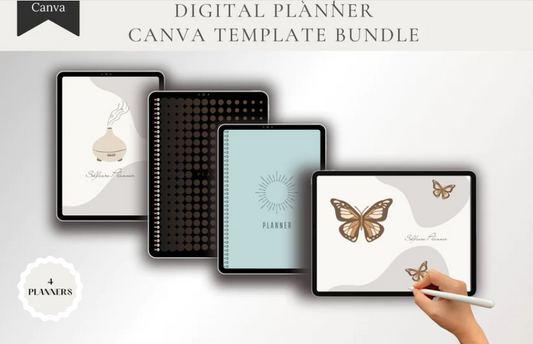
For example, instead of a general planner, sellers are now creating highly targeted systems like GoodNotes planners for iPad users, niche journaling systems, and AI-assisted productivity tools. You can see how digital product ecosystems are evolving in real examples like these insights on modern digital downloads and templates in this breakdown of digital product trends and downloadable assets.
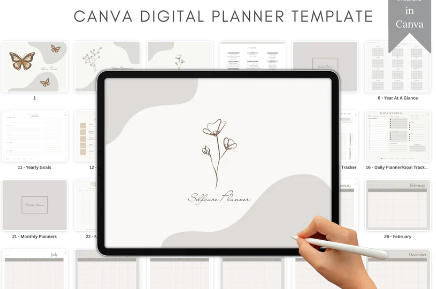
Similarly, design-led marketplaces are showing strong demand for Canva-based digital products such as planners, templates, and social media kits, especially when tailored to a specific audience rather than the mass market, as seen in this guide on Canva digital products that sell like crazy.
The core problem
-
High competition = low visibility
-
Low differentiation = price pressure
-
Generic products = slow or no sales
The solution
Focus on micro-niches with clear problems, such as:
-
iPad users who want structured digital planning systems
-
Small business owners needing automation templates
-
Creators looking for AI-assisted content workflows
-
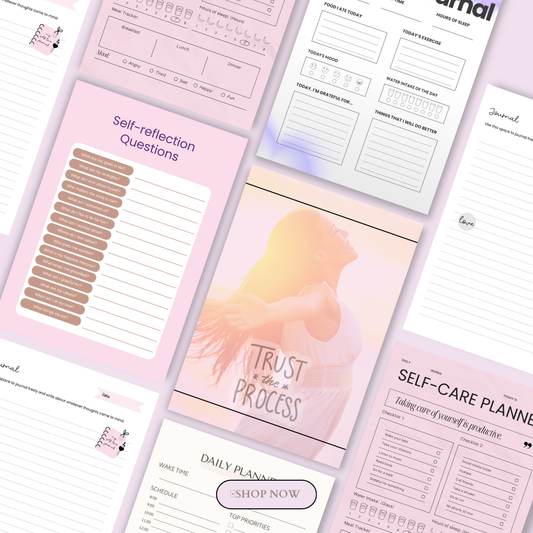
People wanting guided emotional or mindset tools like journals
Even highly saturated categories like planners can still be profitable when narrowed down properly, such as niche-specific digital planners designed for tools like GoodNotes, as shown in this breakdown of best digital planners for iPad and GoodNotes users.
What you will learn in this blog:
-
What low competition really means in digital products
-
High-potential product categories that still have room in 2026
-
How to identify and validate winning micro-niches before creating anything
2. What “Low Competition” Really Means in Digital Products
In the digital product space, low competition does NOT mean no competition. It means there is still enough unmet demand in a specific micro-niche where your product can stand out without fighting hundreds or thousands of identical listings.
Most beginners misunderstand this and assume:
“Planners are saturated, so I should avoid them completely.”
That is incorrect.
The reality is:
-
“Planners” are saturated at a broad level
-
But micro-niche planners are still wide open
For example:
-
Generic planner → saturated
-
“Etsy shop launch planner for first-time sellers” → low competition
-
“Study planner for nursing students using iPad GoodNotes” → micro-niche opportunity
Even within journaling and mindset tools, hyper-focused products like guided emotional systems and structured reflection tools still perform strongly, especially when tied to a specific outcome like healing, clarity, or confidence building. A good example of this niche positioning can be seen in products like this structured emotional growth tool: Self Love Journal digital product and its supporting content overview self-love journal guide and breakdown.
Why “Planners” and “Templates” Are NOT Automatically Competitive
Planners, templates, and digital systems are only saturated when:
-
They are too general (daily planner, budget tracker, content calendar)
-
They lack a specific audience
-
They do not solve a clearly defined workflow problem
However, when repositioned correctly, they become high-demand micro-products, especially in growing ecosystems like:
-
AI-assisted productivity systems
-
Notion and ClickUp business workflows
-
Canva-based business templates
-
iPad and digital journaling systems
For example, structured business ecosystems like curated productivity and planning systems (such as those found in collections like Plan & Prosper digital systems collection) show how niche targeting transforms a simple template into a high-value product suite.
Key Characteristics of Low-Competition Digital Products
To succeed in both USA and Australia digital marketplaces, a product must have at least 2–3 of the following traits:
1. Micro-niche focused
Targets a very specific audience:
-
Etsy sellers
-
Fitness coaches
-
Nurses, students, freelancers
-
Content creators or small agencies
2. Solves a narrow, specific problem
Instead of “productivity planner,” it becomes:
-
“Launch system for Etsy beginners”
-
“Content workflow tracker for Instagram coaches”
3. Uses new or emerging tools
High-growth tools often unlock new product categories:
-
AI tools (ChatGPT workflows, prompt packs)
-
Notion dashboards
-
Canva automation templates
-
Midjourney AI design systems
Examples of these new AI-driven product opportunities include advanced prompt systems like:
These represent a shift toward AI-powered micro-products, which are still relatively under-saturated compared to traditional digital goods.
4. “Unsexy but useful” systems
Some of the highest-performing digital products are not visually glamorous:
-
SOPs (standard operating procedures)
-
Business onboarding systems
-
Tracking spreadsheets
-
Client workflow templates
These products are often overlooked by creators, but heavily purchased by businesses because they save time and reduce decision fatigue.
Key Insight
Low competition in digital products is not about finding “new ideas”—it is about:
Taking existing ideas and narrowing them until they solve one specific, painful problem for one specific group of people.
That is where the real opportunity lies in 2026 across both the US and Australian digital product markets.
3. How to Identify a Low-Competition Product Idea (Step-by-Step System)
Finding low-competition digital products in 2026 requires a structured validation system using marketplaces, community research, and trend analysis. This strategy is especially effective for the USA and Australia digital product markets, where demand is strong but micro-niches are still underdeveloped.
To understand how digital products function in today’s creator economy, you can explore this guide on digital products explained and real-world examples 👉 digital products explained and examples
Marketplace Validation Method (Etsy, Gumroad, Amazon KDP)
Marketplaces like Etsy, Gumroad, and Amazon KDP act as live demand testing platforms. Instead of guessing ideas, you study what is already selling and identify gaps.
What to look for:
-
Few high-quality listings → strong opportunity
-
Weak or outdated competitors → easy entry point
-
Repetitive ideas with poor execution → niche opportunity
-
High competition but low innovation → avoid or reposition
Even saturated categories like planners and templates still contain profitable micro-niches when narrowed correctly. You can explore beginner-friendly opportunities here 👉 digital products you can sell on Etsy without design skills
For a broader understanding of scalable opportunities in 2026, explore 👉 100 digital products you can sell online in 2026 guide
For creators exploring resale models and PLR systems:
-
👉 best PLR products to resell in 2026 guide
Community Research Method (Reddit, Facebook Groups, Niche Forums)
Marketplaces show what is selling—but communities reveal what people actually need but cannot find.
To discover real low-competition ideas, research:
-
Reddit communities for Etsy sellers, AI creators, and freelancers
-
Facebook groups for digital entrepreneurs
-
Niche forums in business, education, and marketing
What to look for:
-
Repeated questions → unmet demand
-
“How do I…” posts → workflow gaps
-
Complaints about tools → improvement opportunities
-
Requests for templates → direct product ideas
Many successful digital products start from simple problems. For example, structured planners remain one of the strongest categories on Etsy 👉 beginner digital planners for Etsy sellers
AI-driven opportunities are also rapidly emerging 👉 digital products you can create using ChatGPT and AI tools
Trend Cross-Checking Method (2026 Strategy)
Once you identify a product idea, validate it against emerging trends in USA and Australia markets.
Focus on:
AI Tools
-
ChatGPT workflows
-
Midjourney systems
-
Automation tools
Productivity Systems
-
Notion dashboards
-
ClickUp workflows
-
Spreadsheet systems
Creator Economy Tools
-
Content planning systems
-
Monetization frameworks
-
Growth systems
A fast-growing category in this space is AI prompt-based digital products 👉 AI prompt packs collection
4. High-Potential Low Competition Digital Product Ideas (2026)
Below are the most profitable low-competition digital product categories for Etsy, Gumroad, and Shopify sellers targeting USA and Australia markets.
For foundational understanding of digital product models, see 👉 digital products overview guide
For beginner Etsy inspiration 👉 digital planners for Etsy beginners
4.1 Micro-Reports & Curated Resource Lists
What they are
Micro-reports are short curated PDF guides that compile niche-specific resources:
-
Tools
-
Vendors
-
Influencers
-
Service providers
They act as shortcut knowledge databases for specific audiences.
Why competition is low
This format is underused because it requires research effort—but that is exactly why it works:
-
Low supply
-
High perceived value
-
Easy to scale into many niches
Example ideas
-
Local wedding vendor lists
-
Micro-influencer databases
-
AI tools for real estate agents
-
Startup resource directories
How to create
-
Choose a specific niche audience
-
Collect 20–100 verified resources
-
Organize into PDF format
-
Add bonus templates or scripts
Where to sell
-
Etsy digital downloads
-
Gumroad reports
-
Personal websites
For creators exploring resale systems 👉 PLR digital product strategies explained
4.2 AI Prompt Packs for Specific Professions
What they are
AI prompt packs are structured workflow systems designed for specific professions.
They are:
-
Role-specific
-
Outcome-driven
-
Workflow-based
Why generic prompts are saturated but niche prompts are not
Generic prompt packs are:
-
Too broad
-
Not workflow-based
-
Easy to copy
Niche prompt systems succeed because they solve real business problems.
Example ideas
-
Etsy SEO prompt system
-
HR hiring workflows
-
Social media content systems
-
Real estate listing prompts
How to build them
-
Break job into tasks
-
Create prompts for each workflow step
-
Organize into structured sections:
-
Content creation
-
Communication
-
Automation
-
Add examples and instructions
Advanced examples include:
Explore full ecosystem 👉 AI prompt packs marketplace collection
Where to sell
-
Etsy
-
Gumroad
-
Personal brand sites
4.3 Niche Notion, ClickUp & Spreadsheet Systems
Why general productivity templates are saturated
Generic templates like:
-
Daily planners
-
Habit trackers
-
Business dashboards
are heavily oversupplied.
High-value micro-systems
Instead of broad templates, focus on:
-
Etsy shop dashboards (SEO + revenue tracking)
-
Content planning systems
-
Profit tracking sheets
-
Client onboarding systems
What makes them valuable
High-performing systems include:
-
Clear outcomes
-
Real usability
-
Automation
-
Decision support
Examples of structured digital systems:
Where to sell
-
Etsy (beginner market)
-
Gumroad (premium systems)
-
Shopify (scaling stage)

4.4 Hyper-Specific Printable & Digital Planners
General planners are one of the most saturated digital product categories, especially on Etsy. However, the real opportunity in 2026 is not general planners—it is hyper-specific micro-niche planners built around one audience and one transformation outcome.
To understand how modern digital product ecosystems like PLR and resale assets work, explore 👉 PLR digital products explained
You can also learn how high-demand niches are identified in fast-selling markets 👉 high-demand PLR niches that sell fast
Why general planners are saturated
-
Too broad (daily, weekly, yearly planners)
-
No specific audience targeting
-
Easily replaceable
-
High competition with low differentiation
Micro-niche planner opportunities
Instead of generic productivity tools, focus on transformation-based planners:
-
Etsy shop launch planners
-
Side hustle planners for students, moms, freelancers
-
7-day execution sprint planners
-
21-day habit or transformation planners
A strong example of high-performing structured systems is the quantum-style manifestation planner system 👉 quantum manifestation planner
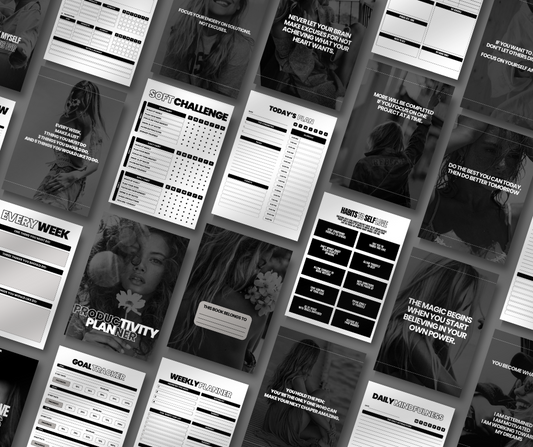
You can also explore productivity-focused systems 👉 productivity planner system
How to design them in Canva
-
Start with one transformation goal
-
Break it into daily/weekly steps
-
Design clean layouts
-
Add:
-
Checklists
-
Progress trackers
-
Reflection prompts
Selling platforms
-
Etsy (best for planners)
-
Gumroad (digital bundles)
-
Shopify (brand building)
Explore structured planning ecosystems 👉 plan and prosper collection
4.5 Short Outcome-Based Mini Courses & Workshops
Traditional online courses are highly competitive because they are broad, long, and overloaded. However, micro-courses and outcome-based workshops are still low-competition and high-profit opportunities.
Explore current digital product trends 👉 digital products to sell
See in-demand product ideas 👉 high-demand digital products
Why broad courses are competitive
-
Too long and overwhelming
-
No immediate transformation
-
High production effort
-
Saturated “everything about X” courses
Micro-course advantage
Micro-courses succeed because they focus on:
-
One transformation
-
One outcome
-
One problem
-
Fast implementation
Example ideas
-
“Get your first Gumroad sale in 2 hours”
-
“Create high-converting Etsy listing images fast”
-
“Launch your first digital product in one session”
Explore structured learning formats 👉 masterclass collection
Growth-focused example system 👉 anti-algorithm growth guide
Structure of a micro-course
-
Lesson 1: Problem setup
-
Lesson 2: Step-by-step execution
-
Lesson 3: Final result
-
Bonus: Templates or swipe files
Where to sell
-
Gumroad (fast launch)
-
Shopify (brand control)
-
Personal website (scaling)
4.6 “Boring” Business Operations Templates
Some of the most profitable digital products are not flashy—they are boring business systems that solve real operational problems.
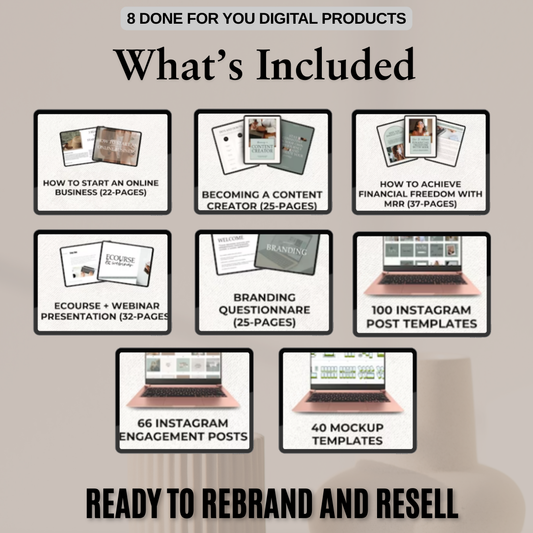
Learn how done-for-you systems work 👉 done-for-you digital products explained
See real selling DFY examples 👉 done-for-you digital products that actually sell
Why unsexy products are highly profitable
-
Businesses prioritize efficiency
-
Low competition
-
High willingness to pay
-
Evergreen demand
Examples
-
SOPs for YouTube creators
-
Client onboarding systems
-
HR hiring templates
-
Business workflow systems
Why businesses pay for them
-
Saves time
-
Reduces errors
-
Standardizes operations
-
Helps scale
Explore structured PLR systems 👉 PLR business systems
Mindset and productivity tools 👉 wealth mindset journal
Packaging strategy
-
Bundle into full systems
-
Add instructions
-
Include editable formats
-
Position as “done-for-you business toolkit”
4.7 Audio-Based Digital Products
Audio-based digital products are one of the most underrated opportunities in digital business, especially compared to visual templates.
Explore broader product categories 👉 digital products overview
Why audio is underused
-
Most creators focus on visuals
-
Less competition
-
High demand in wellness and productivity niches
Examples
-
Niche affirmations
-
Focus sound loops
-
Guided journaling audio
-
Mindset reprogramming tracks
Explore transformation-based collections 👉 new year transformation collection
Mindset systems example 👉 Naomi bundle mindset system
How to create them simply
-
Write short scripts
-
Record audio (phone is enough)
-
Add background sound
-
Export MP3
-
Bundle with PDF guide
Selling platforms
-
Gumroad (best for audio)
-
Etsy (meditation/affirmation bundles)
-
Personal site (premium positioning)
5. Step-by-Step Framework to Validate Any Digital Product Idea
Before creating any digital product, validation is what separates profitable ideas from wasted effort. Low-competition digital products are discovered through structured research across marketplaces, trends, and real audience behavior.
Explore real examples of digital product categories here:
👉 Digital products to sell online guide
Step 1: Search on Etsy, Gumroad, and Amazon KDP
Start by searching your idea directly on marketplaces. These platforms show real buyer demand in real time.
Look at:
-
Number of listings
-
Bestseller tags
-
Pricing patterns
-
Product formats
Even saturated niches like planners can still work when properly narrowed:
👉 Planners as a digital product category
Step 2: Analyze Competition Depth
Don’t just count competitors — analyze quality.
Ask:
-
Are listings outdated?
-
Are designs generic or premium?
-
Are reviews strong or weak?
-
Is there clear differentiation?
Step 3: Identify Gaps in Positioning
Look for missing angles:
-
No specific audience focus
-
No transformation-based messaging
-
No bundled systems
-
Weak branding or unclear value
Even emotional niches perform well when positioned correctly:
👉 Self-love journal digital product example
Step 4: Check Real Demand in Communities
Marketplaces show sales — communities show unsolved problems.
Research:
-
Reddit creator communities
-
Facebook digital business groups
-
Notion and productivity forums
-
Freelance and creator ecosystems
Look for repeated pain points, not just ideas.
Step 5: Cross-Check With Trends (AI, Notion, Productivity)
Validate whether your idea aligns with current trends:
-
AI-powered workflows
-
Notion productivity systems
-
Creator economy tools
-
Digital branding assets
Example of strong trend-aligned products:
👉 Ultimate branding course with resale rights
👉 Luna bundle digital brand system
👉 Glow Lab Co content templates bundle
👉 Content Girl social media bundle
6. Common Mistakes to Avoid When Choosing Digital Products
Most beginners fail due to strategy mistakes, not effort.
Going too broad
-
“Planners for everyone”
-
“Business templates for all”
These fail due to lack of focus.
Ignoring validation before building
Always validate before creating.
Copying saturated ideas without differentiation
Copying = invisibility.
Over-designing instead of solving a problem
Pretty design does not equal sales.
Not targeting a specific audience
A product for everyone sells to no one.
For deeper market understanding, explore:
👉 Best digital downloads for passive income 2026
👉 Easy digital products to sell online
👉 20 high-demand digital products
7. Tools to Help You Find & Validate Digital Product Ideas
Etsy search + filters
-
Bestseller analysis
-
Competition level check
-
Pricing insights
Google Trends
-
Long-term demand validation
-
Keyword comparison
-
Rising niches
Reddit communities
-
Real user problems
-
Pain points before product creation
Pinterest trend searches
-
Visual demand signals
-
Seasonal product trends
AI tools for idea expansion
-
Micro-niche discovery
-
Product variation generation
Explore structured digital systems:
👉 Masterclass digital product collection
👉 Plan & prosper productivity systems
8. Conclusion: The Real Key to Low-Competition Success
Success in digital products does NOT come from complexity — it comes from precision.
Low-competition products work because they are:
-
Micro-niche focused
-
Problem-specific
-
Outcome-driven
-
Properly validated
The real formula is:
👉 micro-niche + real problem + clear transformation = consistent sales
The smaller the audience, the easier the sale — if the problem is real.
9. Resources / Further Reading
Explore these trusted sources for deeper research:
Frequently Asked Questions (FAQs)
1. What are the best low-competition digital products to sell in 2026?
Some of the best low-competition digital products to sell in 2026 include niche AI prompt packs, micro-reports, curated resource directories, industry-specific Notion templates, business operations templates, hyper-specific planners, and outcome-based mini courses. The key is to focus on a narrow audience and solve a specific problem rather than creating a broad product for everyone.
2. How do I know if a digital product niche is too competitive?
A niche may be too competitive if there are thousands of nearly identical listings with strong reviews and little room for differentiation. However, competition alone is not a reason to avoid a niche. Look for gaps in audience targeting, product positioning, pricing, or features. Often, a saturated category can become a low-competition opportunity when you focus on a specific micro-niche.
3. Where can I sell low-competition digital products?
Popular platforms for selling digital products include Etsy, Gumroad, Shopify, Payhip, and your own website. Etsy works well for planners, templates, and printables, while Gumroad is ideal for prompt packs, mini courses, audio products, and niche business resources. Many successful creators eventually combine marketplace sales with their own online store.
4. Can I create digital products without design skills?
Yes. Many profitable digital products require little or no graphic design experience. Examples include AI prompt packs, curated resource lists, spreadsheets, Notion templates, SOP documents, checklists, business workflows, and mini courses. Tools like Canva, ChatGPT, Notion, and Google Sheets make it easier than ever to create professional digital products without advanced technical skills.
5. What is the secret to finding profitable low-competition digital product ideas?
The secret is to focus on a specific audience with a specific problem. Instead of creating a generic planner, create a planner for Etsy sellers. Instead of selling general AI prompts, create prompts for real estate agents or social media managers. The more specific the audience and outcome, the easier it is to stand out from competitors and attract buyers who are actively looking for a solution.
🎬 Want a visual walkthrough?
If you’d rather watch than read, here’s the full explainer video covering everything in this guide: