





1. Introduction
Most digital products don’t fail because the idea is bad—they fail because the market is overcrowded.
From generic fitness ebooks to basic planners, thousands of creators are competing in the same saturated categories, driving prices down and making it harder to stand out. If you’ve ever tried selling a digital product and heard nothing but silence, oversaturation is likely the reason.
🎥 Prefer watching instead of reading?
Watch the full step-by-step explainer video below.
But here’s the shift most beginners miss:
👉 The real opportunity in 2026 is not in broad markets—it’s in micro-niches.
Instead of targeting “everyone,” successful creators are building products for highly specific audiences with clear problems. This approach not only reduces competition but also increases perceived value, allowing you to charge premium prices.
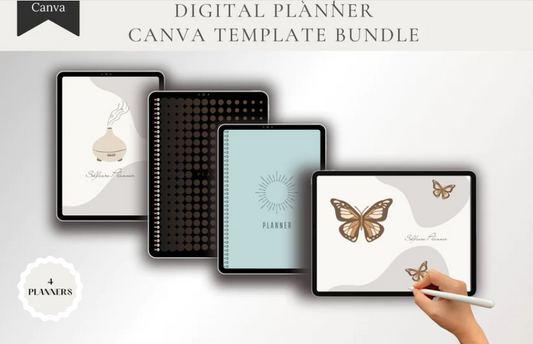
For example, instead of selling a generic planner, creators are now launching niche-focused systems inspired by resources like this digital planners breakdown that highlights how specificity drives conversions.
In this guide, you’ll learn:
-
What “low competition” actually means (and what it doesn’t)
-
The best low-competition digital product types to sell in 2026
-
Real niche examples that are currently working
-
How to validate your idea before wasting time creating
If you want a broader list of ideas before diving deep, you can explore this mega guide on digital products to sell in 2026 for inspiration.
2. What “Low Competition” Really Means
2.1 Key Characteristics of Low-Competition Niches
A low-competition niche doesn’t mean “no competition.” It means strategic competition—where demand exists, but supply is either limited or low quality.
These niches usually share three defining traits:
Specific Audience Targeting
Instead of targeting a broad group like “entrepreneurs,” low-competition products focus on a clearly defined audience.
Examples:
-
Freelance writers who struggle with invoicing
-
Stay-at-home moms building Etsy shops
-
Non-technical professionals learning AI
This level of specificity is why curated resources like AI prompt packs for niche users are gaining traction—they solve targeted problems instead of generic ones.
Observable but Underserved Demand
There is already demand—but it’s not fully satisfied.
You’ll often find:
-
People searching for solutions
-
Few high-quality products available
-
Outdated or poorly designed listings
For example, marketplaces like Etsy still have gaps, especially when you explore ideas from guides like digital products you can sell on Etsy without designing, where underserved niches are easier to spot.
High Perceived Value
Low-competition products solve painful or time-consuming problems.
Buyers are willing to pay more for:
-
Time-saving tools
-
Step-by-step systems
-
Ready-to-use templates
For instance, structured offers like this organic growth marketing bundle deliver high perceived value because they combine multiple solutions into one.
2.2 Why Generic Niches Fail
Generic niches are where most beginners go wrong.
Categories like:
-
Fitness ebooks
-
Basic budgeting guides
-
Generic planners
…are oversaturated because they target everyone.
The result?
Oversaturation
Thousands of similar products flood marketplaces like Gumroad, Etsy, and Amazon KDP, making it difficult for new sellers to compete.
Price Wars and Low Margins
When products look the same, price becomes the only differentiator.
This leads to:
-
Undercutting competitors
-
Selling at extremely low prices
-
Struggling to generate sustainable income
In contrast, niche-focused strategies—like those explained in this PLR digital products guide—allow sellers to differentiate through branding, packaging, and positioning rather than price.
2.3 How Experts Identify Low Competition
Successful creators don’t guess—they validate.
Here are the exact methods used to find low-competition digital products:
Keyword Research Tools
Tools like Google Trends and SEMrush help identify:
-
What people are searching for
-
Whether demand is growing or declining
-
Keyword difficulty and competition levels
This is especially useful when validating ideas like niche courses or growth systems similar to this Instagram growth masterclass, where demand is tied to trending platforms.
Marketplace Research
Platforms like Etsy, Gumroad, and Amazon KDP reveal real-time demand.
When researching, look for:
-
Weak or outdated listings
-
Poor design or low-quality products
-
Gaps in specific sub-niches
For example, products that go against trends—like this anti-algorithm growth guide—often stand out because they address unmet needs in crowded spaces.
Pro Tip: Combine Both Approaches
The best opportunities appear when:
-
Search demand exists (keyword tools confirm it)
-
Marketplace competition is weak (manual search confirms it)
This intersection is where low-competition, high-profit digital products are born.
3. Best Low-Competition Digital Products to Sell in 2026
The digital product market in 2026 isn’t saturated—it’s misunderstood.
While generic products are overcrowded, highly specific, problem-solving digital products are still wide open. The key is choosing the right format and pairing it with a micro-niche audience.
Below are the best low-competition digital product types you can start selling right now.
3.1 Micro-Niche Ebooks
Why Ebooks Are the Easiest Entry Point
Ebooks remain one of the fastest and lowest-cost ways to enter the digital product space.
You don’t need advanced design skills or expensive tools—just valuable, structured information. With the rise of AI tools, creating ebooks has become even faster, especially when using frameworks from guides like this AI-powered digital product creation resource.
Ebooks also allow you to:
-
Validate ideas quickly
-
Test niche demand with minimal risk
-
Scale into higher-ticket products later
Example Low-Competition Ebook Niches
-
AI for non-technical users
(e.g., AI tools for small business owners or freelancers) -
Personal finance for specific groups
(students, freelancers, people in their 20s/30s) -
Health sub-niches
(gut health, sleep optimization, niche diets) -
Freelancing & remote work
(client acquisition, productivity systems) -
Parenting guides
(screen-free activities, homeschool frameworks)
If you want a broader breakdown of profitable directions, explore this digital products ideas guide for additional niche inspiration.
3.2 Templates & Printable Tools
Why Templates Sell Consistently
Templates are one of the most reliable digital product categories because they offer instant solutions.
Buyers don’t want to build from scratch—they want plug-and-play systems.
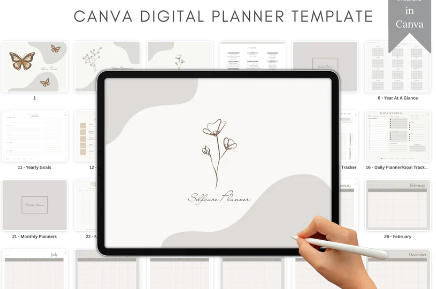
That’s why marketplaces like Etsy are filled with high-performing templates, especially when backed by niche demand insights from resources like this beginner-friendly digital planners guide.
Templates are:
-
High-margin
-
Easy to scale
-
Evergreen in demand
Example Low-Competition Template Niches
-
Social media planners
(Instagram, TikTok, LinkedIn content calendars) -
Wedding & event printables
(budget trackers, seating charts, timelines) -
Notion productivity systems
(habit trackers, dashboards, student planners) -
Freelancer business tools
(invoices, proposals, contracts) -
Teacher & homeschool materials
(worksheets, lesson plans, activity packs)
3.3 PLR Digital Products (Resell & Rebrand Model)
What PLR Is and Why It Lowers Competition
PLR (Private Label Rights) products allow you to buy, customize, and resell digital content as your own.
This drastically reduces:
-
Creation time
-
Upfront cost
-
Skill requirements
More importantly, it allows you to compete through branding and positioning, not just creation.
If you’re new to this model, this step-by-step PLR reselling guide breaks down exactly how to get started.
Example Low-Competition PLR Niches
-
Self-improvement & mindset
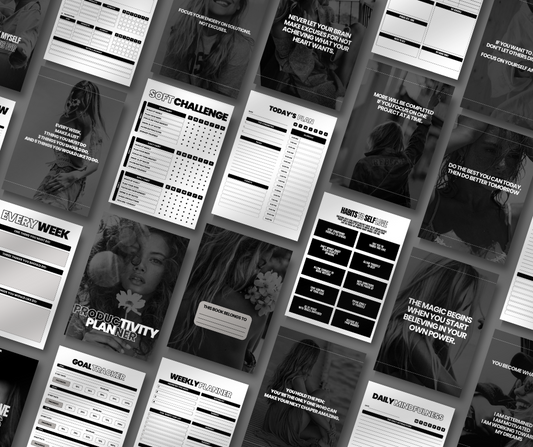
(journals, habit systems, confidence guides) -
Health & wellness
(meal plans, fitness routines, sleep systems) -
Business & side hustles
(Etsy guides, email marketing, passive income) -
Parenting & family
(routines, kids activities, screen-time control)
Monetization Angle
PLR becomes powerful when you package it strategically:
-
Bundles → Combine multiple products into one offer
-
Memberships → Offer ongoing access to a content library
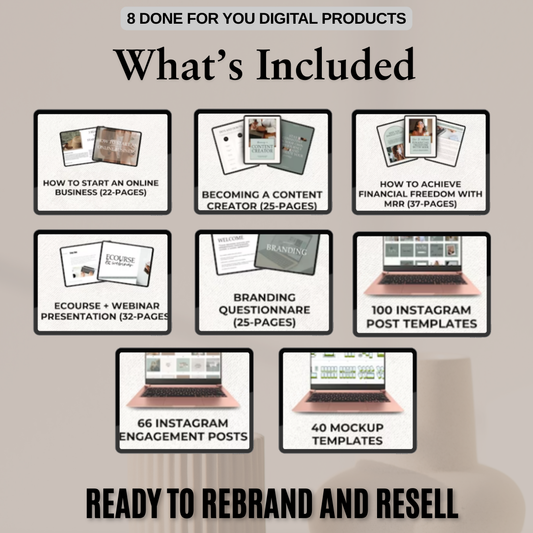
For example, systems like this plug-and-play content bundle show how bundled digital assets increase perceived value and pricing power.
3.4 Niche Canva / Design Templates
Why Etsy Is Saturated—But Still Full of Opportunity
Yes, Etsy is competitive—but only at the generic level.
The real opportunity lies in:
-
Hyper-specific use cases
-
Unique design angles
-
Targeted audiences
Creators who leverage niche design strategies (often using advanced prompt systems like this cinematic AI design prompt pack) can stand out even in crowded categories.
Example Low-Competition Design Niches
-
Stream overlays
(Twitch, YouTube gaming channels) -
Wedding newspaper templates
(vintage, themed, destination weddings) -
Photo booth designs
(baby showers, birthdays, graduations) -
Business-specific kits
(real estate listings, HVAC quotes, branding kits)
3.5 Specialised Guides & Courses
Why Specificity = Premium Pricing
The more specific your product, the more you can charge.
Generic courses struggle—but niche, outcome-focused courses thrive because they solve a clear, valuable problem.
This is especially true in emerging fields like AI, where structured learning paths (like this MidJourney mastery bundle) help users shortcut the learning curve.
Example Low-Competition Course Niches
-
AI skills for beginners
-
Etsy / eCommerce training
-
Content creation systems
-
Exam & certification prep
Smart Strategy: Start Small, Then Scale
A proven approach:
-
Launch a micro-niche ebook
-
Validate demand
-
Expand into a full course or system
This reduces risk and ensures your course is built on real demand—not assumptions.
3.6 Audio-Based Digital Products
An Emerging Low-Competition Opportunity
Audio products are rapidly growing, yet still underutilized compared to ebooks and templates.
They’re perfect for:
-
Passive consumption
-
Mobile-first users
-
Busy audiences
Example Audio Product Niches
-
Guided meditations & breathwork
-
Audiobooks (self-help, finance, parenting)
-
Kids audio stories
-
Podcast-style mini courses
Key Advantage: Low Production Cost
With modern AI tools, you can:
-
Generate voiceovers
-
Edit audio easily
-
Produce content at scale
Advanced prompt strategies—like those taught in this AI prompt stacking guide—can even help script and structure high-quality audio content faster.

4. How to Validate a Low-Competition Niche (Step-by-Step)
Finding a low-competition digital product idea is only half the game—the real advantage comes from validating it before you create anything.
This step-by-step process ensures you’re building products that people are already searching for and willing to pay for.
4.1 Check Search Demand
Before creating any digital product, confirm that people are actively searching for your idea.
Use tools like:
-
Google Trends
-
Keyword research platforms (SEMrush, Ubersuggest, Ahrefs)
Look for:
-
Consistent or rising search interest
-
Long-tail keywords (e.g., “AI for small business marketing”)
-
Low keyword difficulty
For example, trending categories highlighted in this digital products to sell guide show how demand shifts toward AI, niche education, and productivity tools.
You can also explore broader insights from this digital product trends breakdown to identify growing opportunities in both US and Australian markets.
4.2 Analyze Marketplace Competition
Once demand is confirmed, the next step is to analyze competition on real marketplaces.
Search your idea on:
-
Etsy
-
Gumroad
-
Amazon KDP
Look closely at:
-
Quality of top listings
-
Number of competitors
-
Gaps in design, messaging, or value
If the first page is filled with weak or outdated products, that’s your opportunity.
For example, PLR niches often reveal hidden gaps, especially when guided by insights like this high-demand PLR niches guide.
4.3 Evaluate Pricing Power
Pricing reveals whether a niche is healthy—or already saturated.
Healthy Market Signs
-
Products priced between $10–$50+
-
Clear value differentiation
-
Bundled or premium offers
Red Flags
-
Products priced under $1–$5
-
Too many identical listings
-
Heavy discounting
Strong pricing often comes from perceived value, especially in AI-powered niches where tools and systems (like this AI prompt stacking system) justify higher price points due to their practical outcomes.
4.4 Confirm Audience Access
Even the best product will fail if you can’t reach your audience.
Before committing to a niche, ask:
-
Can I rank for this on Google (SEO)?
-
Can I drive traffic from Pinterest?
-
Is this audience active on social media?
For example:
-
Visual niches perform well on Pinterest and Instagram
-
Educational products perform well via SEO and YouTube
Content ecosystems built around collections like Plan & Prosper or Words That Sell show how targeting the right audience with the right messaging increases discoverability.
Similarly, creators leveraging visual platforms often succeed using assets from collections like Post Perfection and Reel Power Packs to amplify reach.
5. Quick Comparison Table (For Easy Skimming)
Here’s a quick breakdown of the best low-competition digital product types in 2026, including where they perform best and why they still work.
|
Product Type |
Example Niches |
Best Platforms |
Why It’s Low Competition |
|
Micro-niche ebooks |
AI for non-tech, finance by age |
KDP, Gumroad |
Specificity reduces competition |
|
Templates |
Freelancer tools, planners |
Etsy, Gumroad |
High utility demand |
|
PLR products |
Self-help, business |
Gumroad |
Rebranding advantage |
|
Canva templates |
Overlays, wedding designs |
Etsy |
Unique use cases |
|
Courses |
AI, Etsy selling |
Teachable |
Skill-based premium |
|
Audio products |
Meditations, kids stories |
Audible, Gumroad |
Underserved format |
Pro Insight: Where the Real Opportunity Is
The biggest opportunity in 2026 lies at the intersection of:
-
AI-powered creation
-
Niche audiences
-
High-value outcomes
For example, creators using advanced visual AI systems—like this hyperrealism AI guide or beginner-friendly resources such as this MidJourney starter guide—are building premium products in low-competition niches.
Similarly, visual content niches are expanding rapidly with resources like the AI image collection and motion-based systems such as this cinematic motion prompt guide.
Final Takeaway
Low competition isn’t about finding a “secret niche”—it’s about:
-
Being more specific than everyone else
-
Validating before creating
-
Delivering real, tangible value
6. Key Takeaways
If you remember nothing else from this guide, remember this:
Low Competition = Specificity + Value
The most profitable digital products in 2026 are not broad—they are laser-focused.
Instead of targeting “everyone,” successful creators are building solutions for very specific audiences with clear problems. This is why niche-focused digital assets—like curated visual packs such as Full Bloom Boho AI stock images or aesthetic collections like Pastel Paris vintage stock images—perform better than generic design resources.
Micro-Niches Outperform Broad Categories
Broad niches are crowded. Micro-niches are profitable.
Instead of:
-
“Social media templates” → Try “Instagram content for skincare brands”
-
“Ebooks” → Try “AI tools for freelance writers”
This level of targeting allows you to stand out and build authority faster—especially when paired with systems like this branding course with resell rights that help position your offer effectively.
Validation Is More Important Than Creation
Most beginners waste time creating products no one is searching for.
Instead:
-
Validate demand first
-
Check competition
-
Confirm pricing potential
Use proven insights from resources like this digital products mega guide for 2026 to identify what’s already working before you build.
Start Small, Then Scale
The smartest creators don’t start big—they start strategically.
A proven path:
-
Launch a small digital product (ebook, template, or PLR bundle)
-
Validate demand
-
Expand into higher-ticket offers
For example, you can start with simple content assets like content girl aesthetic image packs or niche templates like skincare Instagram post bundles, then scale into full systems or courses.
7. Conclusion
The opportunity to sell low-competition digital products in 2026 has never been bigger—but it belongs to those who approach it differently.
The old way of creating generic products and hoping for sales is over.
The new way is:
-
Choose a specific niche
-
Validate demand before creating
-
Build high-value, problem-solving products
Whether you’re creating AI-powered visuals using tools like this influencer-style prompt pack or designing high-converting content with systems like this cinematic AI prompt bundle, the key is execution—not perfection.
Don’t overthink your niche.
Start with what you know, validate quickly, and improve as you go.
If you’re still exploring ideas, this digital products resource hub can help you discover more opportunities and refine your direction.
8. References
This guide is based on current digital product trends, niche validation strategies, and marketplace research. You can explore these sources for deeper insights:
-
Inkfluence AI – Insights on trending niches in 2026:
Best digital product niches 2026 -
Resell Ready – PLR strategies, digital product ideas, and monetization frameworks:
PLR digital products guide -
Whop – PLR sourcing and beginner-friendly insights:
Free PLR products guide -
Growing Your Craft – Etsy-specific low-competition niches:
Profitable niche digital products on Etsy -
YouTube Research (eRank / Everbee insights):
Low competition digital product ideas video
Etsy niche research strategies -
Additional tools and frameworks include AI-based creation systems like this prompt stacking strategy guide for building high-converting digital assets.
FAQ – Low Competition Digital Products
1. What does “low competition” mean for digital products?
Low competition refers to niches where demand exists but few high-quality products serve the audience. These are often micro-niches with specific problems, such as “AI automation for solopreneurs” or “screen-free activity guides for kids.” Targeting these allows you to charge more and stand out from generic markets. Learn more about trending low-competition ideas in our digital products mega guide.
2. Which digital products are easiest to start with in 2026?
For beginners, micro-niche ebooks, templates, and PLR products are the fastest to create and validate. They require low upfront cost, can be quickly sold on platforms like KDP, Etsy, or Gumroad, and allow room to expand into courses or bundles. Check out examples like our Full Bloom Boho AI stock images or Prompt Stacking AI Guide for inspiration.
3. How do I validate a low-competition niche before creating a product?
Validation is critical. Use these steps:
-
Check search demand with Google Trends or keyword tools
-
Analyze marketplace competition on Etsy, Gumroad, or Amazon KDP
-
Confirm pricing power—products selling for reasonable prices indicate real demand
-
Ensure you can reach your audience via SEO, Pinterest, or social media
For a deeper guide, see our step-by-step validation process.
4. Can I sell PLR products and still have low competition?
Yes! PLR (Private Label Rights) products allow you to rebrand and resell content, which reduces upfront creation effort and lowers direct competition. Popular niches include self-improvement, business, health, and parenting. Explore our curated PLR digital product collection to get started.
5. What platforms are best for selling low-competition digital products?
It depends on your product type:
-
Ebooks & courses: KDP, Gumroad, Teachable
-
Templates & printables: Etsy, Gumroad, Teachers Pay Teachers
-
PLR products: Gumroad, your own website
-
Audio & guided content: Audible, Gumroad, Podbean
For visual or AI-powered content, collections like Content Girl aesthetic image packs or Director’s Cut AI prompt pack are perfect for Etsy, Gumroad, and other niche marketplaces.
🎬 Want a visual walkthrough?
If you’d rather watch than read, here’s the full explainer video covering everything in this guide: