


1. Introduction
The demand for planners hasn’t disappeared—it has evolved. While traditional paper planners remain popular, the rapid rise of digital products has created a booming market for online entrepreneurs. From Etsy sellers in the U.S. to side hustlers in Australia, creators are now choosing between printable planners and digital planners as scalable income streams.
🎥 Prefer watching instead of reading?
Watch the full step-by-step explainer video below.
If you're exploring digital downloads as a business model, planners are one of the most profitable and beginner-friendly niches to start with. But the big question is: which type actually sells better online?
Here’s the short answer: digital planners typically offer higher profit margins and scalability, while printable planners are easier to create, quicker to launch, and benefit from strong ongoing demand.
In this guide, you’ll learn:
-
The exact difference between printable and digital planners
-
Which format customers prefer (and why)
-
How to choose the best option for your online business
-
Which one has the highest income potential in 2026 and beyond
Whether you're building a side hustle or aiming for financial independence through products like those in this guide to financial freedom through side hustles, this breakdown will help you make the right decision.
2. What Are Printable vs Digital Planners?
Before comparing sales performance, it’s important to clearly understand how these two planner types work—and who they’re best suited for.
If you’re new to the space, this overview of planners and how they sell online can give you additional context.
2.1 Printable Planners (Definition & Features)
Printable planners are PDF-based files that customers purchase, download instantly, and print at home or through a print shop. They are designed to replicate the traditional paper planning experience without requiring physical inventory or shipping.
Key features include:
-
Instant download format (usually PDF)
-
Designed for home printing (A4, Letter, etc.)
-
Static pages (non-interactive)
-
Customization through printing choices (page order, paper type, binding)
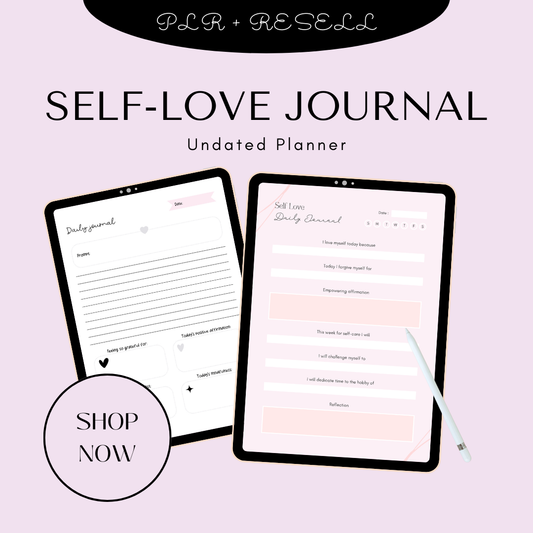
These planners are especially popular among users who enjoy writing by hand, organizing physical binders, or creating personalized planning systems. Many niche products—like wellness trackers or a self-love journal for personal growth—perform particularly well in printable format because they align with mindful, offline routines.
For creators, printable planners are often the easiest entry point into selling digital products due to their simplicity and fast production time.
2.2 Digital Planners (Definition & Features)
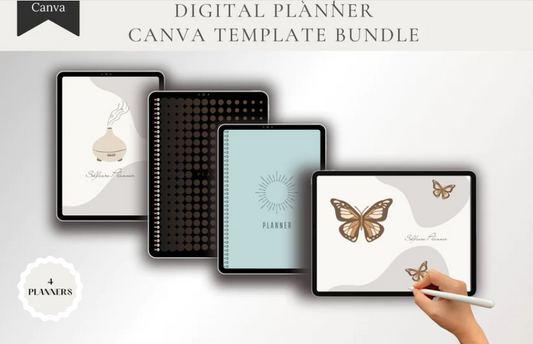
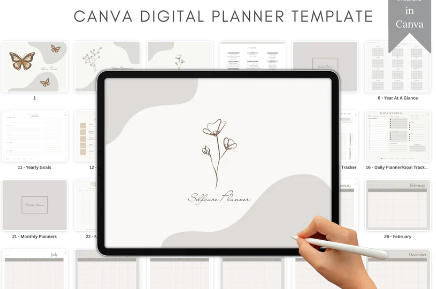
Digital planners are designed for use on tablets, smartphones, and computers, typically through apps like GoodNotes or Notability. Unlike printables, they are interactive and built to mimic a real planner experience digitally.
Key features include:
-
Hyperlinked tabs for easy navigation
-
Stylus compatibility (Apple Pencil, etc.)
-
Copy, paste, duplicate, and rearrange pages
-
Reusable layouts (no need to reprint)
These planners are ideal for users who want flexibility, portability, and an all-in-one productivity system. Many premium products, such as those found in a complete planner collection bundle, combine multiple layouts and features into one seamless digital experience.
Digital planners also pair well with mindset and productivity tools, such as a money mindset collection for goal setting or a new year goal-setting planner system, making them attractive to buyers focused on long-term transformation.
2.3 Key Differences at a Glance
While both formats are sold as digital downloads, the user experience—and business potential—differs significantly.
Format
-
Printable planners: Static PDF files
-
Digital planners: Interactive, app-based files
Usage Method
-
Printable: Printed and used physically
-
Digital: Used on devices with stylus or touch input
Flexibility
-
Printable: Limited to printed format
-
Digital: Highly flexible (edit, duplicate, reorganize)
Learning Curve
-
Printable: Beginner-friendly
-
Digital: Requires familiarity with apps and devices
For advanced users, digital planners—especially systems like a quantum manifestation planner for aligning goals—offer a more dynamic and customizable experience, while printables remain the go-to choice for simplicity and accessibility.
3. Market Demand: Are People Still Buying Planners?
Despite the explosion of apps and digital tools, planners are far from obsolete. In fact, the global stationery and planning market continues to grow, proving that both traditional and digital planning systems have strong and sustained demand.
For anyone exploring digital products as an online income stream, planners remain one of the most reliable and evergreen niches.
3.1 Ongoing Demand for Paper Planning
The global stationery market is valued at over $200 billion USD, with steady annual growth of around 4–5%. This includes planners, journals, and productivity tools—showing that physical-style planning is still deeply embedded in daily life across the U.S., Australia, and beyond.
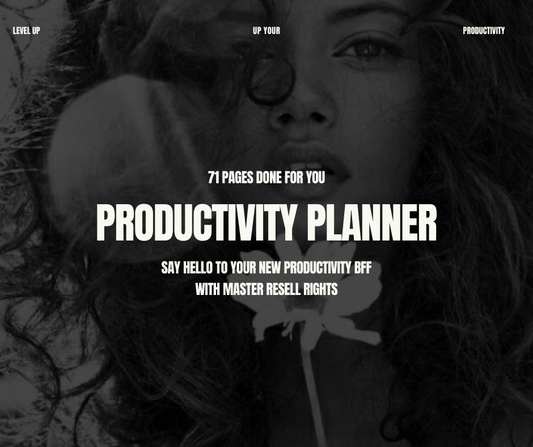
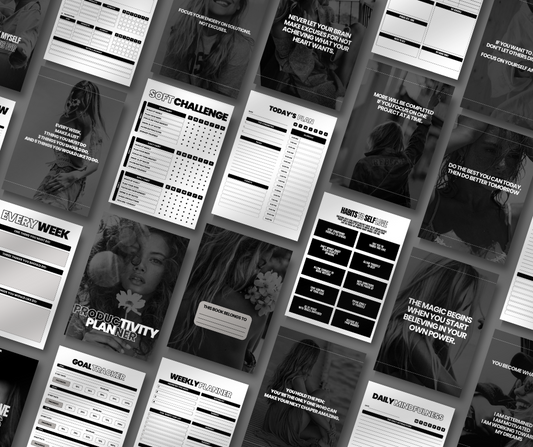
Printable planners tap directly into this demand by allowing users to recreate the traditional paper planning experience at home. Whether it’s goal tracking, budgeting, or daily scheduling, many users still prefer writing things down—especially when using structured systems like a productivity planner for better time management.
Even in a digital-first world, the desire for physical organization hasn’t gone away—it has simply evolved into printable formats.
3.2 Psychological Advantage of Paper Planning
One of the biggest reasons paper planning continues to thrive is its psychological impact.
Studies and behavioral insights show that writing things down:
-
Improves focus and clarity
-
Enhances memory retention
-
Increases the likelihood of completing tasks
This is why tools like journals and planners—such as a self-love journal for mindfulness and clarity or a wealth mindset journal for goal alignment—are so effective. They encourage deeper thinking and intentional action, something many users struggle to achieve with digital-only tools.
For this reason, printable planners continue to attract users who want to disconnect from screens and stay focused.
4. Demand for Digital Planning Tools
While paper planning remains strong, digital planning is growing even faster—driven by the widespread use of smartphones, tablets, and productivity apps.
4.1 Rise of Digital Productivity
Today, around 70% of people rely on mobile or desktop calendars for scheduling and organization. This shift has created a massive opportunity for digital planners, especially those designed for tablets and stylus use.
Modern users are increasingly looking for:
-
All-in-one productivity systems
-
Portable planning tools
-
Seamless integration with digital workflows
This is why interest in tools like those featured in the best digital planners for iPad and GoodNotes users continues to rise rapidly across markets like the U.S. and Australia.
Digital planners are no longer just alternatives—they’re becoming the preferred system for many users.
4.2 Who Buys Digital Planners?
Understanding the target audience is key to deciding what sells better.
Digital planners are especially popular among:
Tablet Users
People using iPads or similar devices want planners that integrate seamlessly with their workflow. Products like a digital planner bundle with multiple layouts are attractive because they offer flexibility and value in one purchase.
Productivity Enthusiasts
Users focused on efficiency, goal tracking, and self-improvement often prefer digital systems. These buyers are also drawn to structured tools like a complete productivity planner system.
Eco-Conscious Buyers
Digital planners eliminate the need for printing and paper, making them appealing to environmentally conscious consumers.
Creators looking for inspiration can also explore ideas from Canva digital products that sell like crazy or broader opportunities in this mega guide to 100 digital products you can sell online.
5. Profitability: Which Format Makes More Money?
When it comes to choosing between printable and digital planners, profitability is one of the most important factors—especially for creators building online income streams.
5.1 Digital Planner Profit Margins
Digital planners are one of the most profitable types of digital products available today.
Once created, they have:
-
Near-zero marginal cost (no printing or shipping)
-
Unlimited scalability (sell the same file repeatedly)
-
High perceived value due to interactivity
Many digital planners achieve profit margins of 80% or higher, especially when bundled or positioned as premium systems. Collections like those in the Plan & Prosper planner ecosystem demonstrate how creators can build scalable product suites around a single concept.
5.2 Printable Planner Profitability
Printable planners are also highly profitable because they:
-
Require no inventory
-
Have no shipping costs
-
Are quick to create and launch
However, they typically:
-
Sell at lower price points
-
Face heavier competition
-
Rely more on volume for income
This means sellers often need multiple products or niches to generate consistent revenue.
5.3 Key Takeaway
Both printable and digital planners are profitable—but they operate differently.
-
Printable planners: Easier to start, broader audience, lower pricing
-
Digital planners: Higher margins, better scalability, stronger long-term income potential
If your goal is to build a scalable online business, digital planners usually offer more upside. But if you want to start quickly and validate ideas, printable planners remain a powerful entry point.

6. Pricing & Perceived Value
Pricing isn’t just about numbers—it’s about how customers perceive value. This is where the gap between printable and digital planners becomes very clear.
If you're exploring digital products to sell online, understanding pricing psychology can significantly impact your revenue.
6.1 Why Digital Planners Feel Premium
Digital planners are often positioned as high-value, all-in-one productivity systems, not just simple templates. This allows creators to charge higher prices and still attract buyers.
Here’s why they feel more premium:
Interactive Features
Hyperlinked tabs, clickable sections, and smooth navigation create a seamless user experience that feels closer to an app than a PDF.
App Integration
Digital planners work inside apps like GoodNotes and Notability, making them part of a user’s daily workflow. This integration increases perceived usefulness and long-term value.
System-Like Experience
Many digital planners bundle multiple tools—goal tracking, habit tracking, journaling, and scheduling—into one product. For example, structured systems like a goal-oriented planner for high achievers or a complete social media planning system feel like comprehensive solutions rather than single-use items.
Some creators even enhance value by pairing planners with personal development tools like a 30-day self-improvement ebook system, turning their offer into a transformation-focused product.
6.2 Printable Pricing Reality
Printable planners, while profitable, often operate in a more competitive pricing environment.
Often Commoditized
Basic printable planners are widely available, which makes it harder to stand out unless you offer something unique.
Lower Pricing Due to Competition
On platforms like Etsy, many printable planners sell for just a few dollars. This creates pricing pressure, especially in general categories.
Higher Value in Niches
The real opportunity lies in specialization. Niche products—such as planners for families, wellness, or meal organization—can command higher prices. For example, targeted tools like a meal planner for organized living or insights from planners for moms managing home, kids, and work show how specific audiences are willing to pay more for tailored solutions.
7. Competition & Market Saturation
No matter which format you choose, competition is a major factor in determining success.
7.1 Etsy & Marketplace Competition
Marketplaces like Etsy are filled with thousands of planners—both printable and digital. The general planner category is highly saturated, which leads to:
-
Intense competition
-
Lower pricing across the board
-
Difficulty standing out with generic designs
This is especially true for beginners using done-for-you digital products, where many sellers may be using similar templates.
7.2 Format-Based Competition Differences
While both formats face competition, the nature of that competition differs.
Digital Planners
-
Smaller but more targeted audience
-
Buyers are more invested and willing to pay
-
Requires better design and user experience
Printable Planners
-
Much broader audience
-
Lower barrier to entry for both buyers and sellers
-
Higher number of competing products
If you're exploring ideas, this list of 25 digital planners you can sell on Etsy can help you understand what’s already working in the market.
7.3 Importance of Niching Down
Here’s the truth: format alone won’t determine your success—your niche will.
Problem-Solving Products Win
Planners that solve specific problems (budgeting, fitness, content planning, mental health) outperform generic designs.
Branding > Format Choice
Strong branding, clear messaging, and audience targeting matter more than whether your product is printable or digital.
To identify profitable opportunities, explore high-demand niches for digital products that sell fast or learn how creators are using AI tools to create digital products to scale faster.
8. Customer Experience: Usability & Preferences
At the end of the day, the best-selling planner is the one that fits the user’s lifestyle. Understanding customer preferences is key to creating products that actually sell.
8.1 Why People Prefer Printable Planners
Despite the digital boom, many users still prefer printables for their simplicity and real-world feel.
Tactile Experience
Writing by hand provides a satisfying, physical connection that digital tools can’t replicate.
Reduced Screen Time
Printable planners offer a break from constant device usage, which is increasingly important for mental well-being.
Better Focus
Paper planning minimizes distractions, helping users stay present and productive. This is especially true for those who prefer simpler systems, like the ones discussed in minimalist planners for people who hate overplanning.
8.2 Why People Prefer Digital Planners
On the other hand, digital planners appeal to modern users who value flexibility and convenience.
Portability
Users can carry their entire planner on a single device—perfect for students, professionals, and entrepreneurs.
Flexibility
Digital planners allow users to edit, duplicate, and reorganize pages instantly, creating a fully customizable system.
Long-Term Usability
Unlike dated printables, digital planners can be reused and updated year after year, increasing their value over time.
They also pair well with mindset and personal growth tools like a confidence and mindset transformation ebook for women, creating a complete productivity and self-improvement ecosystem.
9. Seasonal vs Evergreen Sales
Planner sales follow predictable trends—but the smartest creators build products that sell year-round, not just during peak seasons.
If you're exploring digital products and planners as a business, understanding these patterns can significantly increase your revenue.
9.1 Peak Sales Periods
Planner demand spikes during key moments when people are most motivated to organize their lives:
New Year (December–January)
This is the biggest sales window globally. Buyers are setting goals, building habits, and resetting routines. Products like a January detox and reset guide or a structured start-up business planner workbook perform especially well during this period.
Back-to-School Season
Students, teachers, and parents look for planners to manage schedules and responsibilities. This creates a second major sales spike in both the U.S. and Australia.
Industry insights, such as this planner profitability market analysis, confirm that seasonal demand plays a major role in planner sales performance.
9.2 Evergreen Opportunities
While seasonal spikes are powerful, long-term success comes from evergreen products that sell consistently.
Niche Planners
Planners designed for specific audiences—fitness, business, weddings, content creators—tend to perform year-round. Examples include a health and fitness planner for lifestyle tracking, an Instagram content planner for creators, or a Pinterest growth planner for marketers.
Undated Planners (Especially Digital)
Undated planners remove time limitations, making them usable anytime. This increases perceived value and reduces the need for frequent updates.
For more ideas, explore digital planners that sell on Etsy or this list of 25 beginner-friendly digital planners to sell.
10. So… Which One Sells Better Online?
After analyzing demand, profitability, and customer behavior, the answer becomes clearer—but not as simple as “one is better than the other.”
10.1 Clear Comparison Summary
Printable Planners
-
Broader audience appeal
-
Easier for beginners to create and launch
-
Lower pricing due to competition
-
Strong demand from paper-planning users
Digital Planners
-
Higher profit margins
-
Scalable with no production limits
-
Growing demand among tablet users
-
Better suited for premium positioning
Expert insights, such as this digital vs printable planner guide, highlight how both formats serve different audiences rather than competing directly.
10.2 One-Line Verdict
Digital planners scale better and earn more per sale, while printable planners attract a wider audience but face heavier competition.
11. How to Choose What to Sell (For Creators)
Choosing the right planner format depends on your audience, skills, and long-term business goals—not just trends.
11.1 Based on Target Audience
-
Tech-savvy users prefer digital planners for convenience and flexibility
-
Paper lovers prefer printable planners for focus and tactile experience
Consumer preferences highlighted in sources like top paper planner recommendations and research such as why paper planning still works show that both audiences are still very active.
11.2 Based on Skills
-
UX design & interactivity skills → Digital planners
-
Layout design & print formatting → Printable planners
If you’re using tools like Canva or AI, you can explore opportunities in Canva templates that sell fast or AI-powered digital products.
11.3 Based on Business Model
-
Scalable brand → Digital systems and bundles
-
Volume-based income → Printable niches and multiple listings
Collections like Plan & Prosper digital systems show how digital planners can be expanded into full ecosystems. You can also combine them with complementary products like AI prompt packs for creators.
11.4 Hybrid Strategy (Best of Both)
Many successful creators don’t choose—they do both.
-
Offer printable + digital versions of the same planner
-
Increase revenue per design
-
Serve multiple customer preferences
You can also bundle planners with self-improvement tools like a complete self-care journal system, a self-care workbook for personal growth, or a self-care SOS reset kit to increase perceived value.
12. Final Thoughts
There is no universal winner in the printable vs digital planner debate—and that’s actually a good thing.
Both formats:
-
Have strong and growing demand
-
Offer high-profit potential
-
Can be turned into scalable online businesses
The real difference comes down to:
-
Your niche
-
Your branding
-
Your execution
If you focus on solving real problems and creating value, you can succeed with either format—or both.
To get started, explore affordable printable planners that actually work, trending ideas in digital downloads that sell on Etsy, or browse the full range of planners and digital products to spark your next product idea.
Frequently Asked Questions (FAQ)
1. Are digital planners more profitable than printable planners?
Yes, digital planners are generally more profitable because they offer higher price points, near-zero production costs, and unlimited scalability. However, printable planners can still generate strong income through volume and niche targeting.
2. Do printable planners still sell in 2026?
Absolutely. Printable planners continue to sell well due to the ongoing demand for paper-based planning. Many users prefer writing by hand for better focus, productivity, and reduced screen time.
3. Which is easier to sell for beginners: printable or digital planners?
Printable planners are usually easier for beginners because they are quicker to create and require fewer technical skills. Digital planners, while more complex, can be more profitable once mastered.
4. Who typically buys digital planners?
Digital planners are popular among tablet users, students, professionals, and productivity enthusiasts who prefer flexible, all-in-one planning systems that can be used on devices like iPads.
5. Can I sell both printable and digital planners together?
Yes, and it’s often the best strategy. Offering both formats allows you to reach a wider audience, increase revenue per product, and give customers the flexibility to choose their preferred planning method.
🎬 Want a visual walkthrough?
If you’d rather watch than read, here’s the full explainer video covering everything in this guide: