



1. Introduction
If you’re looking for one of the simplest ways to make money online in 2026, digital products are hard to beat. Unlike physical items, there’s no need to manage inventory, deal with shipping delays, or handle logistics—making them one of the most beginner-friendly online business models today.
🎥 Prefer watching instead of reading?
Watch the full step-by-step explainer video below.
Digital products have become especially popular in markets like the United States and Australia, where creators, freelancers, and entrepreneurs are turning their skills into scalable income streams. Whether it’s planners, templates, or ebooks, you can create a product once and sell it repeatedly—without ongoing production costs.
If you’re new to this space, understanding what works is key. This is why many beginners start by exploring proven ideas like those featured in best digital products to sell on Etsy, Gumroad, and Shopify, which highlight high-demand products already performing well in the market.
Even better, digital downloads are incredibly versatile. From productivity tools to creative assets, they can be sold globally with instant delivery. If you’re curious about how this model works in depth, this guide on digital downloads breaks down the fundamentals.
In this blog, you’ll discover:
-
The easiest digital products you can create today
-
Why they sell consistently in competitive markets
-
How to get started with minimal effort
-
Where to sell and how to scale your income
2. Why Digital Products Are Perfect for Beginners
Digital products are widely considered one of the best entry points into online business—and for good reason.
No Upfront Inventory Costs
Unlike traditional eCommerce, you don’t need to invest in stock or worry about unsold products. Everything is created digitally and delivered instantly, which drastically reduces risk.
Easy to Create Using Free Tools
You don’t need advanced technical skills to get started. Tools like Canva make it possible to design professional-looking products in minutes. Many beginners start by creating simple items like planners, worksheets, or templates. If you’re exploring this path, you can dive deeper into niche ideas like printable planners or broader categories covered in digital products.
Scalable Income Potential
One of the biggest advantages is scalability. You create a product once, and it can be sold thousands of times without additional effort. This makes digital products ideal for building passive income streams over time.
For example, highly targeted products like digital planners for iPad and GoodNotes users are in strong demand because they solve specific problems for niche audiences.
Works on Platforms You Already Use
You can sell digital products on platforms like Etsy, Gumroad, or your own Shopify store—leveraging traffic that already exists or building your own brand.
To accelerate your success, many creators also invest in ready-made systems and training. For instance, programs like The Ultimate Branding Course with Master Resell Rights help you build a strong brand foundation, while tools like Naomi Mega Funnel (14 Pages Done-For-You) can streamline your sales process from day one.
3. Top Easy Digital Products to Sell Online (Beginner-Friendly)
If you're just starting out, the key is to choose digital products that are easy to create, high in demand, and simple to scale. Below are some of the best beginner-friendly options that consistently perform well in competitive markets like the US and Australia.
If you want a broader breakdown of trending ideas, you can explore this curated list of profitable digital products to sell online in 2026 and 20 high-demand digital products to sell right now.
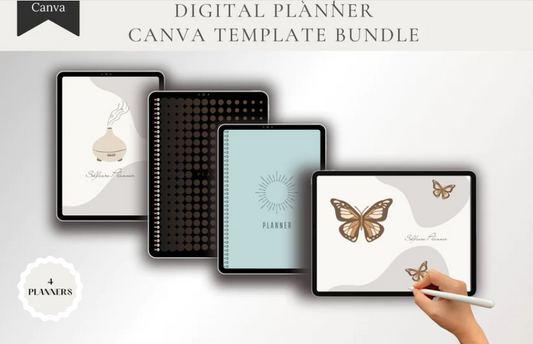
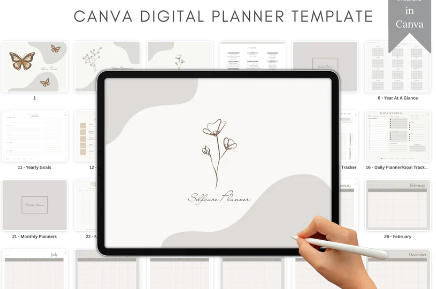
3.1 Printable Planners & Journals
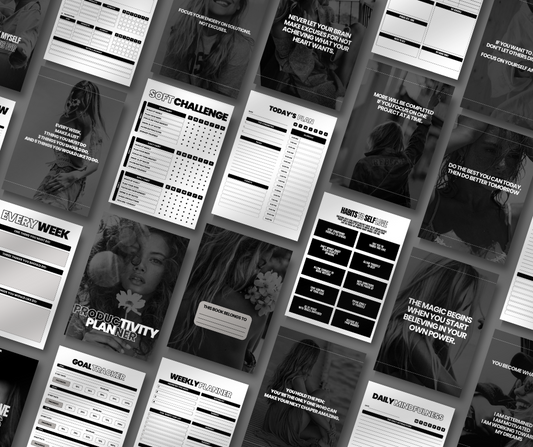
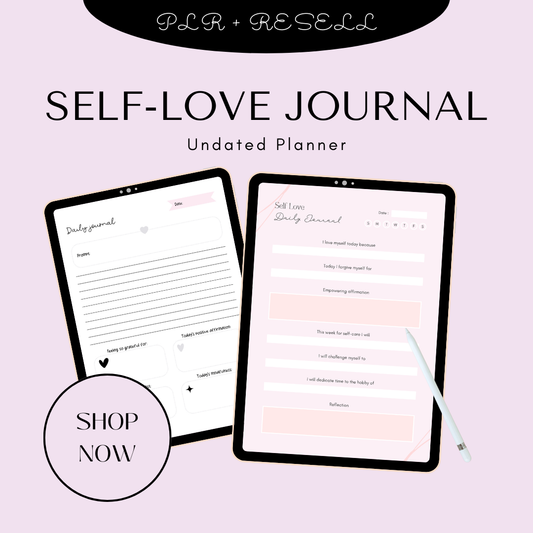
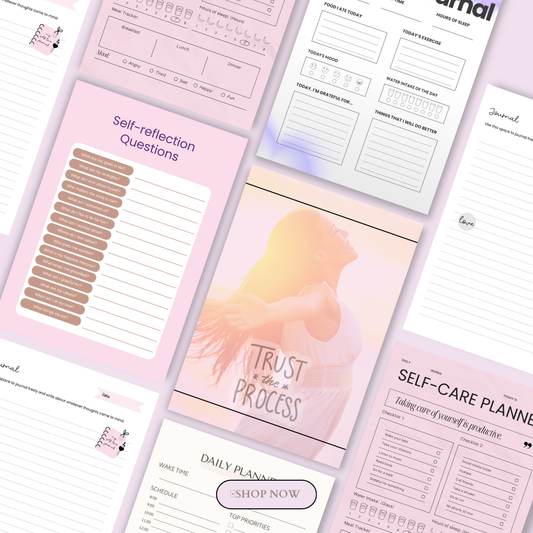
Printable planners and journals are one of the easiest digital products to create and sell online.
What they are:
These are downloadable PDFs that customers can print at home or use digitally for organization, productivity, or goal tracking.
Why they sell:
The productivity niche is booming globally, especially among students, professionals, and entrepreneurs looking to stay organized.
Pricing range:
Typically between $5–$20, depending on design and bundle size.
Upsell idea:
Bundle weekly, monthly, and yearly planners together to increase perceived value and boost your average order value.
You can also explore ready-made assets inside collections like Plan & Prosper digital planners to speed up your launch.
3.2 Social Media Templates
Social media templates are one of the fastest-selling digital products, especially for content creators and small businesses.
What they are:
Pre-designed Instagram posts, Pinterest pins, or reels templates that users can edit in Canva.
Why they sell:
Businesses and influencers want to save time while maintaining a professional aesthetic.
Batch creation advantage:
You can create 20–50 designs in one go and sell them repeatedly.
Pricing range:
Usually $5–$20 per pack.
To stand out, you can bundle templates from collections like Reel Power Packs or Post Perfection content kits for higher value offers.
3.3 Ebooks & Digital Guides
Ebooks are perfect if you have knowledge or experience in a specific niche.
What they are:
PDF-based guides that teach something valuable—such as meal planning, budgeting, or online business strategies.
Examples:
-
How-to guides
-
Step-by-step tutorials
-
Niche-specific advice
Value-driven pricing:
Typically priced between $5–$30 depending on depth and usefulness.
Add-ons:
Increase value by including checklists, templates, or bonus resources.
If you prefer a faster route, you can explore done-for-you digital products to resell or browse Master Resell Rights products to start selling immediately.
3.4 Worksheets & Checklists
Worksheets and checklists are simple but highly effective digital products.
What they are:
Fillable PDFs designed to help users take action—such as budgeting sheets, habit trackers, or goal planners.
Use cases:
-
Personal finance
-
Productivity
-
Business planning
Low-effort, high-volume potential:
These products are quick to create and can be sold in bundles for higher profits.
Pricing range:
Typically between $1–$10, making them ideal impulse purchases.
You can also enhance these with AI-generated resources from AI prompt packs or visual assets from AI image collections.
3.5 Resume & CV Templates
Resume and CV templates are evergreen digital products with consistent demand.
What they are:
Editable, professionally designed templates that help job seekers stand out.
Target audience:
Students, job seekers, and professionals applying for roles.
Customization variations:
Offer multiple styles (modern, minimalist, corporate) to appeal to different industries.
Pricing range:
Usually between $5–$30.
To increase value, pair these with branding or career resources available in Word That Sell content kits.
4. How to Create Digital Products Easily (Step-by-Step Approach)
Creating digital products doesn’t have to be complicated. With the right approach, you can go from idea to launch in just a few hours.
If you’re completely new, start by understanding the basics in this beginner-friendly guide on what is a digital product.
Step 1: Start with Canva (Simple Workflow)
Use Canva to design your product quickly using pre-built layouts. It’s beginner-friendly and widely used by creators in the US and Australia.
Step 2: Use Simple, Clean Design Principles
-
Stick to 1–2 fonts
-
Use plenty of white space
-
Keep layouts easy to read
Professional-looking designs build trust and improve conversions.
Step 3: Customize Templates Fully
Avoid copying templates directly. Always customize colors, fonts, and layouts to create a unique product and avoid copyright issues.
Step 4: Create High-Quality Mockups
Mockups help customers visualize your product in use. This significantly increases conversion rates.
You can use assets like Content Girl aesthetic image packs to create premium-looking previews.
Step 5: Test Usability Before Selling
Download your product, test it yourself, and ensure everything works smoothly. This reduces refunds and improves customer satisfaction.
Step 6: Include a “How-To Use” PDF
Adding simple instructions makes your product beginner-friendly and increases perceived value.
Pro Tip: Scale Faster with Ready-Made Systems
If you want to skip the learning curve, you can leverage pre-built systems and bundles like the Naomi Bundle or explore full training libraries inside digital product masterclasses.
You can also source ready-to-sell products from trusted platforms explained in this guide on where to buy digital products with resell rights.
For advanced creators, tools like the MidJourney Mastery AI visual storytelling bundle can help you create highly unique and premium digital products.

5. Best Platforms to Sell Digital Products
Choosing the right platform is crucial when starting your digital product business. The best option depends on whether you want built-in traffic or full control over your brand.
If you’re new, it’s helpful to first understand the basics through this guide on what is a digital product before selecting your platform.
5.1 Etsy
Best for: Printables, planners, templates
Fees: $0.20 listing fee + transaction fees
Biggest advantage: Built-in traffic
Etsy is one of the easiest platforms to start selling digital products, especially for beginners in the US and Australia. With millions of active buyers searching for printables and templates daily, you can tap into existing demand without needing your own audience.
If you want to skip design work, you can even explore ideas like digital products you can sell on Etsy without designing.
5.2 Gumroad
Best for: Creators, educators, and direct sales
Fees: Percentage per sale
Traffic source: Your audience (social media, email, etc.)
Gumroad is ideal if you want full control over your pricing and customer relationships. It works best for creators who already have an audience or are building one through platforms like YouTube, TikTok, or Instagram.
You can also speed up your launch by using done-for-you digital products that actually sell and focusing on marketing instead of creation.
5.3 Shopify
Best for: Building a long-term brand
Cost: Monthly subscription
Requirement: Your own marketing
Shopify is perfect if you want to build a scalable digital product business with full branding control. While it requires more effort upfront (like driving traffic), it gives you complete ownership of your store and customer data.
For inspiration, you can explore a wide range of ideas in this 100 digital products you can sell online in 2026 to identify what fits your brand.
6. Pricing Strategy for Digital Products
Pricing can make or break your digital product business. The key is to focus on value, not effort.
Price Based on Value, Not Effort
Customers don’t care how long it took you to create a product—they care about the result it delivers. A simple planner that solves a real problem can easily outsell a complex but confusing product.
For example, niche-focused products like the Productivity Planner can command higher prices because they offer clear value.
Bundle Products to Increase Price
Bundling is one of the easiest ways to increase your revenue. Instead of selling a single product for $5, combine multiple items and sell them for $15–$30.
You can package complementary products like planners, affirmations, and templates—similar to how value-driven offers like Momentum Mastery affirmations bundle increase perceived worth.
Examples of Pricing Tiers
-
Low-ticket: $1–$10 (checklists, worksheets)
-
Mid-ticket: $10–$30 (planners, templates, ebooks)
-
High-value bundles: $30+ (courses, large packs)
Positioning for Higher Perceived Value
-
Use premium mockups
-
Focus on results and transformation
-
Add bonuses (templates, guides, extras)
For instance, visually appealing assets like luxury lifestyle aesthetic stock videos can instantly elevate how your product is perceived.
7. How to Stand Out in a Competitive Market
The digital product space is competitive—but standing out is easier when you focus on the right strategy.
Niche Down for Faster Growth
Instead of targeting everyone, focus on a specific audience. For example:
-
“ADHD planners for students”
-
“Fitness trackers for busy moms”
You can discover profitable niches in this guide on high-demand niches for PLR digital products.
Focus on a Specific Audience
Understanding your audience helps you create products that truly solve their problems—which leads to better sales and reviews.
Improve Design Quality and Usability
Clean, modern, and easy-to-use designs always outperform cluttered ones. Simplicity sells.
Use Mockups and Strong Branding
Professional presentation builds trust instantly. Products that look premium tend to sell more—even at higher prices.
You can enhance your visual branding using tools like MidJourney prompts for AI design to create unique and eye-catching assets.
8. Tips to Validate Your Digital Product Idea
Before you spend time creating a product, validate your idea to ensure there’s real demand.
Check Demand on Platforms Like Etsy
Search for your idea and see how many listings and reviews exist. High demand usually indicates a profitable opportunity.
Analyze Competitors and Reviews
Look at what customers love—and what they complain about. This helps you create a better version of existing products.
Identify Gaps or Improvements
Ask yourself:
-
Can I make this simpler?
-
Can I make it more visually appealing?
-
Can I target a more specific niche?
Start Small Before Scaling
Launch with a simple product first. Once you validate demand, expand into bundles or premium offers.
For example, you can test seasonal or themed products like the New Year New Me collection before building a full product line.
9. Common Mistakes to Avoid
Avoiding these beginner mistakes can save you time, money, and frustration.
Copying Templates Without Customization
Simply reselling generic templates won’t help you stand out. Always customize designs to create a unique product.
Overcomplicating Designs
Simple, clean designs consistently outperform cluttered ones. Focus on usability over complexity.
Poor Product Previews
Your product images are your first impression. Low-quality previews reduce trust and conversions.
You can enhance your visuals using ready-made assets like Glam Girl faceless lifestyle reels with hooks to create scroll-stopping content.
Not Including Instructions
Many buyers are beginners. Including a simple “How to Use” guide improves user experience and reduces refunds.
10. Additional Resources & Inspiration
If you want to grow faster, learning from the right resources can make a huge difference.
Curated Lists and Idea Libraries
Explore large idea collections to spark inspiration and stay ahead of trends, such as:
Learn from Design & eCommerce Platforms
To sharpen your skills, explore expert insights from platforms like:
Commit to Continuous Improvement
The most successful creators consistently refine their products, improve design quality, and adapt to trends. Treat your digital product business as a long-term asset.
11. Conclusion
Digital products remain one of the easiest and most scalable ways to make money online in 2026. With no inventory, low startup costs, and unlimited earning potential, they offer a powerful entry point for beginners in both the US and Australian markets.
From planners and templates to ebooks and checklists, the key is to:
-
Start simple
-
Focus on value
-
Solve real problems
As you gain experience, you can expand into bundles, premium products, and even full digital product ecosystems.
The opportunity is massive—but only if you take action.
12. Start Your Digital Product Journey Today
If you’re ready to start selling digital products, the best time is now.
Begin by exploring proven ideas and strategies inside this guide on digital products, then create your first simple product and launch it.
You can also fast-track your success with ready-made, high-quality products like:
Remember, you don’t need perfection to start—you just need momentum.
Create your first product, launch it, learn from the process, and scale as you grow.
Frequently Asked Questions (FAQs)
1. What are the easiest digital products to sell online?
The easiest digital products to sell online include printables, planners, social media templates, ebooks, and checklists. These products require minimal design skills, can be created using tools like Canva, and have consistent demand across niches like productivity, business, and lifestyle.
2. Can beginners really make money selling digital products?
Yes, beginners can absolutely make money selling digital products. Since there’s no inventory or shipping involved, it’s one of the lowest-risk online business models. Many beginners start with simple products and gradually scale into bundles and higher-value offers.
3. Where is the best place to sell digital products?
The best platform depends on your goals. Etsy is ideal for beginners because of its built-in traffic, while Gumroad works well for creators with an audience. Shopify is best if you want to build a long-term brand and have full control over your store.
4. How do I know if my digital product idea will sell?
You can validate your idea by researching marketplaces like Etsy, analyzing competitors, and reading customer reviews. Look for products with high demand but room for improvement, then create a better or more targeted version.
5. How much should I charge for digital products?
Pricing depends on the value your product provides. Simple items like checklists may sell for $1–$10, while planners, templates, and ebooks typically range from $5–$30. Bundles and premium products can be priced higher to increase overall profit.
🎬 Want a visual walkthrough?
If you’d rather watch than read, here’s the full explainer video covering everything in this guide: