



1. Introduction
Passive income has become one of the most searched financial goals in both the United States and Australia—and for good reason. With rising living costs and the desire for more freedom, beginners are increasingly looking for ways to earn money online without trading time for every dollar.
That’s where digital products come in.
🎥 Prefer watching instead of reading?
Watch the full step-by-step explainer video below.
Unlike physical goods, digital products require no inventory, no shipping, and no ongoing production costs. You create them once, and they can be sold repeatedly—whether you're asleep, working a job, or building your next idea. This makes them one of the most accessible and scalable online business models available today.
If you’re new to the space, this guide will break everything down in simple terms—what digital products are, why they work, and how you can start building your own passive income stream from scratch.
For a deeper dive into how digital products work in real-world online businesses, you can explore this guide on digital products and how they fit into broader income strategies like financial freedom through side hustles.
2. What Are Digital Products?
Digital products are intangible assets that can be created, sold, and delivered entirely online. Instead of shipping a physical item, customers instantly download or access what they’ve purchased.
These products generate passive income because they remove the traditional limitations of business. There’s no need to restock inventory, manage logistics, or handle fulfillment—once your product is live, it can continue generating revenue automatically.
Some of the most common beginner-friendly digital products include:
-
eBooks and PDF guides
-
Social media templates
-
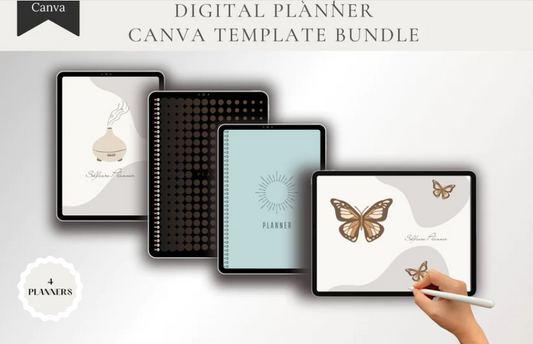
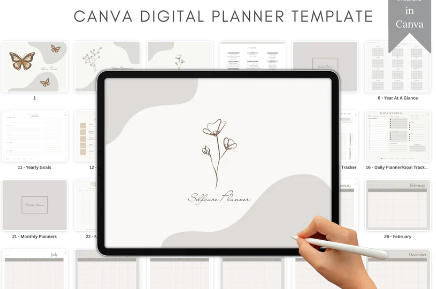
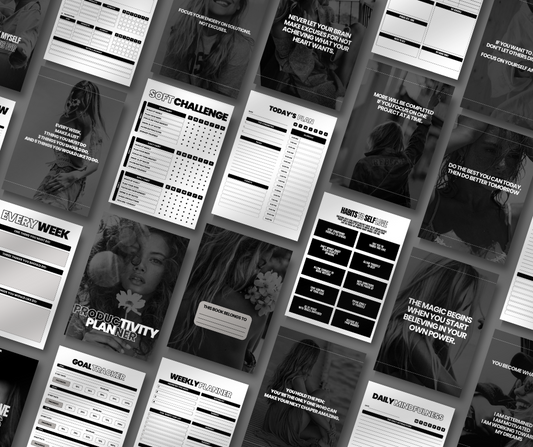
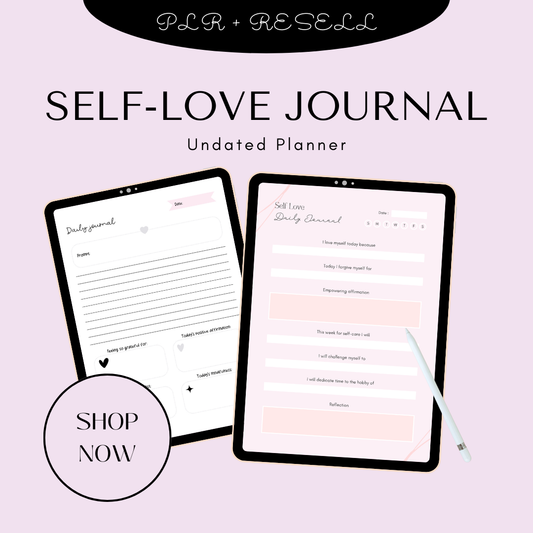
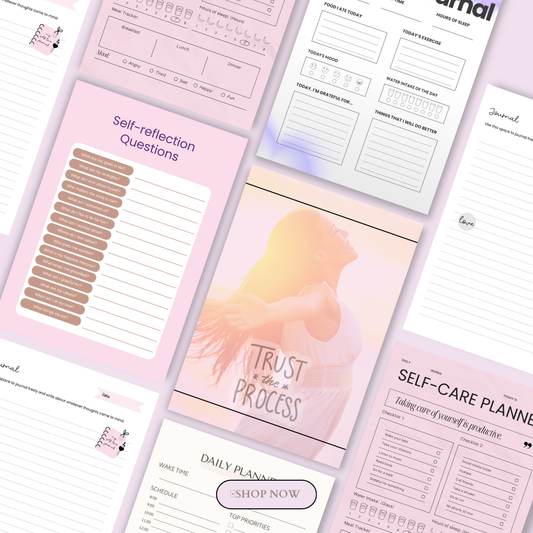
Planners and journals
-
Online courses
-
Printables and worksheets
If you’re curious about how these products are structured and sold, this breakdown of digital downloads explains the concept in more detail.
What makes digital products especially appealing for beginners is their simplicity. You can create them using tools you likely already have access to, and you don’t need advanced technical skills to get started. In fact, many successful creators begin with basic templates and improve over time.
3. Why Digital Products Are Perfect for Beginners
Digital products are one of the easiest entry points into online income, especially if you're starting with limited experience or budget.
First, the startup costs are extremely low. You don’t need to invest in inventory or manufacturing. Most products can be created using free or affordable tools like Canva or PowerPoint.
Second, there’s no need for advanced technical knowledge. Platforms today are designed for beginners, allowing you to upload, price, and sell your product in just a few steps.
Third, the creation process is flexible and beginner-friendly. You can start small—like a simple checklist or planner—and gradually expand into more advanced products like courses or bundles.
Another major advantage is that many platforms offer built-in traffic. Marketplaces such as Etsy or Gumroad already have millions of users searching for products, which means you don’t need a large audience to make your first sale.
Finally, digital products offer true scalability. Once your product is created, you can sell it an unlimited number of times without increasing your workload. This is what transforms a simple side hustle into a long-term passive income stream.
For those who want to accelerate their results, ready-made systems like the Naomi Mega Funnel (14 pages done for you) can help streamline the selling process, while resources like the Ultimate Branding Course with Master Resell Rights provide a foundation for building a strong digital brand.
If your goal is long-term growth rather than chasing trends, strategies outlined in the Anti-Algorithm Growth Guide can help you build a sustainable audience and consistent income.
And if you’re looking to start fast with pre-built assets, bundles like the Naomi Bundle can give you a ready-to-sell foundation without starting from scratch.
3. Why Digital Products Are Perfect for Beginners
Digital products have quickly become one of the most beginner-friendly ways to earn passive income online in markets like the United States and Australia. Whether you're starting a side hustle or building a long-term online business, this model removes many of the traditional barriers.
Low Startup Costs
One of the biggest advantages is affordability. You don’t need inventory, storage, or shipping—just a laptop and basic tools. Many creators start with free platforms and scale over time, making this ideal for beginners who want to minimize risk.
No Technical Expertise Required
You don’t need to be a designer, coder, or marketer to get started. Modern tools simplify everything—from product creation to selling. Even beginners can launch their first product within days using templates or done-for-you resources like done-for-you digital products.
Flexible Creation Process
Digital products allow you to work at your own pace. You can start small with a checklist or simple guide, then expand into more advanced products as you gain confidence. This flexibility makes it easier to stay consistent and avoid overwhelm.
Platforms Provide Built-In Traffic
Marketplaces like Etsy, Gumroad, and others already have millions of buyers actively searching for solutions. This means you don’t need a large audience to get started—just a product that solves a specific problem.
Scalable Income Potential
Unlike services or freelancing, digital products scale effortlessly. You create once and sell unlimited times. With the right systems and marketing, a simple product can evolve into a full product suite or brand.
To explore more beginner-friendly ideas that are already working, check out this guide on digital products to sell.
4. Top Digital Products Beginners Can Create
This is where the real opportunity begins. Below are some of the most profitable and beginner-friendly digital products you can start creating today.
4.1 PDF Guides & eBooks
PDF guides and eBooks are one of the simplest ways to start. These can be created quickly and sold repeatedly.
-
Popular niches: productivity, clean eating, personal finance
-
Can be used as free lead magnets or paid products
-
Easy to create using Canva or Google Docs
These products work especially well when paired with strong branding and niche targeting.
4.2 Canva Templates
Canva templates are in high demand because they save time for content creators and businesses.
-
Social media templates (Instagram posts, Reels covers)
-
eBook layouts and lead magnets
-
Business planners and branding kits
You can also enhance your offerings using ready-made collections like AI Image Collection or caption-focused resources like Word That Sell to increase product value.
4.3 Planners & Journals
Digital planners and journals are consistently popular across both US and Australian audiences.
-
Habit trackers
-
ADHD productivity planners
-
Niche-specific journals (fitness, mindset, business)
You can explore more ideas and formats in this guide on planners or see trending options like best digital planners for iPad and GoodNotes users.
For ready-to-use inspiration or assets, collections like Plan & Prosper can help you get started faster.
4.4 Checklists & Trackers
These are some of the easiest digital products to create and sell.
-
Weekly cleaning checklists
-
Goal-setting worksheets
-
Productivity trackers
They are highly effective because they solve specific problems quickly. You can also bundle multiple checklists together to increase perceived value and pricing.
4.5 Printables
Printables are especially popular in education and parenting niches.
-
Learning worksheets
-
Kids’ games and activities
-
Classroom resources
These products perform well on platforms with built-in audiences and can be reused across multiple customer segments.
4.6 Notion Templates
Notion templates are growing rapidly in popularity, especially among creators and entrepreneurs.
-
Content calendars
-
Business dashboards
-
Productivity systems
They appeal to users looking for organized, all-in-one digital solutions.
4.7 Mini-Courses
Mini-courses are a powerful way to package your knowledge into a higher-value product.
-
5–10 short video lessons
-
Slide-based teaching using Canva
-
Hosted on simple platforms like Google Drive
If you want to improve your reach and visibility, combining your course with strategies from the Instagram Growth Masterclass or using content packs like Reel Power Packs can help drive traffic.
You can also explore advanced learning resources in Masterclasses to expand your skill set.
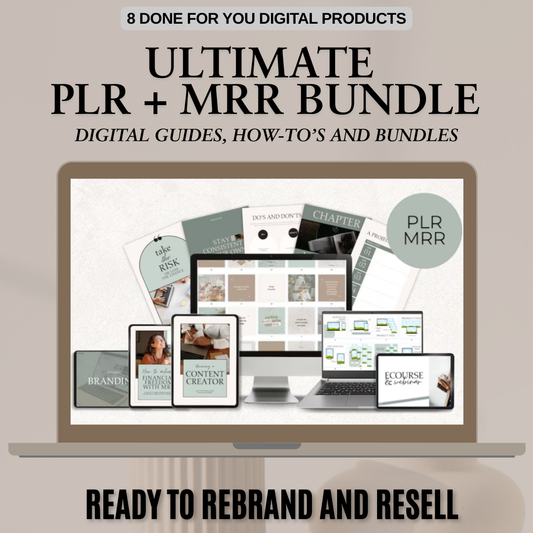
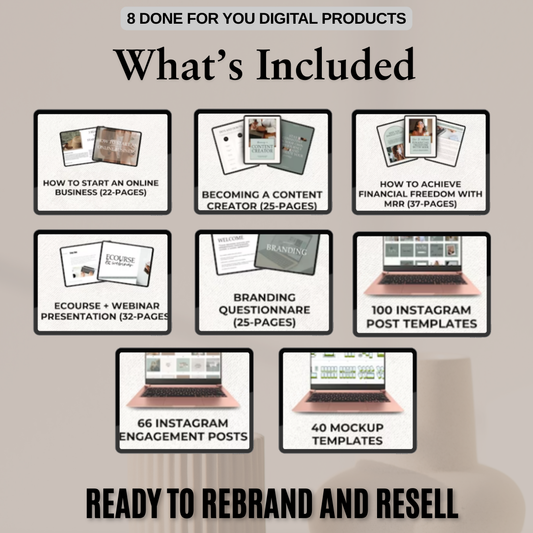
4.8 PLR (Private Label Rights) Products
PLR products allow you to skip the creation phase and start selling faster.
-
Pre-made digital products you can buy and rebrand
-
Customize with your own branding and messaging
-
Sell as your own product
This is one of the fastest ways for beginners to enter the market. You can enhance PLR products with better visuals, copy, or packaging using tools like Post Perfection or prompt libraries like AI Prompt Packs.
For marketing these products effectively, resources like the Organic Growth Marketing Bundle can help you build traffic without relying on ads.
You can also niche down your products—for example, using bundles like the Glow Lab Co Skincare Collection to target specific audiences.

These product types give beginners multiple entry points depending on their skills, interests, and goals. The key is to start simple, stay consistent, and improve over time.
5. Best Tools to Create Digital Products
Creating digital products is easier than ever, especially with beginner-friendly tools that are widely used across the United States and Australia. You don’t need expensive software or advanced skills—just the right tools and a clear idea.
5.1 Canva
Canva is one of the most popular tools for beginners creating digital products.
-
Pre-made templates for eBooks, planners, and social media
-
Drag-and-drop interface (no design skills needed)
-
Built-in AI features to generate layouts and content
With Canva, you can design and launch products quickly, which is essential when you're just starting. Many creators also combine Canva with proven ideas from guides like 100 digital products you can sell online in 2026 (mega guide) to find high-demand product concepts.
5.2 PowerPoint
PowerPoint is often overlooked, but it’s a powerful tool for beginners.
-
Ideal for creating simple printables and presentations
-
Easy to add visuals, icons, and clipart
-
Great for building mini-courses or slide-based products
It’s especially useful if you want to create structured content like guides or training materials without learning new software.
5.3 AI & Design Resources
AI tools are transforming how digital products are created, making the process faster and more efficient.
-
Canva AI prompts for instant layouts and designs
-
Graphic resources for icons, illustrations, and templates
-
Content generation tools for writing and ideas
You can speed up your workflow significantly using resources like AI prompts to sell online and enhance your products with ready-made design collections such as Marketing Templates (Plug & Play Content).
6. Where to Sell Digital Products Online
Choosing the right platform is key to your success. Below is a simplified comparison to help beginners decide where to start.
6.1 Beginner-Friendly Platforms
These platforms are ideal if you want a quick and easy setup.
-
Gumroad – Simple uploads, easy payment integration
-
Payhip – All-in-one store with built-in features
They allow you to start selling without technical complexity, making them perfect for your first product launch.
6.2 High-Traffic Marketplaces
These platforms already have millions of users searching for products.
-
Etsy – Huge audience for printables and templates (but competitive)
-
Teachers Pay Teachers – Perfect for educational resources
These marketplaces reduce the need for your own audience, which is helpful when starting from scratch.
6.3 Long-Term Scaling Platforms
If you’re thinking long-term, building your own brand is essential.
-
Shopify or personal website – Full control over your business
-
Build email lists and customer relationships
-
Create a recognizable brand
To accelerate growth, many beginners use pre-built systems like DFY sales funnels or explore strategies from build your digital empire.
For a deeper understanding of how digital products work in online businesses, you can also read what is a digital product (complete beginner’s guide) and digital products.
7. Step-by-Step Guide to Getting Started
If you're ready to start your passive income journey, follow this simple step-by-step process.
Step 1: Choose a Profitable Niche
Start by identifying a niche with real demand.
-
Research Etsy best-sellers
-
Explore Facebook groups and Reddit discussions
-
Look for common problems people want solved
You can also explore niche inspiration from guides like best PLR products to resell in 2026 (step-by-step guide) or PLR digital products.
Step 2: Validate Your Idea
Before spending too much time creating, validate your idea.
-
Use the “10% better” strategy (improve existing products)
-
Start with small, simple products like checklists or planners
-
Test demand before scaling
Step 3: Create Your First Product
Now it’s time to build.
-
Use Canva or PowerPoint for fast creation
-
Focus on completing the product rather than making it perfect
-
Keep designs simple and practical
You can also speed things up using ready-made assets like Plan & Prosper or niche bundles like Positivity Pop Collection Bundle.
Step 4: Price Your Product
Pricing is crucial for conversions.
-
Typical beginner range: $7–$97
-
Price based on value, not effort
-
Test and adjust over time
You can also learn advanced positioning and pricing strategies from resources like how to build a 6-figure digital product brand masterclass.
Step 5: Launch & Sell
Finally, get your product live.
-
Upload to your chosen platform
-
Write a clear product description
-
Start promoting with simple content
You can enhance your marketing using content packs like Glossed in Power Viral Content Pack or The Content Girl Collection.
For additional inspiration on building passive income streams, you can also explore make passive income.
By following these steps and using the right tools and platforms, beginners in the US, Australia, or anywhere else can start building a sustainable digital product business with real passive income potential.
8. How to Market Digital Products (Even With No Audience)
One of the biggest myths in the US and Australian online business space is that you need a large audience to start selling. In reality, many beginners make their first sales using simple organic strategies.
Use TikTok & Instagram Reels
Short-form video is one of the fastest ways to get visibility.
-
Share quick tips, tutorials, or transformations
-
Show your product in action
-
Use trending sounds with niche-specific content
Consistency matters more than perfection here. Even new accounts can go viral with the right content angle.
Share Free Value (Lead Magnets)
Offering something valuable for free builds trust and attracts potential buyers.
-
Free checklists, templates, or mini-guides
-
Exchange value for an email address
-
Position yourself as a helpful creator
You can find inspiration for high-converting ideas in resources like ChatGPT digital product ideas (2026 guide to passive income) and AI digital products to sell (2026 guide).
Build an Email List
Your email list is your most valuable asset.
-
Collect emails through freebies
-
Send helpful tips and product offers
-
Build long-term relationships
Unlike social media, you own your email list—making it a reliable income channel.
Organic Marketing Strategies
You don’t need paid ads to start.
-
Pinterest pins for long-term traffic
-
SEO blog content targeting keywords in the US & Australia
-
Repurpose content across platforms
If you're unsure where to begin, platforms like sell digital downloads explain beginner-friendly selling and marketing setups.
You can also explore broader strategies from best digital products to sell to understand market demand.
9. Scaling Your Passive Income
Once you start making sales, the next step is scaling. This is where digital products truly become powerful.
Create More Products
Expand your product line based on what’s already working.
-
Turn one product into a series
-
Create advanced versions or add-ons
-
Target different niches
Guides like 100 digital products you can sell online in 2026 (mega guide) can help you identify new opportunities.
Bundle Offers
Bundling increases your average order value.
-
Combine related products into one package
-
Offer discounts for bundles
-
Position as “complete solutions”
Examples like The Planner Collection or seasonal bundles like New Year New Me Collection show how bundling can increase perceived value.
Automate Sales Funnels
Automation allows you to earn without constant effort.
-
Use landing pages and email sequences
-
Deliver products automatically
-
Upsell additional products
Many creators speed up this process using PLR strategies explained in PLR digital products.
Expand to Multiple Platforms
Don’t rely on a single income source.
-
Sell on Etsy, Gumroad, and your own site
-
Repurpose products for different audiences
-
Build a brand across platforms
To stay ahead of trends, explore evolving opportunities in digital products you can create with AI (complete guide for 2026).
10. Realistic Expectations for Beginners
Digital products are powerful—but they’re not a shortcut to instant wealth.
Passive Income Is Not Instant
You’ll need to invest time upfront.
-
Product creation
-
Market research
-
Content and promotion
Initial Effort Is Required
Most beginners spend weeks or months testing ideas before seeing consistent results.
-
Learning tools
-
Understanding customer needs
-
Improving product quality
Example Earning Potential
Some creators report earning $10,000 or more organically, but results vary based on effort, niche, and strategy.
To understand the bigger picture, read more about digital products and evolving AI opportunities in AI digital products to sell (2026 guide).
Consistency Is Everything
The biggest difference between success and failure is consistency.
-
Posting regularly
-
Improving products
-
Testing new ideas
11. Common Mistakes to Avoid
Avoiding these beginner mistakes can save you time and frustration.
Overthinking and Delaying Launch
Perfection slows progress. Launch fast and improve later.
Choosing Saturated Niches Without Differentiation
Competition is normal—but you need a unique angle.
-
Better design
-
Clearer value
-
Stronger branding
Ignoring Validation
Creating products without demand leads to poor results.
-
Research before building
-
Test small ideas first
Not Marketing Consistently
Even great products won’t sell without visibility.
-
Stay consistent with content
-
Focus on value-driven marketing
12. Conclusion
Digital products remain one of the most accessible and scalable ways to build passive income in today’s digital economy—especially for beginners in markets like the US and Australia.
You’ve learned:
-
What digital products are and why they work
-
How to create and sell them
-
Simple ways to market without an audience
-
How to scale into a long-term income stream
The key takeaway is simple: start small and stay consistent.
Whether you begin with a checklist, a planner, or a simple template, the most important step is taking action. You can explore more ideas and inspiration from guides like digital products or niche collections like The Creative Entrepreneurship Collection and seasonal opportunities like Black Friday Collection.
If you want to go deeper into visual content creation and stand out in competitive markets, resources like MidJourney Mastery Guide Collection can help you level up your designs.
And if you’re ready to begin, don’t wait for the “perfect” moment—start your first digital product today and build from there.
FAQ: Digital Products for Passive Income Beginners
1. What are digital products in simple terms?
Digital products are online items you create once and sell repeatedly, such as eBooks, templates, planners, or courses. They don’t require physical inventory, shipping, or storage, making them one of the easiest ways to start an online business.
2. How much money can beginners make from digital products?
Earnings vary widely depending on niche, effort, and marketing. Beginners might start small, but some creators grow to earn hundreds or even thousands of dollars per month over time. Consistency and good product-market fit are key factors in long-term success.
3. Do I need any technical skills to create digital products?
No advanced skills are required. Most beginners use simple tools like Canva or PowerPoint to design products. Many also use AI tools and templates to speed up the creation process and reduce learning time.
4. Where is the best place to sell digital products as a beginner?
Popular beginner-friendly platforms include Etsy, Gumroad, and Payhip. These platforms already have built-in traffic, which helps new sellers get visibility without needing a large audience.
5. How do I start if I have no audience or followers?
You can start by creating simple products and using organic marketing strategies like TikTok, Instagram Reels, Pinterest, and SEO blog content. Sharing free value and building an email list also helps attract your first customers without paid ads.
🎬 Want a visual walkthrough?
If you’d rather watch than read, here’s the full explainer video covering everything in this guide: