





1. Introduction
Selling online has changed fast—and if you’re still relying only on manual copywriting, guesswork, or generic templates, you’re already behind. Today, smart online sellers are using AI prompts to research faster, write better, and convert more customers without burning hours on every product or post.
So what exactly are “AI prompts to sell online”?
🎥 Prefer watching instead of reading?
Watch the full step-by-step explainer video below.
In simple terms, these are structured instructions you give AI tools like ChatGPT to generate sales content, product ideas, marketing messages, and customer insights tailored to your niche. Instead of starting from scratch, you guide AI with precision—and it does the heavy lifting.
This is why AI is quickly becoming a core tool for online sellers across the USA and Australia. Whether you're building an Etsy store, launching digital downloads, or scaling an e-commerce brand, AI allows you to:
-
Validate ideas faster
-
Create high-converting copy in minutes
-
Understand your audience at a deeper level
-
Scale content without hiring a full team
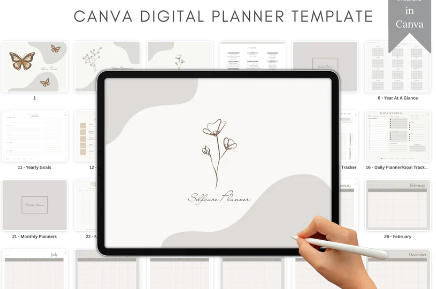
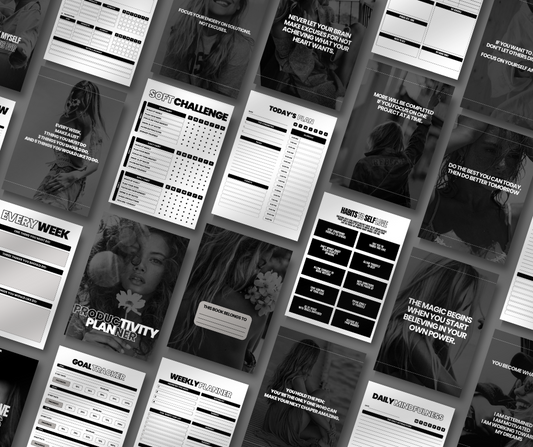
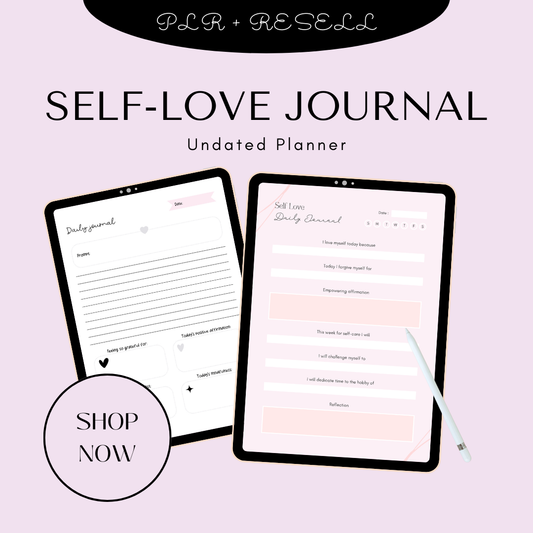
For example, sellers creating digital products like planners or journals can now combine AI with proven product frameworks such as digital downloads, niche-specific designs like planners, or even structured systems like a productivity planner to build income streams faster than ever.
What’s really happening here is a shift—from “manual selling” to “prompt-driven selling.”
Instead of:
-
Writing every sales page from scratch
-
Guessing what your audience wants
-
Struggling with content ideas
You’re now:
-
Prompting AI to generate targeted sales assets
-
Using data-driven messaging
-
Iterating faster than your competition
If you're exploring product creation, you’ll also find it easier to brainstorm scalable ideas using guides like 40 digital products you can create using ChatGPT or AI tools, which align perfectly with AI-powered selling strategies.
What you’ll learn in this blog:
-
How AI prompts actually work in a sales context
-
Why some prompts convert significantly better than others
-
The exact types of prompts you can use to sell products online
-
Real examples you can adapt for your own niche
-
How to turn AI into your personal sales assistant
2. What “AI Prompts to Sell Online” Really Means
AI prompts to sell online are not just random instructions—they are strategic inputs designed to generate sales-focused outputs.
A simple definition:
AI prompts are structured commands that tell AI who to act as, what to create, who it’s for, and how it should deliver the result—specifically for selling products or services online.
In a real-world sales context, prompts can help you:
-
Discover profitable product ideas
-
Write product descriptions that convert
-
Create landing pages and sales funnels
-
Draft email sequences and follow-ups
-
Generate social media content that drives traffic
For example, if you're selling a product like a productivity planner, a self love journal, or even launching a full store using a guide like the Etsy sellers guide, AI prompts can instantly generate:
-
Product descriptions
-
Customer pain points
-
Sales hooks
-
Marketing angles
Similarly, content bundles like the 30 days of digital marketing carousels bundle can be enhanced or repurposed using AI prompts to match your audience and brand voice.
Tools like ChatGPT and similar AI platforms are now being used daily by online sellers to:
-
Replace blank-page syndrome with structured outputs
-
Speed up content production
-
Test multiple marketing angles quickly
But here’s the most important idea:
AI doesn’t sell for you—it improves how you sell.
It doesn’t replace strategy, positioning, or understanding your audience. Instead, it amplifies your ability to:
-
Communicate clearly
-
Persuade effectively
-
Execute faster
The better your prompts, the better your results. And that’s exactly what separates average sellers from those who consistently generate sales using AI.
3. Why Prompts Matter in Online Selling
If you’ve ever typed “write a sales post” into an AI tool and felt underwhelmed by the result, you’ve already experienced the difference between weak prompts and strong prompts.
Weak Prompts vs Strong Prompts
A weak prompt is vague, generic, and missing context. It might look like:
-
“Write a product description”
-
“Create a marketing post”
The result? Bland, generic content that sounds like everyone else—and converts like no one.
A strong prompt, on the other hand, is specific, structured, and goal-driven. It includes:
-
Who the audience is
-
What the product is
-
What outcome you want
-
How the content should sound
For example, instead of a vague prompt, a high-performing seller might use AI to craft messaging for a niche product like a guided self love journal, ensuring the tone, emotional triggers, and benefits are aligned with the target audience.
Why Generic Prompts Fail
Generic prompts fail because AI has no direction. Without clear inputs, it defaults to safe, surface-level outputs that:
-
Lack emotional depth
-
Ignore customer pain points
-
Sound repetitive and templated
-
Don’t drive conversions
In competitive markets like Etsy, Shopify, or digital product stores, this is a major disadvantage. Whether you’re exploring digital products or researching ideas from guides like ChatGPT digital product ideas 2026 guide, your success depends on how well you guide the AI—not just that you use it.
What Makes a Prompt Actually Work
High-converting prompts share four critical elements:
1. Role-Setting
You tell AI who it should act as:
-
A conversion copywriter
-
An e-commerce strategist
-
A customer research analyst
This immediately improves output quality by aligning expertise.
2. Context
You provide background:
-
Who the audience is
-
What they struggle with
-
What they want
For instance, selling a niche product from AI prompt packs requires completely different messaging than selling physical products.
3. Specific Instructions
You clearly define the task:
-
Write a 150-word Instagram caption
-
Generate 5 product headlines
-
Create an email sequence
This removes ambiguity and improves usability.
4. Guardrails
You set boundaries:
-
Tone (friendly, persuasive, minimalistic)
-
Length (short-form, long-form)
-
Format (bullets, storytelling, AIDA, PAS)
Without guardrails, AI tends to over-explain or drift off-message.
Structured Frameworks That Improve Results
Two widely used approaches reinforce this structure:
-
RIGS Framework (Role, Instruction, Guardrails, Specifics):
A proven system for turning basic prompts into high-performing sales assets -
Mixmax Approach:
Focuses on including persona, pain points, and desired outcomes for better personalization
These frameworks are especially powerful when applied to scalable product ecosystems like 15 digital products you can sell on Etsy without designing, where differentiation depends heavily on messaging.
4. Core Framework Behind High-Converting AI Prompts
To consistently generate sales-driven content, you need more than random prompts—you need a repeatable system.
The most effective structure used by top online sellers is built around four components:
4.1 Role: Tell AI Who It Is
The first step is assigning AI a clear identity.
Instead of treating AI like a generic assistant, you define its expertise:
-
“Act as a conversion copywriter”
-
“Act as an Etsy SEO expert”
-
“Act as a digital product strategist”
This dramatically improves output quality because AI aligns its response with that role.
For example, when creating visuals using resources like the AI image collection, assigning AI the role of a “viral content strategist” can produce more engaging and scroll-stopping ideas.
4.2 Instruction: Define the Task Clearly
Next, you tell AI exactly what to do.
Clear instructions eliminate confusion and increase relevance:
-
Write a product description
-
Generate 10 hooks
-
Create a sales page structure
If you’re working with tools or systems like the PLR faceless illustration prompt guide, precise instructions ensure outputs match your product style and intended audience.
The more specific the instruction, the more usable the result.
4.3 Guardrails: Control the Output
Guardrails define how the output should look and feel.
This includes:
-
Tone: persuasive, friendly, luxury, minimal
-
Length: short-form vs long-form
-
Format: bullet points, storytelling, step-by-step
-
Restrictions: avoid jargon, keep beginner-friendly
For example, when creating viral visual campaigns using the Director’s Cut prompt pack, guardrails ensure consistency across branding and storytelling.
Without guardrails, even good prompts can produce inconsistent results.
4.4 Specifics: Add Precision That Converts
Specifics are what turn a “good” prompt into a high-converting one.
This includes:
-
Target audience (e.g., beginner Etsy sellers in the USA or Australia)
-
Product type (digital planner, AI prompts, templates)
-
Platform (Instagram, Etsy, Shopify)
-
Desired outcome (clicks, conversions, engagement)
For example, instead of:
“Write a caption”
You upgrade it to:
“Write a 120-word Instagram caption selling a digital planner to busy women entrepreneurs in Australia, focusing on time-saving and productivity.”
This level of clarity is what makes prompts effective—especially when paired with advanced systems like prompt stacking secrets guide, which are designed to layer instructions for even better outputs.
Final Insight for This Section
The difference between average and high-performing online sellers today isn’t access to AI—it’s how they use it.
When you combine:
-
Clear roles
-
Precise instructions
-
Strong guardrails
-
Detailed specifics
You turn AI into a powerful sales engine capable of producing content that actually converts—not just fills space.
5. Best Types of AI Prompts for Selling Online
Not all AI prompts are created equal—especially when it comes to selling online. The most successful sellers in competitive markets like the USA and Australia use specific prompt categories to move customers from discovery to purchase.
Here are the most powerful types of AI prompts you should be using:
5.1 Product Idea Generation Prompts
The biggest mistake beginners make is asking AI for “random product ideas.” High-performing sellers do the opposite—they start with customer problems.
These prompts help you:
-
Turn real customer frustrations into sellable solutions
-
Validate demand before creating a product
-
Identify trending opportunities in your niche
For example, instead of guessing, you can use AI alongside research from guides like digital products to sell or explore scalable options such as Canva digital products that sell like crazy to uncover ideas already proven in the market.
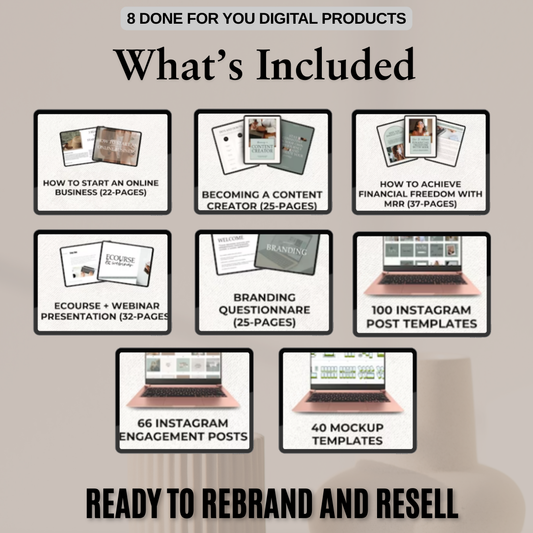
You can also shortcut the process using done-for-you digital products, then refine positioning using AI prompts.
5.2 Customer Research Prompts
If you don’t deeply understand your audience, your sales content won’t convert—no matter how good it sounds.
Customer research prompts help you:
-
Identify pain points
-
Understand desires and motivations
-
Discover objections before they arise
-
Map emotional triggers that drive buying decisions
This is especially useful when working with scalable niches like PLR digital products, where differentiation depends heavily on messaging and positioning.
5.3 Sales Page Creation Prompts
Your sales page is where conversions happen—and AI can dramatically speed up the process when guided correctly.
These prompts help you generate:
-
Attention-grabbing headlines
-
Benefit-driven copy
-
Feature breakdowns
-
FAQs that remove hesitation
-
Strong calls-to-action (CTAs)
Whether you’re selling templates, prompt packs, or bundles like 150 AI images midjourney prompts bundle, AI prompts can instantly structure a complete landing page aligned with your audience.
5.4 Email & DM Sales Prompts
Email and direct messaging remain some of the highest-converting channels in online selling.
AI prompts can help you create:
-
Cold outreach emails
-
Follow-up sequences
-
Cart abandonment emails
-
Objection-handling replies
For example, if you're promoting high-value visual assets like those from the AI image collection, personalized email prompts can dramatically improve click-through and conversion rates.
5.5 Content Marketing Prompts
Content drives traffic—and traffic drives sales.
These prompts help you create:
-
Instagram captions
-
Viral hooks
-
Short-form content for Reels, TikTok, and Shorts
-
Educational + promotional hybrid content
If you're building a content-driven brand, you can combine AI prompts with tools like:
This allows you to produce consistent, high-converting content at scale.

6. Ready-to-Use AI Prompt Examples
Now let’s turn strategy into action. Below are structured, high-converting prompt templates you can adapt for your niche.
6.1 Product Research Prompt
Use this to discover profitable digital product ideas:
“Act as a market research expert. My target audience is [insert audience]. Identify their top 5 pain points, biggest desires, and common frustrations. Then suggest 10 digital product ideas that solve these problems. Rank them based on demand, ease of creation, and profitability.”
This works especially well when paired with inspiration from guides like 100 digital products you can sell online in 2026.
6.2 Sales Page Prompt
Use this to generate a high-converting landing page:
“Act as a conversion copywriter. Write a high-converting sales page for [product]. The target audience is [audience]. Use a persuasive but friendly tone. Include headline, subheadline, benefits, features, testimonials, FAQs, and a strong call-to-action.”
This is ideal for selling premium visual or branding assets like:
6.3 Email Follow-Up Prompt
Use this to recover lost sales:
“Write a follow-up email for someone who viewed [product] but didn’t purchase. Address common objections, keep the tone conversational, and include a clear call-to-action. Limit to 120 words.”
This works well for promoting premium collections like:
6.4 Social Media Prompt
Use this to create engaging, sales-driven content:
“Create 10 Instagram captions promoting [product] to [audience]. Focus on benefits, emotional triggers, and simplicity. Include hooks and soft calls-to-action.”
You can combine this with systems like:
6.5 Objection Handling Prompt
Use this to remove buying resistance:
“Act as a sales expert. List the top 10 objections a customer might have before buying [product]. Then write short, persuasive responses to overcome each objection.”
This is especially powerful when selling high-value or bundle-based offers like:
Final Insight for These Sections
The real power of AI prompts isn’t just content creation—it’s speed, clarity, and scalability.
When you use the right types of prompts:
-
You stop guessing what to sell
-
You understand your audience faster
-
You create better sales assets in less time
-
You scale content and conversions simultaneously
In today’s AI-driven market, especially across highly competitive regions like the US and Australia, sellers who master prompting don’t just keep up—they dominate.
7. How to Get Better Results from AI Prompts
Using AI is easy—getting results that actually convert is not. The difference comes down to how you write your prompts. Sellers in competitive markets like the USA and Australia are winning because they’ve learned how to be precise, strategic, and context-driven with AI.
Why Specificity Improves Output Quality
AI performs best when it’s given clear, detailed instructions. The more specific your prompt, the more tailored—and usable—the output becomes.
Specificity helps AI:
-
Understand your exact goal
-
Match your audience’s expectations
-
Produce conversion-focused messaging instead of generic fluff
For example, if you’re exploring ideas from digital products to sell, a vague prompt won’t help you stand out. But a detailed, niche-focused prompt can generate unique positioning angles that actually sell.
Importance of Niche Clarity
One of the biggest mistakes online sellers make is trying to target “everyone.”
AI prompts become far more powerful when you clearly define:
-
Your niche (e.g., Etsy sellers, busy moms, fitness coaches)
-
Your product type (templates, planners, prompt packs)
-
Your audience’s specific struggles
For example, whether you’re working with done-for-you digital products or customizing offers from PLR digital products, niche clarity ensures your messaging feels relevant—not generic.
Real-World Context vs Generic Instructions
AI doesn’t “know” your business unless you tell it.
Generic instructions lead to generic outputs. Real-world context creates high-converting content.
Include details like:
-
Where the product is being sold (Etsy, Shopify, Instagram)
-
Who the buyer is
-
What stage of the funnel they’re in
-
What objections they might have
For example, if you’re creating assets using tools like the MidJourney prompts, adding context like “for Instagram reels targeting US-based small business owners” dramatically improves results.
Example Comparison: Weak Prompt vs Strong Prompt
Weak Prompt:
“Write a product description”
Strong Prompt:
“Act as a conversion copywriter. Write a 150-word product description for a digital planner designed for busy female entrepreneurs in Australia. Focus on time-saving, productivity, and stress reduction. Use a friendly and persuasive tone, and include a clear call-to-action.”
The difference is clear:
-
The weak prompt produces generic content
-
The strong prompt produces targeted, sales-ready copy
How Frameworks Improve Conversion-Focused Outputs
Frameworks like RIGS (Role, Instruction, Guardrails, Specifics) turn random prompting into a repeatable system.
They help you:
-
Structure your prompts consistently
-
Eliminate guesswork
-
Improve output quality across all sales assets
For example, when using specialized tools like the PLR faceless illustration prompt guide or creative systems like the bling cartoon prompt guide, applying a structured framework ensures your outputs align with your brand and audience every time.
8. Practical Applications for Online Sellers
AI prompts are not just theoretical—they can be applied across almost every online business model. Here’s how different types of sellers can use them to increase efficiency and sales.
E-commerce Sellers
E-commerce sellers can use AI prompts to:
-
Write product descriptions
-
Create ad copy
-
Generate email campaigns
-
Optimize product listings
Whether you’re selling physical goods or exploring digital products, AI helps streamline your entire sales process.
Digital Product Creators
Digital product creators benefit the most from AI prompts.
You can use them to:
-
Generate product ideas
-
Create sales pages
-
Build funnels
-
Develop content strategies
If you’re building a scalable business using digital products to sell or leveraging ready-made assets from all MRR products, AI prompts can significantly reduce your workload while increasing output quality.
Freelancers
Freelancers can use AI to:
-
Deliver faster results to clients
-
Improve copywriting quality
-
Offer more services (SEO, email marketing, content creation)
For example, a freelancer using AI can quickly generate branded visuals or concepts using MidJourney prompts, adding more value to their services.
Affiliate Marketers
Affiliate marketers can use AI prompts to:
-
Write review articles
-
Create comparison content
-
Generate email sequences
-
Produce social media promotions
This allows you to promote products more effectively without constantly creating content from scratch.
Social Media Sellers
If you sell through Instagram, TikTok, or YouTube Shorts, AI prompts are a game changer.
They help you:
-
Generate viral hooks
-
Write captions that convert
-
Create consistent content
-
Build a recognizable brand voice
By combining AI prompts with visual assets and prompt systems, you can scale content production while maintaining quality and consistency.
Final Insight for These Sections
Better prompts don’t just improve content—they improve your entire business workflow.
When you:
-
Get specific
-
Define your niche
-
Add real-world context
-
Use structured frameworks
You transform AI from a basic tool into a powerful growth engine—one that helps you create faster, sell smarter, and scale efficiently in competitive markets like the US and Australia.
9. Common Mistakes to Avoid
Even though AI tools have made online selling faster and more accessible, most sellers still struggle to get real results. The reason isn’t the tool—it’s how they use it.
Avoiding these common mistakes can instantly improve your conversions, especially in competitive markets like the USA and Australia.
Using Vague Prompts
This is the #1 mistake.
Prompts like:
-
“Write a sales post”
-
“Create a product description”
…lead to generic, low-converting outputs.
Instead, follow structured prompting approaches recommended by platforms like SPOTIO’s AI sales prompt guide and Mixmax’s generative AI sales prompts guide, which emphasize clarity, specificity, and context.
Not Defining the Audience
If your prompt doesn’t clearly define who you’re selling to, AI cannot tailor the message.
For example:
-
Selling to “everyone” = weak messaging
-
Selling to “beginner Etsy sellers in the US” = targeted messaging
When exploring niches like AI digital products to sell in 2026 or high-demand categories like most profitable Canva templates, defining your audience is what makes your content stand out.
Ignoring Tone and Format
AI doesn’t automatically “know” how you want your content to sound.
If you don’t specify:
-
Tone (friendly, luxury, persuasive)
-
Format (bullets, storytelling, short-form)
-
Length (100 words, 500 words, etc.)
…you’ll get inconsistent results.
Resources like AI prompts for e-commerce highlight how tone and structure directly impact conversion rates.
Expecting AI to “Sell Automatically”
This is a major misconception.
AI is not a replacement for:
-
Strategy
-
Positioning
-
Understanding your customer
As explained in AI agents for sales, AI enhances human decision-making—it doesn’t replace it.
You still need to:
-
Choose the right product
-
Understand your market
-
Refine your messaging
AI simply helps you execute faster and more efficiently.
If you're working with scalable assets like all MRR products or building offers from guides like digital products you can create with AI, your success still depends on how well you position and market them.
10. Final Takeaway
AI prompts are not magic—but they are powerful leverage.
When used correctly, they allow you to:
-
Research faster
-
Create better sales content
-
Test ideas quickly
-
Scale your online business efficiently
The core principle is simple:
Better prompts = better sales assets.
Whether you’re selling templates, planners, prompt packs, or exploring opportunities like digital products to sell, your results depend on how clearly and strategically you communicate with AI.
In today’s AI-driven landscape across the US and Australia:
-
Speed matters
-
Personalization matters
-
Clarity matters
And strong prompting gives you all three.
Selling online is no longer about working harder—it’s about working smarter with the right systems.
11. Bonus Section: Swipeable Prompt Library
To make this practical, here’s a powerful next step:
Create your own “swipeable prompt library.”
This is a collection of proven prompts you can reuse, adapt, and refine for your niche.
You can organize it into categories like:
-
Product research
-
Sales pages
-
Emails
-
Social media content
-
Objection handling
This approach is used by top sellers who build scalable systems instead of starting from scratch every time.
If you’re exploring opportunities from guides like:
…a swipe file of prompts will help you move faster and stay consistent.
Customize for Your Niche
Finally, remember:
No prompt is “perfect” out of the box.
The real power comes from:
-
Customizing prompts to your audience
-
Testing different variations
-
Refining based on results
What works for an Etsy seller in the US may need adjustments for a creator in Australia—and that’s where your understanding of your audience becomes your biggest advantage.
Closing Insight
AI is a multiplier.
If your inputs are weak, your outputs will be weak.
If your inputs are strategic, your results can scale fast.
Master prompting—and you’ll not only keep up with the market, you’ll stay ahead of it.
FAQs: AI Prompts to Sell Online
1. What are AI prompts for selling online?
AI prompts are structured instructions you give to tools like ChatGPT to generate sales content such as product descriptions, emails, landing pages, and social media posts. When written correctly, they help you create high-converting marketing assets faster and more efficiently.
2. Can AI prompts really help increase sales?
Yes—when used strategically. AI prompts improve how you communicate your offer by making your messaging clearer, more targeted, and more persuasive. They don’t replace your strategy, but they significantly speed up content creation and testing, which can lead to higher conversions.
3. What makes a high-converting AI prompt?
A strong AI prompt includes:
-
A clear role (e.g., “act as a sales copywriter”)
-
Specific instructions (what to create)
-
Defined audience (who it’s for)
-
Guardrails (tone, format, length)
This structure ensures the output is relevant, usable, and focused on selling—not just generic writing.
4. What types of AI prompts should beginners start with?
Beginners should focus on:
-
Product idea prompts (to find profitable ideas)
-
Customer research prompts (to understand buyers)
-
Sales page prompts (to create conversion-focused content)
-
Social media prompts (to drive traffic and engagement)
These cover the core areas needed to start selling online effectively.
5. Do I need technical skills to use AI prompts for selling?
No technical skills are required. Most AI tools are beginner-friendly. The key skill is learning how to write better prompts by being clear, specific, and focused on your audience and goals. Once you understand this, you can use AI for almost every part of your online business.
🎬 Want a visual walkthrough?
If you’d rather watch than read, here’s the full explainer video covering everything in this guide: