


Introduction
Digital products have become one of the easiest and most beginner-friendly ways to start earning online, even if you have no prior experience, technical skills, or budget. Unlike physical products, digital products allow you to create something once and sell it repeatedly, making them an ideal entry point into passive income.
🎥 Prefer watching instead of reading?
Watch the full step-by-step explainer video below.
One of the biggest advantages is the low barrier to entry. You don’t need inventory, shipping, or manufacturing. With free tools like Canva and beginner-friendly platforms such as Etsy and Gumroad, almost anyone can start creating and selling digital products in just a few days. This is why digital products continue to dominate online business models in the US market.
If you’re exploring ideas, this guide on digital products to sell highlights popular categories that beginners can realistically launch with minimal effort.
Why Digital Products Are Ideal for Beginners With No Experience
Digital products are perfect for beginners because they combine low startup costs with unlimited scalability. You can design, write, or customize products using free or low-cost tools, then sell them globally without worrying about storage or logistics.
Platforms like Etsy, Gumroad, and Shopify handle payments and delivery, while tools like Canva make professional-looking designs accessible to everyone. Many beginners start by selling planners, templates, or guides and gradually expand into premium products or bundles.
If you want a deeper understanding of how digital products work, this beginner-friendly breakdown of digital products explains the different formats and income models in detail.
What Are Digital Products and Why They’re Perfect for Beginners
Definition of Digital Products
Digital products are downloadable or online-access items that customers can purchase and use instantly. Common examples include printables, templates, eBooks, stock images, and design assets. Because they’re delivered digitally, there’s no physical handling involved.
No Shipping, No Storage, No Upfront Investment
One of the biggest reasons digital products are beginner-friendly is that they eliminate traditional business expenses. You don’t need warehouse space, shipping partners, or upfront inventory costs. Once your product is created, it can be sold an unlimited number of times.
Skill-Light, Tool-Driven Creation
Most beginner digital products rely more on tools than technical skills. Canva, Google Docs, and simple AI tools allow anyone to create professional-quality products. For example, beginners often start with ready-made templates or visual assets like Main Character Carousels – viral-ready Canva templates to speed up creation and branding.
Passive Income Potential With Evergreen Demand
Digital products can generate passive income because they solve ongoing problems—budgeting, productivity, branding, or inspiration. Evergreen products continue to sell year after year with minimal updates. Many creators also package visual assets, such as premium stock image bundles, to increase perceived value and recurring sales.
Some beginners also expand into mindset, lifestyle, or educational guides. For example, digital books like The Aligned Empire show how digital products can blend knowledge, purpose, and profitability into a scalable online business.
Best Digital Product Ideas for Beginners With No Experience
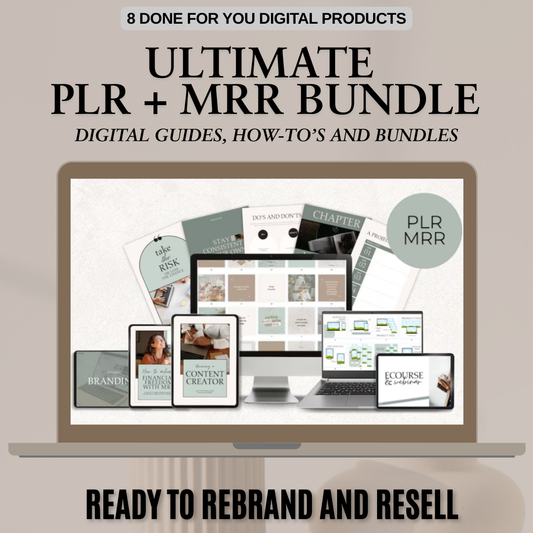
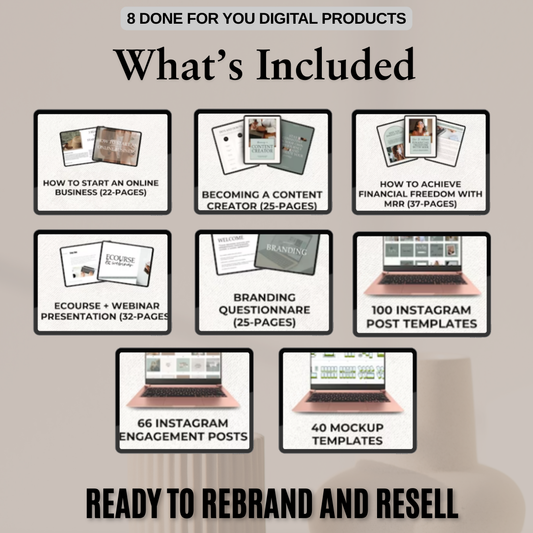
Starting with the right digital product is the fastest way for beginners with no experience to generate online income. The best beginner-friendly digital products are simple to create, low-cost, and already proven to sell consistently across platforms like Etsy, Gumroad, and Shopify. If you want a shortcut, many beginners start with done-for-you digital products or PLR digital products, which significantly reduce creation time while still allowing customization, branding, and resale.
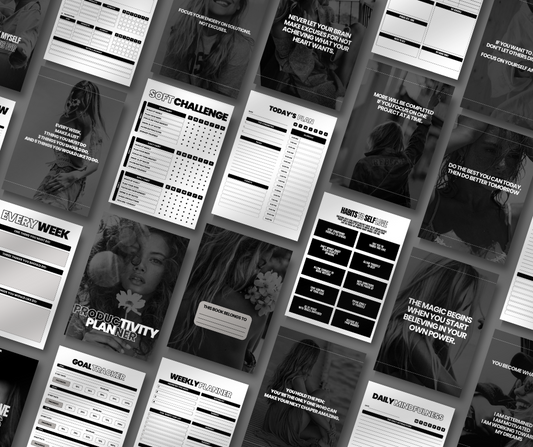
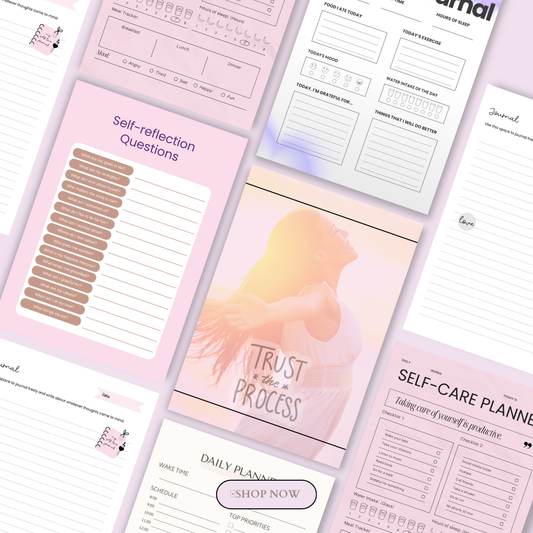
Printables and Planners (Beginner Favorite)
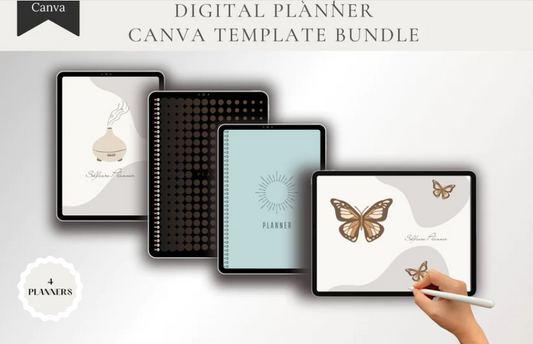
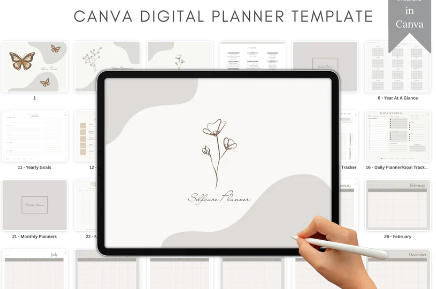
Printables and planners are the most popular digital product ideas for beginners with no experience—and for good reason. They require minimal design skills, can be created using free tools like Canva, and sell extremely well on Etsy.
Budget Trackers
Budget trackers help users manage expenses, savings, and debt. These products perform especially well among households focused on financial planning, making them ideal for evergreen sales.
Meal Planners
Meal planners are highly searchable on Etsy and Pinterest. Busy families and health-conscious individuals actively look for printable meal prep systems that save time and reduce stress.
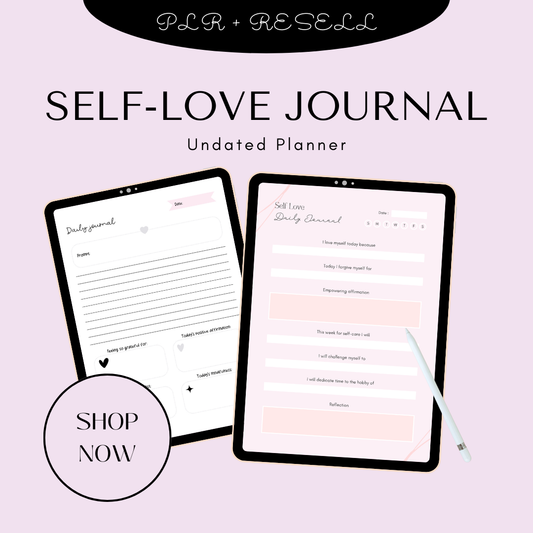
Habit Journals
Habit trackers and journals are popular in the self-improvement and wellness niche. They attract users interested in productivity, mindfulness, and personal growth—one of the fastest-growing digital product markets.
Calendars
Printable calendars (daily, weekly, and monthly) are evergreen products with strong seasonal spikes. Variations such as academic calendars, content calendars, and family planners increase conversion rates.
Printables and planners consistently rank among the best digital products to sell on Etsy, Gumroad, and Shopify because they have high demand, low refund rates, instant download appeal, and are easy to bundle for higher perceived value.
These products are ideal for busy parents and professionals who prefer simple, printable solutions to organize finances, meals, schedules, and habits. Beginners can fast-track success by using ready-made planner collections designed for resale instead of designing everything from scratch.
Social Media Templates
Social media templates are another excellent digital product idea for beginners with no experience, especially for those interested in design or online marketing. Demand for templates continues to grow as businesses and creators focus on consistent branding and organic growth.
Instagram Post and Story Templates
Instagram templates help users create professional-looking content quickly without starting from zero, making them a high-value, time-saving purchase.
Canva-Based Drag-and-Drop Designs
Canva-based templates are beginner-friendly and require no technical background. Buyers love the ease of customization, while sellers benefit from fast creation and unlimited scalability. This is why templates are considered some of the lowest-cost digital products you can sell from home.
Social media templates perform best for small businesses, content creators, and coaches, as these audiences are willing to pay for ready-made branding assets and often purchase bundles. Pairing templates with education—such as an organic growth marketing bundle for digital product sellers—can significantly increase conversions and average order value.
For beginners who want to move beyond small sales and build a long-term brand, learning how to scale digital products systematically is essential. A complete roadmap for this is covered inside the 6-figure digital product brand masterclass.
eBooks and Simple Guides
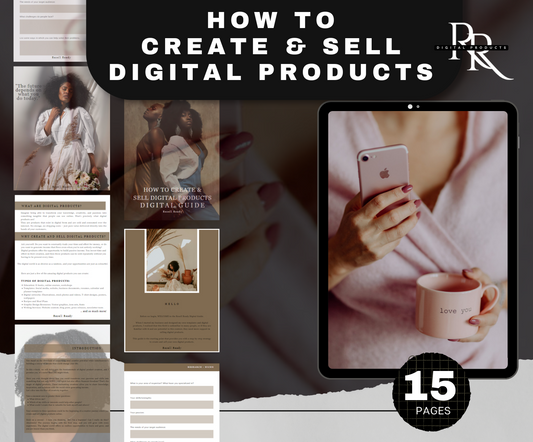
Creating short PDF guides is one of the most beginner-friendly ways to enter the digital product market. These guides work especially well for topics that are in high demand and easy to research, such as passive income strategies, TikTok basics, or productivity tips. Beginners can write content using free tools like Google Docs and export it as a PDF for instant delivery.
For step-by-step guidance on creating your first digital product, check out this beginner’s guide to creating digital products that sell.
Popular examples of beginner-friendly guides include:
-
The Wealth Mindset Journal – a simple yet powerful tool for improving money mindset
-
30 Days to a Better You eBook – a short, actionable guide for personal growth
-
Stress Less, Glow More: Confidence Mindset eBook for Women – focused on mindset and self-improvement
These types of guides are particularly effective for passive income because they can be sold repeatedly with minimal ongoing effort. For ideas on the most profitable digital guides in 2026, explore this article on high-demand digital products for passive income.
Coloring Pages and Worksheets
Coloring pages and worksheets are perfect for beginners because they are low complexity but high appeal. They cover two main audiences:
-
Kids’ educational worksheets – printable learning activities, math exercises, or reading comprehension sheets
-
Adult relaxation and mindfulness pages – stress-relief coloring sheets, motivational designs, or meditation prompts
These products sell well on Etsy and Pinterest because buyers are looking for quick, ready-made solutions that are easy to print. Beginners can create these using simple design tools like Canva or even free templates.
Checklists and Trackers
Checklists and trackers are some of the easiest digital products to make and sell, and they appeal to a wide audience. Popular examples include:
-
Fitness logs – track workouts, nutrition, and progress
-
Wedding planners – help brides and grooms stay organized
-
Weight loss trackers – provide accountability and measurable results
Beginners can increase the perceived value by bundling multiple checklists or trackers into a single digital product, making it more appealing for purchase. This also allows higher pricing without increasing creation time.
Step-by-Step Creation Process for Beginners
Creating your first digital product may seem overwhelming, but following a clear step-by-step process makes it simple—even for beginners with no experience.
Step 1 – Choose a Simple Niche Based on Interest
Start with a niche that aligns with your personal interests or experience. This makes content creation faster and ensures authenticity. Popular beginner-friendly niches include:
-
Productivity – planners, habit trackers, and goal-setting tools
-
Wellness – self-care guides, mindset journals, and mindfulness printables
-
Parenting – educational worksheets, meal planners, and daily routines
Validate your niche with your personal experience as a guide. For inspiration, check out the Plan & Prosper digital product collection or tools like the E-Commerce Planner, Finance Budget Planner, and Self-Care SOS Kit.
Step 2 – Validate the Idea Before Creating
Before investing time in creation, validate that your digital product idea has real demand:
-
Conduct an Etsy keyword search to see what buyers are searching for
-
Look for low-competition indicators to find opportunities with less crowded markets
-
Check existing demand signals, such as bestseller lists or trending social media posts
For more tips on finding digital products that sell well, read this guide on top-selling digital products and what sells best in 2025.
Step 3 – Create Using Free Tools
Once validated, use beginner-friendly tools to create your product:
-
Canva for visual products like planners, templates, and worksheets
-
Google Docs for text-based guides, checklists, and eBooks
-
Export your files as PDF for easy delivery and compatibility
For ready-to-use inspiration, explore resources like The Self-Care Workbook or digital guides that can replace traditional jobs, such as those in digital products to sell that can replace your 9-5.

Step 4 – Test Before Full Launch
Before fully launching your product, gather feedback to improve your offer:
-
Share free samples on social media to gauge interest
-
Collect feedback and refine your product to increase value and reduce potential refunds
Testing ensures that your first launch is smoother and your product meets real buyer needs.
Best Platforms to Sell Digital Products for Beginners
Choosing the right platform is key for beginner success. Each platform has different strengths depending on your product type.
Etsy
Etsy is perfect for beginners selling printables, planners, and worksheets due to its built-in traffic and marketplace trust. The $0.20 listing model makes it affordable to start small and test multiple products.
Gumroad
Gumroad is ideal for eBooks, guides, and other digital downloads. It supports global payments, offers simple delivery, and handles file hosting automatically. Beginners love it because it’s easy to set up and doesn’t require a website.
Shopify & Payhip (Optional Scaling)
For scaling your digital product business:
-
Custom storefronts allow you to build a branded shop
-
Automation tools handle payments, email follow-ups, and digital delivery
-
Upgrade to Shopify or Payhip when you have multiple products or bundles to sell
For inspiration on beginner-friendly digital products to sell, explore the Plan & Prosper collection or individual planners and guides like the Finance Budget Planner and Self-Care Workbook.
Beginner Tips to Maximize Profit
Starting as a beginner in digital products is exciting, but maximizing profit requires smart strategies. By leveraging ready-made content, setting the right pricing, using effective promotion channels, and staying ahead of trends, you can scale faster and reduce trial-and-error costs.
Use PLR Content to Save Time
One of the fastest ways for beginners to launch digital products is by using PLR (Private Label Rights) content. PLR content allows you to:
-
Customize pre-made templates, guides, or journals to match your brand
-
Launch products faster without starting from scratch
-
Reduce design and research time while maintaining quality
For high-quality PLR bundles, check out the Luna Bundle or the Creative Entrepreneurship Collection. Using PLR smartly helps beginners stay consistent and focus on scaling, rather than creating every product manually. For more tips, see this guide on digital products to sell.
Smart Pricing for Beginners
Pricing your digital products correctly is key for conversions. Beginners should start with:
-
$5–$20 price range for most printables, templates, and short guides, which balances affordability with perceived value
-
Bundles to increase order value—combining planners, trackers, and guides makes your offer irresistible
For example, pairing a Glow Up Tracker Planner with a mini-guide can double perceived value while keeping pricing beginner-friendly.
Promotion Channels That Work for Beginners
Promotion doesn’t have to be complicated. Focus on platforms where your audience already searches for solutions:
-
Pinterest Pins – highly effective for planners, printables, and worksheets
-
Instagram Posts and Reels – great for templates, eBooks, and lifestyle products
Sharing previews, tips, and product mockups drives traffic and conversions. For more ideas, explore this article on top-selling digital products on Etsy.
Trend Awareness for 2026
Staying ahead of digital product trends is crucial for maximizing profit:
-
AI prompt products are gaining momentum as businesses and creators adopt AI tools
-
Seasonal and niche bundles—holiday planners, fitness challenges, and personal growth journals—perform well in targeted markets
Check out the latest trending products in this guide to 20 high-demand digital products to sell right now to stay competitive.
Common Mistakes Beginners Should Avoid
Avoiding mistakes early can save time, money, and frustration:
-
Overcomplicating the product – start simple and scale later
-
Skipping validation – research demand before creation
-
Pricing too low or too high – price according to value and market expectations
-
Launching without bundles – products sell better when grouped with complementary items
Learn more about pitfalls and how to avoid them in 5 common mistakes when selling PLR digital products.
Related Topics
For readers who want to dive deeper:
-
Which digital product types convert best for beginners in 2026: Resell Ready Guide
-
How to validate a digital product idea before creating it: Step-by-step Guide
-
Best platforms for selling low-effort digital products: Shopify Blog, LitCommerce Guide, WP Astra Resources
-
Step-by-step checklist for creating an eBook: YouTube Tutorial
-
Time and budget needed to launch a beginner template store: Resell Ready Insights
Conclusion
Digital products are beginner-friendly because they are low-cost, skill-light, and scalable. Start with products like printables, templates, checklists, or guides, and focus on:
-
Using free tools and PLR content to save time
-
Pricing smartly and creating bundles
-
Promoting on Pinterest and Instagram
-
Staying aware of trends and high-demand niches
With the right strategy and simple first steps, anyone can start small, learn quickly, and scale their digital product business. Begin with easy, high-value products and gradually expand into bundles, courses, or niche-specific guides.
Frequently Asked Questions (FAQ)
1. What are the easiest digital products for beginners to sell?
The easiest digital products for beginners are printables, planners, checklists, templates, coloring pages, and short guides or eBooks. These products are low-cost, require minimal design or writing skills, and can be created using free tools like Canva and Google Docs. Beginners can also leverage PLR (Private Label Rights) content to speed up creation. For inspiration, check out high-demand digital products you can sell.
2. How can I validate a digital product idea before creating it?
Validating your idea is crucial to ensure demand and reduce risk. Use Etsy keyword searches, check for low-competition niches, analyze trending products, and gather social media feedback. Tools like Pinterest and Etsy’s search bar can provide insights into what buyers are actively looking for. Learn more in this step-by-step beginner guide.
3. Which platforms are best for selling digital products as a beginner?
Beginners often start with:
-
Etsy for printables, planners, and worksheets due to built-in traffic and low listing fees
-
Gumroad for eBooks, guides, and digital downloads because of simple setup and global payments
-
Shopify or Payhip for scaling into a custom storefront with automation options
For detailed platform comparisons, see best digital products to sell on Etsy, Gumroad, and Shopify.
4. How much can beginners realistically earn from selling digital products?
Earnings vary depending on product type, pricing, and marketing efforts. Many beginners start with $5–$20 products and can increase revenue by bundling multiple items. High-demand products like planners, templates, and self-care guides often generate passive income and can replace part of a 9-5 income if marketed effectively. Check digital products that can replace your 9-5 job for ideas.
5. What are common mistakes to avoid when selling digital products as a beginner?
Some mistakes beginners make include overcomplicating products, skipping idea validation, pricing too low or too high, and launching without bundles. Avoiding these errors saves time and increases the chances of success. For a full breakdown, see 5 common mistakes when selling PLR digital products.
🎬 Want a visual walkthrough?
If you’d rather watch than read, here’s the full explainer video covering everything in this guide: